Tradiviorans ClubQuestions, polls, reading DNA and your curiosity circle.Join the Club →Log in →Reading remains free without an account.
EXPLORE
PARTICIPATE
YOUR SPACE
Follow a question. Examine the evidence.
Explore investigations
Search customs, ideas and practices, or combine filters to follow a connection across cultures. Evidence assessments describe editorial conclusions, not scores or rankings.
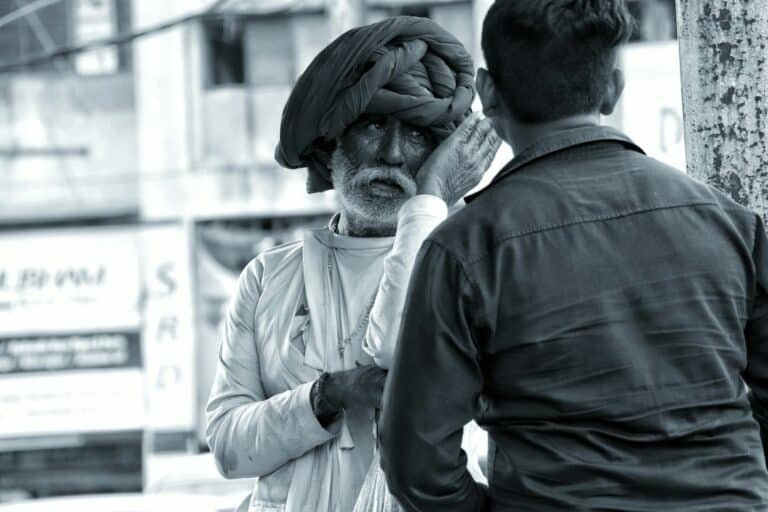
Religious head coverings across Judaism, Christianity, Islam and Sikhism express different combinations of reverence, modesty, discipline and identity. Their strongest effects are social and psychological, not a universal hidden physiological…
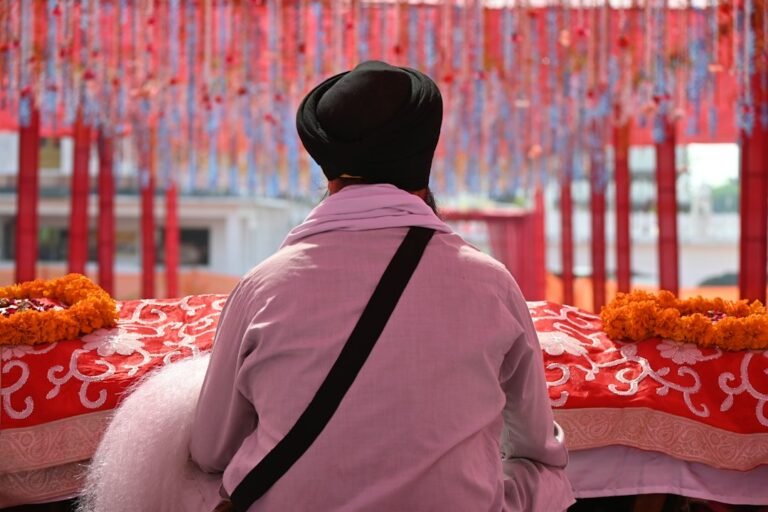
Uncut hair and the turban make Khalsa discipline and Sikh identity continuously visible. Their strongest evidence is historical and social: commitment, dignity, solidarity and public recognition—not claims about hidden neurological…
 tradivior