Tradiviorans ClubQuestions, polls, reading DNA and your curiosity circle.Join the Club →Log in →Reading remains free without an account.
EXPLORE
PARTICIPATE
YOUR SPACE
Follow a question. Examine the evidence.
Explore investigations
Search customs, ideas and practices, or combine filters to follow a connection across cultures. Evidence assessments describe editorial conclusions, not scores or rankings.
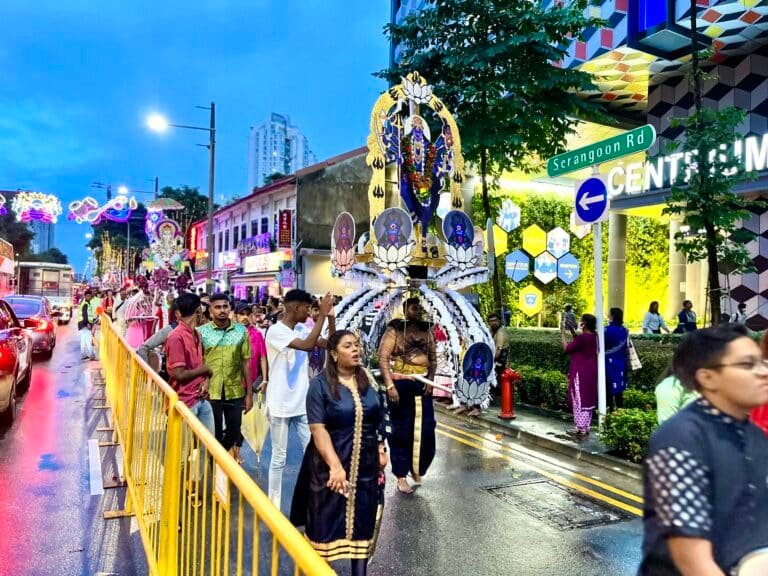
From a 1932 silver chariot stopped by trolley wires to Singapore's 2026 procession, Thaipusam reveals how Tamil devotion and diaspora life reshape one another.
From eighteenth-century dances to modern safety debates, Catalonia's castells reveal how a living tradition balances collective trust, ambition and risk.
Matariki is not one fixed star count or ceremony. Explore Māori regional traditions, Puanga, hautapu, the lunar calendar and New Zealand's public holiday.
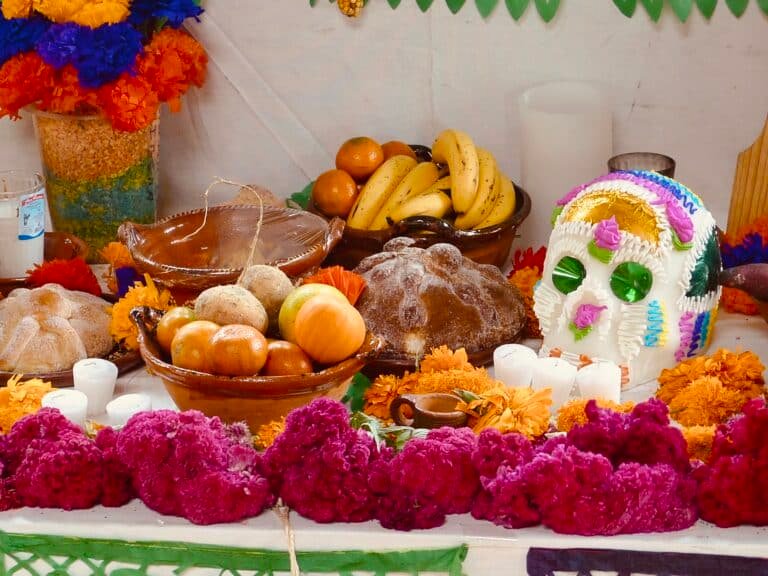
A Día de Muertos ofrenda can hold water, marigolds and a loved one's favourite meal. Its meaning is intimate; its history is more layered than an unchanged ancient ritual.
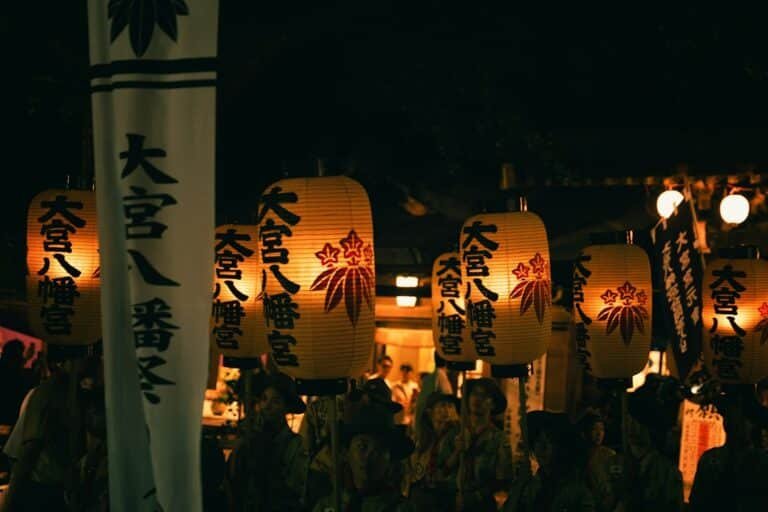
Why does Obon unfold in July, August and the lunar calendar? Explore Kyoto's farewell fires, Gujō's overnight dances and the history of Japanese ancestor remembrance.
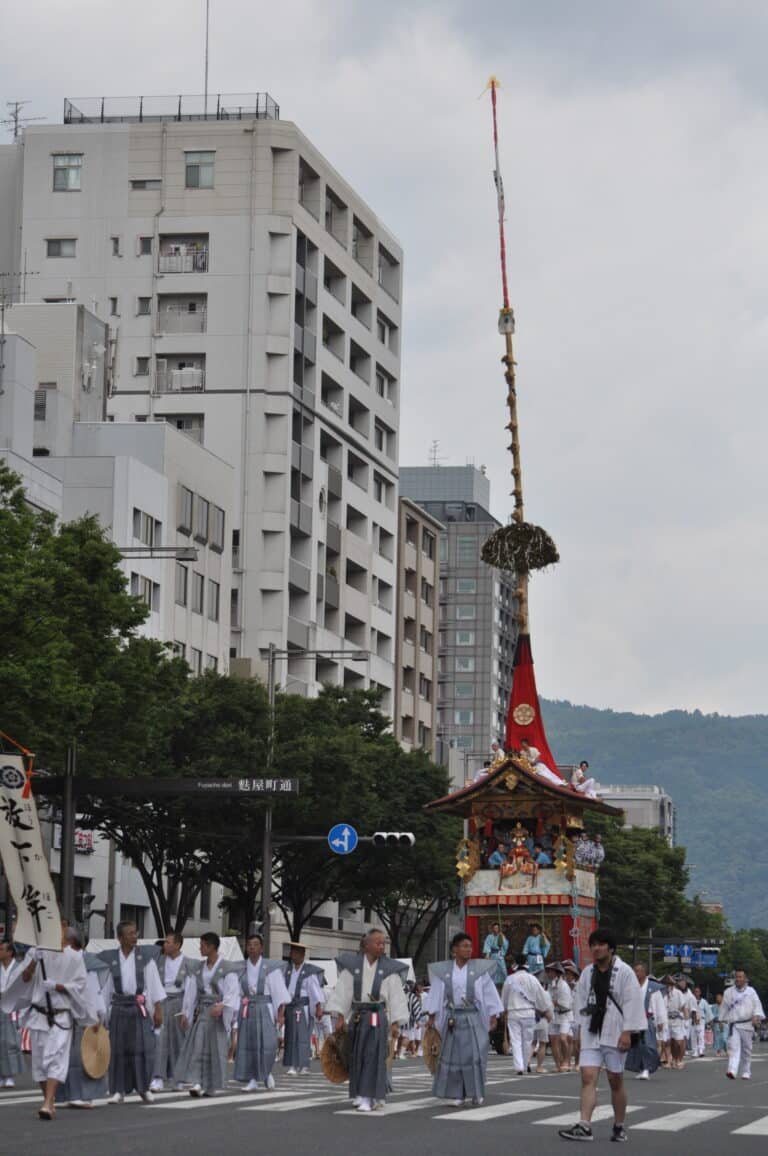
Gion Matsuri began with a ninth-century epidemic story and became a living Kyoto tradition of sacred processions, elaborate floats and neighbourhood cooperation.
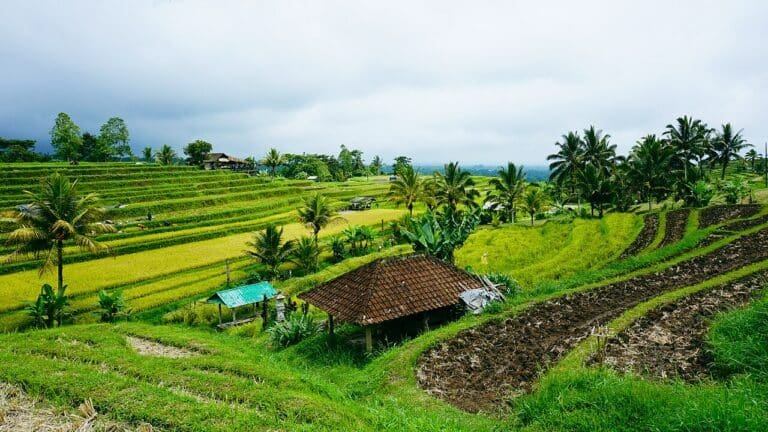
Bali's water temples are more than scenic shrines: they help coordinate irrigation, harvests and collective responsibility. A documented history of subak and its present pressures.
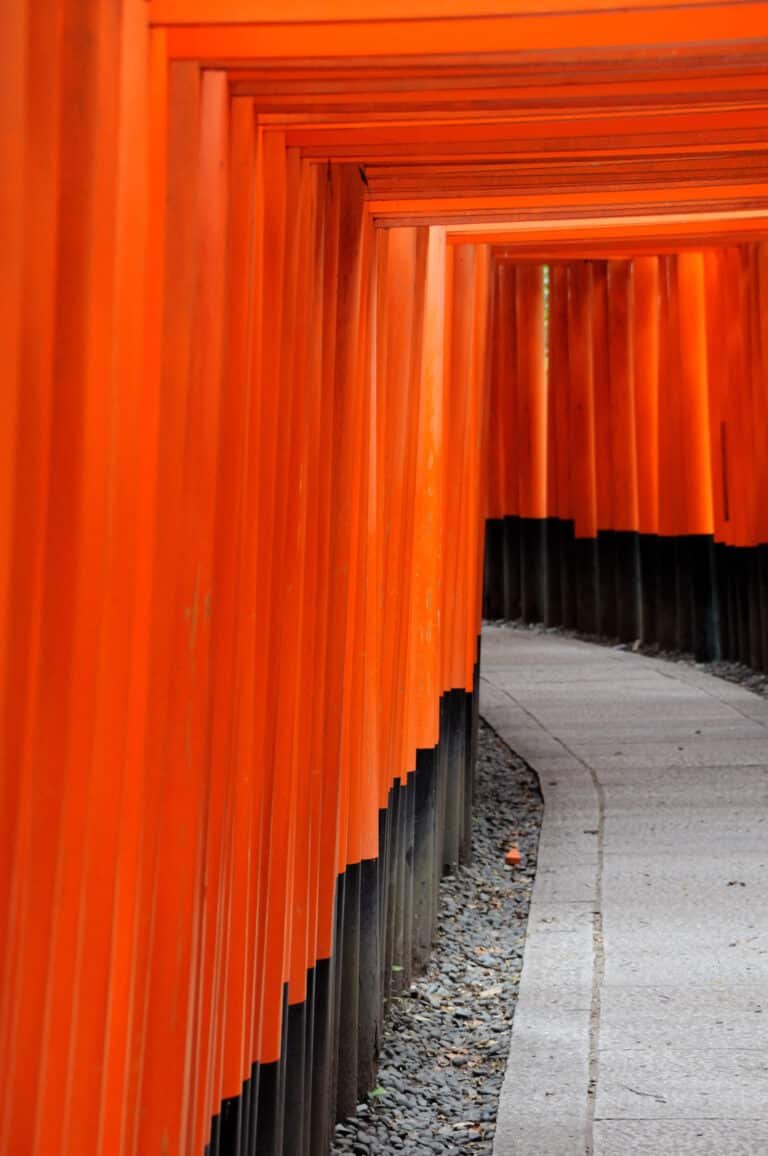
Behind Kyoto's famous vermilion torii corridors is a history of donations, sacred boundaries and living devotion. What the evidence—and the shrine itself—actually tell us.
The Haft-Sin table expresses spring, family and renewal. But how old is its familiar seven-S arrangement? The historical record offers a more fascinating answer than a simple ancient-origin story.
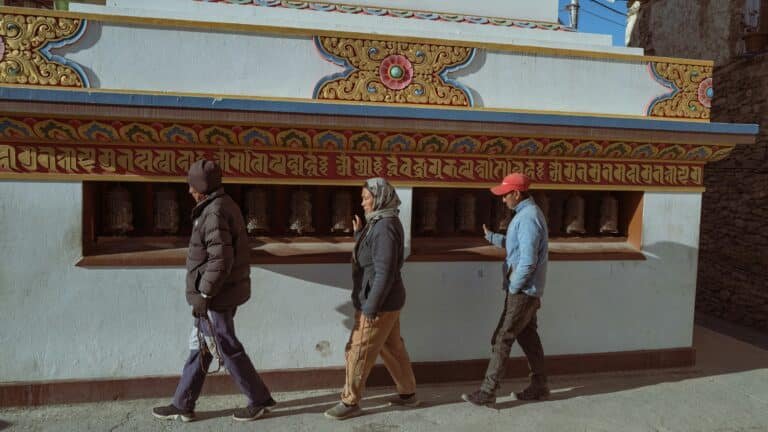
Explore why Tibetan Buddhist prayer wheels are turned clockwise, how sacred text and ritual action connect, and what historical and scientific evidence can establish.
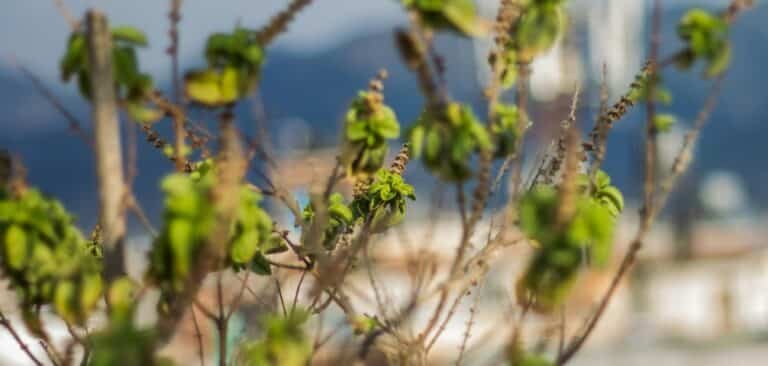
Why is tulsi sacred in Hindu households? Investigate its devotional history, botanical science, cultural meaning and what medical evidence can actually prove.
A new starting point each day
Today’s discovery
Explore a question from the archive. This rotating selection is not an evidence ranking.
Diwali’s lamps are historically and religiously meaningful symbols whose interpretations vary across Hindu, Jain, Sikh and regional traditions. Light makes sacred time visible and transforms homes and streets; modern science…
Tradivior / AADVIK AGASTYA VENTURES
THE TRADIVIOR DISPATCH
The next tradition you question might change how you see the world.
One thoughtful invitation to explore the people, origins and evidence behind traditions across cultures.
01New evidence-led investigations and historical context
02Scientific perspectives and sources worth checking
03Debates, community discoveries and living traditions
✦
A SMALL INVITATION
Stay close to what matters.
Join before the next Dispatch arrives in your inbox.
 tradivior