Prehistoric
Explore by topic, region and evidence
Investigations focused on traditions and practices before written historical records, reconstructed primarily through archaeology, material culture and related evidence.
-
Why Did Civilizations Build Solstice and Equinox Monuments?
Some ancient monuments genuinely align with seasonal solar events: Stonehenge, Newgrange and Chankillo provide strong examples. But many popular equinox claims are weaker, showing why archaeoastronomy must test geometry, context…
-
Why Did Humans Watch the Moon So Closely?
Humans watched the Moon because it was genuinely useful: a visible calendar, source of night illumination, tidal marker and ecological cue. Modern science strongly supports those functions while rejecting many…
-
Why Did Ancient Builders Align Sacred Places With Directions?
Ancient sacred places were often aligned to cardinal, solar, stellar or landscape references—but not every dramatic sunrise proves intention. Strong archaeoastronomy combines measurement, chronology, repeated patterns and cultural context.
-
Why Did Humans Tattoo the Body?
Tattooing turns skin into a permanent social surface. Across cultures it has marked identity, initiation, rank, protection, punishment, memory and belonging; its permanence makes those signals powerful while also creating…
-

Why Did Humans Wear Jewellery?
Jewellery is one of humanity’s oldest symbolic technologies. Early shell beads predate agriculture by tens of thousands of years, and later ornaments communicate identity, status, alliance, devotion, wealth and memory.
-
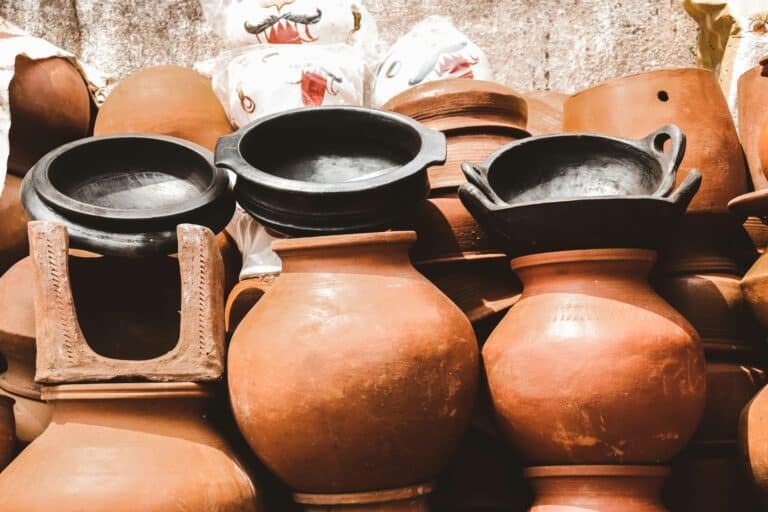
Why Did Homes Centre Daily Life Around the Hearth?
The household hearth combined cooking, heat, light and social gathering in one place, making it a practical and symbolic centre of domestic life—while also creating major smoke exposure.