 tradivior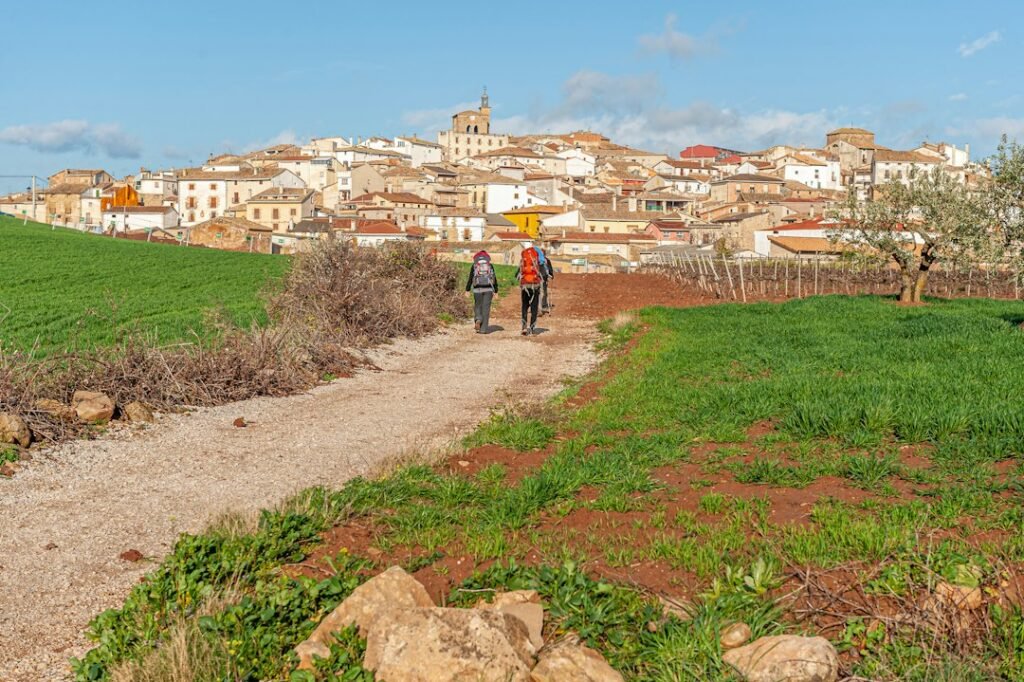
In this investigation
Across religions, humans repeatedly turn belief into a journey. They walk, ride, sail or fly toward places made sacred by revelation, memory, relics, divine presence, ancestors or history. Mecca, Varanasi, Jerusalem, Santiago de Compostela, Bodh Gaya, Amritsar, Shikoku, Karbala, Mount Kailash and thousands of local shrines draw people away from ordinary routines toward destinations that matter precisely because they are not interchangeable with other places.
Pilgrimage can be compulsory, recommended, penitential, celebratory, healing, ancestral or deeply personal. Some pilgrimages last hours; others take months. Some culminate in a single sanctuary; others make the road itself sacred. This diversity means pilgrimage cannot have one universal origin.
Yet the recurrence is remarkable. Why do religions repeatedly ask people to leave home in order to encounter the sacred somewhere else?
Sacred geography is not ordinary geography
Religion often makes places unequal. A field can become the site of revelation. A mountain can become the dwelling of gods. A tomb can hold the memory or relics of a saint. A river can become purifying. A city can anchor a collective history.
Pilgrimage turns this unequal geography into action. Instead of merely believing that a place is sacred, the pilgrim travels toward it.
The journey is part of the ritual
If pilgrimage were only about arriving at a sacred place, the fastest route would always be best. Historically, that is often not true. Walking, fasting, sleeping rough, carrying offerings, travelling in groups or following inherited routes can become part of the religious meaning.
Effort converts belief into cost. Time, money and physical strain make the commitment visible to the pilgrim and to others.
Hajj: obligation, equality and sacred history
For Muslims able to undertake it, Hajj is a religious obligation at least once in a lifetime. The pilgrimage is not generic spiritual travel; it follows specific rites tied to Islamic sacred history, including tawaf around the Kaaba, movement between Safa and Marwa, standing at Arafat and other prescribed acts.
Millions of pilgrims perform the same rites in a shared period, producing one of the world’s largest recurrent religious gatherings. Clothing such as ihram visibly reduces some ordinary status differences, though social inequalities outside the ritual do not disappear.
Hindu pilgrimage: many centres, many routes
Hindu pilgrimage does not revolve around one universal destination. Tirthas, temples, rivers, mountains and cities create a dense sacred geography across South Asia. Varanasi, Prayagraj, Tirupati, Sabarimala, Kedarnath, Rameswaram, Puri and innumerable regional sites each belong to different networks of story and devotion.
The Sanskrit concept of tirtha evokes a crossing place—a point where ordinary and sacred worlds become unusually connected. Pilgrimage can involve darshan, bathing, vows, offerings, fasting, circumambulation or fulfilment of family obligations.
Buddhist pilgrimage links biography to place
Buddhist pilgrimage often centres on places connected with the Buddha’s life or major relics and monuments. Bodh Gaya, associated with awakening, is one of the clearest examples of sacred biography becoming geography.
Pilgrims do more than visit a historical site. Prostration, circumambulation, recitation and offerings turn the location into lived practice.
Christian pilgrimage combines shrine, relic and road
Christian traditions developed pilgrimages to Jerusalem, Rome, Santiago de Compostela, Lourdes and thousands of saints’ shrines. Motivations have included penitence, healing, thanksgiving, relic veneration and spiritual renewal.
The Camino de Santiago shows how the road itself can become the experience. Contemporary research on hundreds of pilgrims reports strong emotional attachment to the Camino, repeated participation, perceived restoration, self-reflection and social connection.
Sikh pilgrimage and the authority of place
Sikh sacred geography includes gurdwaras connected to the Gurus, historical events and the life of the Panth. The Harmandir Sahib in Amritsar is an especially powerful centre of devotional travel.
As elsewhere, pilgrimage does not make the site sacred by itself. It responds to an inherited sacred history and continually renews that history through visitation.
Why leave home?
Home is full of routines and roles. Pilgrimage suspends many of them. A shopkeeper becomes a pilgrim. A professional shares a dormitory. A family follows a route walked by strangers. Daily schedules are replaced by the logic of the journey.
Anthropologists have often described pilgrimage through liminality—the temporary condition of being between ordinary social states. The concept is useful but should not be universalized. Not every pilgrimage dissolves hierarchy, and some reproduce it strongly.
Effort can intensify meaning
A difficult journey can make arrival feel earned. Physical exertion, fasting, heat, cold or lack of comfort can increase the perceived seriousness of the act. Costly commitment theories provide one modern lens: high-cost behaviour can signal sincerity to oneself and to a community.
But this is not a complete historical explanation. Pilgrims usually describe obligation, devotion, vow, purification, gratitude, healing or encounter with the sacred—not signalling theory.
Walking changes the experience of distance
Modern transport compresses geography. Walking reverses that compression. A distant shrine becomes distant again because the body must cross every kilometre.
This can create long periods of repetitive movement with fewer ordinary distractions. Walking also exposes the pilgrim to landscape, weather and other travellers in a way air travel cannot.
Place attachment helps explain return pilgrimage
People can develop strong emotional attachment to sacred places. Environmental psychology describes place attachment as a relationship between identity, memory and location, reinforced through visits, stories and ritual.
Contemporary Camino research shows that many pilgrims become deeply attached to the route itself and return repeatedly. The attraction involves not only the shrine but the journey, community and landscape.
Pilgrimage can improve well-being
One of the stronger pieces of evidence comes from longitudinal research at a major North Indian Hindu pilgrimage gathering. Pilgrims who attended a demanding month-long event showed increased self-reported well-being after the gathering relative to controls who did not attend.
This is important because it moves beyond simple cross-sectional correlation. Participation in a collective religious event can, under some conditions, produce measurable psychological benefit.
Why would a difficult pilgrimage improve well-being?
Several mechanisms are plausible: shared identity, social support, achievement, meaningful effort, time away from ordinary stressors, physical activity, religious fulfilment and intensified connection with a community.
These mechanisms likely interact. A pilgrim may benefit not because of walking alone or religion alone but because the journey combines meaning, group membership and accomplishment.
Pilgrimage is not automatically healthy
The same events that produce meaning can create serious health risks. Mass-gathering reviews document infectious disease, heat illness, trauma, road accidents, crowd crush, dehydration and exacerbation of chronic disease.
At Sabarimala, a large field study found substantial rates of leg pain, joint or muscle pain and breathlessness, as well as concerns about sanitation and crowd management. Hajj research documents respiratory infections, heat risk and crowd hazards. Large Hindu gatherings have also generated major public-health burdens.
The hardship paradox
Pilgrimage therefore creates a paradox. Some hardship can deepen commitment and make the experience transformative; too much hardship produces injury or death. Tradition does not erase physiology.
Modern pilgrimage management must distinguish meaningful effort from preventable danger. Clean water, crowd control, heat protection and medical access do not make pilgrimage less authentic.
Shared identity changes how crowds feel
A dense crowd of strangers can feel threatening. A dense crowd of people perceived as fellow pilgrims can feel supportive. Social-identity research helps explain why collective gatherings sometimes increase well-being despite discomfort.
Shared identity can increase trust, patience and mutual assistance. But it can also reduce perception of danger if pilgrims assume the crowd is safe because it is sacred.
Pilgrimage and equality
Many pilgrimage traditions temporarily reduce visible status differences through common clothing, shared accommodation or common routes. This can create powerful experiences of equality.
Yet pilgrimage does not automatically abolish caste, class, gender or economic inequality. Wealthier pilgrims may travel more comfortably; some sacred sites historically restricted access; women and marginalized groups may face distinct barriers.
Healing pilgrimage requires special caution
Some pilgrims travel seeking recovery from illness. Sacred springs, saints, temples and shrines may acquire reputations for healing. Such journeys can provide hope and social support, but claims of disease cure require clinical evidence.
Prayer and pilgrimage should not replace effective medical treatment. A person may find spiritual benefit while still needing antibiotics, surgery, cancer therapy or psychiatric care.
Why vows create journeys
A pilgrimage can fulfil a promise: if a child recovers, if an examination is passed, if a prayer is answered, the person will travel to a shrine. This turns gratitude or obligation into future action.
Vows are psychologically powerful because they link an uncertain event to a concrete commitment. Once fulfilled, the journey becomes part of the person’s biography.
Pilgrimage as identity renewal
Religious identity can become routine. Pilgrimage intensifies it. Special clothing, food, movement, prayer and community make identity unusually salient for days or weeks.
Returning home can therefore feel like re-entry. Pilgrims may carry souvenirs, water, food, blessed objects or stories that extend the journey into ordinary life.
The role of storytelling
Pilgrimage routes are dense with stories. Guides, elders, signs, songs and fellow pilgrims explain what happened at each site. The journey becomes an educational system.
Because stories are tied to places encountered physically, they may be easier to remember. Pilgrimage therefore transmits religious history through spatial sequence.
Why pilgrimage economies emerge
Large flows of pilgrims create markets for food, lodging, transport, offerings, guides and souvenirs. Sacred travel therefore becomes an economic system as well as a religious one.
This does not automatically corrupt pilgrimage. Religious centres have long required infrastructure. But commercialization can reshape access, ritual priorities and local environments.
Environmental pressure is real
Mountain pilgrimages can produce erosion, waste and traffic. River pilgrimages can strain sanitation. Mass gatherings can overwhelm water and sewage systems.
Religious reverence therefore does not guarantee ecological protection. Sustainable pilgrimage requires deliberate management rather than assuming sacredness will solve environmental problems automatically.
Why pilgrimage can become political
Control over sacred routes and sites can become entangled with state power, nationalism and territorial claims. Governments may build infrastructure, promote tourism or use pilgrimage to express cultural identity.
This political layer should be analyzed separately from personal devotion. Pilgrims can have sincere religious motives even when institutions around them have broader agendas.
Virtual pilgrimage tests what the journey contributes
Digital tours can show a shrine, stream prayers and reproduce visual access, but they cannot fully reproduce distance, effort, crowd, smell, weather or bodily fatigue.
This contrast reveals that pilgrimage is not only about seeing a destination. Travel itself carries meaning.
Why pilgrimage persists after modern transport
Modernity has made travel easier, yet pilgrimage has not disappeared. In many places it has expanded. Faster transport allows more people to reach sacred sites while long-distance walking routes have also revived.
This suggests pilgrimage serves needs beyond overcoming geographic difficulty. People seek transformation, belonging, memory, obligation and sacred encounter even when transportation technology changes.
What science can test
Researchers can measure physical activity, stress, well-being, social identity, place attachment, infection risk and crowd behaviour. They can compare pilgrims with non-pilgrims and study changes before and after a journey.
Science cannot determine whether a sacred destination truly mediates divine grace. It can investigate what travelling to that destination does to human bodies, minds and communities.
What science should not claim
A health benefit from walking does not prove pilgrimage was invented for exercise. Improved well-being does not prove supernatural intervention. Place attachment does not explain away sacredness. And crowd-related disease does not make devotion irrational.
Each finding belongs to a particular explanatory level. Mixing those levels creates both pseudoscience and bad religious history.
Pilgrimage and liminality: useful idea, limited universal
Anthropology made pilgrimage famous as a liminal condition: pilgrims temporarily leave ordinary roles and enter a state “betwixt and between.” This framework helps explain why travel can feel transformative. Work titles, routines and familiar hierarchies may become less important on the road.
But liminality should not become a universal template. Hajj has strict ritual obligations. Some Hindu pilgrimages preserve caste and gender distinctions. Wealth can still determine comfort. Pilgrimage may suspend certain roles while reinforcing others.
Communitas is real, but not automatic
Pilgrims often describe intense fellowship with strangers. Shared hardship, route, dress and destination can make fellow travellers feel like temporary kin. Social-identity research supports the idea that common group membership can increase trust and mutual support.
Yet crowds can also contain conflict, exclusion and competition. Shared religious identity does not erase language, nationality, class, sect or politics. Communitas is a possibility, not a guaranteed outcome.
Why walking routes become biographies
A long pilgrimage often becomes one of the stories through which a person narrates their life: before the journey, during the journey, after the journey. Hardship, strangers met on the road and arrival at the destination can become reference points in later memory.
This autobiographical function helps explain why some pilgrims return. The second journey is not simply repetition; it is a conversation with the person who made the first journey.
The Camino and modern self-transformation
The Camino de Santiago is especially useful for studying contemporary pilgrimage because participants range from explicitly religious pilgrims to spiritual seekers, hikers and cultural tourists. Survey research between 2022 and 2025 found strong emotional attachment among many pilgrims, with reported self-reflection, social bonding and restoration.
This diversity shows how old pilgrimage infrastructure can support new motives without losing all older meaning. A route can remain sacred for some, therapeutic for others and historical for still others.
Hajj and the scale of collective embodiment
Hajj differs fundamentally from a voluntary walking retreat. It is prescribed within Islam for those able to undertake it, and its rites are standardized around sacred history. Millions perform shared sequences over a compressed period.
The scale creates extraordinary collective embodiment: common dress, synchronized movement and shared direction. It also creates public-health complexity. Heat exposure, respiratory infections, crowd density and chronic illness can all become serious.
Kumbh Mela and the temporary city
Kumbh Mela demonstrates another dimension: pilgrimage can generate temporary urbanism. Enormous numbers of people require roads, sanitation, water, food, policing, medical care and communication systems that appear and disappear with the event.
This makes pilgrimage not only a religious phenomenon but a planning challenge. Collective devotion can create one of the largest temporary infrastructures on Earth.
Sabarimala: ascetic preparation before the journey
Some pilgrimages begin long before travel. Sabarimala pilgrimage traditionally includes preparatory disciplines involving diet, abstinence, dress and routine before reaching the shrine. The journey therefore extends into ordinary life through a temporary ascetic identity.
Public-health research at Sabarimala also documents the physical burden of pilgrimage: leg pain, muscle or joint pain, breathlessness, sanitation concerns and crowd-management challenges. Meaningful austerity and preventable health risk must be distinguished.
Arbaeen and mass hospitality
The Arbaeen pilgrimage is notable not only for scale but for extensive hospitality along the route. Food, shelter and services are offered to pilgrims through networks of volunteers and hosts.
This creates a powerful reciprocity system in which pilgrimage mobilizes generosity as well as travel. At the same time, reviews identify infectious disease, transport, crowd and infrastructure challenges that require modern planning.
Why some pilgrimages seek healing
Healing shrines often become destinations when ordinary medicine cannot resolve suffering or when people seek spiritual meaning alongside treatment. Pilgrims may travel with chronic illness, disability or grief precisely because the journey expresses hope.
That hope can improve coping and social support, but it can also expose vulnerable people to travel stress. Claims of miraculous cure require especially careful evidence because spontaneous remission, misdiagnosis and concurrent medical treatment complicate interpretation.
Pilgrimage and grief
Some journeys are undertaken after bereavement or crisis. Distance creates a structured period in which ordinary responsibilities are reduced and reflection becomes harder to avoid.
The road can therefore provide a container for grief. But pilgrimage is not a substitute for mental-health care, and intense travel can worsen distress in some people.
Why difficult travel can feel cleansing
People often describe effort, sweat, hunger or fatigue as purifying. Part of this may arise from religious symbolism; part may reflect contrast. Ordinary comforts feel newly significant after deprivation.
Psychologically, effort can increase the perceived value of an outcome. Yet “harder is better” is dangerous if it encourages avoidable heat injury, dehydration or medical neglect.
The physical-activity effect
Walking pilgrimages can deliver substantial physical activity. For sedentary people, weeks of walking may improve fitness, sleep or mood. These effects are unsurprising and can be meaningful.
But sudden high activity can also cause overuse injury, falls or cardiovascular events. Fitness benefit depends on baseline health, pace, terrain and recovery.
Why older adults keep going
Many pilgrimage populations include older adults because religious obligation and life-stage meaning can become stronger with age. Older pilgrims may also possess more time or resources for travel.
Age increases vulnerability to dehydration, heat, medication disruption and chronic-disease exacerbation. Pilgrimage medicine therefore needs to respect spiritual goals while adapting routes and services to real physiology.
Pilgrimage and identity after migration
Diaspora communities often use pilgrimage to reconnect with religious homelands, family history or ancestral institutions. A journey can compress identity questions into physical return.
This makes pilgrimage especially important in globalized religions. Sacred travel can reinforce continuity across migration without requiring permanent return.
Children learn sacred geography through travel
Family pilgrimage teaches through immersion. Children hear stories at the place where those stories are said to have happened. They observe how adults behave, what they offer and where they bow.
This links narrative, place and ritual in a way classroom teaching cannot fully reproduce. Pilgrimage therefore functions as religious education as well as devotion.
Souvenirs are more than tourism merchandise
Water, ash, cloth, beads, icons, food or photographs carried home extend the sacred journey into domestic life. The object becomes evidence that the person was there.
Material culture thus helps pilgrimage persist after return. A shrine souvenir can trigger memory, prayer and storytelling years later.
Why commercialization is inevitable at scale
Where people gather, markets emerge. Pilgrims need transport, lodging, food and ritual goods. Trade around sacred sites is not a modern invention.
The problem arises when access becomes excessively commodified, local residents are displaced or commercial incentives reshape ritual priorities. Economic activity and devotion can coexist, but their relationship deserves scrutiny.
Tourist or pilgrim?
The distinction is often blurry. A religious pilgrim may take photographs, shop and sightsee. A tourist may experience genuine spiritual transformation. Motivation can change during the journey.
Researchers increasingly treat pilgrimage and tourism as overlapping rather than mutually exclusive categories. This reflects how living sacred sites actually function.
Crowd risk is part of the modern evidence picture
Mass gatherings can strain transport, water, sanitation and emergency response. When movement channels narrow, density can become lethal. Stampedes and crush events at religious gatherings are reminders that collective sacredness does not alter crowd physics.
Modern crowd science, route design and real-time monitoring should therefore be seen as compatible with pilgrimage rather than threats to tradition.
Infection risk is predictable
Large gatherings bring people from different regions into prolonged close contact. Respiratory infection, gastrointestinal illness and other communicable diseases can therefore spread efficiently.
Vaccination, ventilation, hand hygiene, clean water and surveillance are evidence-based responses. Ritual meaning does not remove infectious-disease mechanisms.
Heat is increasingly important
Climate change raises the stakes for pilgrimages in hot environments. High temperatures combined with walking, crowd density, fasting or older age can increase heat stress dramatically.
Shade, hydration, schedule adjustment and emergency cooling may become essential adaptations. Preserving pilgrimage may require changing how pilgrimage is managed.
Environmental degradation can undermine sacred experience
Waste, sewage, road expansion and habitat loss can damage the very landscapes pilgrims revere. Sacred rivers and mountains are especially vulnerable when visitation scales rapidly.
This creates a moral paradox: devotion to a sacred place can unintentionally degrade it. Sustainable infrastructure becomes part of protecting the tradition itself.
Pilgrimage and local residents
Host communities experience pilgrimage differently from visitors. They may gain income and status while also facing congestion, price increases, waste and seasonal disruption.
A complete account therefore includes residents, workers, volunteers and ecosystems—not only pilgrims.
Why sacred destinations become contested
Many sacred places are important to more than one community. Pilgrimage can therefore become entangled with ownership, access and historical claims.
Shared sacred geography can foster encounter, but it can also intensify conflict when religious identity becomes territorialized.
Pilgrimage as temporal reset
Leaving ordinary schedules can create a psychological reset. Wake time, meals, walking and prayer become organized by the journey rather than by work or domestic obligations.
This altered routine may contribute to perceived transformation. It is similar to retreat, but pilgrimage adds movement and destination.
Why return can be difficult
After an intense pilgrimage, ordinary life may feel flat. Social support and shared purpose disappear. The pilgrim may struggle to translate insight into routine.
This is one reason traditions often prescribe post-pilgrimage practices, souvenirs or storytelling: the journey needs to be reintegrated into daily life.
Longitudinal evidence is stronger than anecdotes
Stories of transformation are common but vulnerable to expectation and selective memory. Longitudinal controlled designs are therefore especially valuable. The North Indian pilgrimage study showing improved well-being relative to non-attending controls provides stronger evidence than simple post-event testimony.
Even so, one study cannot establish that all pilgrimages improve well-being. Different events, populations and risks need separate investigation.
The placebo question is too narrow
Calling pilgrimage “placebo” ignores walking, social support, environment, identity, accomplishment and ritual. Expectation may contribute to perceived benefit, but it is only one mechanism among many.
The more useful question is which components of pilgrimage change which outcomes for which people.
Does pilgrimage make people morally better?
Many traditions hope pilgrimage will transform conduct, but evidence for durable moral change is difficult to establish. A powerful experience can fade, and group identity can strengthen both generosity and exclusion.
Transformation should therefore be measured after return, not assumed from intensity during the journey.
Why the sacred destination still matters in the age of airplanes
Technology reduces travel time but not symbolic distance. A pilgrim may fly thousands of kilometres and still experience arrival as entry into exceptional space.
Where traditions value effort, some pilgrims deliberately restore difficulty by walking final stages or following older routes. Modern convenience and chosen hardship can therefore coexist.
What future research should measure
Strong pilgrimage studies should measure participants before, during and after travel, include comparison groups, distinguish religious from nonreligious motivations, and track physical as well as psychological outcomes.
They should also include crowd conditions, heat, sleep, physical activity, social identity, place attachment and prior religiosity. Pilgrimage is too multidimensional for one-variable explanations.
The strongest modern synthesis
Pilgrimage works on several human systems simultaneously. It moves the body, restructures time, intensifies identity, exposes people to collective ritual, binds memory to place and requires investment. These mechanisms make transformation plausible without making every claimed miracle scientifically true.
The same complexity explains why pilgrimage can heal psychologically while harming physically, create solidarity while producing exclusion, and protect sacred places while also degrading them through mass visitation.
Pilgrimage and expectation before departure
The journey often begins psychologically before the traveller leaves home. Saving money, obtaining permission, preparing clothing, learning prayers, training physically or making a vow can create months of anticipation.
Expectation can shape later experience by focusing attention on signs of transformation or sacred encounter. This does not make the experience unreal; it means anticipation is part of the causal pathway.
Why strangers become companions
Long routes create repeated low-stakes encounters: sharing food, asking directions, walking side by side, helping with luggage or tending blisters. These interactions can accumulate into unusually rapid social bonding.
Shared identity reduces the social distance between strangers. A fellow pilgrim is not simply another traveller; they are someone participating in the same meaningful project.
Pilgrimage and prosocial behaviour
Hospitality networks along pilgrimage routes often depend on generosity from local communities, religious institutions and volunteers. Feeding and housing pilgrims turns the journey into a distributed social system.
This can strengthen norms of service and reciprocity, but large-scale generosity can also be unevenly distributed or politicized. Measuring prosocial effects therefore requires more than celebrating anecdotes.
Why the body remembers the journey
Blisters, aching legs, heat, cold and fatigue become part of the memory. Physical discomfort can make the pilgrimage unusually vivid because bodily states are tightly linked to autobiographical recall.
This helps explain why stories of pilgrimage are often sensory: the smell of a shrine, the feel of wet clothes, the sound of chanting at dawn. Embodied memory gives the journey durability.
Pilgrimage and altered time perception
Long-distance walking changes the tempo of life. Days can become organized by sunrise, distance, prayer, meals and rest rather than appointments. This can make time feel slower or more spacious.
Such temporal restructuring may contribute to reflection because ordinary interruptions are reduced. But it can also become monotonous or stressful, especially when travel is difficult.
Why returning pilgrims tell stories
Storytelling converts private experience into shared cultural memory. A pilgrim who returns home can teach routes, warn about risks, describe sacred encounters and encourage others to travel.
This is one mechanism by which pilgrimage networks reproduce themselves. The journey creates stories; the stories create future journeys.
Pilgrimage and social status
Completing a difficult pilgrimage can confer prestige. In some communities, the journey becomes part of a person’s moral or religious identity and may be publicly recognized.
This does not mean status is the real reason people go. Multiple motives can coexist: devotion, obligation, healing, adventure and prestige are not mutually exclusive.
When pilgrimage becomes exclusionary
Access can depend on gender, caste, disability, citizenship, money or sect. Some sacred sites historically restricted entry, and modern infrastructure can still privilege those able to pay for easier travel.
This complicates romantic claims of universal equality. Pilgrimage can produce powerful fellowship while still reflecting the inequalities of the wider society.
Disability and accessible pilgrimage
Modern transport, ramps, assisted mobility and medical services allow people to participate who might once have been excluded by terrain. Some purists may view reduced hardship as diminished pilgrimage, but religious traditions have long balanced ideal practice with human capacity.
Accessibility can therefore expand sacred participation without eliminating meaning. Effort is not the only source of religious value.
Why pilgrimage medicine is now its own field
Events involving millions of travellers create predictable clinical patterns: respiratory infection, gastrointestinal illness, medication disruption, dehydration, heat stress, injuries and exacerbation of chronic disease.
Specialized planning is justified because the exposure is unusual in scale and timing. Pilgrimage medicine does not medicalize religion; it addresses the real risks created when large populations travel and gather.
Why public health and devotion should cooperate
Vaccination campaigns, crowd monitoring, clean water, shade and emergency services work best when they are integrated with religious institutions rather than imposed without cultural understanding.
Religious leaders can communicate safety messages with unusual credibility, while public-health teams can protect pilgrims without changing the theology of the event.
What the strongest evidence does—and does not—show
The best current evidence supports several human effects: pilgrimage can increase social identity, create place attachment, produce large amounts of physical activity and, in some contexts, improve reported well-being. It also exposes participants to documented health risks.
What remains outside scientific demonstration is whether sacred destinations possess supernatural efficacy. That question belongs to theology and religious experience rather than ordinary clinical or psychological testing.
Pilgrimage and memory after decades
Because pilgrimage concentrates unusual effort, place and emotion, memories can remain vivid for decades. Older adults often recount journeys as major life episodes, and those stories can shape family identity long after the traveller returns.
This long memory helps pilgrimage reproduce itself intergenerationally. A child may decide to travel because a parent or grandparent repeatedly narrated the route.
Why repetition does not make every pilgrimage identical
A person who returns to the same shrine at age twenty, forty and sixty encounters a different body, family situation and social world each time. The route can remain stable while personal meaning changes.
This is one reason repeated pilgrimage can remain compelling: the traveller is not simply revisiting the place but comparing versions of the self.
Pilgrimage and uncertainty
Journeys often accompany periods of uncertainty—illness, marriage, examinations, migration, infertility, grief or major decisions. Travel creates a structured response when outcomes cannot be fully controlled.
Psychologically, this can restore a sense of purposeful action. As with prayer, purposeful action under uncertainty can improve coping without guaranteeing the external result.
Why sacred places can become emotionally irreplaceable
Place attachment explains why relocating a shrine or reproducing its architecture elsewhere may not feel equivalent. Memory, history, landscape and collective narrative accumulate in a specific location.
This is why sacred geography can resist purely functional substitution. A replica may look similar while lacking the historical and relational depth of the original site.
The role of anticipation and return
Pilgrimage has at least three psychological phases: anticipation, journey and return. Preparation creates expectation; travel creates the intense experience; return determines whether any change is integrated into ordinary life.
Research that measures only pilgrims during the event misses two thirds of this process. Future studies should follow participants from preparation through months after return.
Why no single theory explains pilgrimage
Liminality explains some role change. Social identity explains collective bonding. Place attachment explains devotion to destinations. Costly effort explains commitment. Exercise science explains physical activity. Public health explains risk. None of these alone explains pilgrimage as a whole.
The phenomenon persists because several mechanisms converge inside a religious frame whose meanings differ by tradition. That complexity is not a problem to be simplified away; it is the central finding.
Why pilgrimage is more than religious tourism
Tourism can include enjoyment, learning and cultural encounter, but pilgrimage adds obligation, vow, sacred history or religious identity in ways that change the journey’s meaning. Even when the same hotel, road and airline are used, the interpretive frame differs.
This is why market statistics alone cannot explain pilgrimage. A traveller may contribute to the tourism economy while understanding the trip primarily as worship.
Why hardship should never become a purity test
Because effort can deepen meaning, communities sometimes romanticize suffering. That can create pressure on older, disabled or medically vulnerable pilgrims to prove sincerity through dangerous exertion.
The historical diversity of pilgrimage argues against this. Sacred travel has always used available technologies, accommodations and assistance. Devotion cannot be measured reliably by avoidable risk.
The final evidence balance
Pilgrimage has stronger evidence for psychosocial effects than many traditions investigated by Tradivior because it combines measurable walking, social identity, place attachment and longitudinal change. At the same time, its largest events provide unusually strong evidence of physical risk.
That dual evidence is the point: pilgrimage can be psychologically meaningful and medically hazardous at the same time. Any account that chooses only one side is incomplete.
The final caution is therefore practical as well as conceptual: pilgrimage should be protected from both romanticization and over-medicalization. Its power lies in the combination of sacred meaning, movement, social identity and place; its risks arise from the same concentration of bodies, effort and environment that makes the journey intense.
The strongest modern account therefore preserves both truths at once: pilgrimage can produce real psychosocial benefit, and it can also impose real medical and environmental costs. Its power comes from meaning plus movement, not from one hidden mechanism.
What survives scrutiny?
Pilgrimage appears across religions because sacred places allow communities to turn memory and belief into geography, while journeys turn commitment into embodied action. The road can intensify identity, social connection, achievement and place attachment.
Modern evidence supports potential well-being benefits under some conditions, but also documents major health and environmental risks. Pilgrimage is neither an ancient wellness programme nor merely irrational travel.
The Tradivior Evidence Profile
Historical Authenticity — Strong. Pilgrimage is deeply documented across major religious traditions and numerous local traditions.
Original-Purpose Evidence — Strong. Obligation, devotion, vow, sacred encounter, penitence, merit, healing and remembrance are historically explicit purposes.
Scientific Mechanism — Strong. Physical activity, social identity, place attachment, costly effort, narrative memory and time away from routine provide plausible mechanisms for human effects.
Experimental Evidence — Moderate. Longitudinal and observational studies support some well-being effects, while mass-gathering medicine strongly documents risks.
Cross-Cultural Evidence — Strong. Pilgrimage occurs across religions, though routes, obligations and sacred meanings differ fundamentally.
Modern Relevance — Strong. Religious travel remains globally significant and in many regions is expanding.
The Tradivior Conclusion
Evidence Supported at the level of human function, with theological limits. Pilgrimage is not one tradition copied everywhere but a recurring human strategy for making sacred geography actionable. Travelling to a meaningful place can intensify identity, social connection, memory and personal transformation, and longitudinal evidence suggests that some demanding pilgrimages can improve well-being. At the same time, heat, infection, injury, crowding and environmental stress are real. Science can explain much about the human journey; it cannot determine whether the destination is metaphysically sacred.
Sources and further reading
- Longitudinal controlled research on well-being following participation in a North Indian Hindu pilgrimage gathering.
- 2024 narrative review of health risks in religious pilgrimages and mass gatherings.
- Research on place attachment at sacred sites.
- 2026 research on emotional attachment and repeated Camino de Santiago pilgrimage.
- Public-health research on Sabarimala, Hajj, Arbaeen and other large pilgrimage gatherings.
Continue exploring
Partially Supported
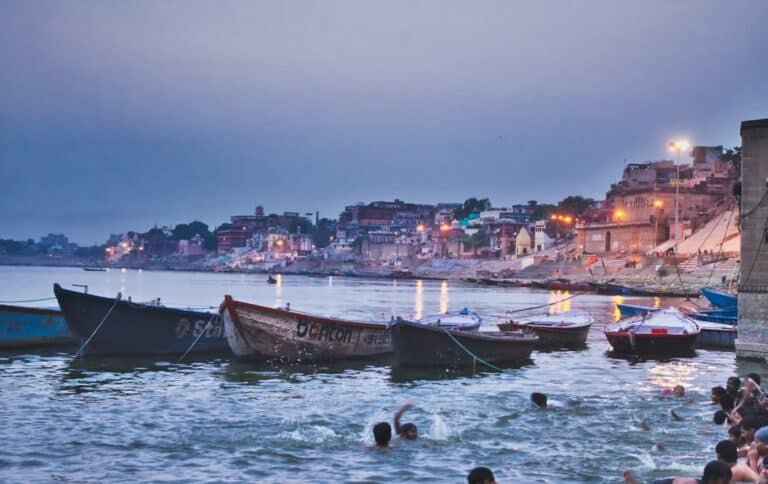
Why Is the Ganga Sacred?
The Ganga is river, goddess, pilgrimage route, purifier and national symbol. Tradivior will trace how these layers developed and evaluate modern claims about unusual self-purifying properties without confusing microbial findings…

Partially Supported
Why Do People Keep Ashes, Relics and Memorial Objects?
Hair, ashes, bones, clothing, photographs and relics allow the dead to remain materially present. Tradivior will examine why objects carry memory so powerfully and how continuing bonds differ from pathological…

Evidence Supported
Why Do Cultures Set Aside Days to Remember the Dead?
From Pitru Paksha and Qingming to Día de Muertos and All Souls’ Day, cultures repeatedly create calendar time for the dead. Tradivior will compare how recurring remembrance renews kinship, grief…

Historically Practical
Why Do Cultures Preserve the Dead?
Mummification, embalming, freezing, smoking and desiccation reflect very different beliefs about bodies and afterlives. Tradivior will compare preservation traditions with the chemistry of decomposition and the practical limits of each…
Picked for your curiosity
Enable JavaScript to build a reading profile and see recommendations.