 tradivior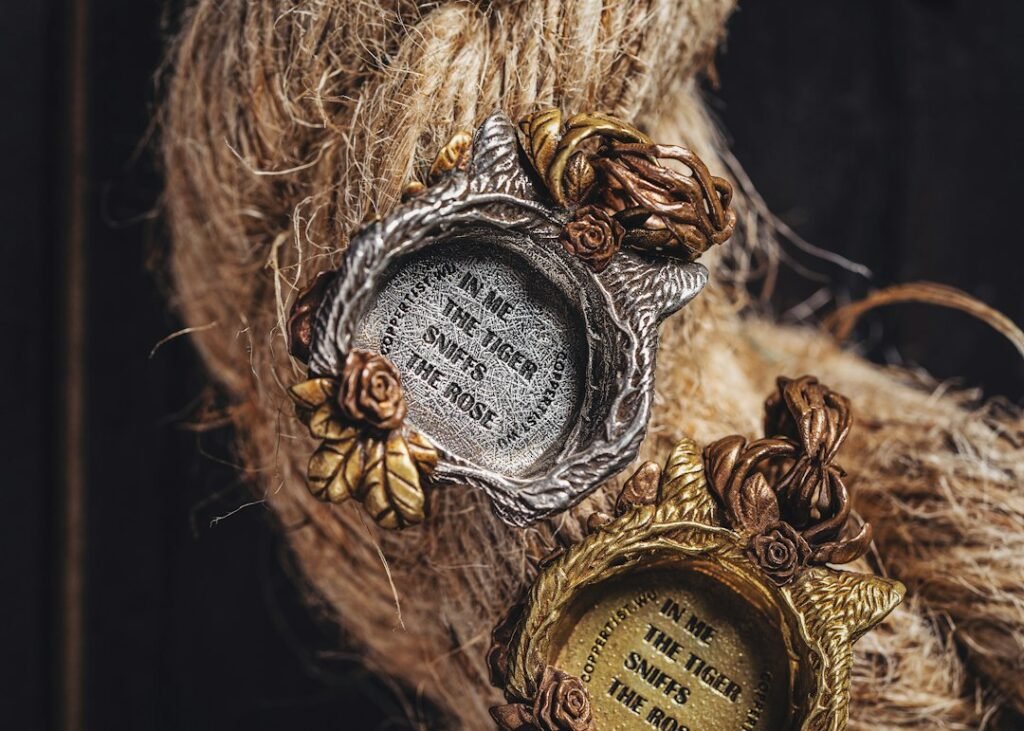
In this investigation
People keep ashes, relics and memorial objects because death removes a person from everyday interaction while leaving the relationship psychologically and socially active. Material objects give grief a location: something can be held, visited, inherited or displayed.
These objects range from cremated remains and saintly relics to photographs, jewelry, clothing and locks of hair. Their meanings differ, but all make absence materially present.
Objects anchor memory
Memory is strongly cue-dependent. A photograph, ring or familiar piece of clothing can trigger detailed autobiographical recall.
Memorial objects therefore work partly through ordinary memory mechanisms.
Cremated remains can keep location flexible
Ashes may be buried, scattered, immersed, stored in an urn or divided among family members depending on law and tradition.
This allows remembrance to be detached from one grave site.
Relics create sacred presence
In Buddhist and Christian traditions, bodily relics or objects associated with revered figures can become pilgrimage centers.
For believers, relics may represent more than memory; they can carry sacred presence or blessing.
Reliquaries turn remains into public institutions
Once relics are housed in stupas, shrines or churches, private death becomes collective heritage.
Architecture grows around the object.
Ordinary families create personal relics too
Locks of hair, letters, clothing and jewelry often become treasured after death even if they were mundane during life.
Death changes the object’s meaning without changing its material.
Continuing bonds are normal
Modern grief research rejects the older assumption that healthy mourning always requires completely “letting go” of the deceased.
Many people maintain symbolic relationships through memory, ritual and objects while adapting to loss.
Objects can help and also become difficult
A memorial item may comfort one person and intensify distress for another.
There is no universal prescription for how long or in what form remains should be kept.
Authenticity matters for relics
Relic traditions can generate disputes, duplication and fraud. Historical claims about provenance require documentary and scientific scrutiny where possible.
Religious value and historical authenticity are related but distinct questions.
DNA and forensic methods can sometimes identify remains
Modern science can test biological relationships or age in suitable material.
It cannot determine whether a relic carries spiritual power.
Digital memorial objects are emerging
Messages, photographs, social-media pages and voice recordings now function as persistent memorial archives.
The ancient desire to keep traces of the dead has moved into new media.
What survives scrutiny?
- Memorial objects provide powerful cues for autobiographical and family memory.
- Cremated remains allow flexible forms of burial, scattering and keeping.
- Relics can transform individual death into public religious heritage.
- Continuing bonds with the dead can be compatible with healthy grief.
- Relic authenticity can sometimes be historically or scientifically investigated.
- Claims of spiritual power remain theological rather than experimentally testable.
The Tradivior Evidence Profile
Historical Authenticity — Strong. Relics, ashes and memorial objects are widely documented.
Original-Purpose Evidence — Strong. Memory, sacred presence, mourning and identity are explicit.
Scientific Mechanism — Strong for memory, identity and continuing-bond mechanisms.
Experimental Evidence — Moderate to Strong for memory effects; metaphysical relic claims are not experimentally testable.
Cross-Cultural Evidence — Strong. Material remembrance appears globally.
Modern Relevance — Strong. Cremation, memorialization and digital remains are increasingly common.
The Tradivior Conclusion
People keep ashes, relics and memorial objects because relationships do not vanish at the same moment as biological life.
Objects give memory a stable material anchor. Science can explain cueing, provenance and grief processes; religious traditions may attribute additional sacred meaning that lies outside experimental testing.
Sources & further reading
- Klass D, Silverman PR, Nickman SL. Continuing Bonds.
- Religious-history literature on relics, stupas and reliquaries.
- Forensic and archaeological studies of human remains and provenance.
Continue exploring
Evidence Supported
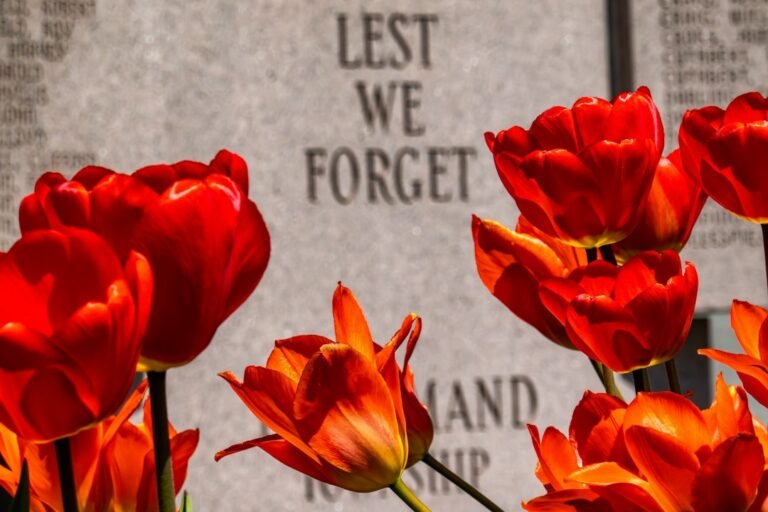
Why Do Cultures Set Aside Days to Remember the Dead?
From Pitru Paksha and Qingming to Día de Muertos and All Souls’ Day, cultures repeatedly create calendar time for the dead. Tradivior will compare how recurring remembrance renews kinship, grief…
Historically Practical
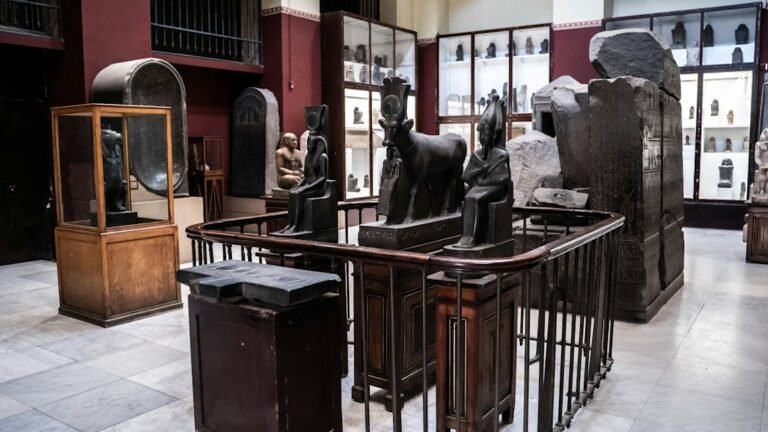
Why Do Cultures Preserve the Dead?
Mummification, embalming, freezing, smoking and desiccation reflect very different beliefs about bodies and afterlives. Tradivior will compare preservation traditions with the chemistry of decomposition and the practical limits of each…

Historically Practical
Why Did Cremation Become Central to Hindu Death Ritual?
Cremation has deep roots in many Hindu traditions but varies by community, age, status and circumstance. Tradivior will investigate its historical logic, environmental consequences and modern changes without treating one…
Primarily Symbolic/Cultural
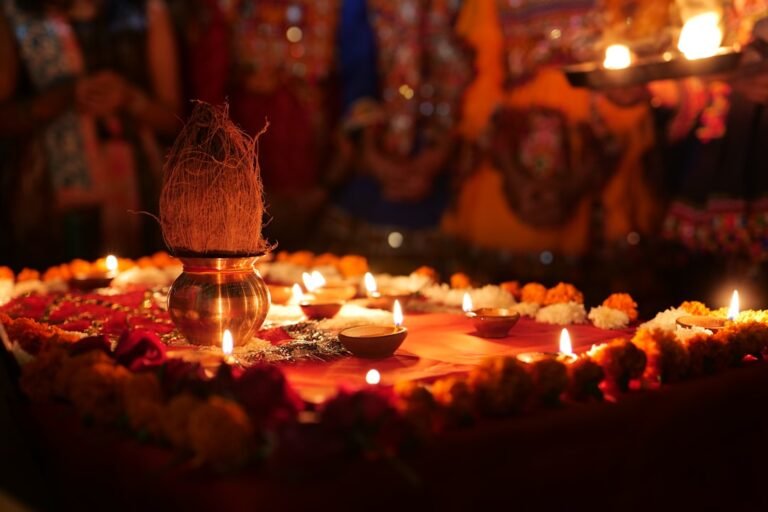
Why Do Hindus Perform Shraddha for Ancestors?
Shraddha links the living to ancestors through offerings, memory and obligations after death. Tradivior will trace its textual and regional history and examine how ancestor ritual structures grief and lineage…
Picked for your curiosity
Enable JavaScript to build a reading profile and see recommendations.