 tradivior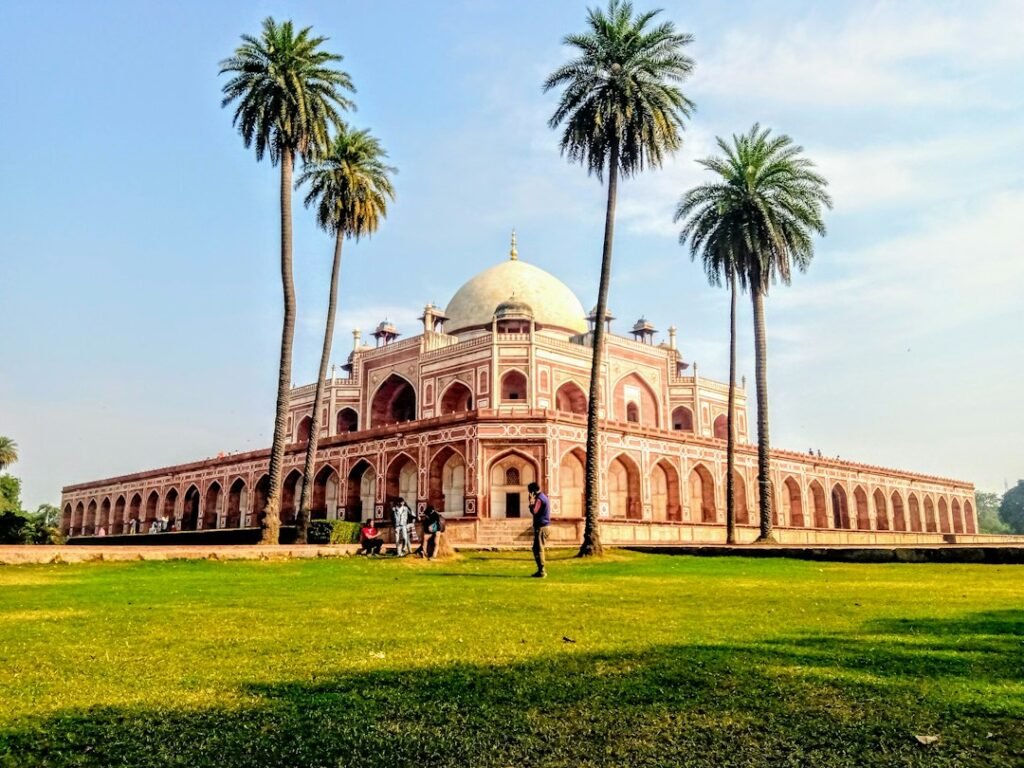
In this investigation
Monumental tombs turn private death into public landscape. Pyramids, tumuli, royal mausoleums, stupa-like commemorative forms and dynastic necropolises use architecture to make the dead visible long after the funeral has ended. The common thread is not one universal belief about the afterlife. It is the social power of permanence.
A monumental tomb can preserve memory, display rank, organize ritual, claim territory, legitimate descendants and make political authority appear to survive death. Different cultures emphasize those functions differently.
Death creates a problem of continuity
When a powerful ruler, lineage head or religious figure dies, the social system loses a living centre. Monumental burial architecture can stabilize that transition by giving memory a durable location.
The tomb becomes a place where descendants return, offerings continue, stories are repeated and authority is represented materially.
Egypt made kingship monumental after death
Old Kingdom Egypt offers the clearest example. The Step Pyramid complex of Djoser at Saqqara combined burial with cult buildings and spaces for the continuing rituals of kingship. The Metropolitan Museum notes that the complex aligned the dead king with divine and cosmic orders while providing a place for his funerary cult.
Later pyramid complexes standardized a broader ritual landscape of pyramid, mortuary temple, valley temple and causeway. The monument was therefore not simply a giant container for a corpse.
Monumentality makes hierarchy visible
Large tombs require labour, materials, organization and access to skilled specialists. Their scale can therefore communicate social difference even to people who cannot read an inscription.
Roman funerary culture used this logic in a different way. Tombs lined major roads outside cities, turning commemoration into a public encounter. Smarthistory notes that elaborate tombs and funerary portraits were central to Roman mortuary culture and social status.
The dead can remain politically useful
A dynasty can use a founder’s tomb to claim continuity. Visiting, repairing or expanding an ancestor’s monument publicly links the living ruler to a recognized predecessor.
Monumentality is especially useful because it converts genealogy into landscape. The political claim is no longer only spoken; it occupies land, controls approach routes and survives across generations.
Burial monuments can create sacred geography
Royal necropolises, saintly tombs and dynastic mausoleums can attract recurring pilgrimage and ritual. Once people return repeatedly, the route to the dead becomes a social institution of its own.
The monument may then acquire functions that exceed the original burial: festival centre, dynastic shrine, heritage symbol or national landmark.
Why spend so much on the dead?
From a narrow utilitarian perspective, monumental burial looks wasteful. Socially, however, the expenditure itself can be meaningful. Cost demonstrates commitment, status and the ability to mobilize resources.
Funerary display can also reinforce the position of the living family. Smarthistory’s discussion of Etruscan funerary banquets notes that ritual and display around burial could reaffirm the socio-economic standing of the deceased and relatives.
Memory needs material anchors
Human memory is strengthened by places, objects and repeated routes. A tomb gives descendants somewhere to return. Architecture therefore helps convert episodic grief into durable collective memory.
Monuments also outlast witnesses. Long after nobody remembers the deceased personally, the tomb can preserve a name, story or political identity.
Territory and visibility matter
A large tomb placed on a ridge, road, river approach or desert edge can dominate movement through a landscape. Visibility communicates that a lineage or ruler possesses both memory and place.
This does not mean every tomb was a territorial marker, but monumentality often makes political geography harder to ignore.
The architecture of mourning is not the same as the architecture of burial
Many monumental complexes separate the actual body from spaces used by the living. Burial chambers may be inaccessible while chapels, offering courts, processional routes or commemorative facades remain available for ritual.
This distinction explains why a tomb can remain socially active even when the grave itself is sealed.
Why mausoleums become landmarks
Once burial architecture reaches monumental scale, later communities may value it for reasons unrelated to the original funeral. A mausoleum can become an artistic masterpiece, pilgrimage destination, dynastic symbol or national icon.
The afterlife of the monument may therefore be much longer than the political system that created it.
Monumentality does not prove universal beliefs
It would be misleading to treat pyramids, tumuli, mausoleums and monumental tombs as evidence that all civilizations shared one doctrine about death. Some emphasized bodily preservation, others ancestor presence, dynastic legitimacy, saintly intercession or memorial display.
The cross-cultural similarity lies more securely in the social use of durable architecture than in any single theology.
What psychology and social science can add
Large scale changes perception. Monumental objects command attention, create awe and can make institutions feel durable. Collective-memory research likewise shows that shared places help communities organize stories about the past.
These mechanisms help explain persistence, but they do not establish the original intention of a particular tomb without historical evidence.
What survives scrutiny?
- Monumental tombs repeatedly combine burial with public memory and social display.
- Royal funerary complexes can preserve kingship and dynastic legitimacy after death.
- Funerary monuments often separate the inaccessible body from accessible ritual spaces.
- Scale can communicate rank, resource control and political continuity.
- Roadside, elevated or processional placement can make the dead part of everyday public geography.
- Different cultures attach very different afterlife beliefs to similar monumental forms.
- Modern theories of awe and collective memory illuminate effects but cannot replace site-specific historical evidence.
The Tradivior Evidence Profile
Historical Authenticity — Strong. Monumental tombs and mausoleums are extensively documented archaeologically across many civilizations.
Original-Purpose Evidence — Strong. Burial, funerary cult, ancestor commemoration, dynastic legitimacy and status display are directly attested at numerous sites.
Scientific Mechanism — Moderate. Monumental scale, visibility, spatial memory and repeated ritual plausibly strengthen collective memory and perceived authority.
Experimental Evidence — Limited. Psychology can test responses to monumentality and memory, but ancient political intentions cannot be experimentally reconstructed.
Cross-Cultural Evidence — Strong. Monumental commemoration recurs widely while its theology and social organization differ substantially.
Modern Relevance — Strong. Tombs and mausoleums continue to shape heritage, pilgrimage, identity and political memory.
The Tradivior Conclusion
Tombs become monumental when societies need death to remain publicly meaningful. The structure can preserve memory, ritualize authority, display status and make lineage visible in the landscape.
The strongest explanation is therefore social as well as religious. Monumental burial does not reveal one universal human doctrine of death; it reveals a recurring strategy for making relationships with the dead durable enough to organize the living.
Sources and further reading
- The Metropolitan Museum of Art: Egypt in the Old Kingdom, including Djoser’s funerary complex and pyramid development.
- Smarthistory: Roman funeral rituals and social status.
- Smarthistory: Tomb of the Triclinium, on funerary ritual and reinforcement of social standing.
- The Metropolitan Museum of Art publications on Middle Kingdom tomb architecture at Lisht.
Continue exploring
Partially Supported
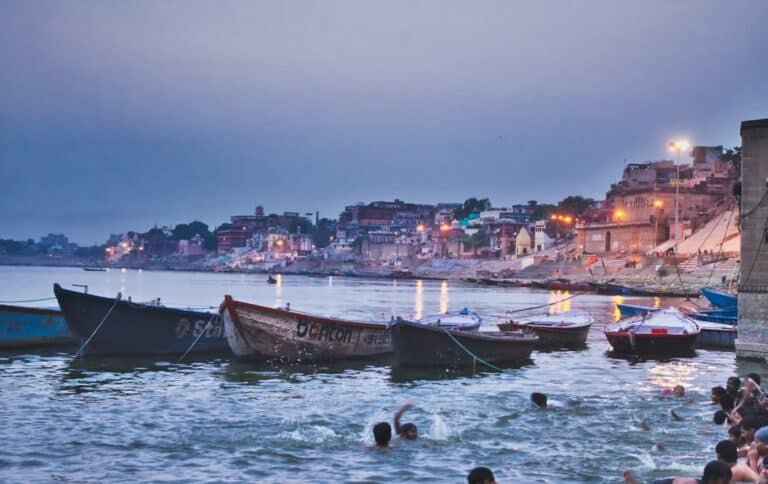
Why Is the Ganga Sacred?
The Ganga is river, goddess, pilgrimage route, purifier and national symbol. Tradivior will trace how these layers developed and evaluate modern claims about unusual self-purifying properties without confusing microbial findings…
Partially Supported
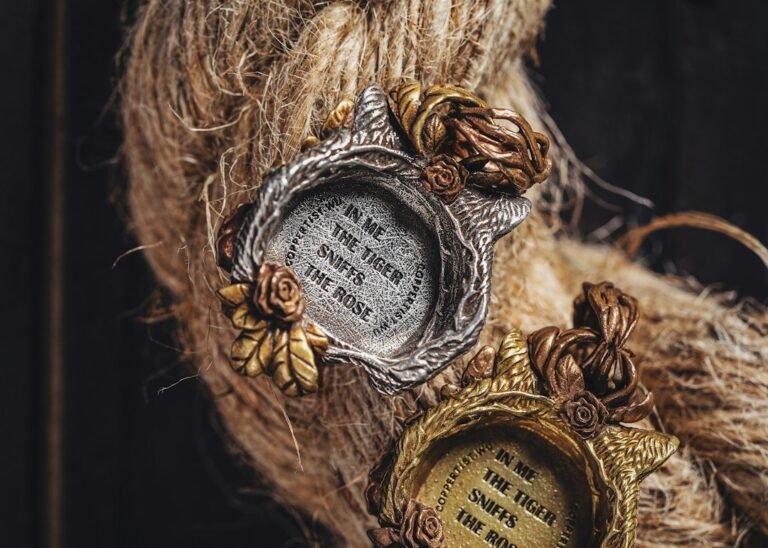
Why Do People Keep Ashes, Relics and Memorial Objects?
Hair, ashes, bones, clothing, photographs and relics allow the dead to remain materially present. Tradivior will examine why objects carry memory so powerfully and how continuing bonds differ from pathological…
Evidence Supported
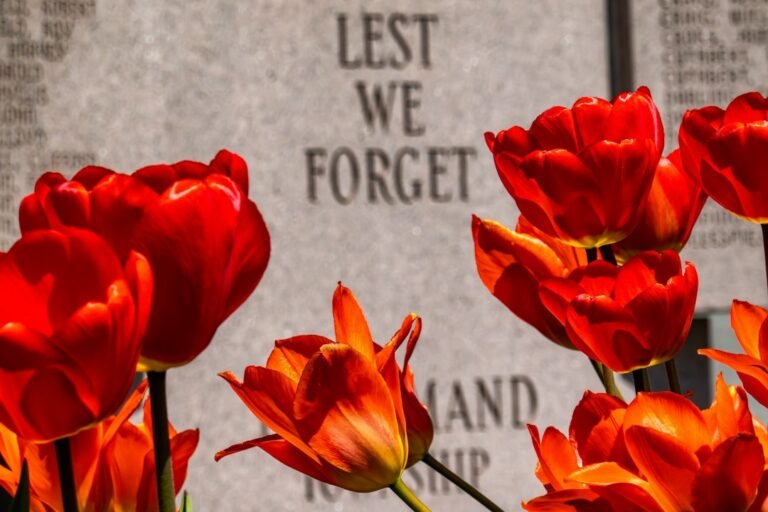
Why Do Cultures Set Aside Days to Remember the Dead?
From Pitru Paksha and Qingming to Día de Muertos and All Souls’ Day, cultures repeatedly create calendar time for the dead. Tradivior will compare how recurring remembrance renews kinship, grief…
Historically Practical
Why Do Cultures Preserve the Dead?
Mummification, embalming, freezing, smoking and desiccation reflect very different beliefs about bodies and afterlives. Tradivior will compare preservation traditions with the chemistry of decomposition and the practical limits of each…
Picked for your curiosity
Enable JavaScript to build a reading profile and see recommendations.