 tradivior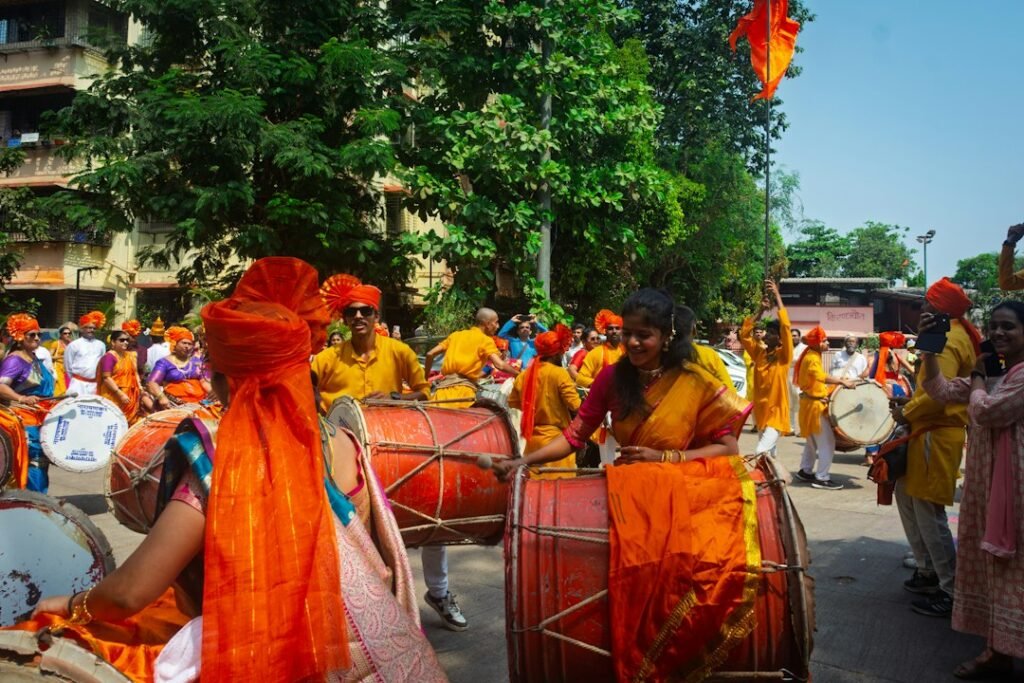
In this investigation
Drums drive trance and procession because rhythm organizes time in a way the body can join. Repeated beats can coordinate walking, dancing, chanting and breathing across large groups, while increasing arousal and narrowing attention.
Drumming does not create one universal altered state, and no single “trance frequency” explains ritual experience. Context, expectation, movement, fatigue, social meaning and musical structure all matter.
Rhythm is a coordination technology
A clear beat gives many people a common timing signal. Marchers can step together, dancers can synchronize and singers can align entrances.
Before electronic amplification, drums were especially useful outdoors because low-frequency energy and sharp transients carry well.
Processions need a portable clock
A moving crowd cannot constantly watch a leader. Repetitive percussion provides a shared temporal reference that travels with the group.
This helps explain the prominence of drums in military, civic and religious processions.
Entrainment links perception and movement
Humans naturally align movement with periodic sound. Finger tapping, walking and dancing all demonstrate sensorimotor synchronization.
Strong rhythm therefore recruits the body rather than remaining background sound.
Repetition can narrow attention
Highly repetitive rhythmic patterns reduce surprise. Attention may shift from analyzing new information toward bodily movement and the ongoing beat.
In a ritual context, this can contribute to absorption and changes in subjective time.
Arousal matters
Fast tempo, loudness, movement and social excitement can increase physiological arousal. Heart rate and breathing may rise, especially during vigorous dancing.
These bodily changes can intensify the perceived emotional force of a ceremony.
Trance is not one biological state
Anthropologists use “trance” for experiences ranging from focused absorption to possession, dissociation or ecstatic movement. These states differ culturally and physiologically.
It is therefore misleading to claim that drumming automatically switches the brain into one standardized mode.
Expectation shapes experience
Participants learn what a ritual is supposed to feel like. In possession traditions, they may also learn which music, gestures and social roles signal the onset of a spirit state.
The meaning of the rhythm is therefore taught as well as heard.
Does drumming entrain brainwaves?
Auditory rhythms can produce measurable neural responses and steady-state activity. But popular claims often leap from laboratory entrainment to sweeping assertions about healing, consciousness expansion or specific mystical states.
Neural synchronization to sound does not by itself prove therapeutic or spiritual outcomes.
Why drums can feel physically powerful
At high sound levels, low-frequency percussion can be felt in the body as vibration. This adds a tactile component to hearing.
Again, physical sensation is real without requiring an undefined energy explanation.
Collective drumming can strengthen belonging
Shared rhythm creates visible cooperation. Everyone must listen and adjust to others.
Research on synchrony suggests that coordinated action can increase affiliation and prosocial feelings.
Fatigue can intensify altered experience
Long rituals may combine drumming with dancing, sleep loss, fasting or emotional expectation. Any of these can affect perception.
Attributing the entire experience to one acoustic variable ignores this cumulative context.
What survives scrutiny?
- Drums efficiently synchronize movement in processions and dance.
- Rhythmic entrainment is a well-established sensorimotor phenomenon.
- Loudness, tempo and movement can increase arousal.
- Repetition can support absorption and altered subjective time.
- Trance is culturally variable and cannot be reduced to one brain state or frequency.
- Neural responses to rhythm do not establish broad healing or mystical claims.
The Tradivior Evidence Profile
Historical Authenticity — Strong. Drumming is deeply documented in ritual and procession across cultures.
Original-Purpose Evidence — Strong. Signaling, movement coordination, dance and ceremonial intensification are explicit functions.
Scientific Mechanism — Strong. Entrainment, arousal, synchrony and tactile vibration are established.
Experimental Evidence — Moderate to Strong. Sensorimotor synchronization and neural responses to rhythm are experimentally supported; trance outcomes are context-dependent.
Cross-Cultural Evidence — Strong. Percussive ritual is globally widespread.
Modern Relevance — Strong. Drumming remains central to religious, civic and musical procession.
The Tradivior Conclusion
Drums drive procession because they make collective timing audible, and they can contribute to trance because repetition, movement and arousal reshape attention.
The strongest evidence is for entrainment and social coordination, not for one mystical frequency. Ritual trance emerges from rhythm embedded in expectation, culture, movement and group experience.
Sources & further reading
- Large EW, Snyder JS. Research on neural entrainment to musical rhythm.
- Repp BH, Su YH. Reviews of sensorimotor synchronization.
- Becker J. Deep Listeners: Music, Emotion, and Trancing.
Continue exploring

Partially Supported
Why Is the Ganga Sacred?
The Ganga is river, goddess, pilgrimage route, purifier and national symbol. Tradivior will trace how these layers developed and evaluate modern claims about unusual self-purifying properties without confusing microbial findings…
Evidence Supported
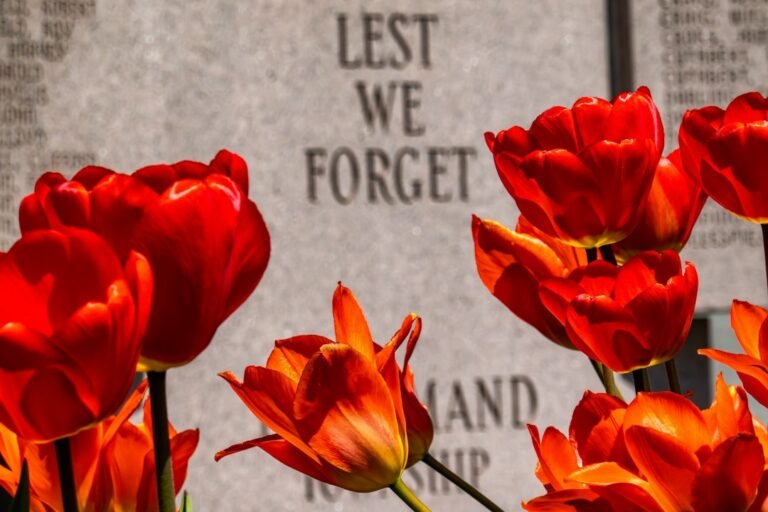
Why Do Cultures Set Aside Days to Remember the Dead?
From Pitru Paksha and Qingming to Día de Muertos and All Souls’ Day, cultures repeatedly create calendar time for the dead. Tradivior will compare how recurring remembrance renews kinship, grief…
Partially Supported
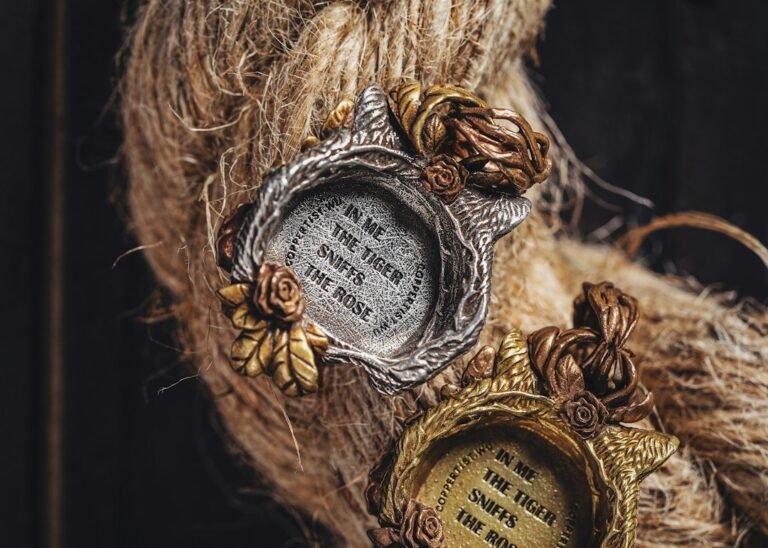
Why Do People Keep Ashes, Relics and Memorial Objects?
Hair, ashes, bones, clothing, photographs and relics allow the dead to remain materially present. Tradivior will examine why objects carry memory so powerfully and how continuing bonds differ from pathological…

Historically Practical
Why Did Cremation Become Central to Hindu Death Ritual?
Cremation has deep roots in many Hindu traditions but varies by community, age, status and circumstance. Tradivior will investigate its historical logic, environmental consequences and modern changes without treating one…
Picked for your curiosity
Enable JavaScript to build a reading profile and see recommendations.