 tradivior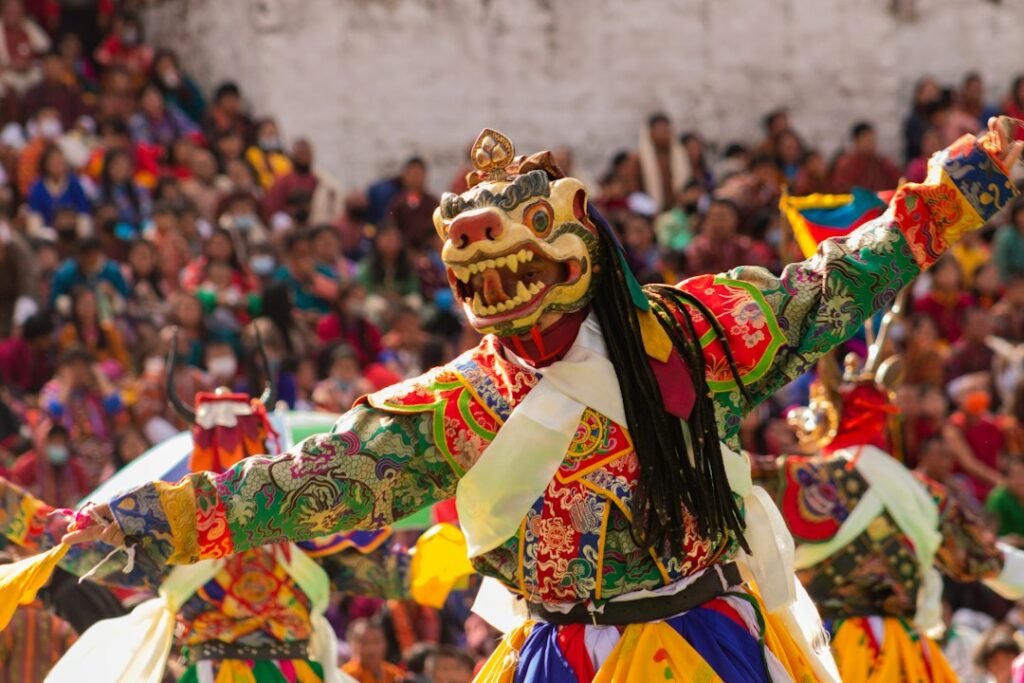
In this investigation
Humans dance in ritual because movement can make belief collective, visible and emotionally intense. Dance coordinates bodies, marks identity, dramatizes myth and allows participants to experience a ceremony rather than merely watch it.
Ritual dance ranges from restrained procession to ecstatic movement. Its functions differ across cultures, so no single evolutionary or neurological explanation is sufficient.
Dance turns symbolic ideas into bodily action
A myth can be narrated in words, but dance can embody roles, battles, fertility, mourning or divine presence through movement.
This gives ritual a visual grammar that can be learned even when participants do not share full textual knowledge.
Synchrony builds a group
Moving in time with others creates constant mutual adjustment. Experimental studies show that synchronized movement can increase affiliation, cooperation and perceived unity.
This is one reason line dances, circle dances and repeated group steps are common in ceremony.
Dance marks who belongs
Knowing the correct steps, costume and timing signals membership. Ritual dance can therefore function as embodied cultural memory.
Outsiders may see motion; insiders recognize lineage, role and story.
Effort makes commitment visible
Long rehearsals and physically demanding performances demonstrate investment. Costly participation can make ritual commitment credible to observers.
The body becomes evidence that the ceremony matters.
Repetition can create absorption
Repeated movement reduces deliberation and can shift attention toward rhythm, breath and bodily sensation.
Combined with music and crowd energy, this can produce intense states without requiring supernatural explanation.
But altered states are interpreted culturally
One dancer may describe ecstasy, another possession, another devotion. Similar bodily arousal can be given very different meanings.
Science can study movement and physiology without deciding the truth of a religious interpretation.
Ritual dance can preserve history
Communities encode genealogies, battles, migration stories and sacred narratives in choreography.
Performance transmits history through repeated enactment rather than through written archives alone.
Gender and hierarchy matter
Some dances are restricted by gender, age, caste, initiation or status. Participation can therefore reproduce social boundaries as well as solidarity.
A celebration of cohesion should not erase exclusion.
Why circles are common
Circle formations distribute attention across participants and reduce the importance of one front-facing audience. They also make synchronization easier.
The geometry is socially useful without requiring claims about sacred energy fields.
Can dance improve health?
Dance is physical activity and can benefit cardiovascular fitness, balance, mood and social engagement. Community dance programs sometimes improve wellbeing.
Those benefits are not proof that a particular ritual choreography has unique medical powers.
What survives scrutiny?
- Ritual dance turns religious narratives and identities into visible action.
- Synchronized movement can strengthen social affiliation.
- Repeated dance can support absorption and intense emotion.
- Dance preserves cultural memory through the body.
- Participation can also reinforce hierarchy and exclusion.
- Health benefits largely reflect physical activity and social participation rather than unique sacred mechanisms.
The Tradivior Evidence Profile
Historical Authenticity — Strong. Ritual dance is globally documented.
Original-Purpose Evidence — Strong. Worship, storytelling, initiation, mourning, celebration and identity are explicit purposes.
Scientific Mechanism — Strong. Synchrony, exercise, emotion regulation and embodied memory are well-supported.
Experimental Evidence — Moderate to Strong. Synchrony and dance-related wellbeing have experimental support, though specific rituals vary.
Cross-Cultural Evidence — Strong. Ritualized movement appears across societies.
Modern Relevance — Strong. Ritual dance remains active heritage and worship.
The Tradivior Conclusion
Humans dance in ritual because movement can coordinate a group while making invisible beliefs visible.
The evidence supports social synchrony, embodied memory and physical arousal. These mechanisms help explain ritual power without reducing every dance to exercise or claiming one universal mystical effect.
Sources & further reading
- Wiltermuth SS, Heath C. “Synchrony and cooperation.” Psychological Science. 2009.
- McNeill WH. Keeping Together in Time.
- Anthropological literature on dance, ritual and embodied cultural memory.
Continue exploring

Partially Supported
Why Is the Ganga Sacred?
The Ganga is river, goddess, pilgrimage route, purifier and national symbol. Tradivior will trace how these layers developed and evaluate modern claims about unusual self-purifying properties without confusing microbial findings…
Evidence Supported
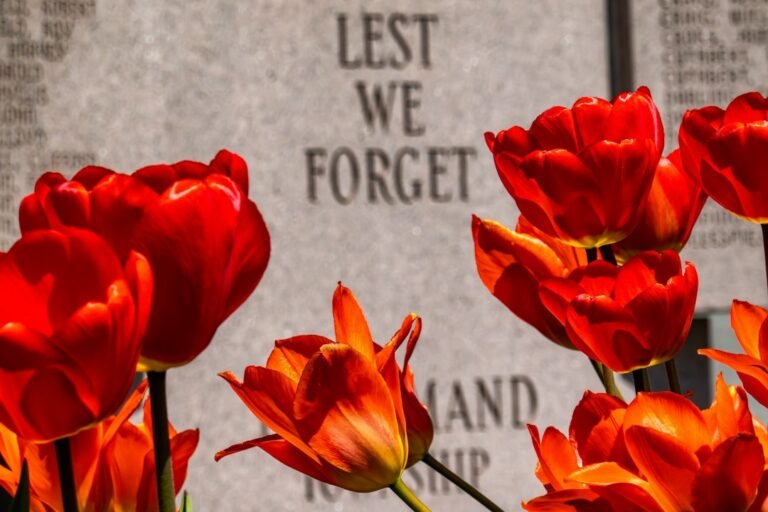
Why Do Cultures Set Aside Days to Remember the Dead?
From Pitru Paksha and Qingming to Día de Muertos and All Souls’ Day, cultures repeatedly create calendar time for the dead. Tradivior will compare how recurring remembrance renews kinship, grief…
Partially Supported
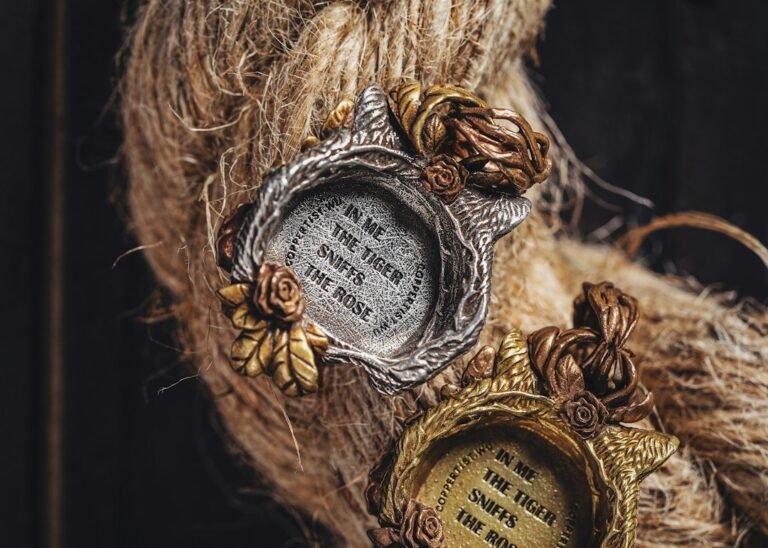
Why Do People Keep Ashes, Relics and Memorial Objects?
Hair, ashes, bones, clothing, photographs and relics allow the dead to remain materially present. Tradivior will examine why objects carry memory so powerfully and how continuing bonds differ from pathological…

Historically Practical
Why Did Cremation Become Central to Hindu Death Ritual?
Cremation has deep roots in many Hindu traditions but varies by community, age, status and circumstance. Tradivior will investigate its historical logic, environmental consequences and modern changes without treating one…
Picked for your curiosity
Enable JavaScript to build a reading profile and see recommendations.