 tradivior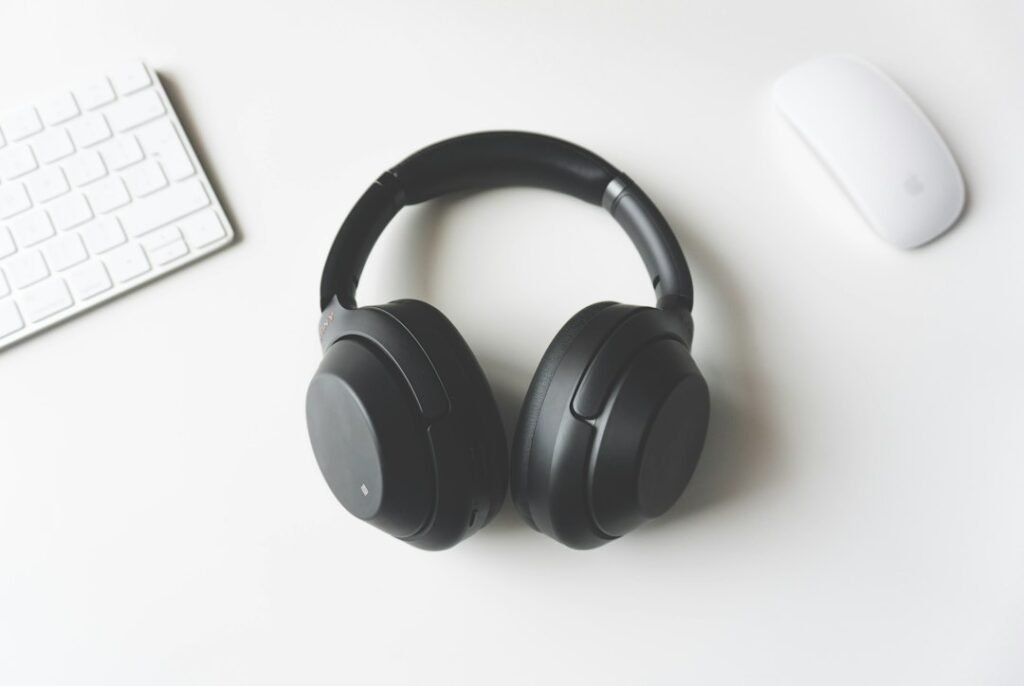
In this investigation
Sound can affect the body, but “sound healing” is too broad a phrase to evaluate as one claim. Music therapy, rhythmic auditory stimulation, ultrasound, shock waves, tinnitus treatments and ordinary relaxation audio all use sound in very different ways.
The scientifically responsible question is therefore: which sound, delivered how, for which condition, at what intensity, compared with what control?
Sound is mechanical energy
Sound consists of pressure waves travelling through a medium. Frequency, intensity, duration and waveform determine how tissues and the auditory system respond.
This basic physics is well established. The controversy begins when ordinary audible sound is assigned medical powers without adequate evidence.
Music can change mood and arousal
Listening to preferred music can alter emotional state, perceived stress and autonomic measures such as heart rate.
Clinical settings sometimes use music to reduce anxiety or improve patient experience.
Music therapy is a real clinical profession
Credentialed music therapists use structured musical interventions for defined therapeutic goals. Evidence supports benefits in some areas such as rehabilitation, anxiety, dementia care, pain coping and communication.
Effect sizes and certainty vary by condition, so “music helps” should never be translated into “music cures disease.”
Rhythmic auditory stimulation can assist movement
In neurological rehabilitation, rhythmic cues can help some people with Parkinson’s disease or stroke coordinate gait.
The mechanism is timing and motor entrainment, not a sacred frequency.
Ultrasound is sound used medically
Diagnostic ultrasound uses high-frequency acoustic waves to image tissues. Therapeutic and focused ultrasound can heat, disrupt or target tissue under controlled conditions.
These technologies demonstrate that sound can produce biological effects—but at intensities and frequencies very different from singing bowls or ordinary music.
Shock-wave therapy is another acoustic intervention
Extracorporeal shock-wave therapy uses high-energy pressure pulses for selected musculoskeletal conditions and other medical applications.
Its existence cannot be used as evidence that low-intensity ritual sound has the same effects.
Audible sound can also harm
High sound exposure damages hearing. Loud music, explosions and occupational noise can injure sensory cells and contribute to tinnitus.
Any claim that “sound is inherently healing” ignores this dose-dependent reality.
What about singing bowls?
Small studies often report relaxation or improved mood after singing-bowl sessions. Many lack strong controls, blinding or large samples.
The evidence is compatible with relaxation effects but not with claims of treating major disease through specific resonant frequencies.
What about 432 Hz and 528 Hz?
These tuning claims are popular online. A few small studies compare listening conditions, but the evidence base is too limited to establish unique therapeutic effects.
Listeners can prefer one tuning without that tuning becoming a medical treatment.
Resonance is often misunderstood
Physical systems have resonant frequencies, but a human body is not one simple resonator with a single “healing frequency.” Tissues differ, damping is substantial and anatomy is complex.
Using the word resonance does not itself provide a mechanism.
Can vibration therapy be useful?
Mechanical vibration platforms and vibroacoustic interventions are researched for selected outcomes. Some may influence muscle, circulation or relaxation.
Again, device parameters matter. Evidence from one vibration method cannot validate all sound-healing practices.
Placebo and expectancy matter
Relaxing environments, practitioner attention, expectation and ritual can improve subjective wellbeing even if a proposed frequency mechanism is wrong.
Recognizing expectancy effects does not mean the experience is fake; it means causal explanations must be precise.
Why ancient instruments should not be retrofitted into modern therapy
Gongs, bells, chants and drums had religious, social and musical purposes. Claiming they were secretly designed as biomedical devices usually lacks historical evidence.
Modern therapeutic research can study them without rewriting their original meaning.
What survives scrutiny?
- Sound can produce biological effects, and dose matters.
- Music therapy has evidence for selected clinical and psychosocial outcomes.
- Rhythmic auditory cueing can assist movement in some neurological conditions.
- Medical ultrasound and shock waves demonstrate powerful acoustic effects under controlled conditions.
- Loud sound can damage hearing.
- Evidence for singing bowls and specific “healing frequencies” remains limited.
- One valid acoustic therapy does not validate every sound-healing claim.
The Tradivior Evidence Profile
Historical Authenticity — Strong for traditional sound practices; Variable for modern healing interpretations.
Original-Purpose Evidence — Mixed. Music, ritual and signaling are historically strong; biomedical intent is often retrospective.
Scientific Mechanism — Mixed. Strong for some clinical acoustic and music interventions; weak for universal frequency claims.
Experimental Evidence — Mixed. Good evidence exists for selected medical uses, while many wellness claims rely on small or uncontrolled studies.
Cross-Cultural Evidence — Strong. Healing rituals use sound widely, but mechanisms and claims differ.
Modern Relevance — Strong. Sound-based wellness claims are widespread and need careful differentiation from evidence-based therapy.
The Tradivior Conclusion
Yes, sound can affect and sometimes help the body—but that statement is meaningful only when the intervention and outcome are specified.
Music therapy, rhythmic cueing and medical ultrasound have evidence in defined contexts. Claims that one audible frequency universally heals organs, DNA or disease do not. The scientifically useful position is neither dismissal nor blanket validation; it is claim-by-claim testing.
Sources & further reading
- Cochrane reviews of music interventions for selected clinical conditions.
- Clinical literature on rhythmic auditory stimulation in neurological rehabilitation.
- Medical literature on diagnostic and focused ultrasound and extracorporeal shock-wave therapy.
- Systematic reviews of singing-bowl and vibroacoustic interventions.
Continue exploring

Partially Supported
Why Is the Ganga Sacred?
The Ganga is river, goddess, pilgrimage route, purifier and national symbol. Tradivior will trace how these layers developed and evaluate modern claims about unusual self-purifying properties without confusing microbial findings…
Partially Supported
Why Do People Keep Ashes, Relics and Memorial Objects?
Hair, ashes, bones, clothing, photographs and relics allow the dead to remain materially present. Tradivior will examine why objects carry memory so powerfully and how continuing bonds differ from pathological…

Evidence Supported
Why Do Cultures Set Aside Days to Remember the Dead?
From Pitru Paksha and Qingming to Día de Muertos and All Souls’ Day, cultures repeatedly create calendar time for the dead. Tradivior will compare how recurring remembrance renews kinship, grief…
Historically Practical
Why Do Cultures Preserve the Dead?
Mummification, embalming, freezing, smoking and desiccation reflect very different beliefs about bodies and afterlives. Tradivior will compare preservation traditions with the chemistry of decomposition and the practical limits of each…
Picked for your curiosity
Enable JavaScript to build a reading profile and see recommendations.