 tradivior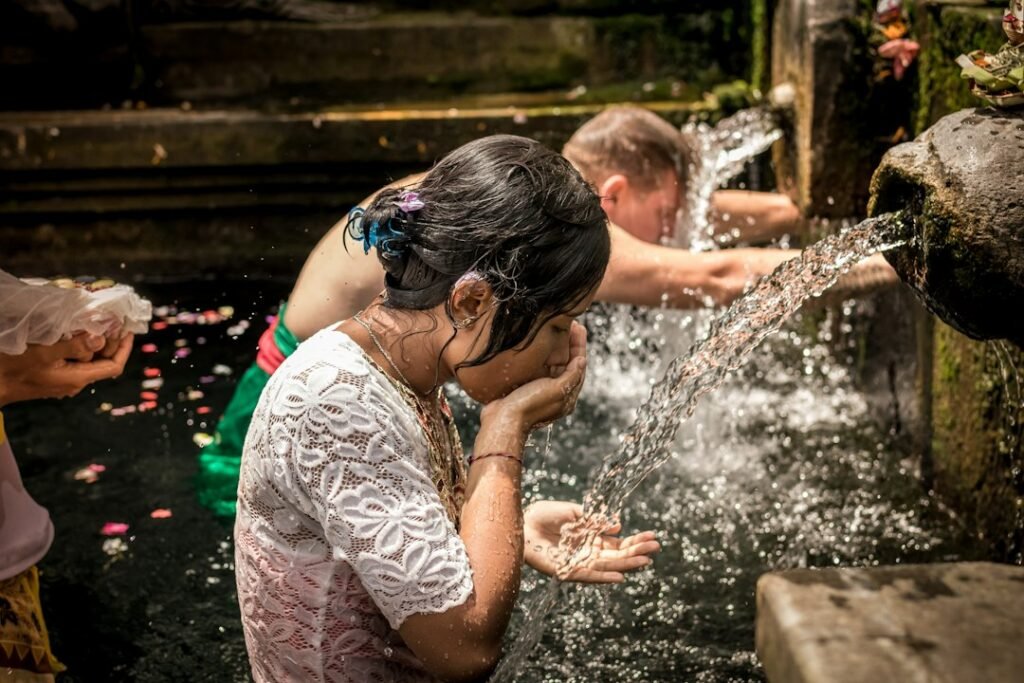
In this investigation
Religions purify with water because washing is one of the clearest physical metaphors humans possess. Dirt can be visibly removed from the body, so water readily becomes a symbol for removing moral, ritual or spiritual impurity.
That symbolic logic appears in Hindu bathing, Islamic wudu and ghusl, Jewish mikveh, Christian baptism, Shinto misogi and many other traditions. Similar material does not mean identical theology.
Water physically cleans
Water removes sweat, dust and many contaminants, especially when combined with friction and soap. This ordinary effect makes it an intuitive medium for symbolic cleansing.
Ritual purity is not the same as hygiene
A person can be ritually pure according to a religious system while still carrying microbes, or hygienically clean without meeting ritual requirements.
Confusing those categories produces poor history and poor public health.
Purification marks transitions
Many traditions require washing before entering sacred space, praying, handling sacred objects or returning from states associated with death, sex or bodily fluids.
The water marks a boundary between ordinary and sacred action.
Islamic ablution combines sequence and intention
Wudu has a defined order involving parts of the body before prayer, while ghusl involves fuller washing in specified circumstances.
Its religious purpose is preparation for worship, not merely cleanliness.
Jewish mikveh emphasizes ritual status
Immersion in a mikveh can mark conversion, family-purity transitions and other states. The water must meet traditional legal requirements.
This makes clear that ritual water is governed by theology rather than by modern sanitation standards.
Christian baptism changes identity
Baptism uses water to mark initiation, repentance, death and rebirth in Christ depending on denomination and theology.
The practice is not best explained as a hygiene custom.
Shinto purification uses water before approach
Temizu at shrines cleans hands and mouth in a prescribed way before worship, while misogi can involve fuller water purification.
The act prepares the worshipper socially and ritually.
Water can alter attention
A repeated washing sequence slows entry into ritual and gives participants a predictable transition. This can help focus attention.
The effect is psychologically plausible without proving any invisible contaminant was physically removed.
Does ritual washing reduce infection?
Sometimes, depending on method, frequency, water quality and whether soap is used. Handwashing can reduce transmission of infectious agents.
But ritual washing with contaminated water can also create risk. The health effect must be measured rather than assumed.
Shared water can become a transmission route
Communal basins, tanks or rivers may contain pathogens. Sacred status does not sterilize water.
Public health and ritual respect must therefore coexist.
Why flowing water is often preferred
Flow visually carries material away, making it a powerful image of removal and renewal.
That symbolism can develop independently in many societies because the perceptual experience is obvious.
What survives scrutiny?
- Water is a cross-cultural medium of ritual purification.
- Physical cleaning and ritual purity overlap but are not identical.
- Washing sequences can mark transitions and focus attention.
- Handwashing has real hygiene benefits under appropriate conditions.
- Sacred water can still be microbiologically unsafe.
- Each tradition’s theology must be interpreted on its own terms.
The Tradivior Evidence Profile
Historical Authenticity — Strong. Ritual washing is widely documented across religions.
Original-Purpose Evidence — Strong. Preparation, initiation, purity and transition are explicit.
Scientific Mechanism — Strong for hygiene where washing occurs; Moderate for psychological transition.
Experimental Evidence — Strong for hygiene; Moderate for ritual-context effects.
Cross-Cultural Evidence — Strong. Water purification recurs globally.
Modern Relevance — Strong. Ritual washing remains widespread and intersects with public health.
The Tradivior Conclusion
Religions purify with water because water does something both physically obvious and symbolically powerful: it removes what is on the surface and carries it away.
That material fact supports, but does not explain away, religious meanings. Hygiene can be real, ritual purity can be real within theology, and the two should not be confused.
Sources & further reading
- WHO guidance on hand hygiene and water safety.
- Comparative scholarship on ritual purification and ablution.
- Religious legal and liturgical sources on wudu, mikveh, baptism and misogi.
Continue exploring
Partially Supported
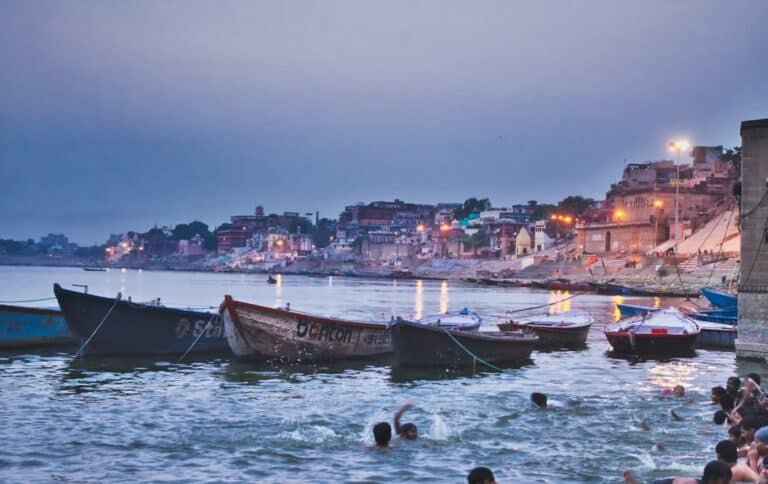
Why Is the Ganga Sacred?
The Ganga is river, goddess, pilgrimage route, purifier and national symbol. Tradivior will trace how these layers developed and evaluate modern claims about unusual self-purifying properties without confusing microbial findings…
Partially Supported
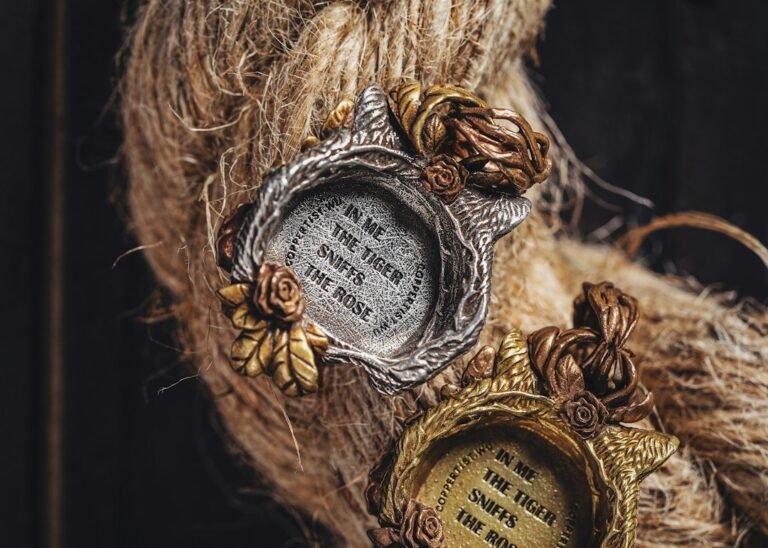
Why Do People Keep Ashes, Relics and Memorial Objects?
Hair, ashes, bones, clothing, photographs and relics allow the dead to remain materially present. Tradivior will examine why objects carry memory so powerfully and how continuing bonds differ from pathological…
Evidence Supported
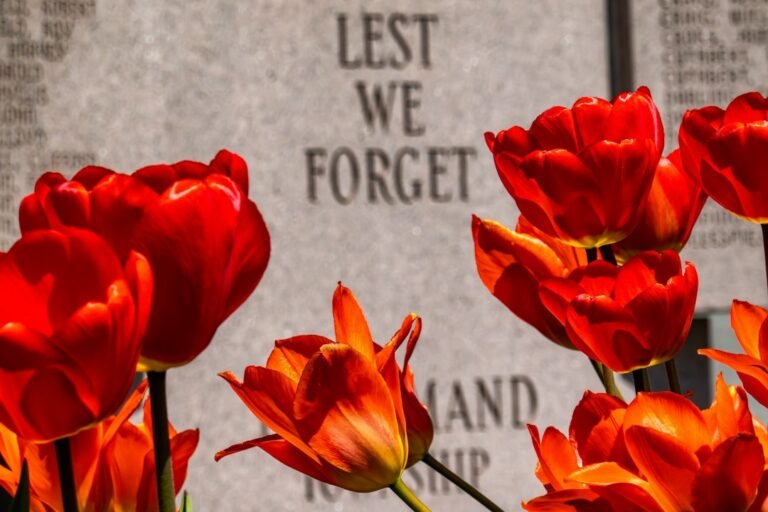
Why Do Cultures Set Aside Days to Remember the Dead?
From Pitru Paksha and Qingming to Día de Muertos and All Souls’ Day, cultures repeatedly create calendar time for the dead. Tradivior will compare how recurring remembrance renews kinship, grief…

Historically Practical
Why Did Cremation Become Central to Hindu Death Ritual?
Cremation has deep roots in many Hindu traditions but varies by community, age, status and circumstance. Tradivior will investigate its historical logic, environmental consequences and modern changes without treating one…
Picked for your curiosity
Enable JavaScript to build a reading profile and see recommendations.