 tradivior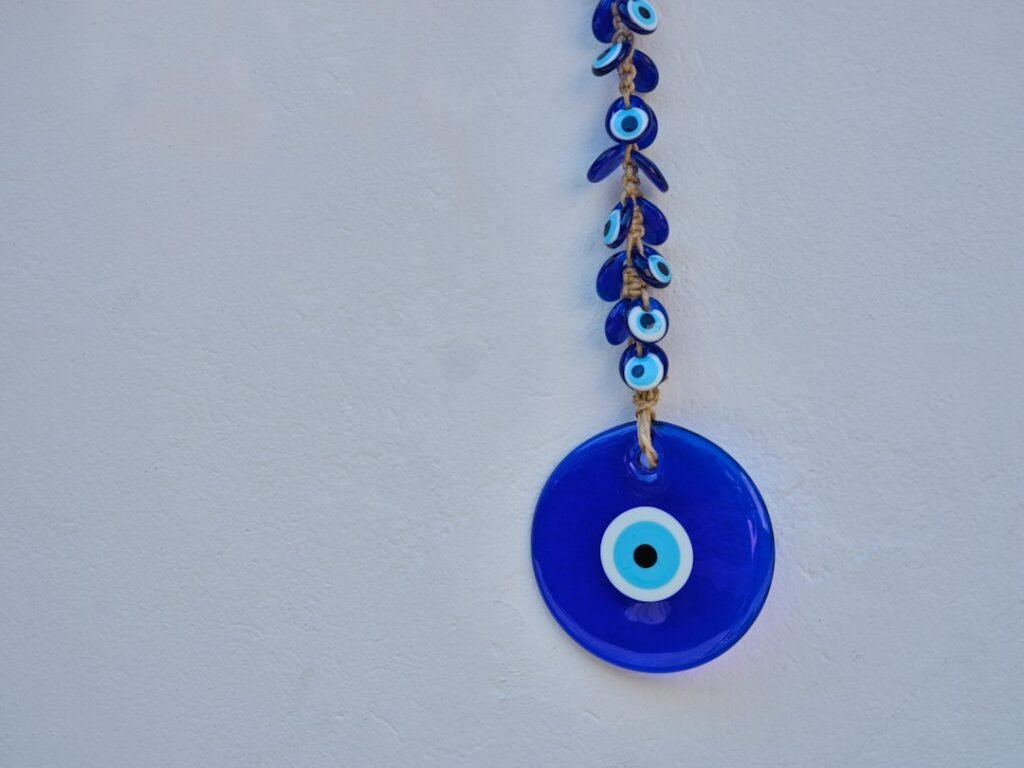
In this investigation
The evil eye is found across cultures because envy is socially dangerous and the human gaze is an obvious symbol of attention. From the Mediterranean and Middle East to South Asia and Latin America, people have feared that admiration, jealousy or hostile looking can bring harm.
The belief is historically real and socially powerful. What is not established is a physical mechanism by which an ordinary gaze transmits harmful energy.
Envy creates a real social problem
Visible success can attract resentment. Wealth, beauty, fertility and healthy children are common targets of evil-eye concern because they are socially valued and vulnerable.
Belief gives communities a language for managing the risks of display.
Compliments can feel dangerous
In some cultures, praising a child or possession without a protective phrase is considered risky.
The custom encourages speakers to temper admiration with blessing or humility.
Protective symbols externalize the threat
Blue-eye beads, nazar symbols, black dots, threads, hands and prayers make protection visible.
The object communicates that the wearer recognizes and manages social risk.
India has multiple evil-eye traditions
Concepts such as nazar or drishti appear in many Indian communities. Protective practices may include kajal marks, chilies and limes, ritual waving or spoken blessings.
These customs vary regionally and religiously.
The Mediterranean tradition is ancient
Greek and Roman sources contain long histories of harmful-gaze beliefs, and eye-shaped protective objects occur archaeologically.
The idea therefore long predates modern internet spirituality.
Why eyes make a compelling symbol
Humans are unusually sensitive to gaze direction. We quickly detect when someone is looking at us.
This makes the eye a natural cultural symbol for social attention, surveillance and threat.
Can belief cause symptoms?
Yes, through expectation. Nocebo effects can produce real distress when people believe they have been exposed to something harmful.
This does not show that another person’s gaze emitted a harmful force; it shows that belief can affect experience.
Belief can change social behaviour
Families may hide wealth, minimize praise or perform protective rituals. Those actions can reduce conflict or reinforce conformity.
The evil eye therefore has real social consequences regardless of supernatural causation.
Why children are frequent targets
Infants are vulnerable and highly valued, while illness can arise suddenly. Before modern medicine, unexplained childhood sickness demanded explanation.
Evil-eye belief offered a culturally available cause and response.
Can protective rituals help?
They can reassure participants and mobilize family attention. But they should not delay medical assessment when a child or adult is ill.
Symbolic protection and evidence-based care need not be enemies.
What survives scrutiny?
- Evil-eye beliefs are historically widespread and ancient.
- They cluster around envy, admiration, vulnerability and social display.
- Human sensitivity to gaze makes eyes powerful symbols of attention.
- Nocebo and expectancy effects can create real distress.
- Protective customs can regulate praise and display.
- No established physical mechanism shows that an ordinary gaze transmits harmful energy.
The Tradivior Evidence Profile
Historical Authenticity — Strong. Evil-eye traditions are documented across the Mediterranean, Middle East, South Asia and beyond.
Original-Purpose Evidence — Strong. Protection from envy and harmful attention is explicit.
Scientific Mechanism — Moderate for social-psychological mechanisms; Weak for supernatural transmission.
Experimental Evidence — Moderate for belief effects; Weak for causal gaze claims.
Cross-Cultural Evidence — Strong. The motif is exceptionally widespread.
Modern Relevance — Strong. Evil-eye symbols and rituals remain common globally.
The Tradivior Conclusion
The evil eye persists because envy is real, gaze is socially meaningful and vulnerable success attracts anxiety.
Those mechanisms explain much of the belief’s durability. They do not establish a physical harmful ray emitted by another person’s eyes. The tradition is socially real even when the supernatural mechanism remains unsupported.
Sources & further reading
- Dundes A, ed. The Evil Eye: A Casebook.
- Classical and anthropological scholarship on Mediterranean and South Asian evil-eye traditions.
- Psychological literature on nocebo effects, envy and gaze perception.
Continue exploring

Partially Supported
Why Is the Ganga Sacred?
The Ganga is river, goddess, pilgrimage route, purifier and national symbol. Tradivior will trace how these layers developed and evaluate modern claims about unusual self-purifying properties without confusing microbial findings…
Partially Supported
Why Do People Keep Ashes, Relics and Memorial Objects?
Hair, ashes, bones, clothing, photographs and relics allow the dead to remain materially present. Tradivior will examine why objects carry memory so powerfully and how continuing bonds differ from pathological…

Evidence Supported
Why Do Cultures Set Aside Days to Remember the Dead?
From Pitru Paksha and Qingming to Día de Muertos and All Souls’ Day, cultures repeatedly create calendar time for the dead. Tradivior will compare how recurring remembrance renews kinship, grief…

Historically Practical
Why Did Cremation Become Central to Hindu Death Ritual?
Cremation has deep roots in many Hindu traditions but varies by community, age, status and circumstance. Tradivior will investigate its historical logic, environmental consequences and modern changes without treating one…
Picked for your curiosity
Enable JavaScript to build a reading profile and see recommendations.