 tradivior
In this investigation
Cultures isolate people after birth, death or illness because transitions and contamination are difficult to interpret and manage. Separation can protect a vulnerable mother, contain infection, organize mourning or mark ritual impurity—but the same outward practice can arise from very different reasons.
It is therefore misleading to claim that every traditional isolation rule was secretly quarantine. Some had genuine protective effects; others were symbolic, social or even harmful.
Illness creates an obvious case for separation
People long noticed that some diseases spread between individuals even before microbes were understood. Avoiding the sick could reduce transmission.
Historical quarantine systems eventually formalized this observation.
Quarantine is effective only for certain diseases
Isolation helps when transmission occurs from infected people during the separation period. It is less useful when disease is not contagious or when transmission occurs before symptoms.
The mechanism must match the pathogen.
Birth creates vulnerability without being disease
Postpartum mothers need recovery, rest, nutrition and support. Newborns are immunologically vulnerable.
Temporary reduction in visitors can therefore have practical value even when the accompanying purity beliefs are not biomedical.
Postpartum confinement can help or harm
Rest, food support and reduced workload can be beneficial. Extreme dietary restriction, poor ventilation or delayed medical care can be harmful.
The health effect depends on the actual practice.
Death isolation often concerns ritual status
Many cultures treat close relatives or the household of the dead as temporarily set apart.
This may organize grief and social transition rather than prevent infection.
Corpses are not uniformly infectious
Most dead bodies do not pose a major epidemic risk, though certain infections require precautions.
General fear of corpses should not be justified with exaggerated disease claims.
Isolation can protect ritual focus
Separating mourners or new parents reduces ordinary obligations and gives a community recognized time for transition.
This social function can be important even without a health mechanism.
Stigma is the danger
Isolation can become exclusion. People with leprosy, HIV, mental illness or menstruation have historically faced severe stigma under contamination narratives.
Public health must distinguish necessary infection control from social rejection.
COVID-19 clarified the distinction
Modern quarantine and isolation are based on transmission evidence, incubation periods and risk assessment.
The pandemic showed that separation can be scientifically justified while still carrying psychological and social costs.
What survives scrutiny?
- Some traditional illness isolation can reduce contagious disease spread.
- Postpartum seclusion can provide rest and reduce exposure but can also create harms.
- Death-related separation is often primarily ritual and social.
- Not all corpses are major infection hazards.
- Isolation can organize transitions as well as manage contamination.
- Stigma should not be confused with evidence-based infection control.
The Tradivior Evidence Profile
Historical Authenticity — Strong. Isolation practices after illness, birth and death are widely documented.
Original-Purpose Evidence — Strong but variable. Protection, purity, recovery, mourning and contagion concerns all appear.
Scientific Mechanism — Mixed: Strong for infection control in some contexts; Strong for social boundary effects.
Experimental Evidence — Strong for quarantine principles; Variable for traditional isolation rules.
Cross-Cultural Evidence — Strong. Seclusion practices recur widely.
Modern Relevance — Strong. Infection control, postpartum care and stigma remain contemporary issues.
The Tradivior Conclusion
Traditional isolation sometimes protected health, sometimes structured social transition, and sometimes did both.
The evidence-led approach is to identify the actual pathway case by case. A rule is not ancient quarantine merely because it involves separation, and a symbolic practice is not meaningless merely because it lacks a microbiological mechanism.
Sources & further reading
- WHO and CDC literature on isolation and quarantine principles.
- WHO guidance on postpartum and newborn care.
- Anthropological scholarship on death pollution and postpartum seclusion.
Continue exploring

Partially Supported
Why Is the Ganga Sacred?
The Ganga is river, goddess, pilgrimage route, purifier and national symbol. Tradivior will trace how these layers developed and evaluate modern claims about unusual self-purifying properties without confusing microbial findings…
Partially Supported
Why Do People Keep Ashes, Relics and Memorial Objects?
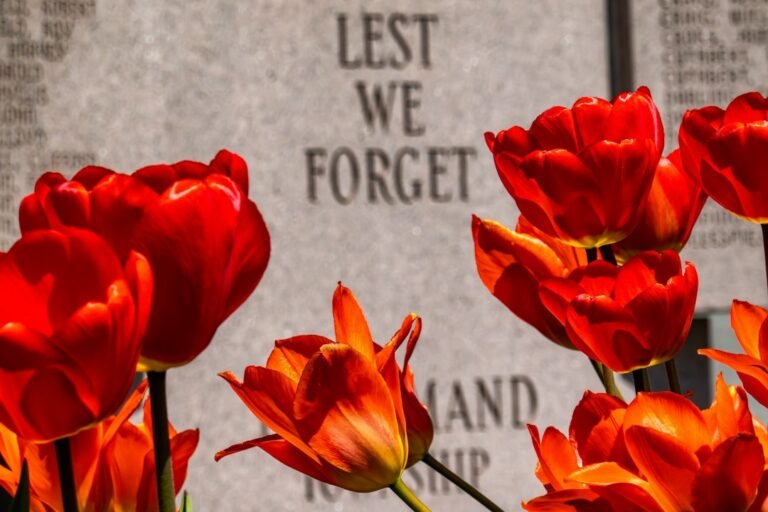
Hair, ashes, bones, clothing, photographs and relics allow the dead to remain materially present. Tradivior will examine why objects carry memory so powerfully and how continuing bonds differ from pathological…
Evidence Supported
Why Do Cultures Set Aside Days to Remember the Dead?
From Pitru Paksha and Qingming to Día de Muertos and All Souls’ Day, cultures repeatedly create calendar time for the dead. Tradivior will compare how recurring remembrance renews kinship, grief…

Historically Practical
Why Do Cultures Preserve the Dead?
Mummification, embalming, freezing, smoking and desiccation reflect very different beliefs about bodies and afterlives. Tradivior will compare preservation traditions with the chemistry of decomposition and the practical limits of each…
Picked for your curiosity
Enable JavaScript to build a reading profile and see recommendations.