 tradivior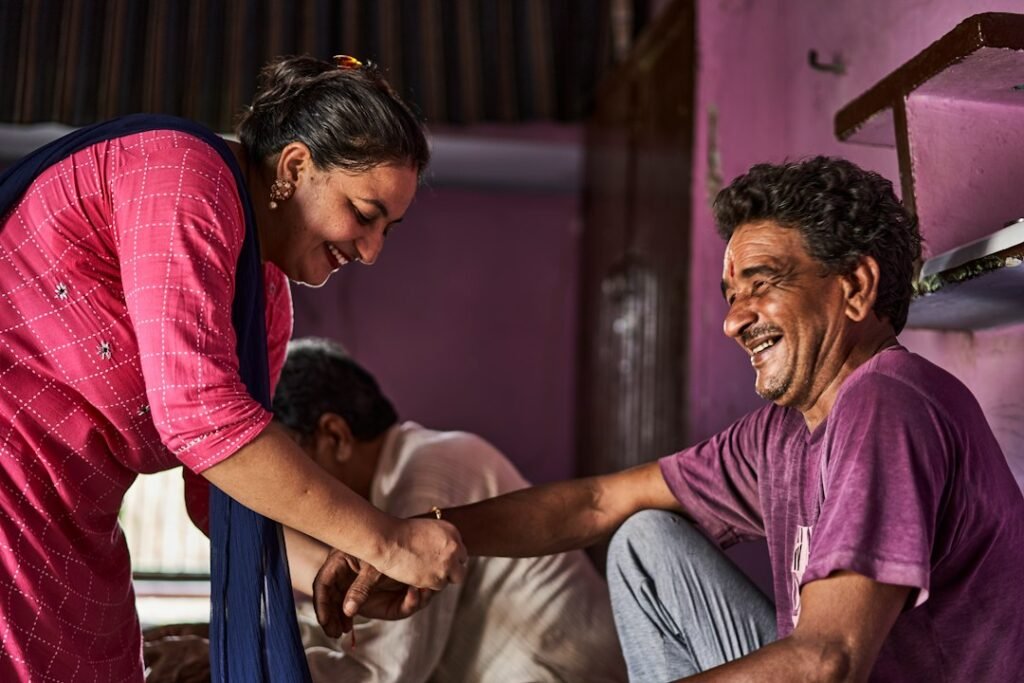
In this investigation
Humans fear ageing yet honour elders because ageing carries two opposing signals at once: declining physical capacity and accumulated social knowledge. The body becomes more vulnerable with age, while experience, memory, property, kinship authority and cultural knowledge may increase.
Societies therefore oscillate between reverence and marginalization rather than holding one universal attitude toward old age.
Ageing is biologically real
Risk of many chronic diseases rises with age, while muscle mass, bone density, sensory function and recovery capacity can decline.
Fear of dependency and mortality therefore has a material basis.
But decline is not uniform
People age at different rates. Cognitive, physical and social abilities vary widely among older adults.
Treating age itself as a diagnosis creates harmful stereotypes.
Elders accumulate historical memory
In oral societies especially, older adults may retain genealogies, ritual knowledge, ecological observations and dispute history that younger people have not yet acquired.
This makes longevity socially valuable.
Property can increase elder authority
Where land, livestock or household resources remain under senior control, age can bring political power.
Respect may therefore reflect economics as well as wisdom.
Grandparents can contribute to family survival
Anthropological and evolutionary research has examined the role of grandparents in childcare, food sharing and knowledge transmission.
These contributions vary across societies but can be substantial.
Why cultures ritualize elder respect
Honorific language, seating order, foot touching and consultation rules make age hierarchy visible.
These customs can preserve social order while sometimes suppressing younger voices.
Ageism is the reverse problem
Modern societies can associate ageing only with decline, ignoring capability and experience.
WHO treats ageism as a significant health and social issue.
Respect does not guarantee good care
A culture may praise elders symbolically while providing inadequate healthcare, income or protection from abuse.
Rhetorical reverence should not be mistaken for material wellbeing.
Fear of ageing is culturally amplified
Beauty industries and workplace norms often frame visible ageing as failure.
These pressures are socially produced on top of biological change.
Healthy ageing shifts the question
Modern gerontology focuses less on eliminating ageing and more on maintaining function, mobility, cognition, relationships and autonomy.
Ageing well is not the same as remaining young.
What survives scrutiny?
- Ageing increases vulnerability to many health problems but is highly variable.
- Elders can hold valuable memory, skill and kinship knowledge.
- Property and household structure influence elder authority.
- Grandparents can contribute materially to childcare and family support.
- Symbolic elder respect does not guarantee protection from neglect or abuse.
- Ageism can harm health, opportunity and social participation.
The Tradivior Evidence Profile
Historical Authenticity — Strong. Elder authority and age hierarchy are widely documented.
Original-Purpose Evidence — Strong. Knowledge, ancestry, property, seniority and family order are explicit.
Scientific Mechanism — Strong for social-role and age-stereotype mechanisms.
Experimental Evidence — Strong for ageing biology; Moderate for social effects.
Cross-Cultural Evidence — Strong. Attitudes toward elders vary but reverence and marginalization both recur.
Modern Relevance — Strong. Population ageing makes elder care and ageism major global issues.
The Tradivior Conclusion
Humans fear ageing because bodies become vulnerable, yet honour elders because time can accumulate knowledge, relationships and authority.
Neither fear nor reverence tells the whole story. A mature social response values experience without romanticizing decline and supports older people materially rather than only symbolically.
Sources & further reading
- WHO resources on healthy ageing and ageism.
- Gerontological research on functional ageing and social participation.
- Anthropological and evolutionary literature on elders and grandparental roles.
Continue exploring
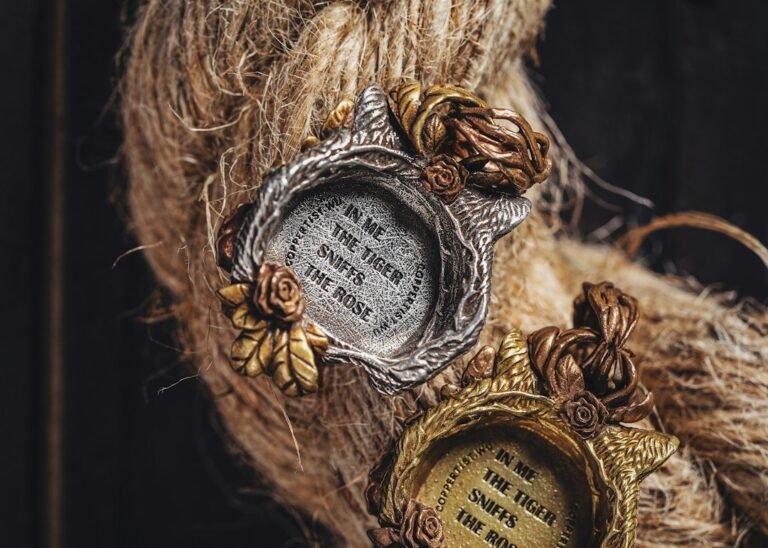
Why Do People Keep Ashes, Relics and Memorial Objects?
Hair, ashes, bones, clothing, photographs and relics allow the dead to remain materially present. Tradivior will examine why objects carry memory so powerfully and how continuing bonds differ from pathological…
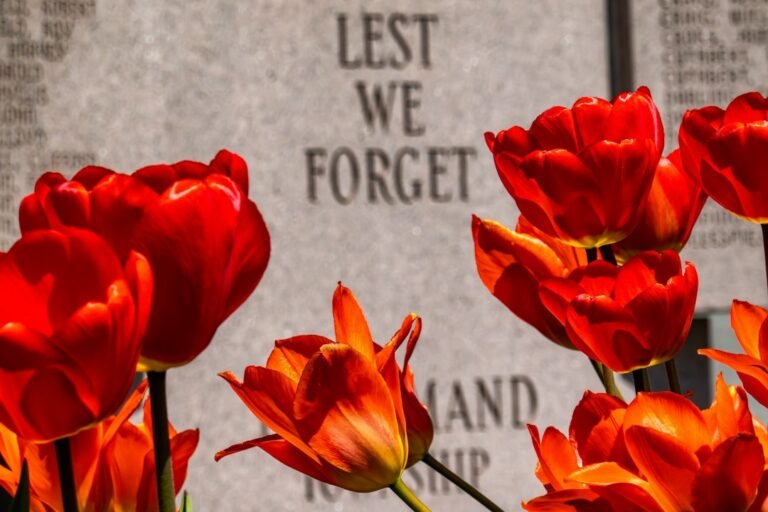
Why Do Cultures Set Aside Days to Remember the Dead?
From Pitru Paksha and Qingming to Día de Muertos and All Souls’ Day, cultures repeatedly create calendar time for the dead. Tradivior will compare how recurring remembrance renews kinship, grief…
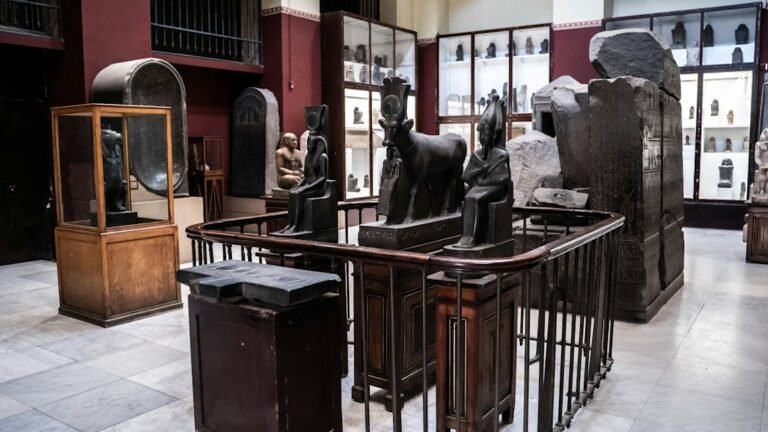
Why Do Cultures Preserve the Dead?
Mummification, embalming, freezing, smoking and desiccation reflect very different beliefs about bodies and afterlives. Tradivior will compare preservation traditions with the chemistry of decomposition and the practical limits of each…

Why Did Cremation Become Central to Hindu Death Ritual?
Cremation has deep roots in many Hindu traditions but varies by community, age, status and circumstance. Tradivior will investigate its historical logic, environmental consequences and modern changes without treating one…
Picked for your curiosity
Enable JavaScript to build a reading profile and see recommendations.