Tradiviorans ClubQuestions, polls, reading DNA and your curiosity circle.Join the Club →Log in →Reading remains free without an account.
EXPLORE
PARTICIPATE
YOUR SPACE
Follow a question. Examine the evidence.
Explore investigations
Search customs, ideas and practices, or combine filters to follow a connection across cultures. Evidence assessments describe editorial conclusions, not scores or rankings.
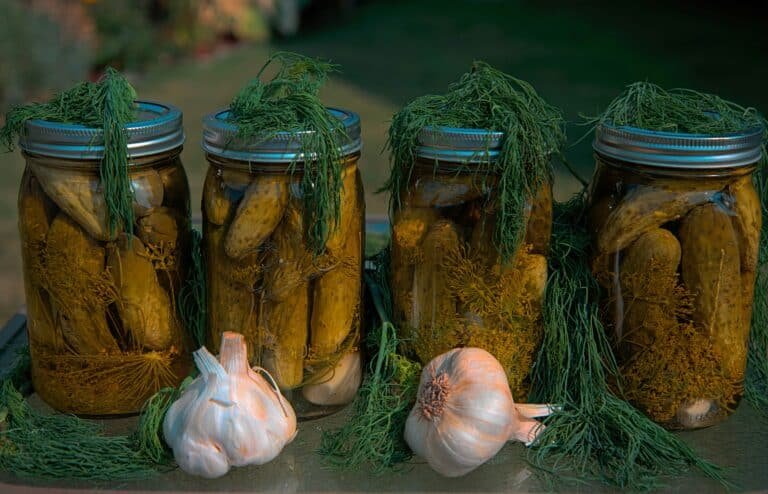
Pickling became global because acidity is a powerful preservation tool. Fermented pickles create acid through lactic-acid bacteria; vinegar pickles add it directly. Both can be safe when properly controlled, but…
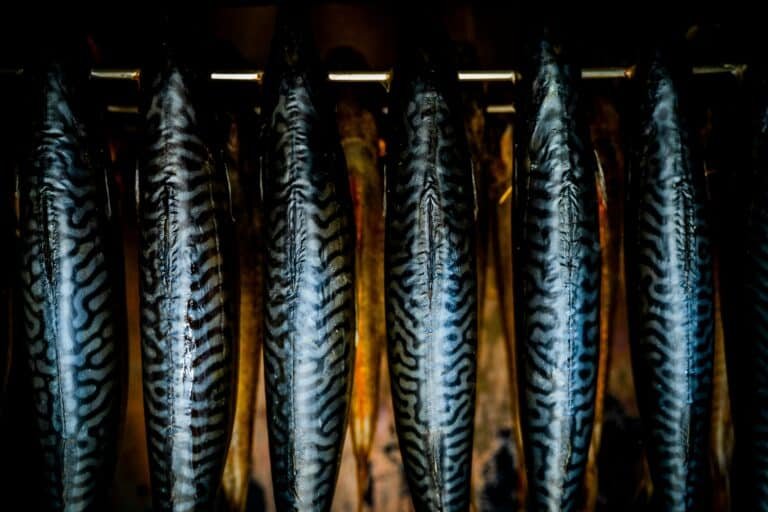
Smoking preserved food by combining drying, heat and antimicrobial smoke compounds—and then survived because people came to value the flavour. Modern evidence also shows a trade-off: smoke can deposit carcinogenic…
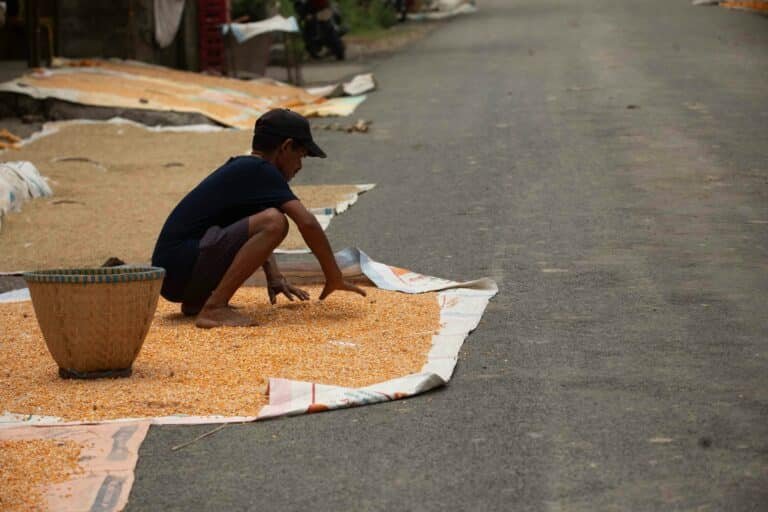
Sun drying preserved food by removing the water microbes need to grow. The mechanism is robust and ancient, but drying is not sterilization: contamination, mould, nutrient loss and poor storage…
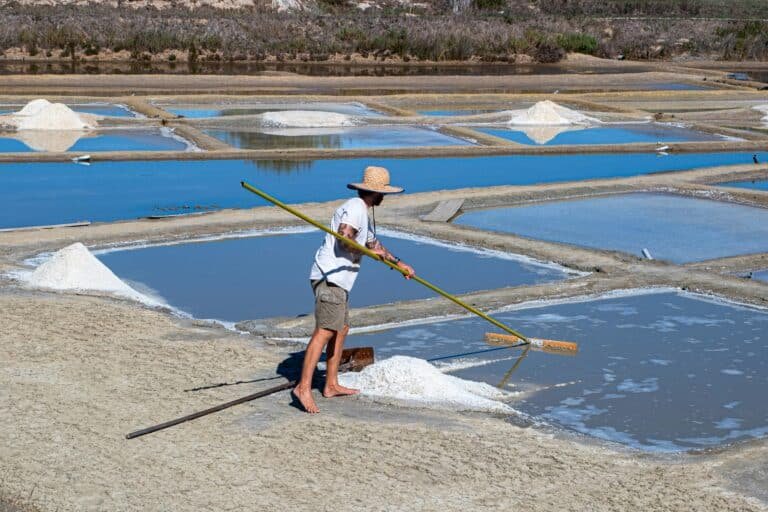
Salt preserved food by reducing water activity and imposing osmotic stress on microbes, making it one of history’s most powerful pre-refrigeration tools. Its preservation value is real, but modern high-sodium…
 tradivior