 tradivior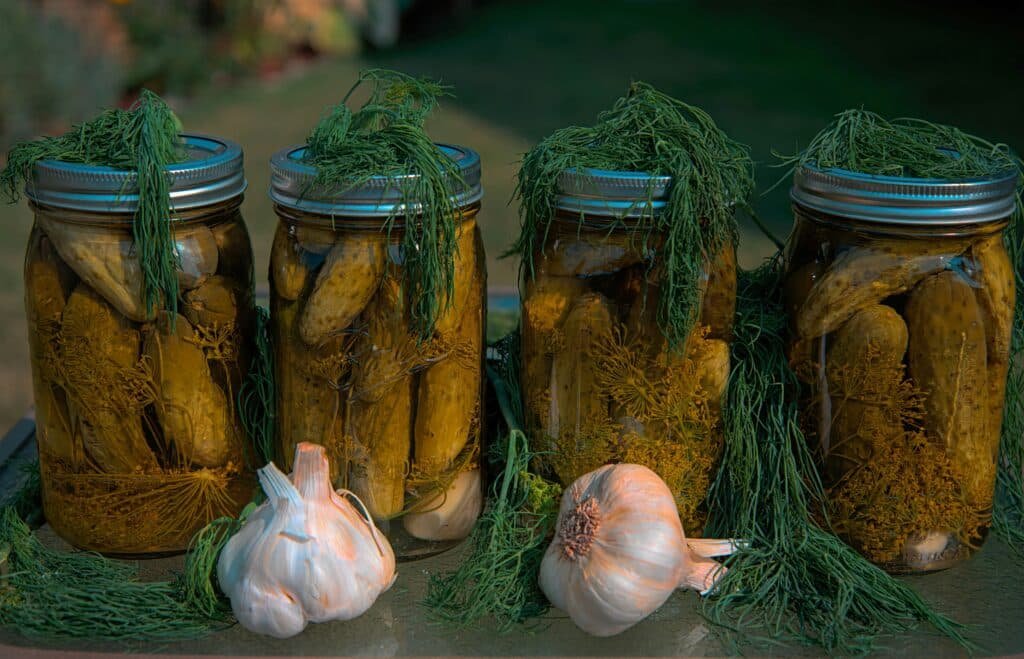
In this investigation
A pickle is a way of making the microbial world hostile before spoilage wins. Cucumbers in brine, Indian achar, sauerkraut, kimchi, olives, preserved lemons and vinegar pickles look culturally different, but many rely on the same broad principle: acidity, often combined with salt, shifts food into a state where dangerous or spoilage organisms struggle to grow.
There are two major pickling routes
Not every pickle is fermented. In fermented pickles, naturally present or deliberately added microorganisms—usually lactic-acid bacteria—consume plant sugars and produce organic acids. In vinegar pickles, acid is added directly. Both routes create sour food, but microbiologically they are different.
This distinction matters for safety and for modern probiotic claims. A vinegar pickle may never undergo substantial microbial fermentation. A fermented pickle may contain live microbes while fermentation is active, but heat processing or pasteurization can later kill them.
THE RECORD
Pickling spread widely because vegetables and fruits are seasonal, wet and perishable. Acidification converted short-lived produce into foods that could survive longer, travel farther and develop distinctive flavours.
Why low pH is so powerful
Many dangerous bacteria grow poorly in sufficiently acidic environments. For modern shelf-stable acidified foods, pH 4.6 is a crucial regulatory and safety threshold because Clostridium botulinum does not grow and produce toxin below that level under normal food conditions. Modern canning guidance therefore distinguishes high-acid or properly acidified foods from low-acid foods that require pressure processing.
Traditional fermenters did not know the number 4.6, but they could observe stable souring. Over generations, recipes encoded enough salt, time, temperature and acidity to make a desirable product reproducibly.
In fermented pickles, salt shapes the microbial succession
Salt is important, but it is not the whole preservation mechanism. In a vegetable ferment, brine suppresses many undesirable organisms while allowing salt-tolerant lactic-acid bacteria to grow. As those bacteria metabolize plant sugars, they produce lactic acid and drive the pH downward.
Modern studies show complex microbial succession in fermented vegetables such as kimchi, sauerkraut and cucumber pickles. Different genera dominate at different stages as salt, acidity, oxygen and available sugars change. A 2025 review of vegetable fermentation emphasizes that microbial diversity is central not only to preservation but also to the development of sourness, aroma and texture.
Vinegar pickling takes a shortcut
Vinegar pickles do not wait for bacteria to manufacture enough acid. Acetic acid is supplied directly in the brine. This can make the process faster and more predictable, provided the vinegar concentration and recipe are validated.
Modern home-canning guidance warns against casually reducing vinegar or changing tested proportions for shelf-stable products. The acid must reach the entire food, not merely make the surrounding liquid taste sour.
THE EVIDENCE
Pickling’s preservation mechanism is strongly supported: sufficiently low pH inhibits dangerous microbial growth, while salt and fermentation help establish and maintain that acidic environment. The weak modern claim is that every pickle is probiotic.
Why pickles emerged independently in so many cuisines
The ingredients differ, but the preservation problem is universal. Vegetables and fruits arrive seasonally, contain abundant water and deteriorate quickly after harvest. Salt and acid were widely accessible preservation tools. Fermentation could arise naturally when produce was held in brine, while vinegar became available wherever alcoholic fermentation and acetic-acid production were established.
That combination made pickling unusually portable as a technology. Local crops could be fitted into a shared preservation logic without producing identical foods.
India’s achar tradition is broader than one mechanism
Indian pickles can use salt, acid, oil, spices, drying and fermentation in different combinations. Mango, lime, chilli, amla and mixed-vegetable pickles therefore should not be treated as one standardized microbiological product.
Some are strongly acidified. Some depend on salt and dehydration. Some use oil to reduce oxygen exposure at the surface. Some undergo microbial fermentation, while others rely mainly on added acid and preservation hurdles. The category is culinary, not one laboratory protocol.
Kimchi and sauerkraut demonstrate controlled ecological change
Salted cabbage fermentations show how a fresh vegetable becomes an acidic microbial ecosystem. Early organisms begin acidification; later acid-tolerant lactic-acid bacteria become more prominent. Temperature and salt concentration strongly influence which organisms dominate and how quickly sourness develops.
This is why traditional fermentation recipes can be sensitive to climate. A process that is stable in a cool cellar can proceed very differently in a hot kitchen.
Are pickles probiotic?
Only some pickles plausibly deliver live fermentation organisms, and even then the word probiotic should be used carefully. Scientifically, a probiotic is a live microorganism shown to confer a health benefit at an adequate dose. Spontaneously fermented pickles contain variable microbial communities and usually do not meet that strain-specific evidentiary standard.
Vinegar pickles may contain no live fermentation community at all. Fermented pickles that are pasteurized or canned after fermentation may also contain few or no viable organisms when eaten. “Pickled,” “fermented,” “live culture” and “probiotic” are therefore not interchangeable terms.
What about sodium?
Many pickles are salty because salt contributes to flavour, texture and microbial control. That creates a modern nutritional trade-off. A preservation method developed when food scarcity and spoilage were major threats can contribute substantial sodium when eaten frequently in a diet already rich in packaged food.
The appropriate conclusion is not that pickles are unhealthy by definition. It is that their role depends on serving size, sodium concentration, the rest of the diet and whether refrigeration allows lower-salt alternatives.
Acidification does not make unsafe recipes automatically safe
Home preservation is one area where tradition should not substitute for tested procedure. Low-acid vegetables sealed anaerobically can support botulism if they are not sufficiently acidified or pressure processed. Modern guidance uses validated recipes because dense food pieces, jar size, vinegar strength and heat penetration all affect safety.
That is why the pH 4.6 threshold is a food-safety control rather than a culinary preference.
Pickling changed flavour as much as shelf life
Like fermentation generally, pickling survived refrigeration because people came to enjoy what preservation created. Acids sharpen flavour. Fermentation produces aromatic compounds. Salt changes texture. Spices diffuse through the food. Crisp, sour, salty and pungent qualities became culinary goals rather than mere side effects.
This transformation explains why pickles often function as condiments rather than emergency stores. A technology born from perishability became a cuisine of contrast.
Pickling is really a family of preservation systems
Under one everyday word sit several distinct technologies: vegetables naturally fermented in brine, foods acidified directly with vinegar, fruit preserved with salt and spices, olives cured through repeated brining, and products that combine fermentation with later vinegar addition or pasteurization. Their sensory resemblance does not mean their microbiology is identical.
This diversity is why health claims should identify the actual process. An unpasteurized fermented cabbage and a shelf-stable cucumber acidified with vinegar are both pickles but may contain completely different microbial populations at the time of eating.
Indian achar shows how preservation can be adapted to climate and cuisine
South Asian pickles use mango, lime, chilli, gooseberry and many other ingredients, often with salt, oil, spices and sometimes fermentation or direct acidification. Oil can reduce oxygen exposure at the surface, spices contribute flavour and some antimicrobial compounds, while salt and acidity provide the main preservative hurdles.
Because recipes vary enormously, it is misleading to describe “Indian pickle” as one microbiological process. Some are fermented; others rely more heavily on acid, salt, oil, drying or cooking.
Olives demonstrate that pickling can make food edible, not merely durable
Fresh olives are intensely bitter because of phenolic compounds such as oleuropein. Traditional curing and fermentation reduce bitterness and transform texture and flavour. Preservation is therefore only part of the achievement: processing converts an unappealing raw fruit into a culturally important food.
Related transformations occur in other pickles where acid, salt and microbial enzymes soften tissues, alter aromas or reduce harsh flavours. Pickling can be a form of culinary manufacturing rather than simply storage.
Texture is a technical problem
Consumers expect many pickled vegetables to remain crisp. Acidity, calcium, temperature, plant enzymes and fermentation time can all affect cell walls and texture. If conditions are poorly controlled, vegetables can become soft even when they are microbiologically acidic enough.
Traditional recipes often manage this through ingredient choice, harvest maturity, salt, timing and sometimes mineral-rich water or leaves containing tannins. Modern processors use standardized calcium salts and temperature control to achieve similar texture goals more predictably.
Spices may contribute, but acid and salt do the heavy preservation work
Garlic, mustard, chilli, turmeric and other spices contain compounds with antimicrobial activity in laboratory studies. In real pickles, however, their concentration and effectiveness vary. It is unsafe to assume that spices can substitute for adequate acidity, salt, heat treatment or refrigeration.
Historically, spices probably served overlapping roles—flavour, identity, sensory complexity and sometimes modest microbial inhibition. The strongest safety mechanisms remain measurable process factors such as pH and water activity.
Why fermentation speed matters
A healthy vegetable fermentation should acidify fast enough that pathogens and spoilage organisms do not enjoy a long period of favourable conditions. Temperature, sugar availability, salt and starting microbiota all influence the speed of pH decline.
Commercial producers may use starter cultures to make acidification more predictable. Household ferments rely more on naturally present organisms, which can work well but create greater batch-to-batch variability.
Pasteurization trades live microbes for stability
After fermentation, some commercial pickles are pasteurized to prevent further microbial activity and extend shelf life. The food remains fermented in origin, but most live organisms are killed. This can stabilize flavour and package pressure while removing the feature that consumers may associate with “live” ferments.
Neither state is automatically superior. Live products require cold-chain and process control; pasteurized products are more stable. The relevant question is what outcome the producer and consumer need.
High salt once bought safety; modern systems can sometimes buy it differently
Historically, generous salt margins were understandable because temperature control and rapid testing were unavailable. Modern refrigeration, starter cultures, pasteurization, hygienic packaging and pH measurement can allow some recipes to use less sodium without sacrificing safety.
But reformulation must be validated. Reducing salt can change both microbial succession and texture. A “healthier” recipe that fails to acidify safely is not an improvement.
What survives scrutiny?
- Pickling is a globally recurring preservation strategy built around acidification, often reinforced by salt and fermentation.
- Fermented pickles generate acid through microbial metabolism; vinegar pickles add acid directly.
- A pH of 4.6 or below is a critical modern safety threshold for acidified shelf-stable foods.
- Salt helps select useful microbes in vegetable fermentation but is not the sole preservative.
- Pickled foods vary widely in sodium, acidity, live microbes and processing.
- Not every pickle is fermented.
- Not every fermented pickle contains live microbes when eaten.
- Fermented does not automatically mean probiotic.
- Modern tested recipes are important for shelf-stable home preservation because improper acidification can create botulism risk.
- Pickling remains culturally valuable because preservation also created desired sourness, aroma and texture.
Why crispness and texture are part of successful pickling
A pickle that is microbiologically stable but unpleasantly soft may still fail culturally. Salt, calcium, acidity, temperature and the natural enzymes of vegetables all affect texture. Traditional methods therefore evolved not only to prevent spoilage but to preserve or deliberately transform crunch, firmness and bite.
Modern processors control these variables more precisely, but the sensory target often comes from older household expectations. Safety and culinary quality developed together.
Spices in pickles do more than decorate the brine
Mustard seed, dill, garlic, chilli, turmeric, fenugreek and other spices contribute flavour and can contain antimicrobial compounds. In some systems they may reinforce preservation modestly, but ordinary culinary amounts should not be treated as substitutes for salt and acidity.
The more defensible explanation is layered: spices make preserved food desirable enough to eat repeatedly, while the primary safety barriers remain acidification, salt, hygienic preparation and storage.
Fermentation can fail if temperature is wrong
Lactic-acid bacteria grow at temperature-dependent rates. Fermentation that is too cold may proceed slowly, delaying acidification. Excessive heat can encourage undesirable organisms or produce overly rapid, poor-quality fermentation. Traditional seasonal recipes often implicitly account for ambient temperature.
Commercial fermentation uses controlled temperatures because predictable acidification is a safety advantage. Home fermentation relies more heavily on recipe, observation and environmental conditions.
Why bubbles and cloudiness are not universal danger signs
In an active vegetable fermentation, carbon dioxide and suspended microbes can make brine bubbly or cloudy. These changes may be normal. By contrast, unusual mould growth, putrid odour or failure to acidify can indicate a problem.
This distinction illustrates why fermented food safety cannot be reduced to visual rules copied from vinegar pickles. The two processes have different normal appearances.
Commercial shelf stability can remove live cultures
Many packaged pickles are heat-treated after fermentation or packed directly in vinegar. Pasteurization improves shelf stability but kills most live microbes. A product can therefore retain the flavour chemistry of fermentation while no longer containing a living fermentation community.
This is why label claims need precision. “Fermented” describes production history; “contains live cultures” describes the state at consumption; “probiotic” requires evidence of health benefit from defined microorganisms.
Pickling helped cuisines use foods that were otherwise difficult
Some vegetables and fruits are bitter, astringent or available in quantities too large to consume fresh. Brining, fermentation and acidification can soften bitterness, alter texture and create entirely new flavour profiles. Olives are a classic example: fresh fruit is intensely bitter and requires processing before becoming a familiar table food.
The value of pickling therefore extends beyond preventing loss. It expands the edible and desirable forms of a crop.
Modern sodium reduction has to respect microbiology
Because high sodium intake is a cardiovascular concern, lower-salt pickles are attractive. But simply cutting salt from a traditional fermented recipe can alter microbial succession, texture and safety. Reformulation requires testing rather than assumption.
Refrigeration, starter cultures, acidification and tighter process control can sometimes compensate for lower salt. This is another case where modern technology can update a traditional method without discarding it.
Acidity also changes flavour stability
Lower pH does more than inhibit pathogens. It changes plant pigments, texture and flavour compounds. Some vegetables become brighter or duller; garlic and spices behave differently; pectin breaks down at different rates. A successful pickle therefore balances microbiological safety with sensory chemistry.
This helps explain why household recipes are precise about timing and ingredient ratios even when the cook cannot measure pH directly. The target is not merely “sour enough.” It is a particular combination of acidity, crunch, aroma and shelf life.
Traditional knowledge and modern measurement can reinforce each other
Experienced fermenters may recognize smell, bubbling and texture changes that indicate a normal process. Modern pH meters, salt measurements and refrigeration add objective safeguards. The strongest approach uses both: inherited sensory knowledge to maintain food identity and measurable controls to reduce rare but serious failures.
This is a recurring Tradivior pattern. Science does not need to erase tradition to improve it; it can explain which inherited steps are critical and where modern conditions justify adjustment.
Why the vessel matters
Fermentation vessels influence oxygen exposure, temperature stability and contamination risk. Ceramic crocks, wooden barrels, glass jars and modern food-grade containers each create slightly different conditions. Weights or lids that keep vegetables below brine are therefore functional pieces of the preservation system.
Traditional vessels can also host persistent microbial communities that seed later batches. This may improve continuity, but it can also introduce unwanted organisms when sanitation is poor. Modern production separates desirable inoculation from accidental contamination more deliberately.
Pickling can preserve nutrients while changing others
Minerals generally remain, while some water-soluble or heat-sensitive vitamins can decline during storage or pasteurization. Fermentation can also produce or transform certain metabolites. The nutritional result is therefore not simply “fresh versus preserved”; it depends on the exact process and duration.
For home and commercial pickling alike, the safest scientific principle is to validate the preservation pathway rather than improvise from taste. A properly acidified vinegar pickle and a properly fermented brine pickle can both be safe, but they reach that endpoint through different controls. Knowing which process is occurring prevents false assumptions about acidity, live cultures and storage.
Because pickles are often eaten as condiments, serving size also changes their nutritional impact. A small portion can add acidity, flavour and variety with modest sodium, while frequent large portions of very salty pickles can contribute substantially to daily intake. The preservation chemistry and the dietary exposure should therefore be judged separately.
The Tradivior Evidence Profile
Historical Authenticity — Strong. Pickling and sour vegetable preservation appear across many food traditions and climates.
Original-Purpose Evidence — Strong. Shelf-life extension, seasonal storage, transport and flavour transformation are direct practical functions.
Scientific Mechanism — Strong. Low pH, salt selection, microbial acidification and related hurdle effects are well established.
Experimental Evidence — Strong. Food microbiology and canning science extensively characterize acidity thresholds, fermentation succession and pathogen control.
Cross-Cultural Evidence — Strong. Fermented and vinegar pickles occur across Asian, European, Middle Eastern, African and American cuisines using local produce.
Modern Relevance — Strong. Pickling remains useful for food preservation and flavour, with modern refrigeration and safety controls allowing adaptation.
The Tradivior Conclusion
Historically Practical. Pickling became global because acid is a powerful and accessible preservative. Some cultures let microbes produce that acid through fermentation; others added vinegar directly; many combined acid with salt, spices, oil or drying. Modern food science strongly validates the preservation mechanism. What it does not validate is the idea that every pickle is probiotic or equally healthy. Pickling is best understood first as a practical technology for controlling microbial growth and extending seasonal food, with its modern nutritional value depending on the specific product.
Continue investigating
Sources & further reading
- National Center for Home Food Preservation / USDA guidance on pickled and acidified foods.
- U.S. FDA, 21 CFR Part 114, acidified foods and the pH 4.6 threshold.
- Wang et al. “Microbial Diversity and Changes in Flavor Compounds During the Fermentation of Vegetables: A Review.” Journal of Food Science. 2025.
- Marco ML, Sanders ME, Gänzle M, et al. “The ISAPP consensus statement on fermented foods.” Nature Reviews Gastroenterology & Hepatology. 2021;18:196–208.
- Tamang JP, Watanabe K, Holzapfel WH. “Diversity of microorganisms in global fermented foods and beverages.” Frontiers in Microbiology. 2016;7:377.
Continue exploring
Historically Practical
Why Did Humans Boil Food?
Boiling transformed human diets by making grains, pulses, roots, meat and water safer and softer in a single vessel. Heat kills most foodborne microbes and moist cooking improves digestibility, but…
Historically Practical
Why Did Humans Dry Food in the Sun?
Sun drying preserved food by removing the water microbes need to grow. The mechanism is robust and ancient, but drying is not sterilization: contamination, mould, nutrient loss and poor storage…
Historically Practical
Why Did Humans Smoke Food?
Smoking preserved food by combining drying, heat and antimicrobial smoke compounds—and then survived because people came to value the flavour. Modern evidence also shows a trade-off: smoke can deposit carcinogenic…
Historically Practical
Why Did People Preserve Food With Salt?
Salt preserved food by reducing water activity and imposing osmotic stress on microbes, making it one of history’s most powerful pre-refrigeration tools. Its preservation value is real, but modern high-sodium…
Picked for your curiosity
Enable JavaScript to build a reading profile and see recommendations.