Tradiviorans ClubQuestions, polls, reading DNA and your curiosity circle.Join the Club →Log in →Reading remains free without an account.
EXPLORE
PARTICIPATE
YOUR SPACE
Follow a question. Examine the evidence.
Explore investigations
Search customs, ideas and practices, or combine filters to follow a connection across cultures. Evidence assessments describe editorial conclusions, not scores or rankings.
Mantras, singing bowls, tuning systems and 'healing frequencies' are increasingly marketed with biomedical claims. Tradivior will separate relaxation and music effects from unsupported assertions that particular frequencies cure disease or…
A chant, bell, organ, drum or call to prayer can feel sacred to one listener and ordinary to another. Tradivior will investigate how acoustics, repetition, memory, expectation and cultural learning…
Rowers, labourers, soldiers and protesters have used rhythm to coordinate effort and create solidarity. Tradivior will examine when synchronized sound improves timing or endurance and when its main power is…
Epic poems, genealogies, prayers and work knowledge often survive through metre, rhyme, melody and formula. Tradivior will examine how oral cultures engineered memory before writing was widespread.
Vedic recitation developed unusually elaborate methods for preserving sequence, accent and sound across generations. Tradivior will investigate how oral error-correction worked and why claims about special frequencies require separate evidence.
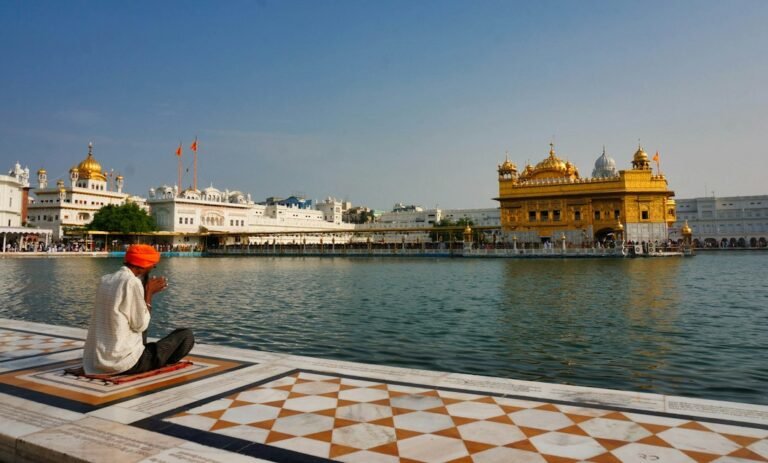
Sikh scripture is deeply connected to musical organization through prescribed ragas and congregational singing. Tradivior will investigate how music shapes interpretation, memory and devotion without reducing Gurbani to a generic…
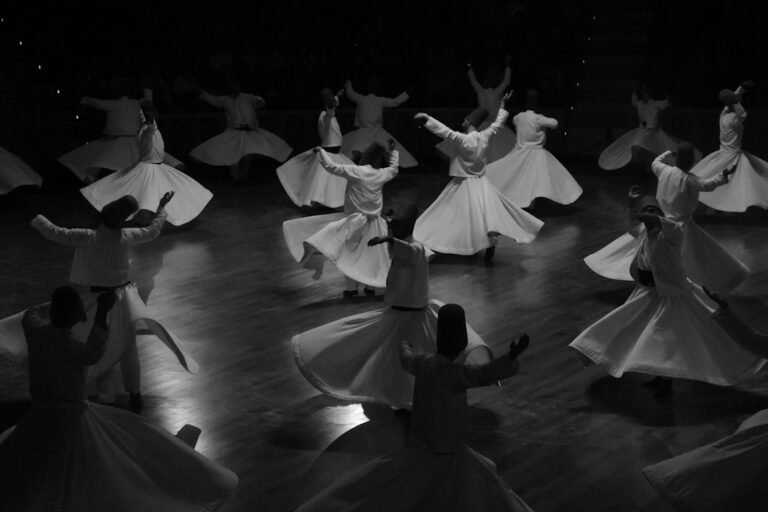
Sufi traditions include diverse practices of listening, chanting, movement and remembrance, from sama to regional devotional music. Tradivior will avoid treating them as one technique while examining absorption, rhythm and…
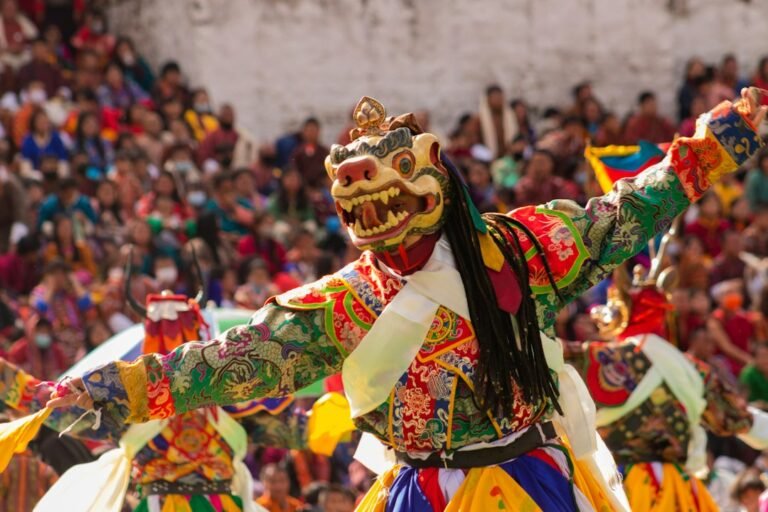
Ritual dance can celebrate, mourn, heal, initiate, possess, court and remember. Tradivior will compare dance traditions and ask how coordinated movement changes identity, emotion and group cohesion.
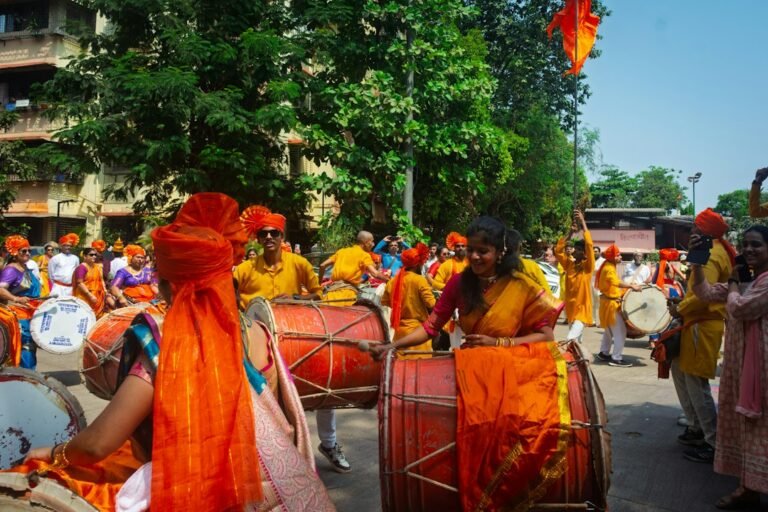
Drumming can organize marching, dance, ritual possession and communal excitement with extraordinary efficiency. Tradivior will examine how rhythm entrains movement and attention without assuming that every drum tradition aims at…
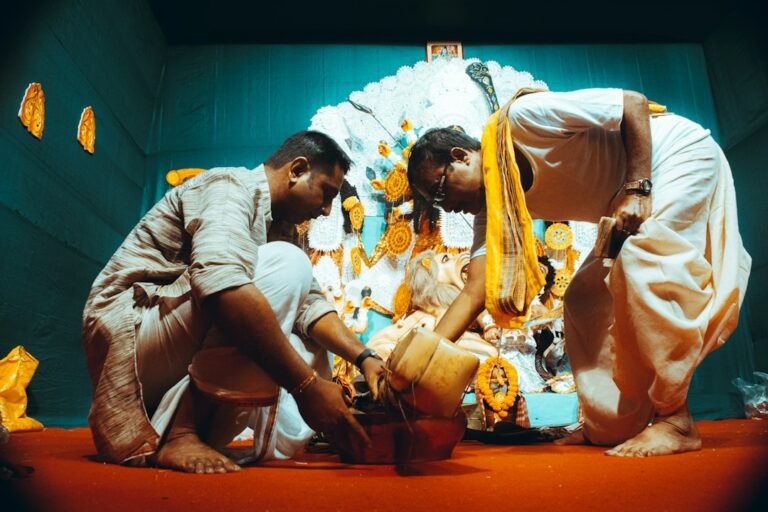
The conch is both sacred object and powerful wind instrument in South Asian ritual. Tradivior will trace its mythic and ceremonial history and examine the respiratory and acoustic claims often…
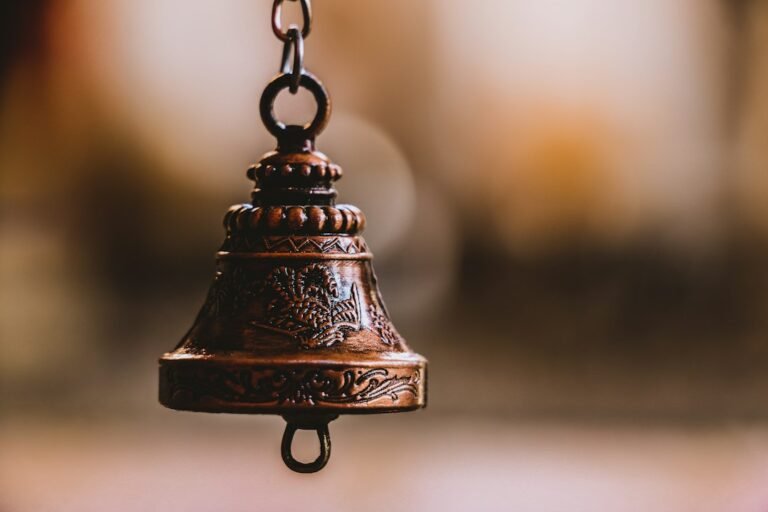
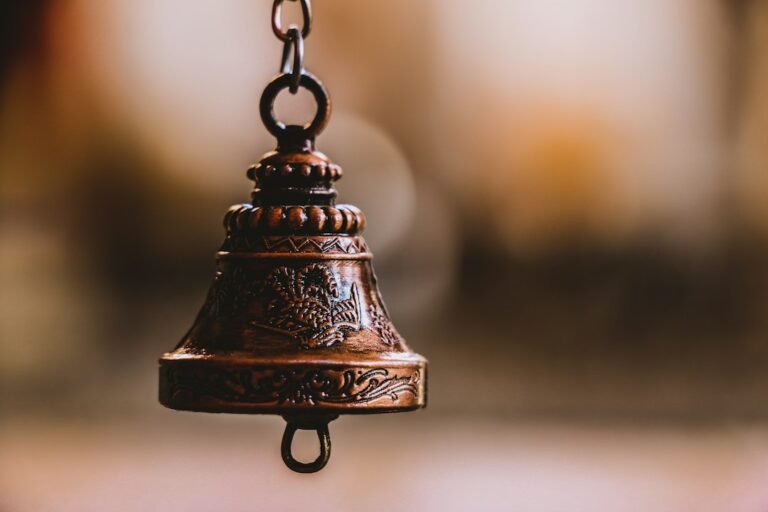
Bells and gongs announce sacred time, mark transitions and command attention across Asia, Europe and beyond. Tradivior will compare their histories and test claims about resonance, brain waves and cleansing…
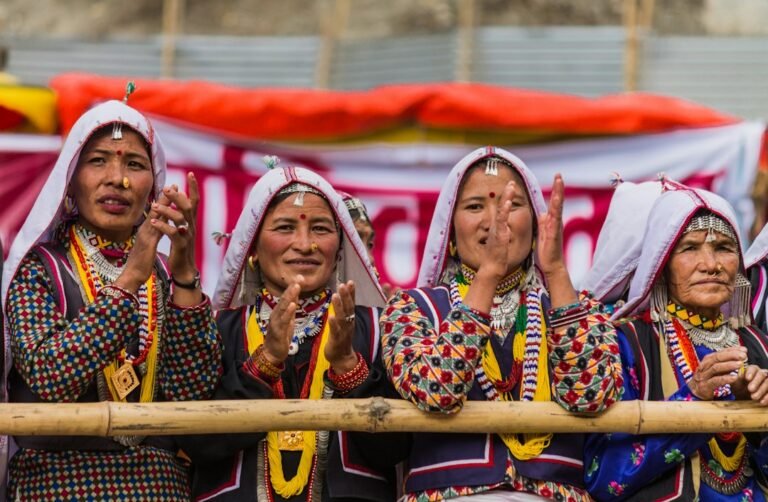
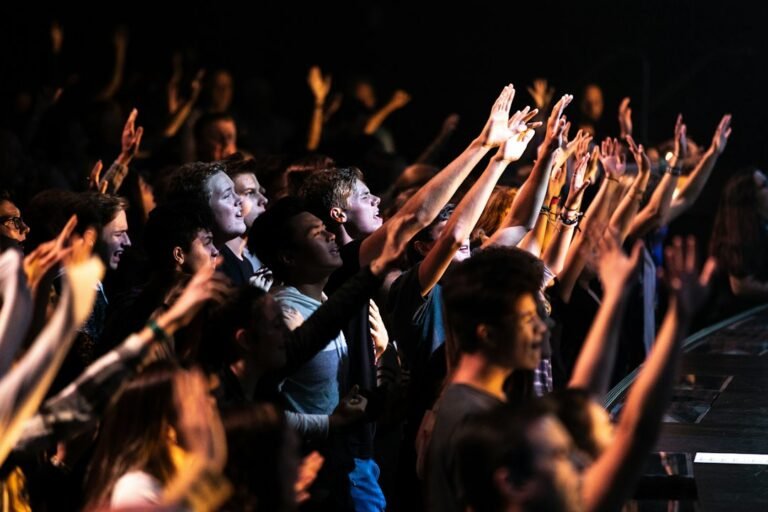
Sacred singing appears in churches, temples, synagogues, gurdwaras and ritual traditions worldwide. Tradivior will investigate why melody became a vehicle for prayer and memory, and what group-singing research shows about…
 tradivior