 tradivior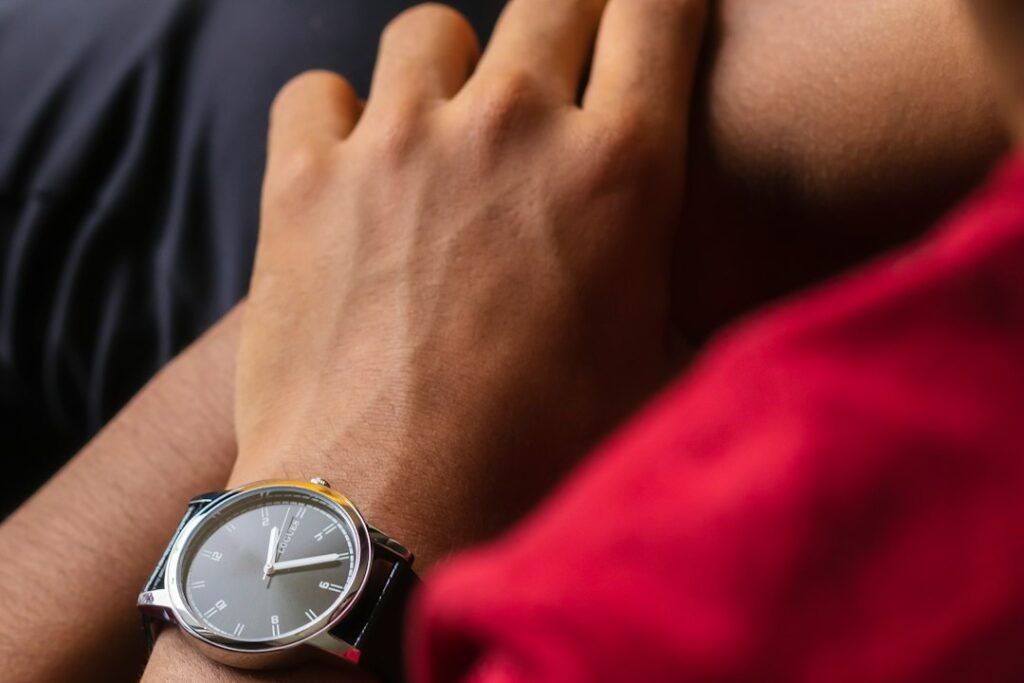
In this investigation
Ayurveda uses pulse, tongue and observation because premodern diagnosis depended on what a skilled practitioner could see, hear, smell, touch and ask. Skin, eyes, stool, urine, appetite, voice, pulse and tongue all provide real information about health.
The important evidence question is not whether observation matters—it clearly does—but whether specific Ayurvedic interpretations are reliable and clinically predictive.
Clinical medicine begins with observation
Modern doctors still examine skin colour, breathing, swelling, temperature, consciousness and many other signs.
Direct observation remains essential even in high-technology medicine.
Classical Ayurveda describes multi-sensory examination
Ayurvedic diagnostic traditions assess constitution, digestion, symptoms, behaviour and bodily signs rather than relying on one test.
Later clinical traditions systematized pulse, tongue and other examinations in different ways.
Pulse contains genuine physiological information
Heart rate, rhythm, strength and regularity can reveal clinically important conditions.
Modern medicine uses palpation and instruments to measure these features.
The disputed issue is interpretive specificity
Claims that subtle pulse qualities reliably identify dosha imbalance or specific internal disease require reproducible agreement among practitioners and correlation with independent diagnosis.
Studies of traditional pulse diagnosis often find variable inter-rater reliability.
Tongue examination also has real clinical value
Colour, hydration, lesions, coating and swelling can reflect local or systemic conditions.
Modern dentistry and medicine inspect the tongue routinely.
But a tongue is not a complete map of internal organs
Detailed claims that each tongue zone diagnoses a corresponding organ need direct validation.
General observation and highly specific organ mapping are different evidence levels.
Eyes and skin can reveal illness
Jaundice, pallor, cyanosis, dehydration and rashes are visible signs with known mechanisms.
Premodern physicians could observe these without understanding the underlying biochemistry.
Urine and stool were historically important clues
Colour, frequency and consistency can carry diagnostic information. Before laboratories, such observations were among the few accessible windows into internal function.
Smell also has limited diagnostic use
Certain infections, ketosis and metabolic states can change body or breath odour.
However, smell alone is rarely specific enough for confident diagnosis.
Why holistic examination feels persuasive
A long consultation involving diet, sleep, digestion, mood and daily routine can make patients feel fully heard.
That quality of interaction may improve satisfaction even when some diagnostic categories are not scientifically validated.
Reproducibility is the key test
If two trained practitioners examine the same patient, do they reach the same pulse or tongue classification?
Low agreement limits the reliability of any downstream treatment rule.
Modern tools can test traditional claims fairly
Digital pulse sensors, imaging, blinded assessment and biomarker comparison can evaluate whether traditional patterns correspond to measurable states.
Research should define the claim before testing it rather than reinterpret results afterward.
What survives scrutiny?
- Pulse, tongue, skin, eyes and other visible signs can contain real clinical information.
- Ayurveda developed multi-sensory diagnostic traditions in a low-technology medical environment.
- General clinical observation is strongly supported.
- Specific dosha or organ inferences require reproducibility and independent validation.
- Traditional pulse diagnosis often faces inter-practitioner reliability challenges.
- Modern measurement can test rather than dismiss these claims.
The Tradivior Evidence Profile
Historical Authenticity — Strong. Observational diagnosis is deeply rooted in Ayurvedic practice.
Original-Purpose Evidence — Strong. Diagnosis and treatment selection are explicit.
Scientific Mechanism — Strong for general clinical observation; Variable for specific Ayurvedic diagnostic inferences.
Experimental Evidence — Mixed. Many observable signs are medically valid, while reliability of specialized traditional interpretation is inconsistent.
Cross-Cultural Evidence — Strong. Pulse, tongue and visual diagnosis appear in many premodern medical systems.
Modern Relevance — Strong. These methods remain widely used and are amenable to modern validation.
The Tradivior Conclusion
Ayurveda used pulse, tongue and observation because direct examination was the most powerful diagnostic technology available.
The general principle remains sound: bodies reveal information. The evidence becomes weaker when broad observation is converted into highly specific disease or dosha claims that cannot be reproduced reliably. Tradivior’s position is to preserve the historical method while testing each inference independently.
Sources & further reading
- Classical Ayurvedic diagnostic literature.
- Modern clinical literature on pulse and oral examination.
- Systematic reviews of reliability in traditional pulse and tongue diagnosis.
Continue exploring

Partially Supported
Why Is the Ganga Sacred?
The Ganga is river, goddess, pilgrimage route, purifier and national symbol. Tradivior will trace how these layers developed and evaluate modern claims about unusual self-purifying properties without confusing microbial findings…
Partially Supported
Why Do People Keep Ashes, Relics and Memorial Objects?
Hair, ashes, bones, clothing, photographs and relics allow the dead to remain materially present. Tradivior will examine why objects carry memory so powerfully and how continuing bonds differ from pathological…
Evidence Supported
Why Do Cultures Set Aside Days to Remember the Dead?
From Pitru Paksha and Qingming to Día de Muertos and All Souls’ Day, cultures repeatedly create calendar time for the dead. Tradivior will compare how recurring remembrance renews kinship, grief…

Historically Practical
Why Did Cremation Become Central to Hindu Death Ritual?
Cremation has deep roots in many Hindu traditions but varies by community, age, status and circumstance. Tradivior will investigate its historical logic, environmental consequences and modern changes without treating one…
Picked for your curiosity
Enable JavaScript to build a reading profile and see recommendations.