 tradivior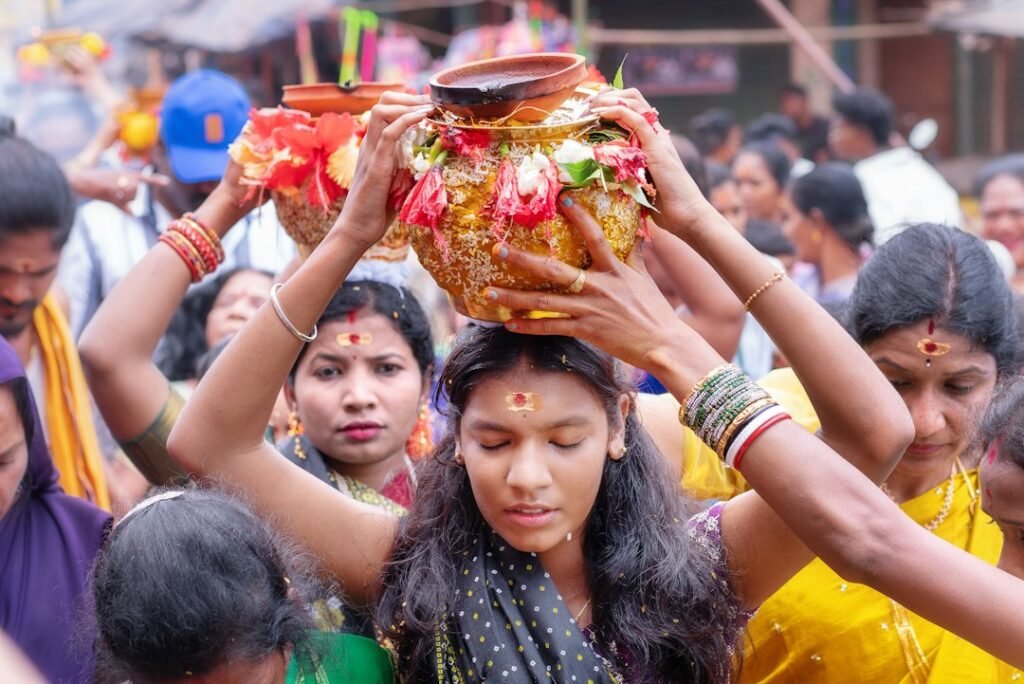
In this investigation
Hindus bathe before worship because bodily cleansing became a major form of ritual preparation. Bathing can remove ordinary dirt, but its religious role is broader: it marks a transition from everyday activity into a condition appropriate for puja, temple entry or recitation.
Indian traditions vary by region, sect, household and circumstance, so there is no single rule followed identically by all Hindus.
Bathing precedes many forms of worship
Domestic puja manuals and temple customs often expect the worshipper to be freshly bathed or otherwise cleaned before formal ritual.
The underlying concern is ritual readiness as well as bodily cleanliness.
Purity rules link the body to sacred action
Classical Hindu ritual literature distinguishes states of purity and impurity associated with bodily functions, death, birth and other transitions.
Bathing is one way to restore ritual eligibility.
Water is itself sacred in many Hindu contexts
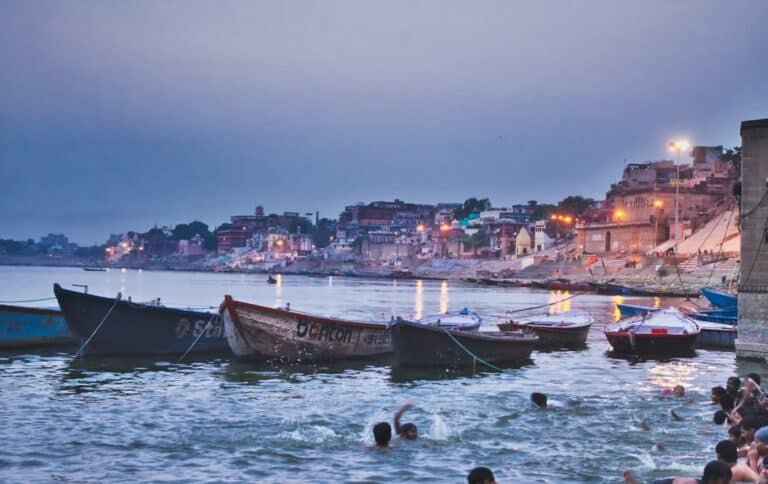
Rivers, especially the Ganga, can be treated as divine as well as physically cleansing. Bathing in sacred water therefore combines purification with pilgrimage and devotion.
Morning bathing fits household routine
Bathing early can occur before cooking, worship and work. This places ritual cleanliness near the beginning of the day.
Routine timing can strengthen habit without proving a hidden biological optimum.
Climate matters
In much of South Asia, heat, dust and perspiration make frequent bathing practical. Ready access to water also shaped regional customs.
Environmental fit can reinforce ritual preference without being the sole origin.
Does bathing improve health?
Bathing can remove dirt, sweat and some microbes. Warm or cool water can also alter comfort and alertness.
Those effects are ordinary hygiene and thermoregulation, not proof that ritual bathing removes disease-causing “toxins.”
Cold-water claims require caution
Brief cold exposure can increase alertness and trigger cardiovascular responses. It can also be risky for some people.
A ritual bath should not be promoted as universally therapeutic.
Temple tanks need water-quality management
Shared ritual waters can become contaminated if poorly maintained. Reverence does not guarantee microbiological safety.
Modern temple management therefore has legitimate public-health responsibilities.
Why bathing feels like a reset
Changing clothes after a bath and beginning worship creates a clear sensory break from previous activity.
That sequence can help focus attention through context and routine.
What survives scrutiny?
- Bathing before worship is historically and presently important in many Hindu traditions.
- Its primary religious role is ritual preparation, not simply hygiene.
- Frequent bathing can fit South Asian climate and household routine.
- Ordinary hygiene and temperature effects are real.
- Shared sacred water can still carry pathogens.
- Claims of universal detoxification or disease prevention go beyond evidence.
The Tradivior Evidence Profile
Historical Authenticity — Strong. Ritual bathing is deeply documented in Hindu practice and literature.
Original-Purpose Evidence — Strong. Purity, preparation and sacred-water devotion are explicit.
Scientific Mechanism — Strong for washing and thermal effects; Moderate for ritual transition.
Experimental Evidence — Moderate. Hygiene and temperature physiology are well studied; specific ritual-health outcomes are less so.
Cross-Cultural Evidence — Strong. Pre-worship washing appears in many religions.
Modern Relevance — Strong. Bathing remains central to household and pilgrimage practice.
The Tradivior Conclusion
Hindus bathe before worship because a clean body is used to mark readiness for sacred action.
Climate and hygiene may reinforce the custom, but its meaning is ritual. Modern science can explain washing and temperature effects without rewriting the practice as ancient biomedical therapy.
Sources & further reading
- Classical and modern scholarship on Hindu ritual purity and daily practice.
- WHO and public-health literature on bathing and water quality.
- Studies of sacred bathing and pilgrimage in South Asia.
Continue exploring
Partially Supported
Why Is the Ganga Sacred?
The Ganga is river, goddess, pilgrimage route, purifier and national symbol. Tradivior will trace how these layers developed and evaluate modern claims about unusual self-purifying properties without confusing microbial findings…

Evidence Supported
Why Do Cultures Set Aside Days to Remember the Dead?
From Pitru Paksha and Qingming to Día de Muertos and All Souls’ Day, cultures repeatedly create calendar time for the dead. Tradivior will compare how recurring remembrance renews kinship, grief…
Historically Practical
Why Did Cremation Become Central to Hindu Death Ritual?
Cremation has deep roots in many Hindu traditions but varies by community, age, status and circumstance. Tradivior will investigate its historical logic, environmental consequences and modern changes without treating one…
Primarily Symbolic/Cultural
Why Do Hindus Perform Shraddha for Ancestors?
Shraddha links the living to ancestors through offerings, memory and obligations after death. Tradivior will trace its textual and regional history and examine how ancestor ritual structures grief and lineage…
Picked for your curiosity
Enable JavaScript to build a reading profile and see recommendations.