Tradiviorans ClubQuestions, polls, reading DNA and your curiosity circle.Join the Club →Log in →Reading remains free without an account.
EXPLORE
PARTICIPATE
YOUR SPACE
Follow a question. Examine the evidence.
Explore investigations
Search customs, ideas and practices, or combine filters to follow a connection across cultures. Evidence assessments describe editorial conclusions, not scores or rankings.
Timekeeping moved from watching shadows and stars to engineered flows of water long before mechanical clocks. Tradivior will investigate how ancient devices converted continuous natural processes into social schedules.
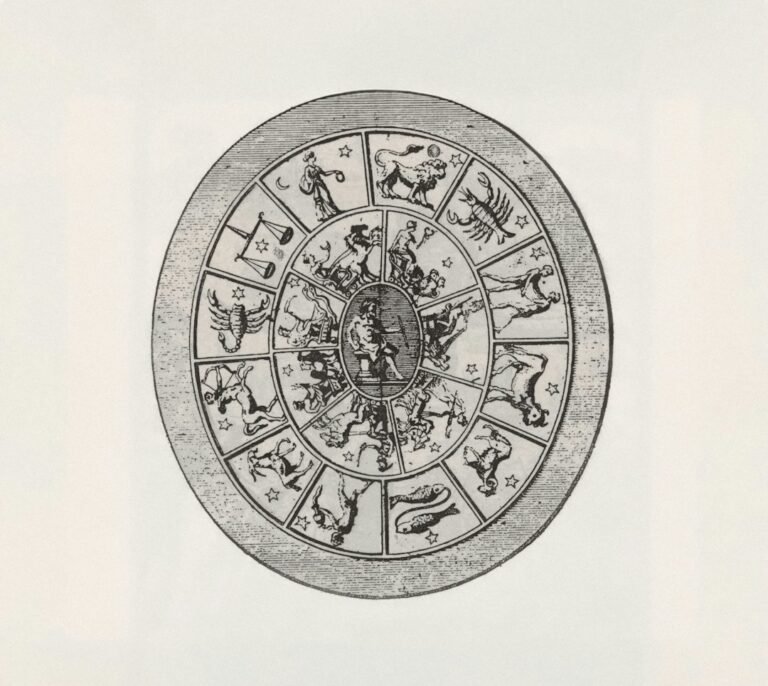
Astrology linked the sky to personality, politics, medicine and fate across South Asia, the Mediterranean, China and the Islamic world. Tradivior will trace its intellectual history and examine why it…
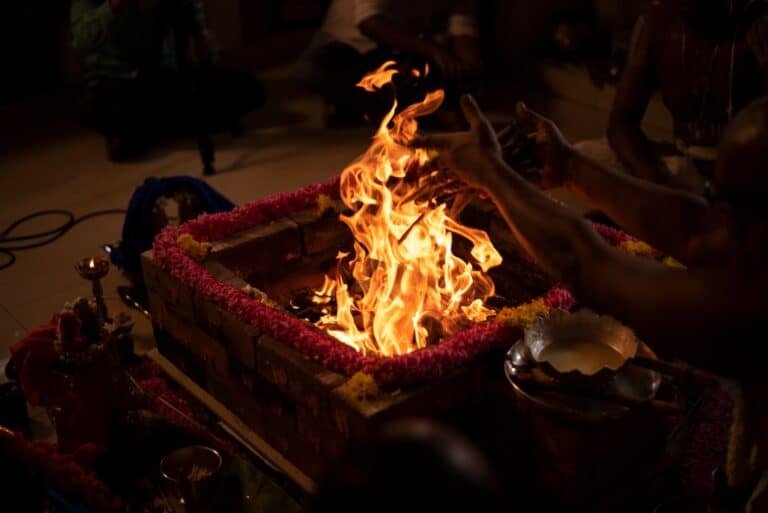
Fire became sacred across civilizations because it is useful, dangerous, transformative and socially central. Vedic, Zoroastrian and Mediterranean traditions turned the same physical phenomenon into very different theologies.
Kailash, Sinai, Fuji, Olympus and countless local peaks turn elevation and remoteness into sacred geography. Tradivior will investigate why mountains invite gods, ancestors and pilgrimage, and what awe and landscape…
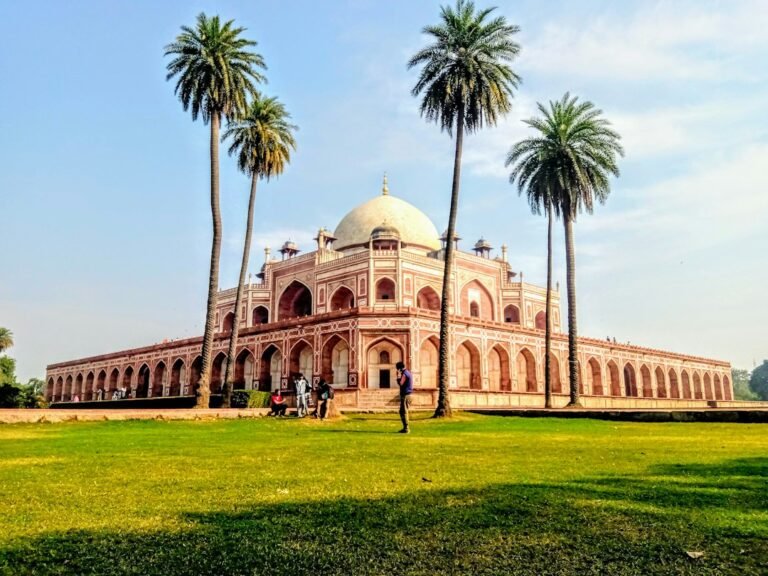
Pyramids, tumuli, stupas, mausoleums and royal tombs turn death into durable landscape. Tradivior will compare why societies invested enormous resources in the dead and what monuments do to memory, legitimacy…
Tradivior / AADVIK AGASTYA VENTURES
THE TRADIVIOR DISPATCH
The next tradition you question might change how you see the world.
One thoughtful invitation to explore the people, origins and evidence behind traditions across cultures.
01New evidence-led investigations and historical context
02Scientific perspectives and sources worth checking
03Debates, community discoveries and living traditions
✦
A SMALL INVITATION
Stay close to what matters.
Join before the next Dispatch arrives in your inbox.
 tradivior