 tradivior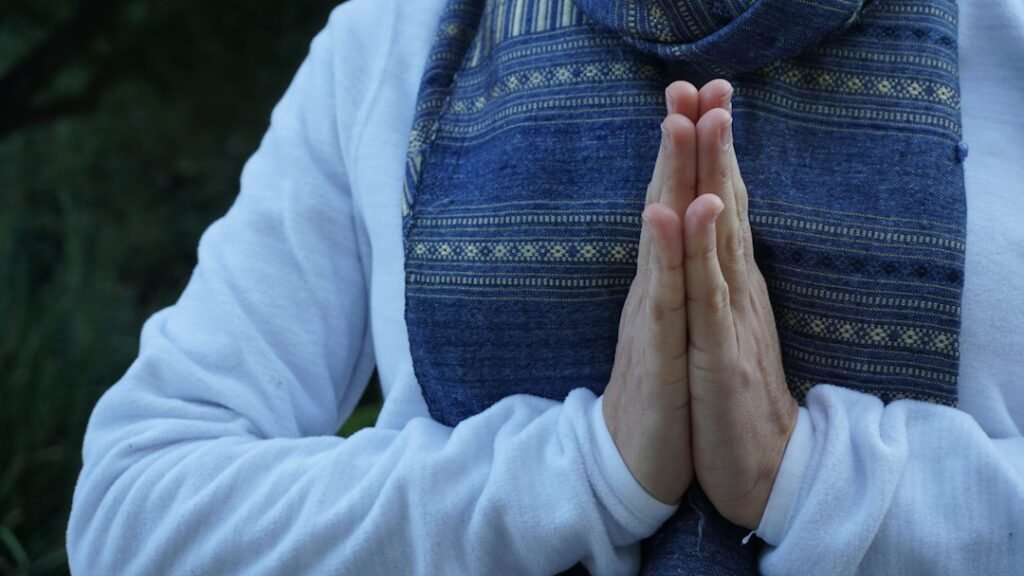
In this investigation
Every greeting solves the same immediate problem: two people have just entered one another’s social space. Before a conversation begins, they need to know whether the encounter is friendly, formal, intimate, hierarchical, religious or potentially hostile.
Different societies developed different answers. People bow, fold their hands, shake hands, kiss cheeks, embrace, salute, touch feet or exchange spoken blessings. The gestures look unrelated, but they perform overlapping social work: they acknowledge presence, display respect, signal peaceful intent and establish the distance appropriate to the relationship.
A greeting is a miniature social contract
Greetings are brief, but they carry information about rank, familiarity and intention. A deep bow communicates something different from a casual wave. A handshake differs from an embrace. A kiss on both cheeks may be normal between friends in one society and uncomfortably intimate in another.
Because everyone in a community learns the script, much of this information can be exchanged without explanation.
THE SOCIAL FUNCTION
A greeting reduces uncertainty at the start of an encounter. It answers, quickly and publicly: How should we relate to each other right now?
Bowing makes hierarchy visible
Bow-based greetings are common in societies where relative status is important. The depth, duration and posture of a bow can communicate respect, apology, gratitude or deference.
The physical logic is intuitive: lowering the head or upper body reduces height and exposes vulnerability. Whether or not historical participants consciously interpreted it that way, the gesture makes non-aggression and deference visually obvious.
Joined hands communicate respect without touch
In South Asia, the joined-palms gesture associated with añjali mudrā, namaste and namaskar has a long history in ritual, dance, devotional and social contexts. The Nāṭyaśāstra describes joined hands as a gesture of reverence used toward deities, respected people and friends.
The gesture has several practical social features. It is symmetrical, visible from a distance and does not require bodily contact. It can therefore work across differences of age, gender and familiarity.
Namaste is not reducible to one modern translation
Popular global explanations often translate namaste as “the divine in me bows to the divine in you.” That interpretation can reflect modern spiritual usage, but historically the Sanskrit expression more directly conveys salutation or reverential bowing to the other person.
The gesture’s meaning depends on context: greeting, respect, prayer, gratitude or leave-taking. Tradivior therefore should not turn a flexible cultural gesture into one universal mystical formula.
Handshaking became powerful partly because it is reciprocal
A handshake requires both people to participate at nearly the same level. Unlike a deep bow performed mainly by the lower-status person, the modern handshake is structurally mutual.
Historical research on Britain shows that handshaking spread widely between 1700 and 1850 as an increasingly egalitarian greeting in urbanizing society. Quaker networks and commercial relationships helped normalize it as an alternative to more explicitly hierarchical salutations.
The familiar “empty weapon hand” story is too simple
A popular explanation says the handshake arose to show that a person held no weapon. The idea is plausible as a symbolic interpretation but does not provide a complete historical origin. Hand clasping and handholding appear in multiple cultures and periods for greeting, agreement, alliance and ritual.
It is safer to say that presenting and grasping the hand visibly enacts peaceful engagement than to claim one proven moment when the handshake was invented.
Touch makes some greetings more intimate
Kissing, embracing and cheek-touch greetings collapse interpersonal distance. They usually signal stronger familiarity or a cultural setting in which close contact is normal.
Touch can convey warmth rapidly, but its meaning is culturally regulated. The same cheek kiss may be routine between acquaintances in one country and inappropriate between close friends in another.
Greeting rules regulate who may touch whom
Gender, age, religion, caste, status and family relationship can determine which greeting is acceptable. Some religious communities limit cross-gender touching. Some societies reserve embraces for close relationships while using bows or verbal greetings more broadly.
Greeting etiquette is therefore a map of social boundaries as much as a sign of friendliness.
First impressions begin before speech
Social psychology shows that people form impressions quickly from posture, facial expression, eye contact, movement and touch. A greeting provides a concentrated bundle of those cues.
A classic study of handshaking found that handshake characteristics were stable enough to measure and were associated with first impressions and some personality traits. The findings do not mean a handshake reveals someone’s true character, but they demonstrate how strongly a brief greeting can shape perception.
THE EVIDENCE
Greeting gestures influence first impressions because they provide visible and tactile social information. That does not make them reliable personality tests.
Ritual reduces awkward negotiation
Without a shared greeting convention, every encounter would require a decision: Should we touch? How close should I stand? Who speaks first? How much respect should I show?
A greeting ritual removes much of that cognitive work. People perform the expected script and then move into conversation.
Hierarchy can be encoded into timing and posture
Who initiates the greeting can matter. Who bows first, offers the hand, approaches the elder or waits to be acknowledged can all encode rank.
The gesture itself therefore cannot be interpreted independently of sequence. Two people performing the same physical movement may be enacting very different social relationships.
Touching feet makes respect physically unmistakable
In parts of South Asia, younger people may bow to touch the feet of elders, teachers or respected figures. The gesture dramatizes hierarchy more strongly than a verbal greeting.
The elder may respond with a blessing, converting deference into a reciprocal exchange: respect moves upward, blessing moves downward.
Military salutes formalize recognition and obedience
Some greetings become institutional rather than personal. Military salutes, court bows and diplomatic protocols standardize acknowledgement so that individuals do not need personal familiarity.
These gestures show that greeting rituals can belong to organizations as well as cultures.
Spoken greetings often carry wishes rather than simple identification
“Peace be upon you,” “good morning,” “namaste” and religious blessings do more than say hello. They can express peace, welfare, reverence or recognition.
The content of the greeting tells us what a culture considers appropriate to exchange at first contact: respect, health, peace, blessing or status recognition.
Greeting rituals can function as peace signals
An approaching human is potentially dangerous. Predictable gestures reduce ambiguity. Open hands, lowered posture, controlled approach and familiar words make intentions easier to read.
This does not prove that every greeting evolved directly from threat reduction, but peaceful signalling is one plausible recurring function.
Greetings also test cultural competence
Knowing how to greet correctly demonstrates that a person understands local norms. Getting the greeting wrong can mark someone as an outsider even before they speak at length.
This is why migrants, diplomats and travellers often learn greeting etiquette early. The gesture is a small test of social fluency.
Pandemics reveal how flexible greeting systems can be
During infectious-disease outbreaks, contact-based greetings can become undesirable. The COVID-19 pandemic rapidly increased interest in touch-free greetings such as nods, bows and joined hands.
This demonstrated that greetings are not frozen traditions. People can substitute one gesture for another while preserving the deeper function of acknowledgement.
The hygiene advantage of touch-free greetings is real but narrow
A non-contact greeting avoids whatever pathogen transfer would have occurred through touch. That is a straightforward mechanism.
But it would be misleading to claim that ancient folded-hand greetings were invented because historical people understood germ theory. The modern hygiene advantage can be real even when it was not the original purpose.
No gesture is inherently respectful everywhere
A bow can feel respectful in one society and theatrical in another. Direct eye contact may show confidence in one setting and disrespect in another. A firm handshake can seem professional to one person and aggressive to another.
Meaning comes from shared convention, not from the biomechanics alone.
Globalization produces hybrid greeting systems
Modern urban societies often contain several greeting conventions at once. A person may use namaste with elders, a handshake in business, a hug with close friends and a wave online.
This flexibility shows that people select greetings according to relationship and setting rather than carrying one immutable cultural gesture.
Why greetings persist even when everyone already knows everyone
A greeting does more than identify a stranger. It resets the relationship at each encounter. Saying hello marks the transition from absence to interaction.
This ritual boundary helps social life feel orderly: first acknowledge, then proceed.
What survives scrutiny?
- Greeting rituals appear across human societies but vary dramatically in form.
- Bows, handshakes, joined hands, kisses and embraces communicate different combinations of respect, familiarity, rank and peaceful intent.
- The South Asian añjali gesture has documented ancient use in reverence, greeting and ritual contexts.
- The modern handshake has a long history and spread strongly in early modern and industrializing societies as a relatively reciprocal greeting.
- Simple weapon-origin stories for the handshake are plausible symbolism but not a complete demonstrated historical origin.
- Touch-based greetings increase intimacy but are strongly regulated by culture, gender and status.
- Greeting behaviour contributes to first impressions without reliably revealing a person’s true character.
- Ritualized greetings reduce uncertainty and social negotiation at the start of encounters.
- Touch-free greetings have a genuine hygiene advantage during infectious-disease transmission, but this does not prove that germ avoidance was their ancient purpose.
- The strongest cross-cultural explanation is social signalling rather than one universal origin story.
The Tradivior Evidence Profile
Historical Authenticity — Strong. Greeting gestures are extensively documented across societies, with specific traditions traceable through texts, art and social history.
Original-Purpose Evidence — Strong. Respect, rank, familiarity, peace, blessing and recognition are clear historical functions.
Scientific Mechanism — Moderate. Threat reduction, first-impression formation, interpersonal distance and touch provide plausible social-psychological mechanisms.
Experimental Evidence — Moderate. Social psychology supports measurable effects of greeting behaviour on impressions and interaction, while historical origins remain culturally specific.
Cross-Cultural Evidence — Strong. Greeting rituals are nearly universal as a category even though no single gesture is universal.
Modern Relevance — Strong. Greetings remain central to etiquette, diplomacy, work, family life and cross-cultural communication.
The Tradivior Conclusion
Evidence Supported. Humans developed greeting rituals because encounters need fast social coordination. Bowing, folding hands, shaking hands, kissing or embracing make respect, rank, familiarity and peaceful intent visible before conversation begins. The gestures differ because cultures solve the same social problem with different conventions. Modern psychology supports the importance of touch, posture and first impressions, but no single evolutionary story explains every greeting. Their strength lies in being shared social scripts that turn ambiguous contact into recognizable relationship.
Continue investigating
- Why Did Namaste Become a Gesture of Respect in India?
- Why Do Elders Receive Special Deference?
- Why Is Feeding the Guest a Sacred Duty in So Many Cultures?
Sources and further reading
- Nāṭyaśāstra, passages describing añjali as a reverential gesture used toward deities, respected people and friends.
- Corfield PJ. “Egalitarian greetings: the social spread of the handshake in urbanizing Britain, 1700–1850.” Urban History. 2024.
- Chaplin WF, Phillips JB, Brown JD, Clanton NR, Stein JL. “Handshaking, gender, personality, and first impressions.” Journal of Personality and Social Psychology. 2000;79(1):110–117.
- Historical and anthropological literature on greeting rituals, interpersonal distance, touch and status display.
Continue exploring

Partially Supported
Why Is the Ganga Sacred?
The Ganga is river, goddess, pilgrimage route, purifier and national symbol. Tradivior will trace how these layers developed and evaluate modern claims about unusual self-purifying properties without confusing microbial findings…
Partially Supported
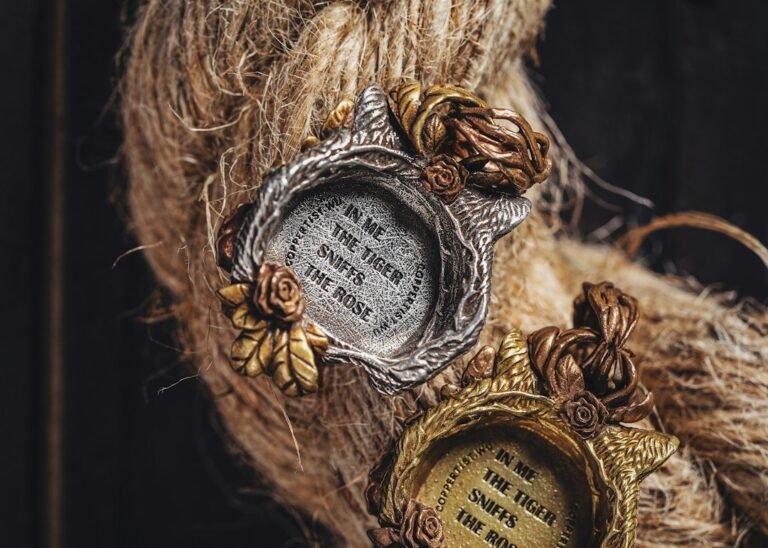
Why Do People Keep Ashes, Relics and Memorial Objects?
Hair, ashes, bones, clothing, photographs and relics allow the dead to remain materially present. Tradivior will examine why objects carry memory so powerfully and how continuing bonds differ from pathological…
Evidence Supported
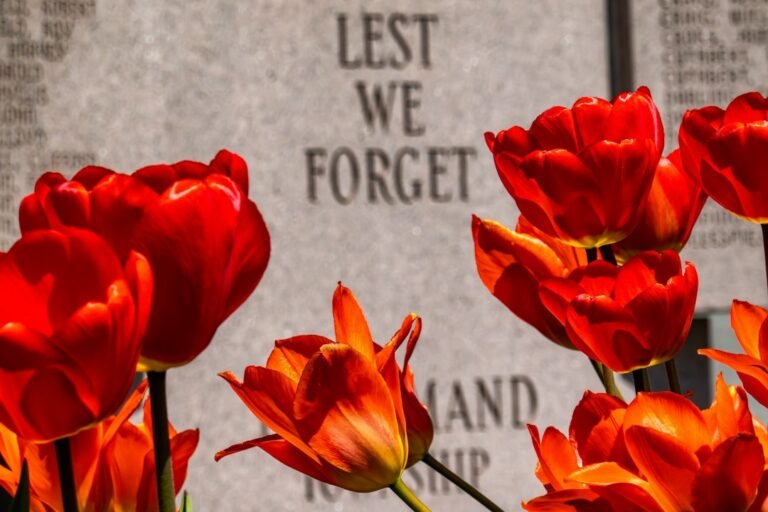
Why Do Cultures Set Aside Days to Remember the Dead?
From Pitru Paksha and Qingming to Día de Muertos and All Souls’ Day, cultures repeatedly create calendar time for the dead. Tradivior will compare how recurring remembrance renews kinship, grief…
Historically Practical
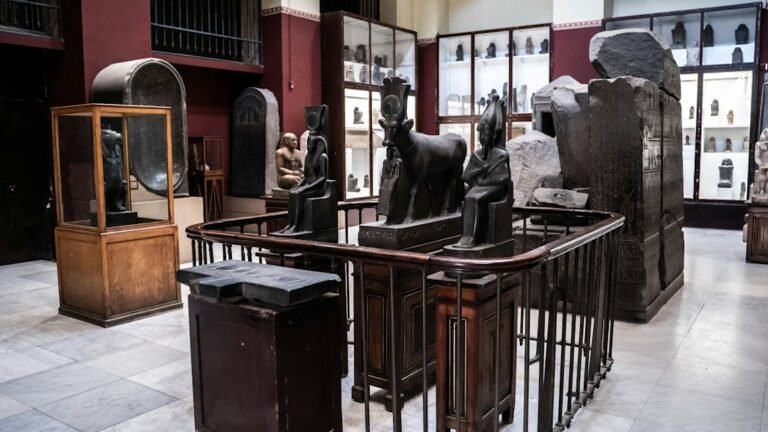
Why Do Cultures Preserve the Dead?
Mummification, embalming, freezing, smoking and desiccation reflect very different beliefs about bodies and afterlives. Tradivior will compare preservation traditions with the chemistry of decomposition and the practical limits of each…
Picked for your curiosity
Enable JavaScript to build a reading profile and see recommendations.