 tradivior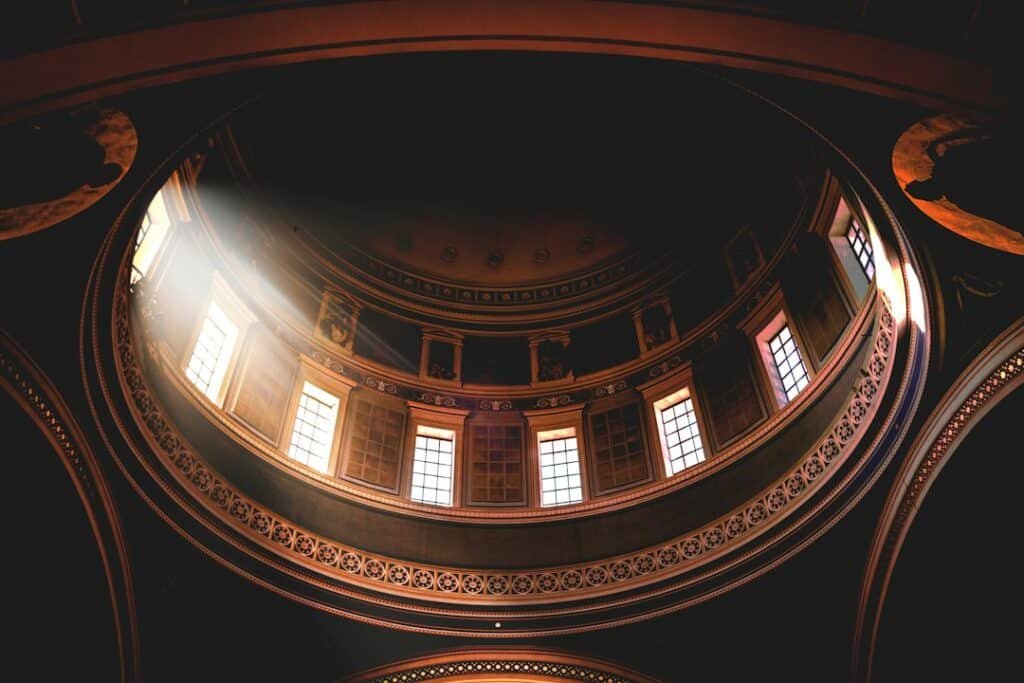
In this investigation
Sacred architecture changes sound because every enclosed volume changes sound. Domes can focus reflections. Vaults can prolong reverberation. Stone walls can preserve acoustic energy long after a syllable is spoken. Carpets, timber, bodies and furnishings absorb it. These effects are measurable, but they do not prove that every dramatic sacred acoustic was deliberately engineered in the modern scientific sense.
That distinction is central to this investigation. A church that sustains chant, a mosque that struggles with speech intelligibility, a cave that produces a striking echo and a domed chamber that concentrates sound can all be acoustically powerful for different reasons. Some effects were undoubtedly noticed and sometimes exploited. Others emerged from structural choices, materials, scale and ritual use.
The first rule: sacred sound is room acoustics
When a voice or instrument produces sound indoors, listeners hear both direct sound and reflections from surfaces. The timing, strength and direction of those reflections determine whether speech is clear, chant is enveloping, music feels spacious or echoes become distracting.
Modern acoustics describes these effects using measures such as reverberation time, clarity and speech transmission index. None of these concepts requires a sacred explanation; they are ordinary physical consequences of geometry, volume and surface absorption.
Why large stone interiors reverberate
Many historic sacred buildings are large and contain hard surfaces such as stone, brick, plaster, tile or marble. These materials reflect much more sound than soft furnishings do. A large enclosed volume also gives sound more space in which to persist.
That combination produces long reverberation. In churches it can enrich sustained singing and organ music while making rapid speech harder to understand. Modern reviews of church acoustics document this trade-off across many historic buildings.
Domes do not simply amplify sound
A common popular claim says that domes automatically amplify prayer or chant. The reality is more complicated. Curved surfaces can redirect reflections, sometimes concentrating them into particular zones. Depending on the dome’s geometry and position, this can produce useful support, uneven sound fields, flutter-like effects or acoustic focusing that designers may actually need to control.
Research on mosque acoustics illustrates the point. In large mosques, hard reflective surfaces and domed or vaulted forms can increase reverberation enough to reduce speech intelligibility. Contemporary mosque design often uses simulation and acoustic treatment precisely to prevent excessive focusing and echo.
Vaults and chambers create different reflection patterns
A barrel vault, groin vault, shallow dome, high nave and low crypt do not sound the same because their reflection paths differ. High ceilings delay some reflections. Parallel surfaces can produce repeated reflections. Concave surfaces can concentrate energy. Irregular surfaces and columns can scatter it.
These differences help explain why moving only a few metres inside a historic sacred space can change the perceived loudness or clarity of a voice.
Why chant can benefit from reverberation
Slow chant and sustained vocal music can sound fuller in reverberant rooms because each note overlaps slightly with what follows. This creates continuity and a sense of spaciousness. The same acoustic persistence that blurs rapid speech can therefore support certain musical forms.
This does not mean chant was invented because of architecture or that buildings were designed around one ideal reverberation time. Liturgy and architecture influenced one another over centuries, and different traditions developed different relationships between speech, recitation and music.
Why speech often suffers
Speech relies on rapid acoustic contrasts between consonants and syllables. If reflections arrive too strongly or too late, those contrasts blur. This is why a sermon, khutbah or spoken prayer can become hard to understand in a highly reverberant hall even when the speaker is loud.
Historic buildings responded in several ways: elevated pulpits or minbars improved line of sight and direct sound; congregational placement mattered; carpets and people added absorption; and later sound reinforcement changed the problem entirely.
Did ancient builders understand acoustics?
They certainly experienced it. Builders, clergy, singers and worshippers could hear whether a chamber carried sound well, produced unwanted echoes or supported chant. Practical acoustic knowledge does not require equations.
The harder question is intentionality. A building may possess striking acoustics because its makers deliberately refined sound, because geometry chosen for structural or symbolic reasons produced an acoustic side effect, or because later ritual adapted to the sound field. Historical evidence must distinguish those possibilities.
Why cave sanctuaries can feel acoustically dramatic
Rock-cut spaces often have dense reflective boundaries, confined volumes and irregular surfaces. A chant or clap can therefore return as strong reverberation or discrete echoes. In a ritual setting, that response may feel as though the space itself participates.
But a dramatic echo is not evidence for a hidden frequency technology. The simplest explanation is room geometry plus reflective stone.
Can sacred acoustics affect emotion?
Yes, plausibly. Reverberation can make voices sound larger, more distant or less tied to one visible source. Envelopment can increase the sense of scale and alter emotional response. Music psychology also shows that acoustic context changes how sound is perceived.
What acoustics cannot establish is that a particular reverberation proves divine presence, heals disease or activates a specific organ. Those are separate claims requiring separate evidence.
What modern measurement has clarified
Decades of church-acoustics research show that historic worship spaces occupy very different positions on the trade-off between musical richness and speech clarity. Mosque studies similarly show that dome geometry, room volume, carpets and reflective surfaces strongly affect intelligibility and reverberation.
A 2025 review of acoustic preservation in historical worship spaces also emphasizes that acoustics are part of cultural heritage in their own right: renovations can change the sonic identity of a building just as surely as altering its visual fabric.
What survives scrutiny?
- Geometry, volume and surface materials strongly affect sacred-space acoustics.
- Large hard-surfaced interiors usually increase reverberation.
- Domes can focus sound, but they can also create uneven coverage and intelligibility problems.
- Reverberation can enrich sustained chant and music while blurring rapid speech.
- Historic communities could develop practical acoustic knowledge without modern formulas.
- Acoustic effects do not by themselves prove deliberate ancient engineering.
- Claims about healing frequencies or hidden energetic mechanisms require evidence beyond room acoustics.
The Tradivior Evidence Profile
Historical Authenticity — Strong. Sacred buildings across cultures plainly used domes, vaults, caves and large chambers in contexts where chant, recitation, music and speech mattered.
Original-Purpose Evidence — Moderate. Sound was important, but the extent to which acoustics drove individual architectural decisions varies by building and period.
Scientific Mechanism — Strong. Reflection, absorption, reverberation, diffusion and acoustic focusing are well-established physical mechanisms.
Experimental Evidence — Strong. Churches, mosques and historical worship spaces have been extensively measured using modern room-acoustic methods.
Cross-Cultural Evidence — Strong. Comparable acoustic effects appear in Christian, Islamic, Buddhist, Hindu and other built or rock-cut ritual spaces.
Modern Relevance — Strong. Preservation, renovation, sound reinforcement and worship design still depend on these acoustic principles.
The Tradivior Conclusion
Sacred architecture changes sound because architecture changes sound everywhere. What makes the sacred case distinctive is the ritual importance attached to what the room does to the voice.
The strongest evidence supports a cumulative explanation: structure, materials, scale, practical listening, ritual adaptation and symbolism interacted over time. Modern acoustics validates the physical effects while cautioning against a leap from impressive sound to claims of lost advanced science or therapeutic frequency design.
Sources and further reading
- Girón S, Álvarez-Morales L, Zamarreño T. Church acoustics: A state-of-the-art review after several decades of research. Journal of Sound and Vibration. 2017.
- Research on the Doğramacızade Ali Paşa Mosque demonstrates measurable effects of dome geometry, reverberation and speech intelligibility in mosque design.
- Rosseel H, van Waterschoot T. A state-of-the-art review on acoustic preservation of historical worship spaces through auralization. Signal Processing. 2025.
Continue exploring

Partially Supported
Why Do People Keep Ashes, Relics and Memorial Objects?
Hair, ashes, bones, clothing, photographs and relics allow the dead to remain materially present. Tradivior will examine why objects carry memory so powerfully and how continuing bonds differ from pathological…

Evidence Supported
Why Do Cultures Set Aside Days to Remember the Dead?
From Pitru Paksha and Qingming to Día de Muertos and All Souls’ Day, cultures repeatedly create calendar time for the dead. Tradivior will compare how recurring remembrance renews kinship, grief…
Historically Practical
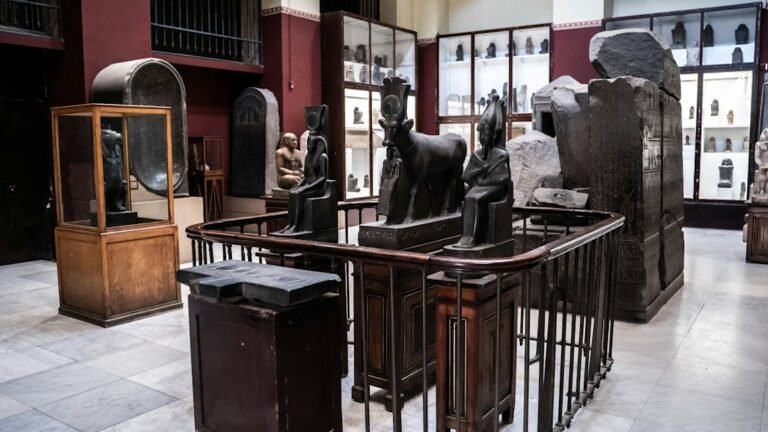
Why Do Cultures Preserve the Dead?
Mummification, embalming, freezing, smoking and desiccation reflect very different beliefs about bodies and afterlives. Tradivior will compare preservation traditions with the chemistry of decomposition and the practical limits of each…
Primarily Symbolic/Cultural
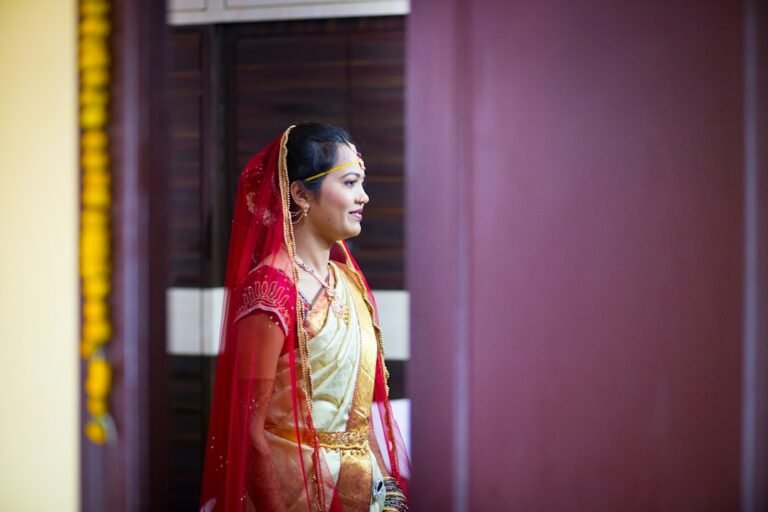
Why Do People Change Names, Clothes or Homes After Marriage?
Marriage often transforms identity through surname changes, new dress, residence, kinship terms or household membership. Tradivior will investigate why marriage needs visible social consequences beyond the ceremony itself.
Picked for your curiosity
Enable JavaScript to build a reading profile and see recommendations.