 tradivior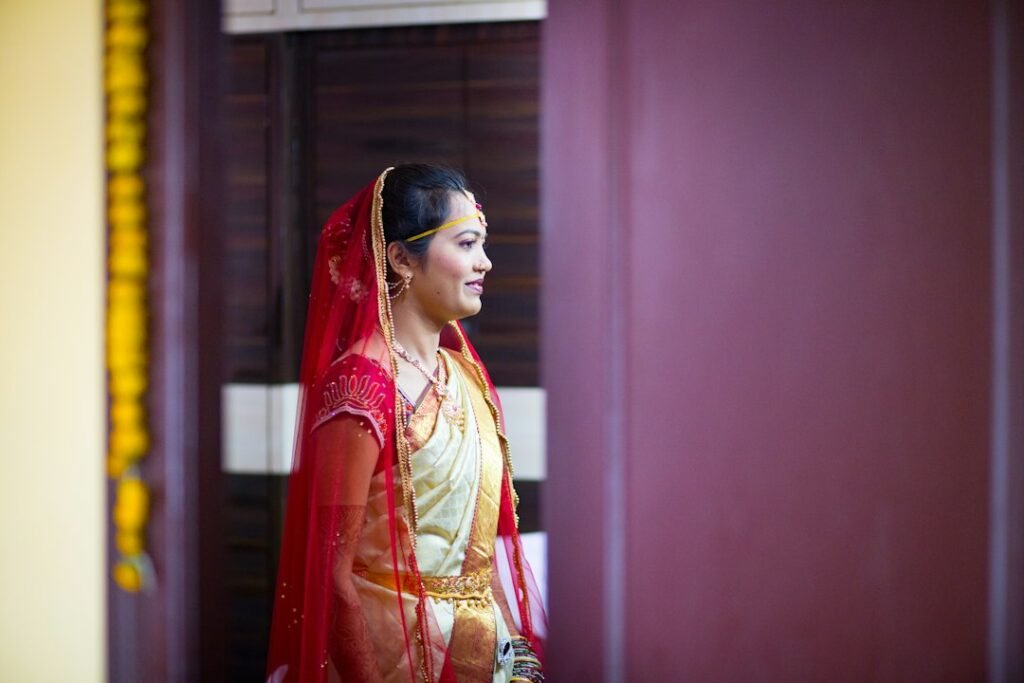
In this investigation
People change names, clothes or homes after marriage because marriage creates a new social relationship that communities need to make visible. A wedding may join households, transfer residence, alter inheritance, create affinal kin and change public identity.
Material changes—surname, clothing, jewelry, residence or hairstyle—turn that legal and social transition into something others can recognize.
Marriage links families, not only individuals
In many societies, marriage creates obligations between kin groups, affecting property, ritual and future children.
Visible markers help communicate that new network.
Name changes signal affiliation
Taking a spouse’s surname, adopting a new personal name or changing titles can indicate movement into a new family identity.
These practices vary widely and are often gendered.
Patrilocal residence is one common pattern
In patrilocal systems, a bride moves to or near the husband’s family. In matrilocal systems, the reverse may occur.
Other societies favor neolocal households or flexible residence.
Residence shapes power
Moving into a spouse’s family home can reduce a newcomer’s autonomy while increasing access to support and resources.
Marriage residence is therefore a social institution, not just tradition.
Clothing communicates marital status
Wedding rings, sindoor, mangalsutra, specific head coverings or clothing styles can mark a person as married.
The exact symbol is culturally specific.
Visible status reduces ambiguity
In communities where marriage affects courtship, inheritance or ritual role, visible markers tell others how to interact.
This is an information function.
Gender asymmetry matters
Women are more often expected than men to change names, residence or clothing after marriage in many societies.
Tradition therefore reflects power as well as symbolism.
Modern couples renegotiate the rules
Dual surnames, retained birth names, independent residence and shared symbols are increasingly common in many places.
This shows that the core institution can persist while markers change.
Migration changes marriage identity
Couples living far from extended family may rely more on legal documents and personal symbols than on residence within a kin group.
Urbanization weakens some older patterns.
Why homes change after marriage
A new household can make the couple an independent economic unit. Alternatively, moving into an extended household integrates labor and care.
Both strategies respond to property and kinship organization.
What survives scrutiny?
- Marriage creates new social, legal and kinship relationships.
- Name, clothing and residence changes make marital status visible.
- Residence patterns include patrilocal, matrilocal and neolocal arrangements.
- Marriage markers often show gender asymmetry.
- Visible status can reduce social ambiguity.
- Modern couples increasingly renegotiate inherited markers without abandoning marriage itself.
The Tradivior Evidence Profile
Historical Authenticity — Strong. Post-marriage changes in name, dress and residence are widely documented.
Original-Purpose Evidence — Strong. Affiliation, marital status, kinship and household formation are explicit.
Scientific Mechanism — Strong for identity-signaling and kinship reorganization.
Experimental Evidence — Moderate. Social signaling and household effects are well studied, while specific customs are historical.
Cross-Cultural Evidence — Strong. Marriage transitions appear globally but vary greatly.
Modern Relevance — Strong. Name choice, residence and gender equality remain active debates.
The Tradivior Conclusion
People change names, clothes or homes after marriage because a new relationship needs to become socially visible and institutionally real.
The markers are not biologically necessary. They are social technologies for signaling affiliation, household membership and kinship—technologies that communities can and do renegotiate.
Sources & further reading
- Anthropological literature on marriage, residence and kinship.
- Sociological research on surnames, household formation and gender.
- Comparative studies of marital-status markers.
Continue exploring
Partially Supported
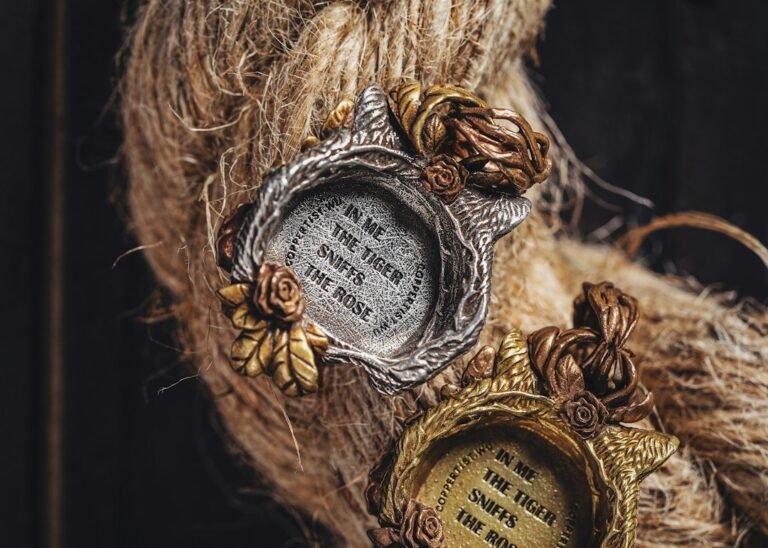
Why Do People Keep Ashes, Relics and Memorial Objects?
Hair, ashes, bones, clothing, photographs and relics allow the dead to remain materially present. Tradivior will examine why objects carry memory so powerfully and how continuing bonds differ from pathological…
Evidence Supported
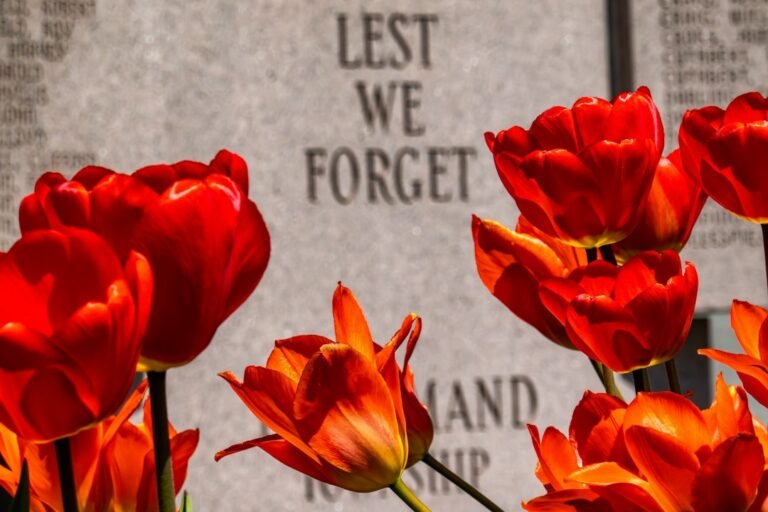
Why Do Cultures Set Aside Days to Remember the Dead?
From Pitru Paksha and Qingming to Día de Muertos and All Souls’ Day, cultures repeatedly create calendar time for the dead. Tradivior will compare how recurring remembrance renews kinship, grief…
Historically Practical
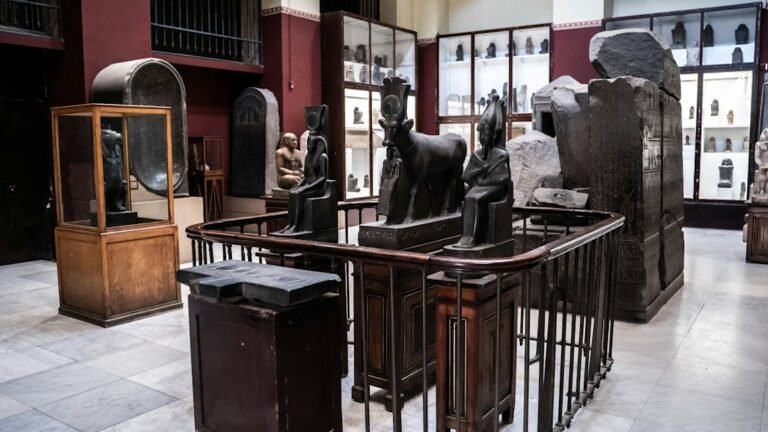
Why Do Cultures Preserve the Dead?
Mummification, embalming, freezing, smoking and desiccation reflect very different beliefs about bodies and afterlives. Tradivior will compare preservation traditions with the chemistry of decomposition and the practical limits of each…

Historically Practical
Why Did Cremation Become Central to Hindu Death Ritual?
Cremation has deep roots in many Hindu traditions but varies by community, age, status and circumstance. Tradivior will investigate its historical logic, environmental consequences and modern changes without treating one…
Picked for your curiosity
Enable JavaScript to build a reading profile and see recommendations.