 tradivior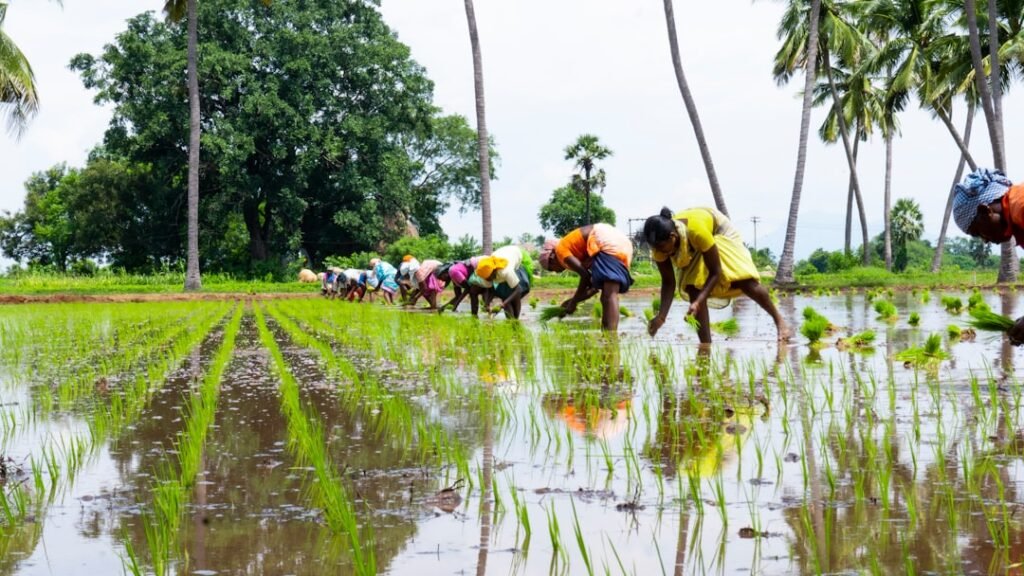
In this investigation
Harvest calendars became religious calendars because agriculture once organized nearly every part of social life. Sowing and harvest determined labour, food availability, taxation, debt, marriage timing, migration and survival. When the harvest succeeded, communities had both the resources and the reason to celebrate.
Religious festivals often preserved those seasonal transitions, but they did more than copy agriculture. Over time they accumulated theology, myth, identity and political meaning that could survive even when most participants no longer farmed.
Agriculture creates recurring social bottlenecks
Farming concentrates effort into particular periods: land preparation, sowing, weeding, harvesting, threshing and storage.
Those periods require coordination. A calendar helps communities know when labour, tools and animals must be mobilized.
Harvest is a natural moment of accounting
Once grain or other crops are gathered, households know whether the season has succeeded. Food can be stored, sold, taxed or redistributed.
This makes harvest a logical point for thanksgiving, offerings and settlement of obligations.
Religious offerings turn surplus into social meaning
First fruits, grain, wine, milk or other produce can be offered before ordinary consumption. Such acts acknowledge dependence on gods, ancestors or community.
The food is materially real; the meaning attached to it is religious.
Harvest festivals redistribute food
Feasts convert private stores into public sharing. Elites may sponsor meals, households exchange gifts and poorer members gain temporary access to richer foods.
Festivals therefore help circulate surplus while reinforcing status and reciprocity.
Taxation and religion can overlap
Temples, states and landlords historically collected produce at harvest. Ritual calendars could align with administrative calendars because both depended on when crops became available.
This is one reason agricultural and political time are often difficult to separate.
India offers many regional examples
Pongal, Makar Sankranti, Baisakhi, Onam and numerous local festivals connect seasonal change, harvest, cattle, food and religious identity in different ways.
They should not be treated as one uniform “Indian harvest festival.” Their histories, crop systems and theological meanings differ.
Pongal makes the agricultural relationship explicit
In Tamil Nadu, Pongal is closely associated with the harvest season, newly gathered rice, cattle and solar transition.
Its ritual food turns agricultural produce into a ceremonial object, making the harvest visible within household worship.
Baisakhi links agriculture and Sikh history
In Punjab, Baisakhi coincides with the wheat harvest but also carries major Sikh religious significance because of its association with the founding of the Khalsa in 1699.
This is a clear example of a festival whose agricultural and religious meanings overlap without being reducible to one another.
Onam shows how myth can exceed harvest
Onam is associated with Kerala’s agrarian cycle, but its most recognizable narrative concerns King Mahabali.
Once myth, state identity and public celebration accumulate, calling the festival “just a harvest ritual” becomes historically inadequate.
Harvest calendars track local ecology
Rice, wheat, millet, grapes and olives mature at different times. Rainfall and temperature also vary across regions.
Religious calendars therefore tend to reflect local crop systems rather than one universal agricultural schedule.
Phenology is the scientific bridge
Phenology studies the timing of recurring biological events such as flowering, fruiting and crop maturity.
Temperature, rainfall, day length and cultivar all influence harvest timing, which means agricultural calendars contain real ecological information.
A fixed festival date can outlive flexible harvest timing
Once a festival is attached to a formal calendar, it may become more stable than the crop cycle that helped shape it.
Weather can push harvest earlier or later while the ritual date remains fixed.
This creates evidence for historical change
If a festival and harvest no longer coincide perfectly, that does not prove they were never connected.
It shows that social institutions can become less environmentally dependent over time.
Climate change increases this mismatch
Rising temperatures, altered rainfall and extreme weather are shifting crop phenology in many regions.
Traditional festivals may therefore occur under ecological conditions different from those experienced by earlier generations.
Migration creates another mismatch
A harvest festival carried to a city or another country can survive without local farming.
Food is purchased rather than harvested, yet the festival continues because identity and memory have become more important than direct agricultural timing.
Why harvest festivals feel emotionally powerful
Harvest resolves months of uncertainty. People finally know whether labour has produced enough food.
Celebration can therefore express relief as much as gratitude.
Collective work makes collective ritual plausible
Harvest often required shared labour. When many households depend on one another to bring crops in quickly, a communal feast after the work is socially coherent.
Ritual helps convert cooperation into remembered obligation.
Food abundance changes ritual scale
Communities are more able to sponsor feasts, sacrifice animals or distribute gifts when food is relatively abundant.
This practical timing can shape festival intensity without determining theology.
Harvest rituals can stabilize reciprocity
Giving grain, food or hospitality at harvest builds networks that may matter later during scarcity.
Anthropological theories of gift exchange help explain why agricultural festivals often involve obligatory generosity.
Religious calendars also preserve risk management
Communities may use rituals to mark the beginning of sowing, pray for rain or thank supernatural powers after harvest.
These acts respond to real uncertainty, even if the ritual itself does not control weather or crop biology.
Why ecological explanations can become too neat
It is tempting to claim that every festival was invented to optimize agriculture. Historical evidence rarely supports such single-purpose stories.
Myth, politics, theology and social hierarchy can become equally important or more important than crop timing.
Religious calendars can preserve obsolete agricultural memory
Urban participants may celebrate with foods, songs and symbols that refer to farming practices they no longer perform.
The festival becomes an archive of earlier economic life.
Modern states can reshape harvest festivals
Governments may promote regional festivals as tourism or national heritage. Media can standardize practices that were once highly local.
This can increase visibility while simplifying diversity.
How should scientific claims be tested?
If a claim says a festival date tracks crop maturity, researchers can compare historical phenology and climate records.
If a claim says the ritual itself improves yield, controlled agricultural evidence would be required. These are entirely different propositions.
What survives scrutiny?
- Agricultural cycles strongly shaped labour, food supply, taxation and social time in farming societies.
- Harvest is a natural moment for thanksgiving, redistribution and collective celebration.
- Many religious festivals retain clear links to local crop cycles.
- Festival meanings often expand beyond agriculture through myth, politics and identity.
- Crop phenology is scientifically measurable and sensitive to climate.
- Fixed ritual dates can drift away from changing harvest timing.
- Climate change and migration can weaken the original ecological alignment while preserving the festival.
- Agricultural usefulness does not prove that every religious meaning was designed as ecological management.
The Tradivior Evidence Profile
Historical Authenticity — Strong. Harvest-linked festivals and agricultural ritual calendars are extensively documented across agrarian societies.
Original-Purpose Evidence — Strong. Thanksgiving, first-fruit offering, harvest completion and communal redistribution are explicit in many traditions.
Scientific Mechanism — Strong for seasonal agriculture; Limited for ritual efficacy. Crop phenology responds predictably to climate and season, while ritual performance does not itself determine yield.
Experimental Evidence — Moderate. Ecological and phenological relationships are measurable; specific ritual-origin claims require historical evidence.
Cross-Cultural Evidence — Strong. Harvest ritual appears across many unrelated farming societies.
Modern Relevance — Strong. Harvest festivals remain major cultural institutions even in urban and diasporic settings.
The Tradivior Conclusion
Harvest calendars became religious calendars because agriculture once structured the year more powerfully than almost any other activity.
The strongest evidence supports a layered history: environmental timing created recurring social transitions, while religion transformed those transitions into stories, obligations and collective memory. Modern festivals can survive long after direct dependence on farming weakens, showing that cultural time can outlive ecological time.
Sources & further reading
- Anthropological literature on agrarian ritual, first-fruit offerings and harvest festivals.
- FAO and agricultural research on crop calendars and phenology.
- Regional scholarship on Pongal, Baisakhi, Onam and South Asian agrarian festivals.
- Research on climate change and shifting crop phenology.
Continue exploring

Partially Supported
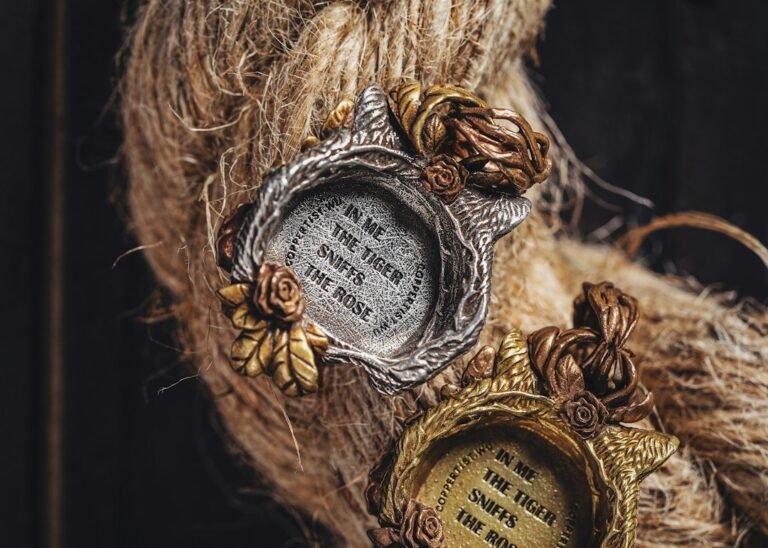
Why Is the Ganga Sacred?
The Ganga is river, goddess, pilgrimage route, purifier and national symbol. Tradivior will trace how these layers developed and evaluate modern claims about unusual self-purifying properties without confusing microbial findings…
Partially Supported
Why Do People Keep Ashes, Relics and Memorial Objects?
Hair, ashes, bones, clothing, photographs and relics allow the dead to remain materially present. Tradivior will examine why objects carry memory so powerfully and how continuing bonds differ from pathological…
Evidence Supported
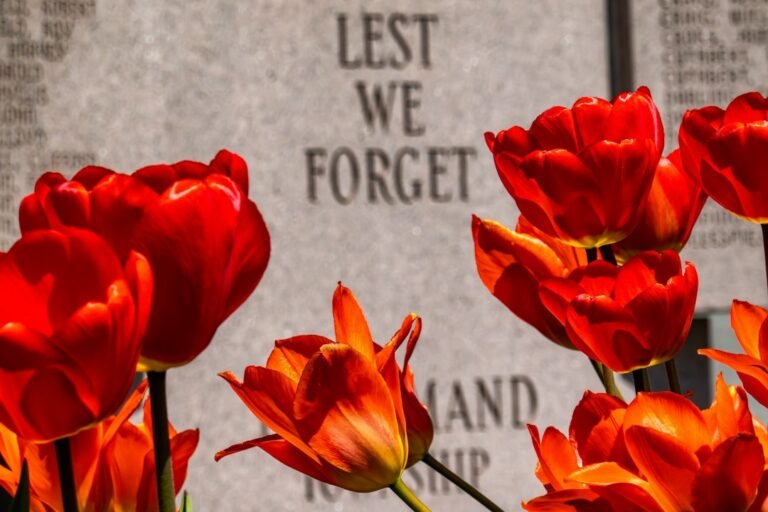
Why Do Cultures Set Aside Days to Remember the Dead?
From Pitru Paksha and Qingming to Día de Muertos and All Souls’ Day, cultures repeatedly create calendar time for the dead. Tradivior will compare how recurring remembrance renews kinship, grief…

Historically Practical
Why Do Cultures Preserve the Dead?
Mummification, embalming, freezing, smoking and desiccation reflect very different beliefs about bodies and afterlives. Tradivior will compare preservation traditions with the chemistry of decomposition and the practical limits of each…
Picked for your curiosity
Enable JavaScript to build a reading profile and see recommendations.