 tradivior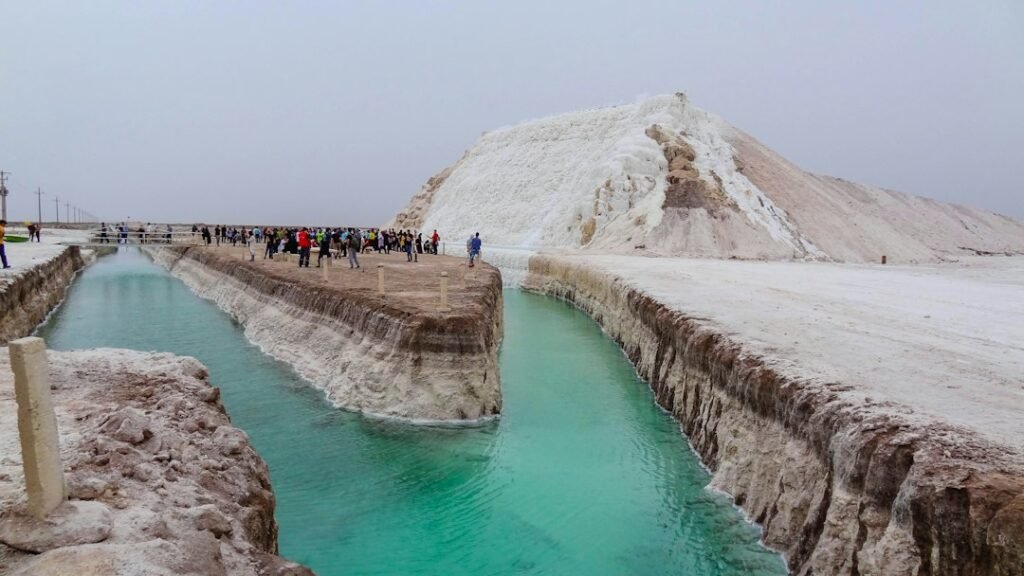
In this investigation
Civilizations built tanks, canals and qanats because rainfall is uneven while human demand for water is continuous. Hydraulic infrastructure stores water when it is abundant, moves it where it is needed and buffers communities against dry seasons.
The engineering principles are measurable and often sophisticated, but the systems were also social institutions requiring maintenance, rules and political authority.
Tanks convert seasonal rain into stored supply
Reservoirs and tanks capture runoff so water remains available after rain stops.
South Asia developed extensive networks of village tanks, temple tanks and large reservoirs suited to monsoon climates.
Canals move water across landscapes
Gravity-fed canals redirect river water toward fields and settlements.
Their effectiveness depends on slope, sediment control, gates and maintenance.
Qanats move groundwater without pumps
Qanats use gently sloping underground tunnels to tap aquifers or alluvial groundwater and deliver it downslope by gravity.
Vertical shafts provide access for excavation and maintenance.
Underground flow reduces evaporation
In hot arid climates, keeping much of the water underground protects it from direct solar heating and evaporation.
This is a real engineering advantage of qanat systems.
Water systems are matched to local hydrology
A qanat works only where groundwater, slope and geology permit it. A monsoon tank depends on catchment runoff. River canals require suitable flows.
Traditional water engineering is therefore place-specific rather than one universal ancient technology.
India’s tank systems shaped settlement
In parts of peninsular India, linked tanks captured runoff sequentially across watersheds.
These systems supported irrigation, livestock and local groundwater recharge.
Stepwells combine access and architecture
Western Indian stepwells allowed users to descend toward fluctuating groundwater while creating shaded social and religious spaces.
Their monumental form should not obscure their hydraulic function.
Canals can create environmental costs
Poor drainage can lead to waterlogging and salinization. Diversions can reduce downstream flows.
Ancient or traditional infrastructure is not automatically sustainable.
Maintenance determines survival
Silt accumulates, embankments fail and tunnels collapse without regular labor.
Many systems therefore depended on collective institutions as much as engineering.
Water rights matter
Who receives water first, how much they receive and who must maintain channels are political questions.
Hydraulic systems can support cooperation or reinforce inequality.
Why some traditional systems are being revived
Local rainwater harvesting, tank restoration and groundwater recharge can complement modern centralized infrastructure.
Revival works best when based on present hydrology rather than nostalgia.
What survives scrutiny?
- Tanks, canals and qanats solve real problems of storage and distribution.
- Gravity and underground conveyance can reduce energy use and evaporation.
- Traditional systems are tightly adapted to local geology and climate.
- Maintenance institutions are as important as physical structures.
- Irrigation can also cause salinity, waterlogging and downstream impacts.
- Historical systems can inform modern adaptation but should not be copied without current hydrological analysis.
The Tradivior Evidence Profile
Historical Authenticity — Strong. Archaeology and surviving infrastructure document large hydraulic traditions.
Original-Purpose Evidence — Strong. Storage, irrigation, settlement supply and drought buffering are explicit.
Scientific Mechanism — Strong. Hydrology, gravity flow, evaporation and storage explain function.
Experimental Evidence — Strong. Hydraulic performance can be measured directly.
Cross-Cultural Evidence — Strong. Water infrastructure developed independently in many civilizations.
Modern Relevance — Strong. Water scarcity and climate variability make decentralized systems newly important.
The Tradivior Conclusion
Civilizations built tanks, canals and qanats because reliable settlement requires transforming variable water into managed water.
The achievement is both engineering and governance. A channel without maintenance institutions fails; a reservoir without fair allocation can create conflict. Traditional water systems worked when material design and social organization reinforced each other.
Sources & further reading
- UNESCO documentation on Persian qanats and historic hydraulic systems.
- Archaeological and historical research on South Asian tank irrigation and stepwells.
- Hydrology literature on groundwater recharge, canal irrigation and salinization.
Continue exploring

Evidence Supported
Why Do Cultures Set Aside Days to Remember the Dead?
From Pitru Paksha and Qingming to Día de Muertos and All Souls’ Day, cultures repeatedly create calendar time for the dead. Tradivior will compare how recurring remembrance renews kinship, grief…

Partially Supported
Why Do People Keep Ashes, Relics and Memorial Objects?
Hair, ashes, bones, clothing, photographs and relics allow the dead to remain materially present. Tradivior will examine why objects carry memory so powerfully and how continuing bonds differ from pathological…
Historically Practical
Why Do Cultures Preserve the Dead?
Mummification, embalming, freezing, smoking and desiccation reflect very different beliefs about bodies and afterlives. Tradivior will compare preservation traditions with the chemistry of decomposition and the practical limits of each…

Primarily Symbolic/Cultural
Why Do People Change Names, Clothes or Homes After Marriage?
Marriage often transforms identity through surname changes, new dress, residence, kinship terms or household membership. Tradivior will investigate why marriage needs visible social consequences beyond the ceremony itself.
Picked for your curiosity
Enable JavaScript to build a reading profile and see recommendations.