 tradivior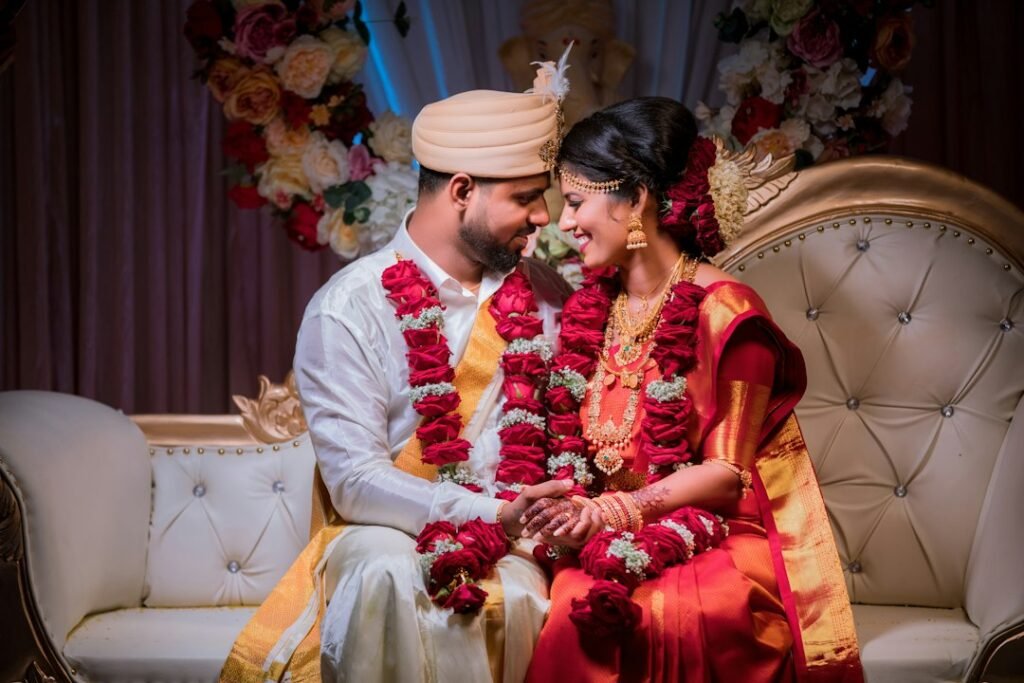
In this investigation
Some South Indian communities celebrate a girl’s first menstruation because menarche marks an unmistakable biological transition that can be converted into a social one. Puberty ceremonies publicly recognize that the girl’s reproductive status has changed, bringing new expectations around clothing, kinship, ritual and gender.
The celebration can provide affirmation and support, but it can also intensify stigma, surveillance or pressure toward marriage. Both dimensions deserve attention.
Menarche is a clear biological milestone
First menstruation is visible and memorable, unlike many gradual pubertal changes.
This makes it an easy event around which to build a rite of passage.
Ritual turns biology into social status
Menstruation alone changes physiology. Ceremony changes how family and community interpret the girl.
New clothing, gifts, bathing, food and public recognition can signal the transition.
South Indian practices vary
Tamil, Telugu, Kannada and Malayalam-speaking communities include diverse puberty ceremonies with different names, scales and religious elements.
There is no single “South Indian puberty ritual.”
Seclusion often precedes celebration
Some traditions temporarily separate the girl during initial menstruation before bathing and reintegration.
The sequence resembles other rites of passage: separation, transition and return.
Van Gennep’s model is useful but not complete
Anthropologist Arnold van Gennep described rites of passage as moving through separation, liminality and incorporation.
Puberty ceremonies often fit this pattern, but local meanings should not be forced into a universal template.
Celebration can reduce shame
Gifts and family attention can frame menstruation as a recognized milestone rather than something purely secret or dirty.
This can support body acceptance when handled respectfully.
Publicity can also create embarrassment
Some adolescents dislike having private reproductive information announced widely.
Modern consent should matter when families continue the tradition.
Marriage expectations can enter the ritual
Historically, menarche could signal future marriageability in societies where reproductive adulthood carried immediate social consequences.
That association can be inappropriate when applied to children today.
Menarche does not equal adult readiness
Biological fertility begins before psychological, educational or social adulthood is complete.
Modern health and rights frameworks therefore reject treating first menstruation as readiness for marriage or pregnancy.
Health education is an opportunity
A puberty ceremony can become a moment to provide accurate information about menstrual hygiene, pain, anemia, reproductive health and when to seek medical care.
This is a constructive way to adapt tradition.
Nutrition matters during adolescence
Menstruating adolescents need adequate iron and overall nutrition. Heavy menstrual bleeding can contribute to anemia.
Celebratory foods are culturally meaningful, but ongoing nutrition matters more than one ceremonial meal.
What survives scrutiny?
- Menarche is a clear biological marker that communities can turn into a rite of passage.
- South Indian puberty ceremonies are diverse rather than uniform.
- Ritual can provide recognition, gifts and support.
- It can also create stigma, embarrassment or premature marriage expectations.
- Menarche does not mean a girl is socially or medically ready for marriage or pregnancy.
- Modern ceremonies can incorporate consent and evidence-based menstrual health education.
The Tradivior Evidence Profile
Historical Authenticity — Strong. Menarche ceremonies are well documented in South Indian communities.
Original-Purpose Evidence — Strong. Recognition of reproductive transition, purity change and social status is explicit.
Scientific Mechanism — Strong for social-transition and support mechanisms.
Experimental Evidence — Moderate. Menstrual health and adolescent development are well studied; ritual effects vary by context.
Cross-Cultural Evidence — Strong. Puberty rites occur worldwide.
Modern Relevance — Strong. These ceremonies remain practiced and are actively renegotiated around privacy and rights.
The Tradivior Conclusion
South Indian first-menstruation ceremonies transform a biological milestone into a public social transition.
The tradition can affirm growing up and mobilize family support, but modern practice should protect the girl’s consent, privacy and future autonomy. Menarche is a milestone—not a declaration of adult readiness.
Sources & further reading
- Anthropological studies of South Indian puberty and menarche ceremonies.
- WHO and UNICEF resources on adolescent and menstrual health.
- Van Gennep A. The Rites of Passage.
Continue exploring

Partially Supported
Why Is the Ganga Sacred?
The Ganga is river, goddess, pilgrimage route, purifier and national symbol. Tradivior will trace how these layers developed and evaluate modern claims about unusual self-purifying properties without confusing microbial findings…
Partially Supported
Why Do People Keep Ashes, Relics and Memorial Objects?
Hair, ashes, bones, clothing, photographs and relics allow the dead to remain materially present. Tradivior will examine why objects carry memory so powerfully and how continuing bonds differ from pathological…

Evidence Supported
Why Do Cultures Set Aside Days to Remember the Dead?
From Pitru Paksha and Qingming to Día de Muertos and All Souls’ Day, cultures repeatedly create calendar time for the dead. Tradivior will compare how recurring remembrance renews kinship, grief…

Historically Practical
Why Do Cultures Preserve the Dead?
Mummification, embalming, freezing, smoking and desiccation reflect very different beliefs about bodies and afterlives. Tradivior will compare preservation traditions with the chemistry of decomposition and the practical limits of each…
Picked for your curiosity
Enable JavaScript to build a reading profile and see recommendations.