 tradivior
In this investigation
Cremation became central to many Hindu death rituals because fire is understood as a powerful agent of transformation. The body is returned to elemental processes while ritual action helps move the deceased from embodied social person toward ancestor and postmortem destiny.
The practice has deep historical roots but is not universal among all Hindus. Infants, ascetics, certain sects and regional communities may follow different funerary customs.
Fire transforms rapidly
Burial allows decomposition over months or years. Cremation changes the body visibly within hours through heat, oxidation and evaporation.
That rapid transformation makes fire a compelling ritual medium.
Agni already had sacrificial significance
Vedic ritual treats fire as a mediator carrying offerings toward deities. Funerary use therefore exists within a broader ritual culture of fire.
The deceased body can be incorporated into a sacrificial framework without being reducible to it.
Classical texts describe cremation and post-cremation rites
Dharmashastra, Grihya and later ritual traditions give detailed procedures around death, cremation, bone collection and mourning.
Practice varies across region, caste, sect and family.
The corpse is socially transformed
Death creates an unstable category: the person is no longer alive but has not yet been fully integrated into ancestral memory.
Funeral rites help manage that transition.
Antyeshti means the final sacrifice or rite
The Hindu funeral is often described as the last samskara, completing a sequence of life-cycle rites.
Cremation therefore belongs to a larger ritual biography.
Why the eldest son often has a role
Many traditions assign key funeral actions to a son or male kin, reflecting lineage and inheritance structures.
Modern families increasingly renegotiate gendered roles, and women may participate more directly.
Varanasi intensifies cremation theology
Cremation on the Ganga at Varanasi is associated with liberation and sacred geography in many Hindu traditions.
The religious claim is theological; the social reality of pilgrimage and funeral economies is observable.
Ashes are often immersed in water
After cremation, remains may be collected and immersed in a sacred river or other water body.
This creates an additional transition from body to dispersed memory.
Cremation is not complete annihilation
Modern cremation leaves mineralized bone fragments that are processed into the material commonly called ashes.
The chemistry differs from the everyday image of a body simply turning into powder.
Traditional wood pyres use significant fuel
Open-air cremation can consume substantial wood and produce particulate matter, carbon monoxide and other emissions.
Environmental impact depends on fuel, combustion efficiency and number of cremations.
Electric and gas crematoria change the technology
Modern furnaces can reduce wood demand and improve combustion control.
Acceptance varies because technology interacts with expectations about ritual fire and participation.
Alternative pyre designs seek compromise
Improved cremation platforms and more efficient wood systems attempt to preserve visible ritual while reducing fuel use.
Environmental adaptation does not necessarily require abandoning tradition.
What survives scrutiny?
- Cremation has deep historical importance in many Hindu traditions but is not universal.
- Fire fits a broader Hindu and Vedic symbolism of offering and transformation.
- Funeral rites move the deceased through a social and ritual transition toward ancestorhood.
- Cremation leaves processed bone remains rather than literal fine ash alone.
- Traditional wood pyres have measurable fuel and air-pollution impacts.
- Claims about liberation or postmortem destiny belong to theology rather than experimental science.
The Tradivior Evidence Profile
Historical Authenticity — Strong. Hindu cremation and associated rites are extensively documented.
Original-Purpose Evidence — Strong. Final rites, transformation, ancestor transition and sacred duty are explicit.
Scientific Mechanism — Strong for combustion and body-disposal mechanisms; metaphysical liberation claims are not experimentally testable.
Experimental Evidence — Strong for combustion physics; Moderate for environmental comparisons.
Cross-Cultural Evidence — Strong. Cremation occurs in many societies, though Hindu theology is distinctive.
Modern Relevance — Strong. Environmental impact, urban infrastructure and changing ritual roles remain active issues.
The Tradivior Conclusion
Cremation became central to Hindu death ritual because fire transforms the body quickly while fitting a religious language of sacrifice, release and transition.
Modern science explains combustion and environmental impact; it cannot adjudicate liberation or ancestorhood. The practice is best understood as theology enacted through a physically powerful transformation process.
Sources & further reading
- Hindu Grihya, Dharmashastra and ethnographic literature on antyeshti.
- Parry J. Death in Banaras.
- Environmental research on open-air and modern cremation technologies.
Continue exploring
Partially Supported
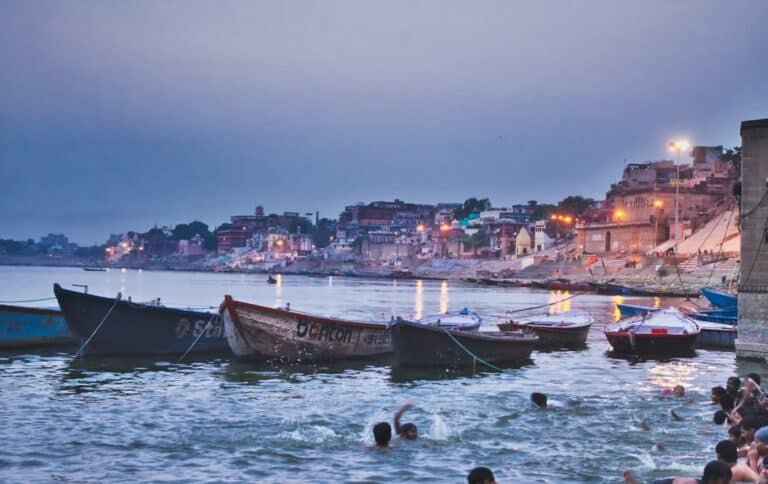
Why Is the Ganga Sacred?
The Ganga is river, goddess, pilgrimage route, purifier and national symbol. Tradivior will trace how these layers developed and evaluate modern claims about unusual self-purifying properties without confusing microbial findings…
Partially Supported
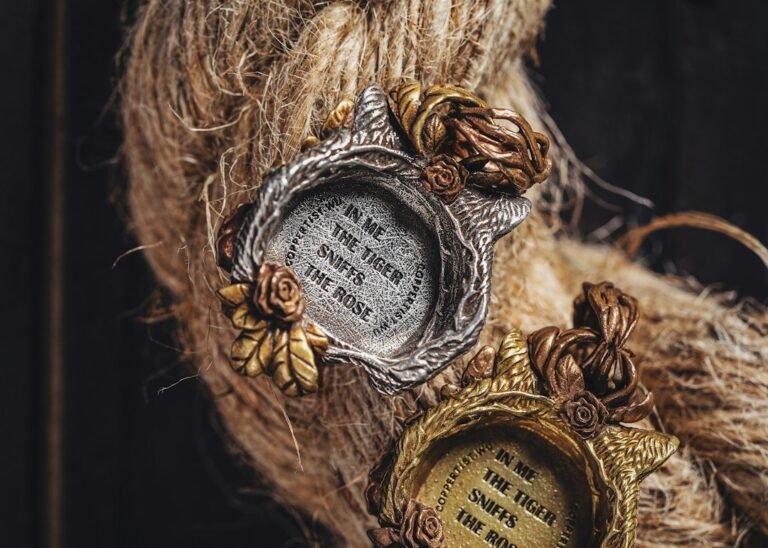
Why Do People Keep Ashes, Relics and Memorial Objects?
Hair, ashes, bones, clothing, photographs and relics allow the dead to remain materially present. Tradivior will examine why objects carry memory so powerfully and how continuing bonds differ from pathological…
Evidence Supported
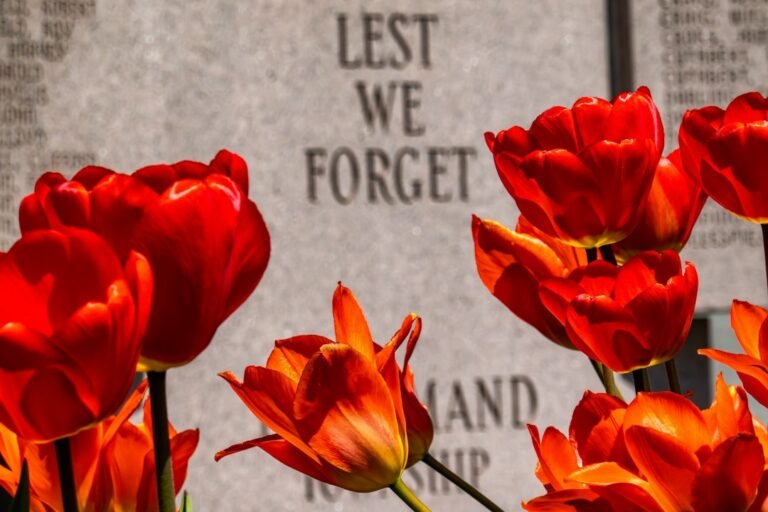
Why Do Cultures Set Aside Days to Remember the Dead?
From Pitru Paksha and Qingming to Día de Muertos and All Souls’ Day, cultures repeatedly create calendar time for the dead. Tradivior will compare how recurring remembrance renews kinship, grief…
Historically Practical
Why Do Cultures Preserve the Dead?
Mummification, embalming, freezing, smoking and desiccation reflect very different beliefs about bodies and afterlives. Tradivior will compare preservation traditions with the chemistry of decomposition and the practical limits of each…
Picked for your curiosity
Enable JavaScript to build a reading profile and see recommendations.