 tradivior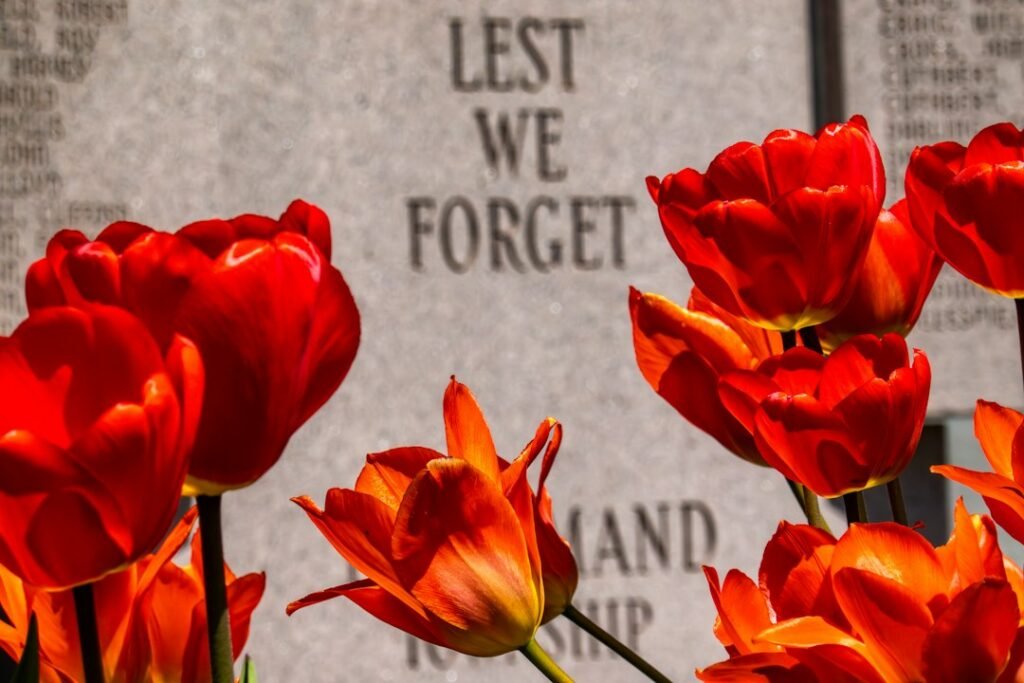
In this investigation
Cultures set aside days to remember the dead because memory decays unless communities give it recurring time. Annual observances such as Pitru Paksha, Qingming, Obon, All Souls’ Day, Día de los Muertos and memorial anniversaries bring ancestors and deceased relatives back into public attention.
These traditions differ theologically, but they share a structural insight: remembrance is easier to sustain when the calendar itself asks people to remember.
Calendars prevent memory from becoming optional
Without a scheduled observance, remembrance depends on individual initiative.
A recurring day creates a social expectation that families visit, offer, clean graves or tell stories.
Annual repetition connects generations
Children participate in practices that older relatives learned from their own parents.
The calendar therefore transmits family history as well as grief.
Ancestor days turn private grief into public culture
When an entire community remembers the dead at once, bereavement becomes socially recognized rather than hidden.
Public ritual tells mourners that memory is legitimate.
Qingming combines care of graves and family continuity
Families traditionally visit tombs, clean sites and make offerings.
Physical maintenance of graves becomes maintenance of lineage memory.
Obon welcomes ancestors symbolically
Japanese Obon traditions use lanterns, visits, offerings and dance to mark a temporary return or presence of ancestral spirits.
The religious interpretation is distinct from the memory mechanism.
All Souls’ Day institutionalizes prayer for the dead
Christian traditions set aside liturgical time for deceased believers, often accompanied by cemetery visits and family remembrance.
Día de los Muertos emphasizes relationship, not only sorrow
Mexican traditions create altars, food offerings and vivid imagery that can hold grief and celebration together.
Remembrance does not need to be emotionally uniform.
Pitru Paksha creates a Hindu ancestor season
Families perform Shraddha and related rites during a calendrically defined period dedicated to ancestors.
The observance connects individual family deaths to a collective ritual season.
Recurring remembrance can support continuing bonds
Grief research shows that ongoing symbolic relationships with the dead can coexist with adaptation.
Annual rituals provide a controlled time to revisit that bond.
Memorial days also build political memory
Nations commemorate war dead, disasters or violence through annual ceremonies.
The same calendrical mechanism can support civic identity as well as family remembrance.
Memory days can become contested
Who is remembered, whose suffering is centered and how history is narrated are political choices.
Collective memory is never completely neutral.
Commercialization can alter ritual
Tourism, media and consumer markets can expand remembrance festivals while changing their local form.
Traditions remain living precisely because they adapt.
What survives scrutiny?
- Recurring memorial days stabilize family and collective memory.
- Calendar repetition makes remembrance socially expected rather than optional.
- Ancestor observances can support continuing bonds and intergenerational storytelling.
- Different religions attach distinct metaphysical meanings to similar calendrical structures.
- National memorial days use the same mechanism for civic identity.
- Collective memory can be politically contested and commercially reshaped.
The Tradivior Evidence Profile
Historical Authenticity — Strong. Annual remembrance days are documented across many traditions.
Original-Purpose Evidence — Strong. Prayer, ancestor care, memorialization and communal identity are explicit.
Scientific Mechanism — Strong for collective-memory and grief-maintenance mechanisms.
Experimental Evidence — Moderate to Strong. Memory cueing, ritual repetition and continuing bonds are well supported, while metaphysical claims remain theological.
Cross-Cultural Evidence — Strong. Calendrical remembrance is globally recurrent.
Modern Relevance — Strong. Memorial days remain central to family, religious and national identity.
The Tradivior Conclusion
Cultures set aside days for the dead because memory needs structure. A recurring date turns remembrance from a private impulse into a social obligation.
The calendar cannot prove metaphysical contact with ancestors, but it can keep names, relationships and histories alive across generations. That alone is a powerful cultural technology.
Sources & further reading
- Memory-studies literature on collective remembrance and commemoration.
- Comparative scholarship on Qingming, Obon, All Souls’ Day, Día de los Muertos and Pitru Paksha.
- Bereavement research on continuing bonds and memorial ritual.
Continue exploring
Partially Supported
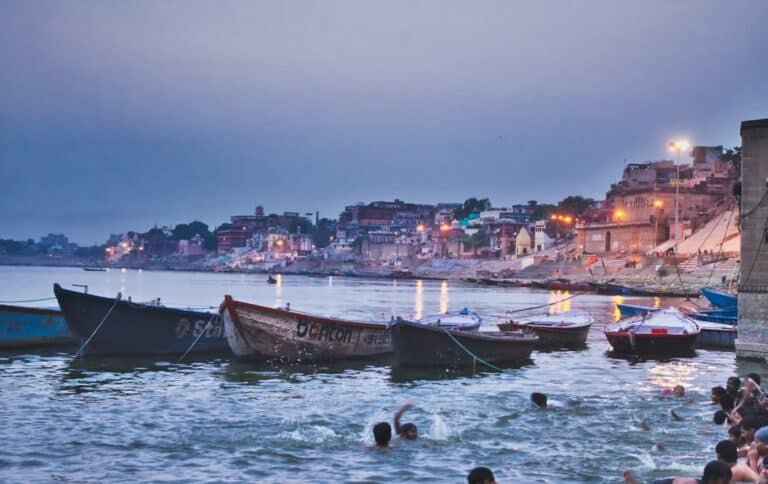
Why Is the Ganga Sacred?
The Ganga is river, goddess, pilgrimage route, purifier and national symbol. Tradivior will trace how these layers developed and evaluate modern claims about unusual self-purifying properties without confusing microbial findings…
Partially Supported
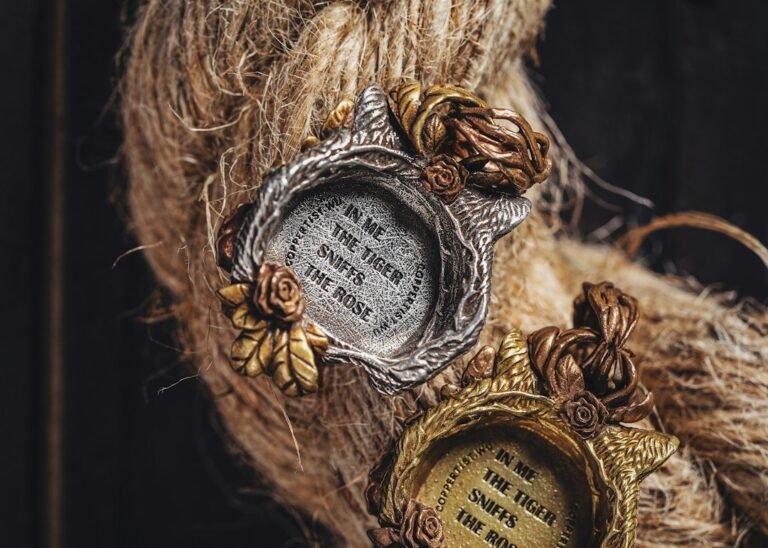
Why Do People Keep Ashes, Relics and Memorial Objects?
Hair, ashes, bones, clothing, photographs and relics allow the dead to remain materially present. Tradivior will examine why objects carry memory so powerfully and how continuing bonds differ from pathological…
Historically Practical
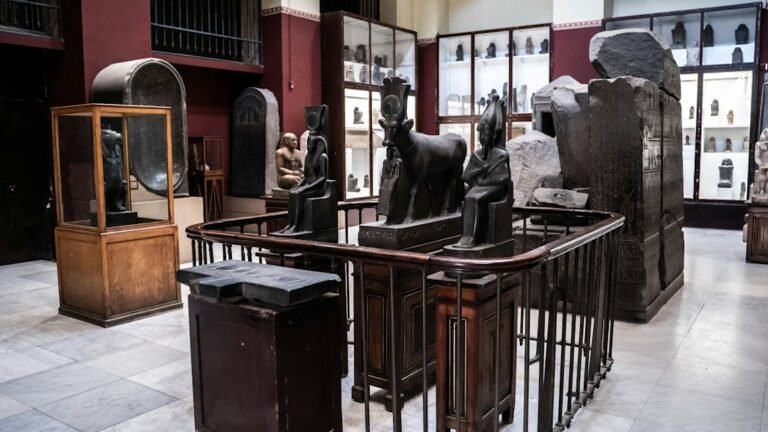
Why Do Cultures Preserve the Dead?
Mummification, embalming, freezing, smoking and desiccation reflect very different beliefs about bodies and afterlives. Tradivior will compare preservation traditions with the chemistry of decomposition and the practical limits of each…

Historically Practical
Why Did Cremation Become Central to Hindu Death Ritual?
Cremation has deep roots in many Hindu traditions but varies by community, age, status and circumstance. Tradivior will investigate its historical logic, environmental consequences and modern changes without treating one…
Picked for your curiosity
Enable JavaScript to build a reading profile and see recommendations.