Tradiviorans ClubQuestions, polls, reading DNA and your curiosity circle.Join the Club →Log in →Reading remains free without an account.
EXPLORE
PARTICIPATE
YOUR SPACE
Follow a question. Examine the evidence.
Explore investigations
Search customs, ideas and practices, or combine filters to follow a connection across cultures. Evidence assessments describe editorial conclusions, not scores or rankings.
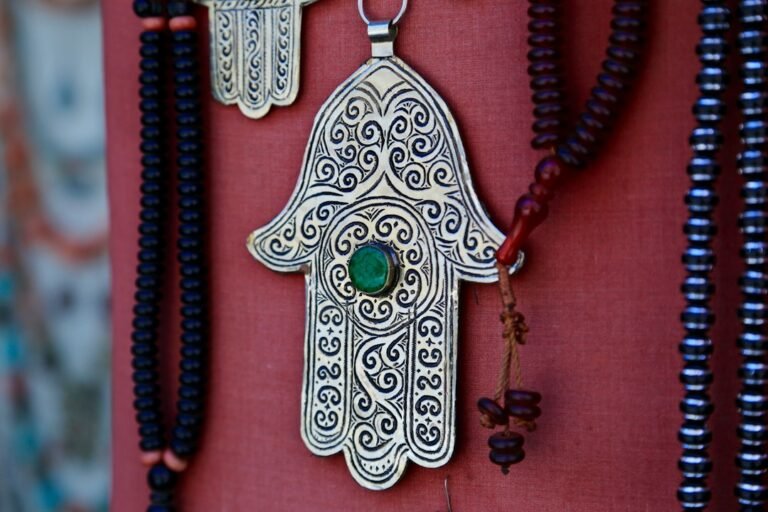
People have carried beads, written verses, metals, stones, teeth and charms for protection for thousands of years. Tradivior will examine why portable objects become containers of safety, identity and hope…
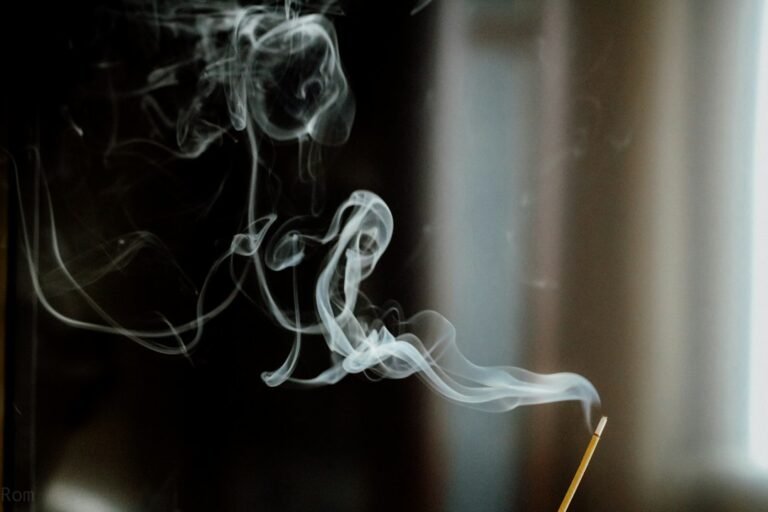
Incense makes ritual visible through smoke and scent, but combustion also creates indoor pollutants. Tradivior will investigate why aromatic smoke became sacred and weigh sensory, antimicrobial and air-quality evidence carefully.
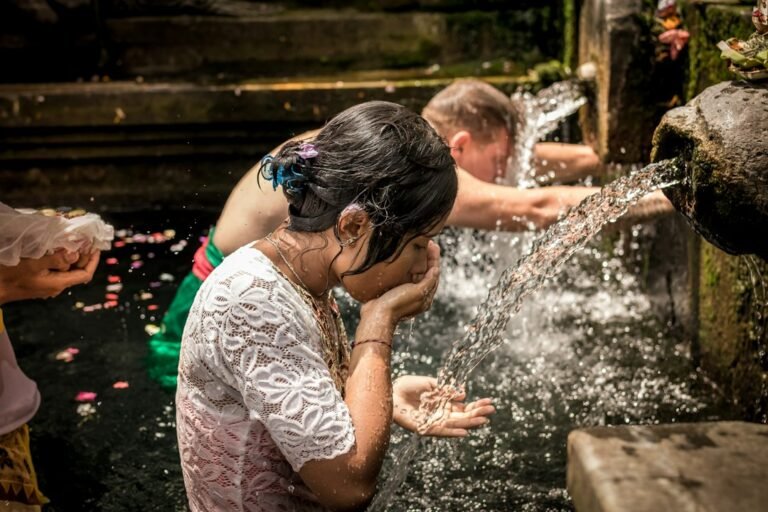
Water can wash dirt, cool the body and symbolize moral renewal, making it a recurring medium of purification across religions. Tradivior will compare ritual washing while separating hygiene effects from…
Mantras, singing bowls, tuning systems and 'healing frequencies' are increasingly marketed with biomedical claims. Tradivior will separate relaxation and music effects from unsupported assertions that particular frequencies cure disease or…
A chant, bell, organ, drum or call to prayer can feel sacred to one listener and ordinary to another. Tradivior will investigate how acoustics, repetition, memory, expectation and cultural learning…
Rowers, labourers, soldiers and protesters have used rhythm to coordinate effort and create solidarity. Tradivior will examine when synchronized sound improves timing or endurance and when its main power is…
Epic poems, genealogies, prayers and work knowledge often survive through metre, rhyme, melody and formula. Tradivior will examine how oral cultures engineered memory before writing was widespread.
Ritual dance can celebrate, mourn, heal, initiate, possess, court and remember. Tradivior will compare dance traditions and ask how coordinated movement changes identity, emotion and group cohesion.
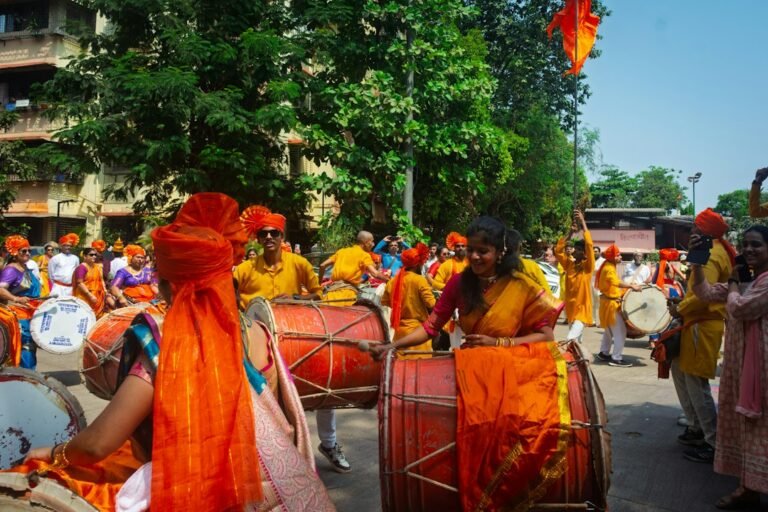
Drumming can organize marching, dance, ritual possession and communal excitement with extraordinary efficiency. Tradivior will examine how rhythm entrains movement and attention without assuming that every drum tradition aims at…
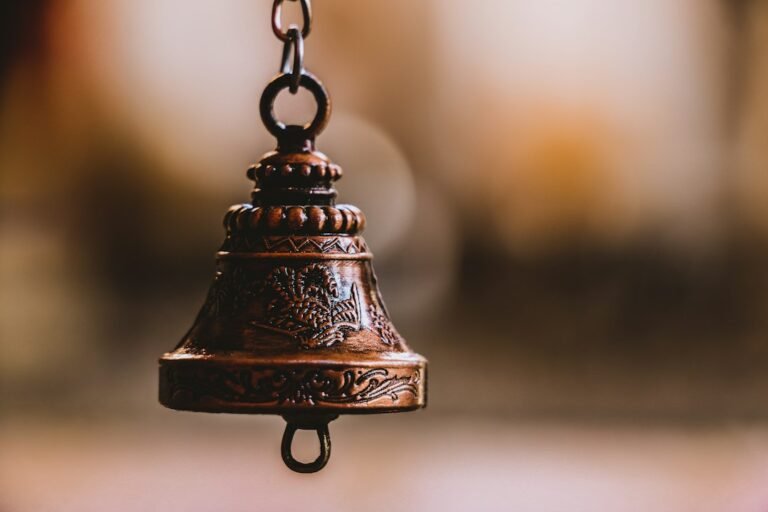
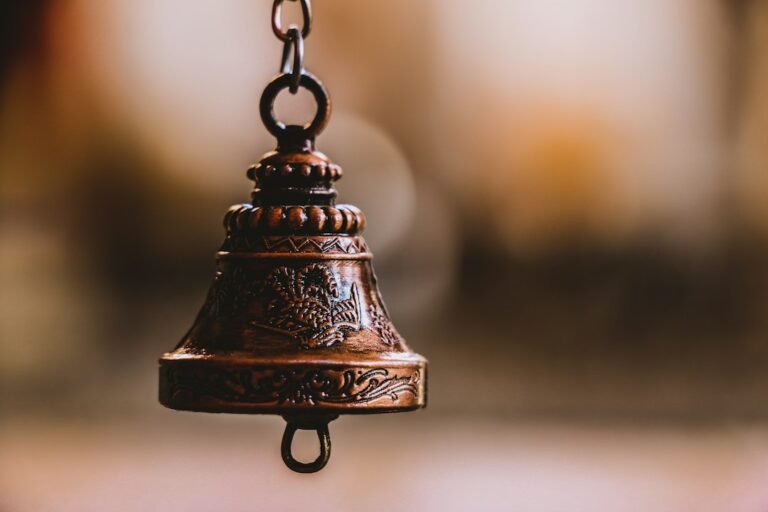
Bells and gongs announce sacred time, mark transitions and command attention across Asia, Europe and beyond. Tradivior will compare their histories and test claims about resonance, brain waves and cleansing…
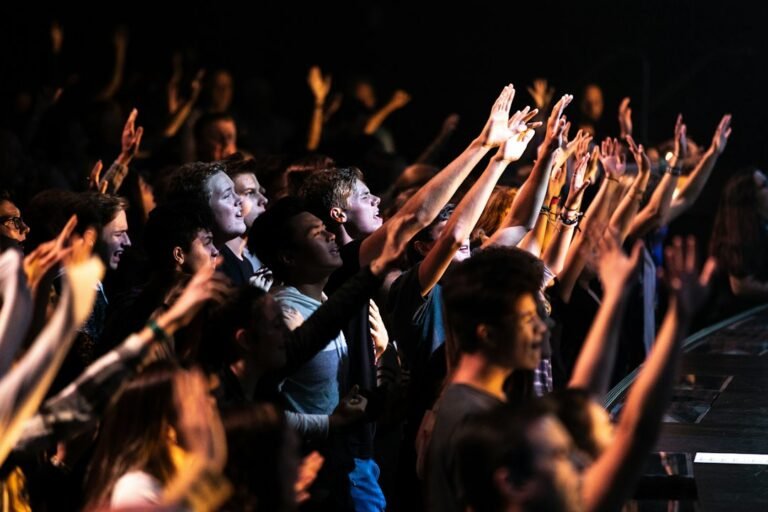
Sacred singing appears in churches, temples, synagogues, gurdwaras and ritual traditions worldwide. Tradivior will investigate why melody became a vehicle for prayer and memory, and what group-singing research shows about…
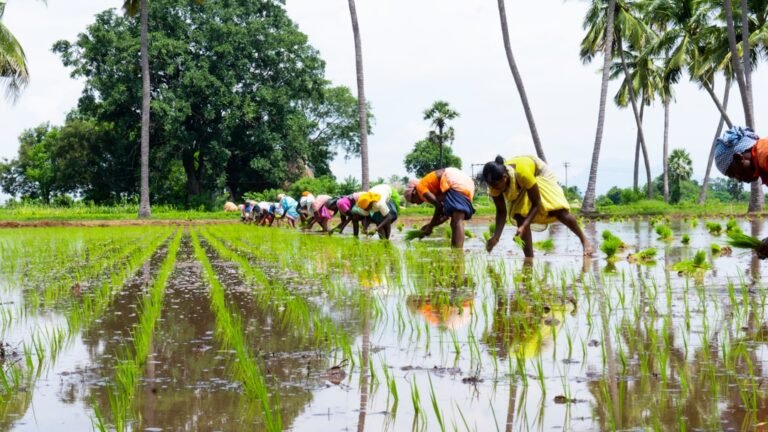
Sowing and harvest once structured food, labour, taxation and survival, so agricultural timing frequently became ritual timing. Tradivior will examine when religion preserved ecological scheduling and when later meanings took…
 tradivior