 tradivior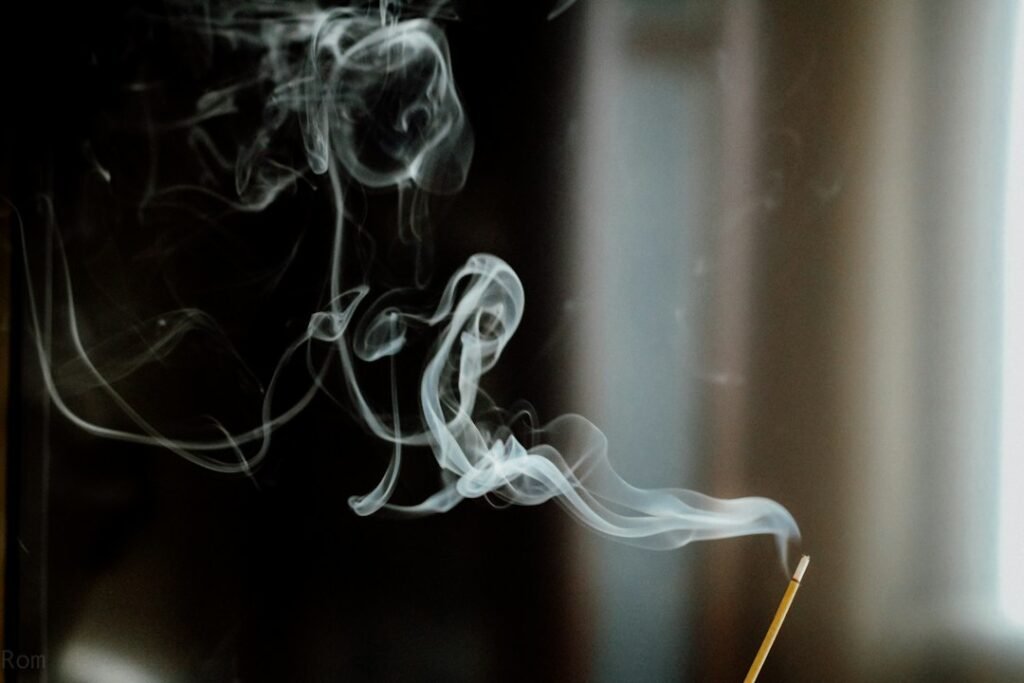
In this investigation
People burn incense because scent can transform a space quickly and invisibly. Fragrant smoke marks temples, churches, shrines, homes and funerals across cultures, carrying offerings, masking ordinary odours and signaling that a place or moment has changed.
Incense can also produce biologically active chemicals, which means romantic claims about universal health benefits need caution.
Fragrance marks sacred space
Smell spreads through a room and lingers after the flame is gone. This makes incense especially effective at creating atmosphere.
A familiar scent can become strongly associated with worship through memory.
Smoke makes an invisible offering visible
Rising smoke naturally supports metaphors of prayer, offering or communication moving upward.
Different religions interpret this symbol differently.
Incense historically used valuable resins and woods
Frankincense, myrrh, sandalwood, agarwood and other aromatics entered long-distance trade because of their ritual and luxury value.
Incense history is therefore also economic history.
Olfaction is tightly linked with memory
Smell has unusually direct connections with brain systems involved in emotion and autobiographical memory.
This helps explain why temple or church incense can evoke powerful memories years later.
Can incense reduce stress?
Pleasant fragrance and ritual context can influence mood and perceived relaxation. Some aromatic compounds have laboratory effects.
That does not mean inhaling incense smoke is a safe delivery method for therapy.
Combustion creates particulate pollution
Burning incense releases fine particles, volatile organic compounds and other combustion products. Indoor concentrations can become high where ventilation is poor.
Regular heavy exposure may irritate airways and contributes to indoor air pollution.
“Natural” does not mean harmless
Wood and resin smoke contain chemistry produced by incomplete combustion regardless of whether the source material is natural.
Health risk depends on dose, ventilation, product composition and frequency.
What about antimicrobial smoke?
Some plant smoke and essential oils show antimicrobial effects in laboratory settings. A few studies report reductions in airborne microbes under specific conditions.
These findings do not establish routine incense burning as a safe or sufficient method for disinfecting homes or temples.
Why incense persists despite smoke risk
The sensory and symbolic effect is immediate, while long-term pollution risk is less visible. Cultural value can therefore remain high even when health guidance recommends ventilation or reduced exposure.
Safer practice is possible
Lower-emission products, smaller quantities and better ventilation can reduce exposure while preserving ritual meaning.
Health adaptation does not require cultural dismissal.
What survives scrutiny?
- Incense has deep ritual and trade history across civilizations.
- Fragrance strongly supports memory and atmosphere.
- Rising smoke carries symbolic meaning in many traditions.
- Burning incense produces measurable indoor air pollutants.
- Some materials show antimicrobial activity, but routine smoke is not a proven substitute for disinfection.
- Ventilation and exposure reduction are evidence-based modern precautions.
The Tradivior Evidence Profile
Historical Authenticity — Strong. Incense use is extensively documented across religious traditions.
Original-Purpose Evidence — Strong. Offering, fragrance, purification symbolism and atmosphere are explicit.
Scientific Mechanism — Strong for olfactory and combustion mechanisms; Variable for antimicrobial significance.
Experimental Evidence — Moderate. Air-pollution and olfactory effects are well measured; health-benefit claims vary.
Cross-Cultural Evidence — Strong. Ritual aromatics are globally recurrent.
Modern Relevance — Strong. Incense remains widespread and raises indoor-air-quality questions.
The Tradivior Conclusion
People burn incense because scent, smoke and ritual symbolism transform space with unusual efficiency.
The same combustion that produces atmosphere also produces pollutants. A respectful evidence-led view can preserve the cultural meaning while rejecting the idea that all sacred smoke is automatically health-promoting.
Sources & further reading
- WHO literature on household and indoor air pollution.
- Reviews of incense smoke chemistry and respiratory exposure.
- Historical studies of incense, frankincense, myrrh, sandalwood and ritual trade.
Continue exploring

Partially Supported
Why Is the Ganga Sacred?
The Ganga is river, goddess, pilgrimage route, purifier and national symbol. Tradivior will trace how these layers developed and evaluate modern claims about unusual self-purifying properties without confusing microbial findings…
Partially Supported
Why Do People Keep Ashes, Relics and Memorial Objects?
Hair, ashes, bones, clothing, photographs and relics allow the dead to remain materially present. Tradivior will examine why objects carry memory so powerfully and how continuing bonds differ from pathological…

Evidence Supported
Why Do Cultures Set Aside Days to Remember the Dead?
From Pitru Paksha and Qingming to Día de Muertos and All Souls’ Day, cultures repeatedly create calendar time for the dead. Tradivior will compare how recurring remembrance renews kinship, grief…

Historically Practical
Why Did Cremation Become Central to Hindu Death Ritual?
Cremation has deep roots in many Hindu traditions but varies by community, age, status and circumstance. Tradivior will investigate its historical logic, environmental consequences and modern changes without treating one…
Picked for your curiosity
Enable JavaScript to build a reading profile and see recommendations.