Tradiviorans ClubQuestions, polls, reading DNA and your curiosity circle.Join the Club →Log in →Reading remains free without an account.
EXPLORE
PARTICIPATE
YOUR SPACE
Follow a question. Examine the evidence.
Explore investigations
Search customs, ideas and practices, or combine filters to follow a connection across cultures. Evidence assessments describe editorial conclusions, not scores or rankings.
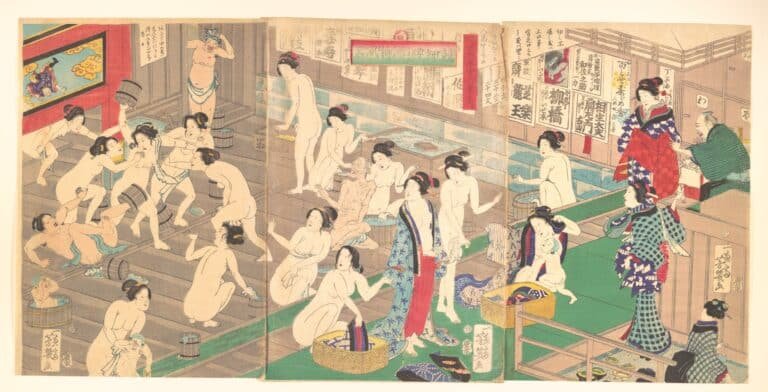
Japanese bathing became more than hygiene through centuries of purification, temple baths, public sento, hot springs and domestic soaking. Modern science supports some benefits of warm-water immersion—but also important risks.
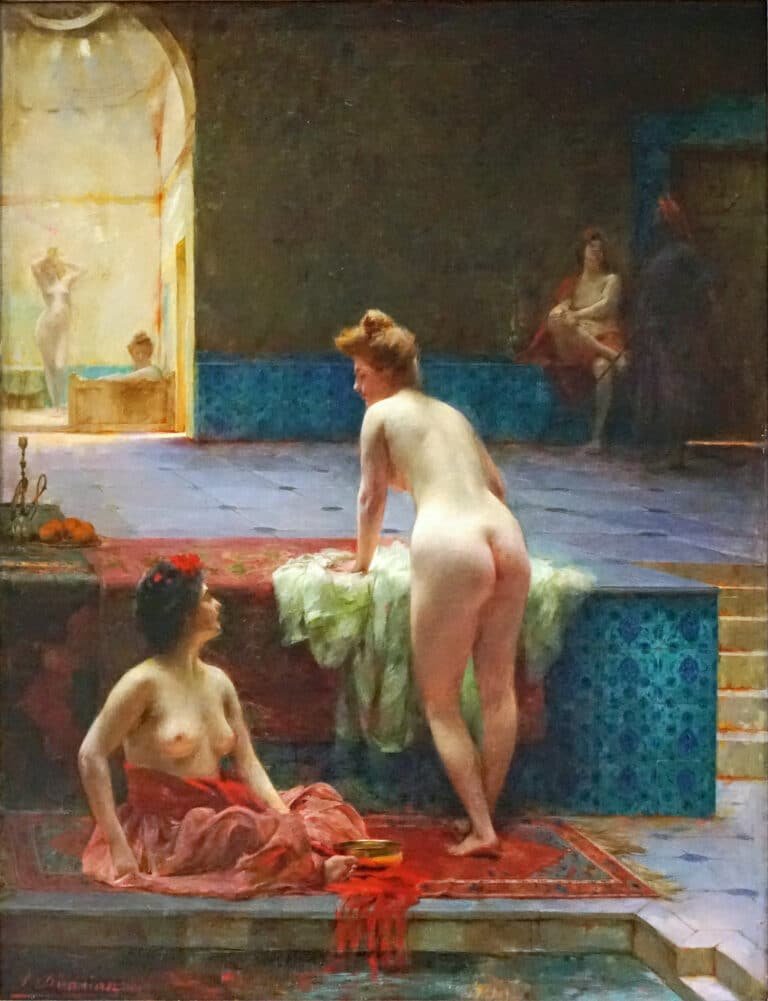
The hammam was not invented from nothing by Islam. Muslim societies inherited older public-bath technologies and transformed them around purification, hygiene, social life and urban needs.
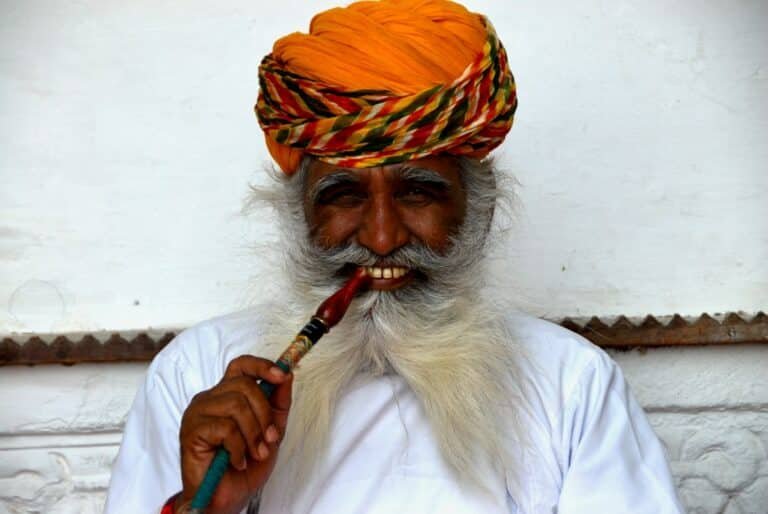
Why did bathing become woven into Indian daily life? The answer runs through hygiene, climate, ritual purity and sacred water—and cannot be reduced to ancient germ theory.
Tongue scraping is an old Indian oral-care practice with a surprisingly straightforward modern rationale. What do systematic reviews actually say about tongue coating, bad breath and the limits of the…
Oil pulling is genuinely rooted in Ayurvedic oral care. But do modern claims about plaque, bacteria and detoxification match the evidence? Tradivior follows the practice from classical tradition to clinical…
 tradivior