Tradiviorans ClubQuestions, polls, reading DNA and your curiosity circle.Join the Club →Log in →Reading remains free without an account.
EXPLORE
PARTICIPATE
YOUR SPACE
Follow a question. Examine the evidence.
Explore investigations
Search customs, ideas and practices, or combine filters to follow a connection across cultures. Evidence assessments describe editorial conclusions, not scores or rankings.
Infant massage survives across cultures because touch, soothing and skin care are fundamental forms of caregiving. Modern evidence supports parts of the practice—but oils, techniques and claims are not interchangeable.
Why did cultures across the world create protected periods after childbirth? The strongest insight may be social rather than mystical: recovery, food and redistributed labour—alongside restrictions whose benefits are far…
Ayurveda made oil massage part of daily life. Modern evidence supports some modest relaxation and skin-care effects—but not the sweeping detoxification and disease-prevention claims often attached to abhyanga.
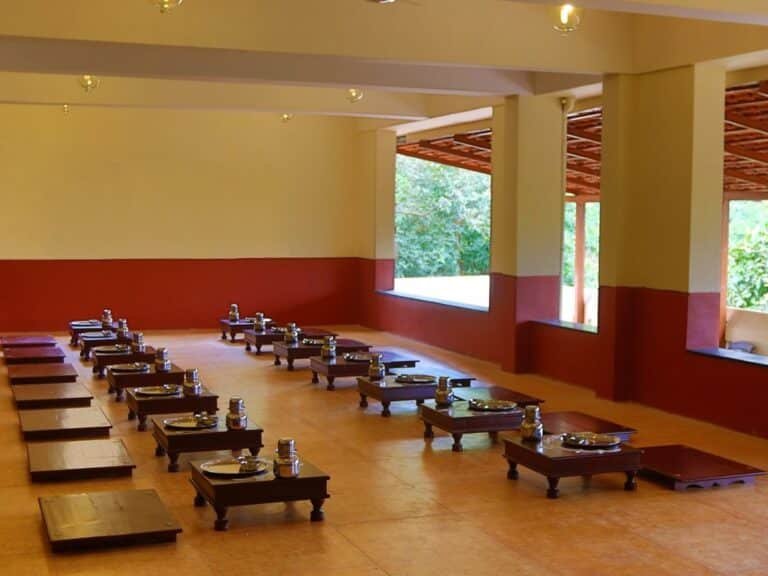
Indians traditionally ate close to the ground, but was the practice really designed to improve digestion? The evidence points more strongly to material culture, social custom and functional movement than…
Squatting was once an ordinary way to work, rest and use the toilet. Modern biomechanics helps explain its advantages—and why claims that it is universally healthier go too far.
Why did bathing become woven into Indian daily life? The answer runs through hygiene, climate, ritual purity and sacred water—and cannot be reduced to ancient germ theory.
Tongue scraping is an old Indian oral-care practice with a surprisingly straightforward modern rationale. What do systematic reviews actually say about tongue coating, bad breath and the limits of the…
Oil pulling is genuinely rooted in Ayurvedic oral care. But do modern claims about plaque, bacteria and detoxification match the evidence? Tradivior follows the practice from classical tradition to clinical…
Farmers watched the Pleiades and other stars because seasonal stellar appearances are predictable. Heliacal risings act as annual calendar markers for planting, harvest and travel without implying that stars cause…
Religious festivals move on the Gregorian calendar because many remain anchored to lunar or lunisolar systems. Pure lunar calendars drift through the seasons, while lunisolar calendars insert leap months to…
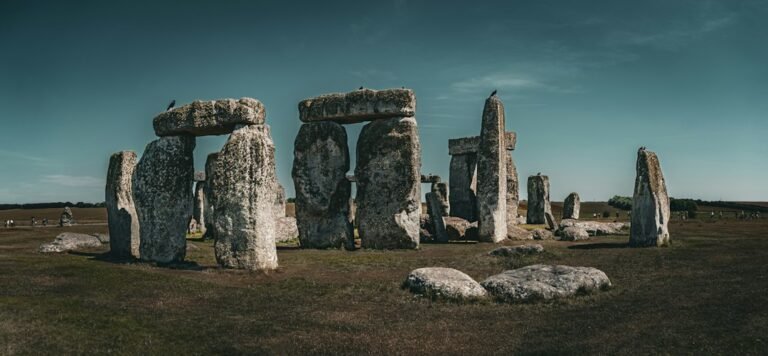
Some ancient monuments genuinely align with seasonal solar events: Stonehenge, Newgrange and Chankillo provide strong examples. But many popular equinox claims are weaker, showing why archaeoastronomy must test geometry, context…
Indian lunisolar calendars track both Moon and Sun because twelve lunar months are about eleven days shorter than the solar year. Intercalation, tithi and later astronomical calculations reconcile visible lunar…
 tradivior