 tradivior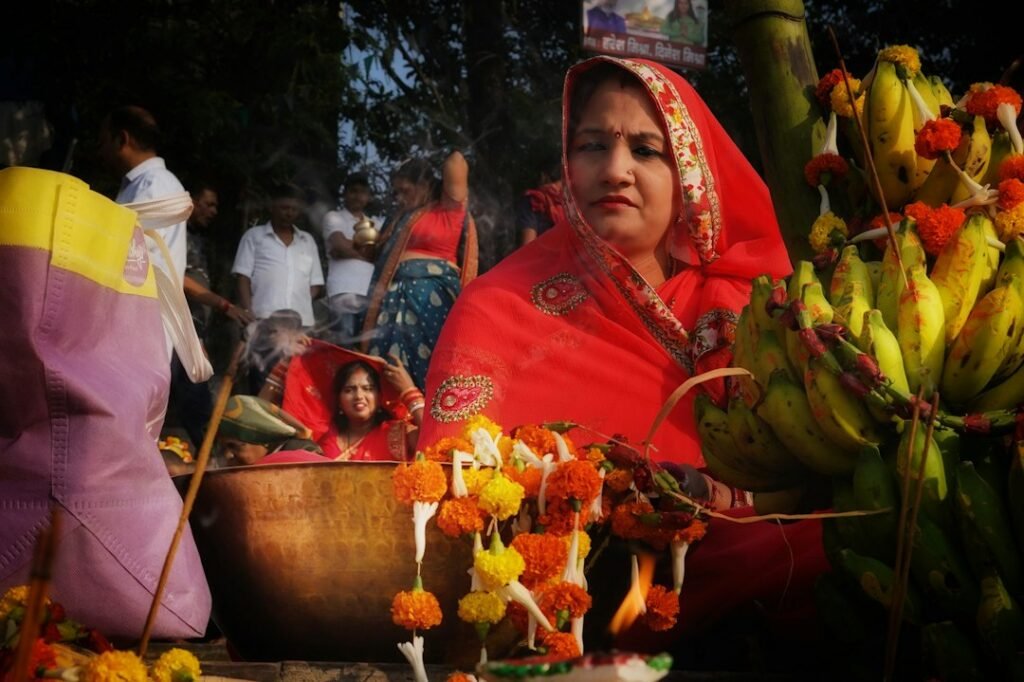
In this investigation
Cultures create fertility rituals because reproduction is biologically important, socially consequential and deeply uncertain. Conception cannot be guaranteed by desire alone, pregnancy can fail, and infertility can threaten lineage, inheritance and identity in societies where parenthood is strongly expected.
Ritual gives communities something to do in the face of uncertainty. That social function is real even when supernatural causal claims cannot be tested or are unsupported.
Fertility is never only biological
In many societies, children affect inheritance, labor, elder support, lineage continuity and religious duty.
Difficulty conceiving can therefore become a social crisis as well as a medical one.
Ritual converts uncertainty into action
Offerings, vows, pilgrimage, protective objects and deity worship give individuals a structured response when outcomes are uncertain.
Action can reduce helplessness even if it does not alter reproductive physiology directly.
Women often bear disproportionate blame
Historically, infertility has frequently been attributed to women even though male factors contribute substantially to infertility.
Fertility ritual can therefore become entangled with gender pressure and stigma.
Male fertility matters medically
Modern reproductive medicine recognizes sperm quantity, motility, anatomy, hormones, genetics and other male factors.
A culturally complete understanding of infertility should not treat women as the default cause.
Ritual can mobilize social support
Family participation, pilgrimage and communal prayer can surround a distressed couple with attention and practical help.
That support may improve wellbeing even when conception depends on other factors.
Stress is relevant but easily overstated
Infertility can cause severe stress, and stress can influence health behavior and some physiological systems.
It is misleading to tell people that “relaxing” alone will resolve infertility.
Some fertility customs involve diet or herbs
A traditional remedy may contain pharmacologically active compounds, but ritual reputation is not evidence of fertility efficacy.
Herbal interventions require safety and clinical testing, especially during conception and pregnancy.
Symbols of abundance recur
Seeds, eggs, fruit, water, animals and pregnant forms appear in fertility symbolism because they visibly represent reproduction or abundance.
Similar symbols can emerge independently in unrelated cultures.
Seasonal fertility rituals can reflect agricultural analogy
Farming societies often connect human fertility with soil, rain and crop growth.
The metaphor is culturally powerful without implying that human and plant reproduction share one ritual mechanism.
Modern fertility medicine changes but does not erase ritual
IVF, hormonal treatment and surgery provide biomedical options, yet many families continue prayer or vows alongside treatment.
Religious meaning can coexist with evidence-based care when ritual does not delay appropriate diagnosis.
What survives scrutiny?
- Fertility rituals are historically widespread because reproduction carries social as well as biological importance.
- Ritual can reduce helplessness and mobilize social support.
- Infertility has male and female causes and should not be assigned automatically to women.
- Stress matters to wellbeing but is not a universal cause of infertility.
- Herbal or dietary fertility claims require direct evidence.
- Ritual meaning can coexist with reproductive medicine without becoming a substitute for it.
The Tradivior Evidence Profile
Historical Authenticity — Strong. Fertility rites are extensively documented across societies.
Original-Purpose Evidence — Strong. Conception, lineage, safe pregnancy and abundance are explicit.
Scientific Mechanism — Moderate for stress, social support and behavioral pathways; Weak for supernatural fertility causation.
Experimental Evidence — Mixed. Psychosocial effects are plausible; specific ritual fertility efficacy is generally unproven.
Cross-Cultural Evidence — Strong. Fertility ritual is globally recurrent.
Modern Relevance — Strong. Infertility remains medically and socially significant.
The Tradivior Conclusion
Fertility rituals exist because reproduction combines hope, uncertainty and social expectation more intensely than almost any other life process.
Their strongest demonstrated effects are social and psychological: they give uncertainty a form, mobilize support and connect reproduction to community values. They should not be presented as substitutes for medical evaluation or as proven supernatural fertility technologies.
Sources & further reading
- WHO resources on infertility and reproductive health.
- Anthropological literature on fertility ritual, lineage and gender.
- Clinical evidence on infertility causes and treatment.
Continue exploring

Partially Supported
Why Is the Ganga Sacred?
The Ganga is river, goddess, pilgrimage route, purifier and national symbol. Tradivior will trace how these layers developed and evaluate modern claims about unusual self-purifying properties without confusing microbial findings…
Partially Supported
Why Do People Keep Ashes, Relics and Memorial Objects?
Hair, ashes, bones, clothing, photographs and relics allow the dead to remain materially present. Tradivior will examine why objects carry memory so powerfully and how continuing bonds differ from pathological…

Evidence Supported
Why Do Cultures Set Aside Days to Remember the Dead?
From Pitru Paksha and Qingming to Día de Muertos and All Souls’ Day, cultures repeatedly create calendar time for the dead. Tradivior will compare how recurring remembrance renews kinship, grief…

Historically Practical
Why Do Cultures Preserve the Dead?
Mummification, embalming, freezing, smoking and desiccation reflect very different beliefs about bodies and afterlives. Tradivior will compare preservation traditions with the chemistry of decomposition and the practical limits of each…
Picked for your curiosity
Enable JavaScript to build a reading profile and see recommendations.