 tradivior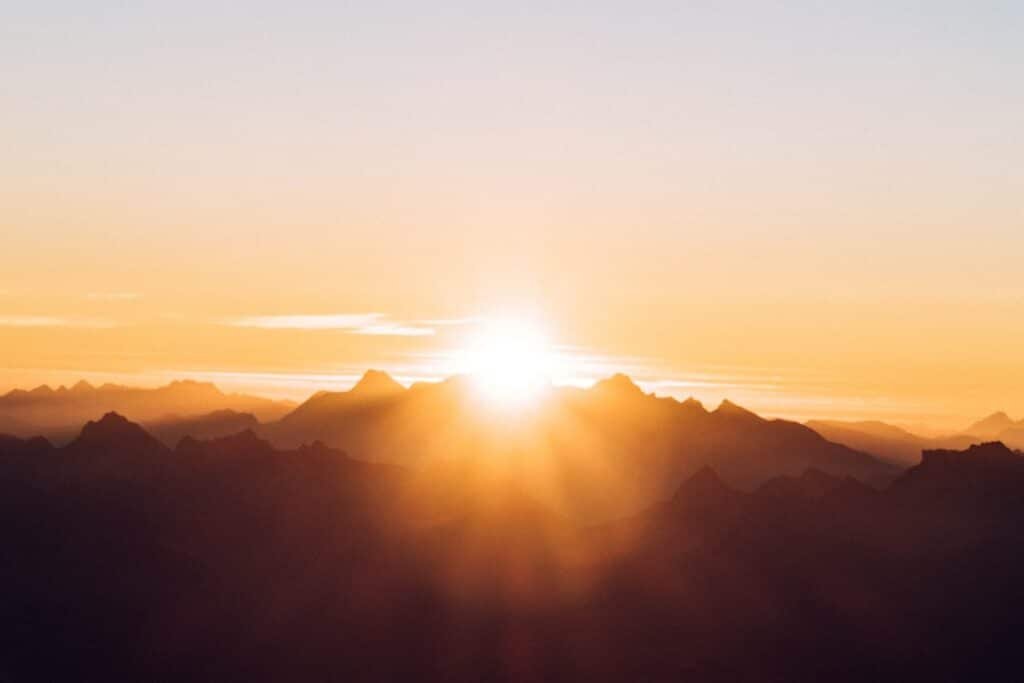
In this investigation
Human bodies follow daily light-dark cycles because our physiology contains internal clocks that evolved under a planet rotating every 24 hours. Sleep, alertness, hormone release, body temperature, digestion and many other functions vary predictably across the day.
Traditional schedules often tracked dawn and darkness simply because artificial lighting was limited. That does not mean premodern societies understood the suprachiasmatic nucleus or melatonin. Modern chronobiology explains why those light-linked routines often fit human physiology.
Circadian rhythms are biological, not merely habitual
Circadian rhythms are roughly 24-hour cycles generated by internal biological clocks. They continue even when external time cues are removed, although they gradually drift without environmental resetting.
The National Institute of General Medical Sciences notes that most living organisms show circadian rhythms and that, in humans, nearly every tissue and organ has its own rhythmic timing.
The brain has a master clock
In humans and other mammals, a small region of the hypothalamus called the suprachiasmatic nucleus, or SCN, acts as the central circadian pacemaker.
The SCN helps synchronize sleep and wakefulness, hormone release, body temperature, feeding and other rhythms across the body.
Light is the strongest environmental time cue
Light entering the eyes sends timing information to the brain. Specialized retinal pathways signal environmental brightness to the SCN, allowing the internal clock to align with the external day.
This process is called entrainment. Human circadian timing is close to, but not exactly, 24 hours, so regular light exposure helps reset it each day.
Morning light and evening light do different things
The circadian system responds not only to how much light we receive but also to when we receive it. Light exposure in the morning can shift internal timing earlier, while light late in the evening or at night can delay it.
This is why the same light source can have different biological effects depending on timing.
Melatonin signals darkness
Melatonin is a hormone whose production rises in biological night and is suppressed by light. It does not simply “cause sleep,” but it helps communicate nighttime to the body’s timing system.
Reviews of human circadian physiology describe melatonin as an important darkness signal coordinated by the SCN.
Artificial evening light changed the human environment
For most of human history, bright light after sunset was limited. Fire, lamps and candles provided illumination, but not the intensity and spectrum available from modern electric lighting and screens.
Today people can remain in brightly lit environments for hours after sunset. This weakens the contrast between day and night that the circadian system evolved to use.
Bright light at night can delay sleep timing
NIH guidance notes that bright artificial light in the late evening can interfere with melatonin release and make it harder to fall asleep.
The effect is not simply psychological. Light is directly modifying the biological timing system.
Sleep pressure and circadian timing are different systems
People become sleepier the longer they remain awake partly because sleep pressure builds during wakefulness. Adenosine is one signal associated with this process.
Circadian timing is different. It determines when the body is biologically prepared for sleep or alertness. The two systems interact, which is why someone can feel tired yet unable to sleep at the wrong circadian phase.
Why jet lag feels so disruptive
Jet lag occurs when the external light-dark schedule changes faster than the body’s internal rhythms can adjust. Different tissues and parts of the circadian system can reset at different speeds.
The result is temporary internal desynchronization: sleep, appetite, alertness and hormone timing can become misaligned.
Shift work creates a similar conflict
Night workers may need to remain alert when their circadian system promotes sleep and attempt sleep when environmental light promotes wakefulness.
This repeated mismatch is one reason chronic shift work is associated with sleep problems and broader health concerns.
Traditional sunrise-based routines make physiological sense
Many preindustrial routines began near dawn because daylight was necessary for work, travel and household activity. Morning exposure to outdoor light also provides a strong circadian cue.
The fact that a routine aligns with chronobiology today does not prove it was invented because people understood internal clocks. A behaviour can fit physiology without originating from scientific theory.
Early sleep and early rising are not universal biological laws
Human sleep timing varies by age, genetics, season, latitude, occupation and culture. Adolescents often shift later. Some adults are naturally earlier or later chronotypes.
Therefore, simplistic claims that everyone must sleep at one traditional clock time are not supported by circadian science.
Season changes the light environment
Day length changes with season, especially at higher latitudes. Human circadian systems respond to photoperiod, although modern indoor lighting can reduce seasonal exposure differences.
Traditional seasonal schedules often shifted naturally because work and daylight availability shifted together.
Meal timing can also act as a time cue
Light is the strongest synchronizer of the central clock, but food timing, activity, temperature and social routines also influence peripheral rhythms.
This helps explain why irregular schedules can feel physiologically disruptive even when total sleep duration appears adequate.
Body temperature follows a daily rhythm
Core body temperature rises and falls across the circadian cycle. It typically falls during biological night and rises toward daytime activity.
This rhythm interacts with sleep timing and alertness, but it is not determined only by room temperature.
Hormones also follow daily timing
Melatonin rises at night, while cortisol typically increases toward the morning. Other hormones involved in metabolism, appetite and stress also show daily rhythms.
This means the same behaviour or exposure can have different effects depending on circadian phase.
The body is not controlled by one clock alone
The SCN coordinates many rhythms, but cells throughout the body contain molecular clocks. Liver, muscle, pancreas and other tissues can show their own rhythmic gene activity.
Healthy timing therefore depends on coordination between central and peripheral clocks.
Why modern chronobiology matters for traditional practices
Some traditional routines—morning outdoor activity, regular meals, sleeping during darkness—may align well with circadian biology.
But this does not validate unrelated beliefs attached to them. If a sunrise practice works because of light exposure, the relevant mechanism is photic entrainment, not astrology or hidden cosmic energy.
Can sacred timing accidentally support circadian regularity?
Yes. Fixed daily prayer, meals, work periods or household routines can create regular behavioural time cues. Regularity itself can support stable sleep and activity patterns.
The effect can occur regardless of the theological reason for the schedule.
But ritual timing and circadian timing are not the same system
A prayer at dawn may coincide with a biologically meaningful light transition. A ritual at midnight may instead require wakefulness during biological night.
Religion can align with physiology, ignore it or deliberately challenge it through vigils, fasting or night prayer. One should not assume all traditional timing rules are health interventions.
Light intensity matters more than clock labels
Two people awake at 10 p.m. can receive very different circadian signals if one is in dim light and the other under bright indoor lighting with close screen exposure.
Chronobiology therefore focuses on actual light exposure, timing and duration rather than culturally defined “early” and “late” alone.
Outdoor daytime light is often much brighter than indoor light
Modern people can spend much of the day in relatively dim indoor environments and then receive substantial artificial light at night. This compresses the natural day-night contrast.
A stronger daytime light signal and a darker evening environment generally provide clearer cues to the circadian system.
What happens when rhythms become misaligned?
Circadian misalignment can impair sleep and alertness and influence mood, metabolism and performance. The strongest evidence comes from shift work, jet lag, laboratory phase-shift studies and circadian rhythm sleep-wake disorders.
However, broad claims that every modern disease comes from “breaking the body clock” are exaggerated. Circadian timing is one factor among many.
Light can also be used therapeutically
Timed bright-light exposure is an established tool for shifting circadian phase in certain sleep-wake disorders. Its effectiveness depends strongly on timing.
This is important evidence that light is not merely correlated with circadian rhythms; it can causally reset them.
Melatonin can also shift timing
Exogenous melatonin can be useful in some circadian disorders and jet lag, but timing and dose matter. More is not automatically better.
Its therapeutic use is different from simply treating melatonin as a generic sleep supplement.
Why sunrise remains biologically important
Sunrise creates one of the strongest recurring transitions in the natural environment. Morning outdoor light can help anchor circadian phase, especially after a dark night.
This makes sunrise-linked routines biologically plausible without requiring claims that ancient people knew molecular clock genes.
What survives scrutiny?
- Human physiology contains endogenous circadian clocks.
- The suprachiasmatic nucleus coordinates major daily rhythms.
- Light is the strongest environmental cue for synchronizing the central circadian system.
- Melatonin communicates biological night and is suppressed by light.
- Bright evening and nighttime light can delay sleep timing and alter circadian phase.
- Traditional daylight-linked routines often align with circadian biology, but this does not prove they were designed from scientific knowledge.
- There is no single universally optimal sleep clock time for every person.
- Regular timing of light, sleep, meals and activity can help stabilize daily rhythms.
The Tradivior Evidence Profile
Historical Authenticity — Strong. Preindustrial human activity was necessarily more constrained by natural light than modern activity, although schedules varied greatly across societies.
Original-Purpose Evidence — Moderate. Many traditional schedules clearly responded to daylight and practical necessity, but explicit knowledge of biological clocks was absent.
Scientific Mechanism — Strong. The retinal-SCN pathway, molecular clocks, melatonin signalling and photic entrainment are well established.
Experimental Evidence — Strong. Laboratory, clinical and field studies demonstrate that timed light exposure shifts circadian phase and affects sleep-wake timing.
Cross-Cultural Evidence — Strong. Day-night scheduling constraints are universal, though cultural routines differ widely.
Modern Relevance — Strong. Artificial lighting, screens, shift work and irregular schedules make circadian timing highly relevant today.
The Tradivior Conclusion
Human bodies follow daily light-dark cycles because evolution built timekeeping into our physiology. Light reaching the eyes resets a central clock that helps coordinate rhythms throughout the body.
Traditional dawn-to-dark routines often fit this biology, but the safest historical interpretation is modest: people organized life around available light because daylight mattered practically. Modern chronobiology later explained why that environmental regularity also matters physiologically. The science validates the mechanism, not a retrospective claim that traditional societies already possessed modern circadian theory.
Sources & further reading
- National Institute of General Medical Sciences. “Circadian Rhythms.” NIH.
- National Heart, Lung, and Blood Institute. “How Sleep Works: Your Sleep/Wake Cycle.” NIH.
- Saper CB, Scammell TE, Lu J. “Hypothalamic regulation of sleep and circadian rhythms.” Related reviews of SCN control of sleep-wake timing.
- Czeisler CA, Duffy JF and colleagues. Reviews on the effect of light on human circadian physiology.
- Zisapel N. “New perspectives on the role of melatonin in human sleep, circadian rhythms and their regulation.” British Journal of Pharmacology. 2018.
- Blume C, Garbazza C, Spitschan M. “Effects of light on human circadian rhythms, sleep and mood.” Somnologie. 2019.
Continue exploring
Partially Supported
Why Do People Keep Ashes, Relics and Memorial Objects?
Hair, ashes, bones, clothing, photographs and relics allow the dead to remain materially present. Tradivior will examine why objects carry memory so powerfully and how continuing bonds differ from pathological…

Primarily Symbolic/Cultural
Why Do People Change Names, Clothes or Homes After Marriage?
Marriage often transforms identity through surname changes, new dress, residence, kinship terms or household membership. Tradivior will investigate why marriage needs visible social consequences beyond the ceremony itself.

Evidence Supported
Why Do Humans Fear Ageing Yet Honour Elders?
Age can bring prestige, authority and memory while also attracting fear of frailty and dependency. Tradivior will compare societies that honour elders with those that valorize youth and ask what…

Evidence Supported
Why Does Parenthood Change Social Identity?
Becoming a parent often changes status, obligations, kin relations and personal identity far beyond childcare itself. Tradivior will examine why societies ritualize parenthood and what psychological research says about this…
Picked for your curiosity
Enable JavaScript to build a reading profile and see recommendations.