 tradivior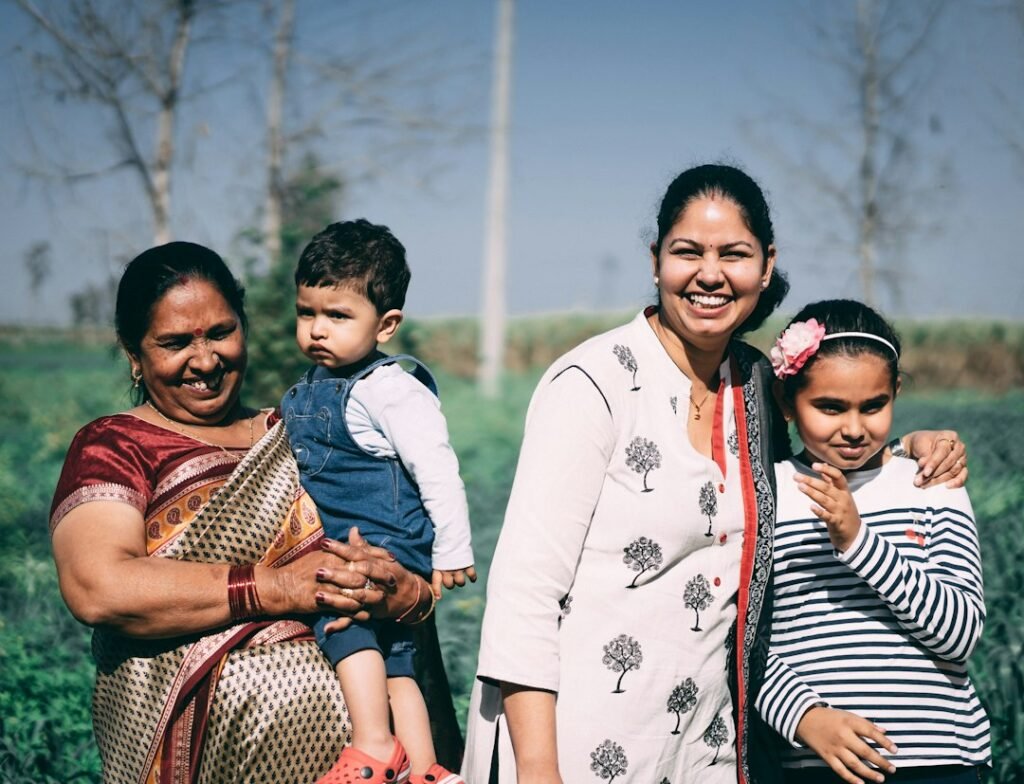
In this investigation
Parenthood changes social identity because a child creates new responsibilities, relationships and expectations that extend far beyond biology. A person becomes not only an individual but someone’s mother, father or caregiver, while grandparents, siblings and kin also acquire new roles.
The transformation can occur through birth, adoption, fostering or other caregiving arrangements. Parenthood is therefore social as well as reproductive.
A child reorganizes kinship
One birth can create parents, grandparents, aunts, uncles and cousins simultaneously.
Kinship networks gain new obligations and lines of descent.
Names can change
Some cultures address adults through teknonyms such as “mother of” or “father of” a child.
The linguistic shift makes parenthood publicly visible.
Ritual marks the new role
Birth ceremonies, naming, baptism, cradle rituals and postpartum customs can recognize not only the infant but the parents’ changed status.
Responsibility changes daily life
Sleep, work, spending, socializing and household routines are reorganized around care.
The identity change is therefore reinforced by repeated behavior.
Biology and caregiving both matter
Pregnancy, birth and caregiving can alter hormones, stress responses and attention in parents.
Research also finds caregiving-related changes in fathers and adoptive parents, showing that experience matters alongside biology.
Parenthood can strengthen belonging
Parents may gain new connections to schools, religious communities and neighborhood networks.
Children become bridges between households.
It can also increase isolation
Care demands, sleep loss and financial pressure can reduce adult social life.
Parental distress and burnout are real health concerns.
Gender expectations shape the burden
Many societies assign mothers more unpaid care work than fathers.
The identity of parent may therefore affect men and women differently because institutions distribute responsibility unequally.
Fatherhood is culturally variable
Some societies expect fathers primarily to provide resources, others emphasize direct care, teaching or ritual authority.
There is no single universal father role.
Adoption shows parenthood is not reducible to genetics
Legal and social recognition can create durable parent-child relationships without biological descent.
Care, responsibility and attachment are central mechanisms.
Why societies ritualize parenthood
Public recognition helps assign obligations: who protects the child, who belongs to the lineage and who is responsible for future care.
Ritual converts private birth into social structure.
What survives scrutiny?
- Parenthood reorganizes kinship, identity and daily routine.
- Caregiving changes behavior and can influence physiology.
- Parent roles differ by gender, class and culture.
- Adoption demonstrates that social parenthood is not reducible to genetics.
- Parenthood can increase social connection but also stress and isolation.
- Birth rituals publicly assign new relationships and obligations.
The Tradivior Evidence Profile
Historical Authenticity — Strong. Parenthood rituals and role changes are widely documented.
Original-Purpose Evidence — Strong. Kinship recognition, responsibility and lineage are explicit.
Scientific Mechanism — Strong for identity, role and social-support mechanisms.
Experimental Evidence — Moderate to Strong. Parenting psychology, attachment and caregiving biology are well studied.
Cross-Cultural Evidence — Strong. Parenthood is universal but roles vary greatly.
Modern Relevance — Strong. Care burden, parental mental health and family policy remain major issues.
The Tradivior Conclusion
Parenthood changes social identity because caring for a child reorganizes both the household and the wider kinship network.
Biology matters, but care, law and public recognition matter too. Societies ritualize parenthood because the arrival of a child creates obligations that must be assigned and remembered.
Sources & further reading
- Anthropological literature on kinship and parenthood.
- Psychological research on parental identity, attachment and caregiving.
- Clinical literature on parental wellbeing and caregiver burden.
Continue exploring
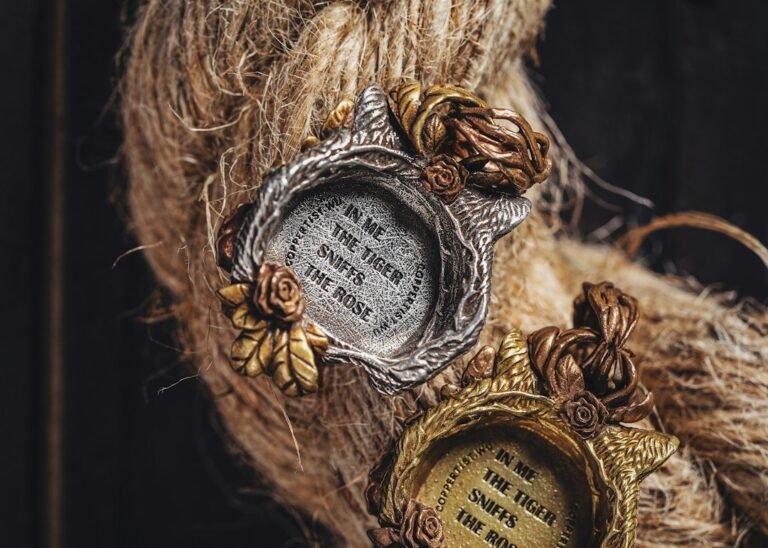
Why Do People Keep Ashes, Relics and Memorial Objects?
Hair, ashes, bones, clothing, photographs and relics allow the dead to remain materially present. Tradivior will examine why objects carry memory so powerfully and how continuing bonds differ from pathological…

Why Do Cultures Set Aside Days to Remember the Dead?
From Pitru Paksha and Qingming to Día de Muertos and All Souls’ Day, cultures repeatedly create calendar time for the dead. Tradivior will compare how recurring remembrance renews kinship, grief…

Why Do Cultures Preserve the Dead?
Mummification, embalming, freezing, smoking and desiccation reflect very different beliefs about bodies and afterlives. Tradivior will compare preservation traditions with the chemistry of decomposition and the practical limits of each…

Why Did Cremation Become Central to Hindu Death Ritual?
Cremation has deep roots in many Hindu traditions but varies by community, age, status and circumstance. Tradivior will investigate its historical logic, environmental consequences and modern changes without treating one…
Picked for your curiosity
Enable JavaScript to build a reading profile and see recommendations.