 tradivior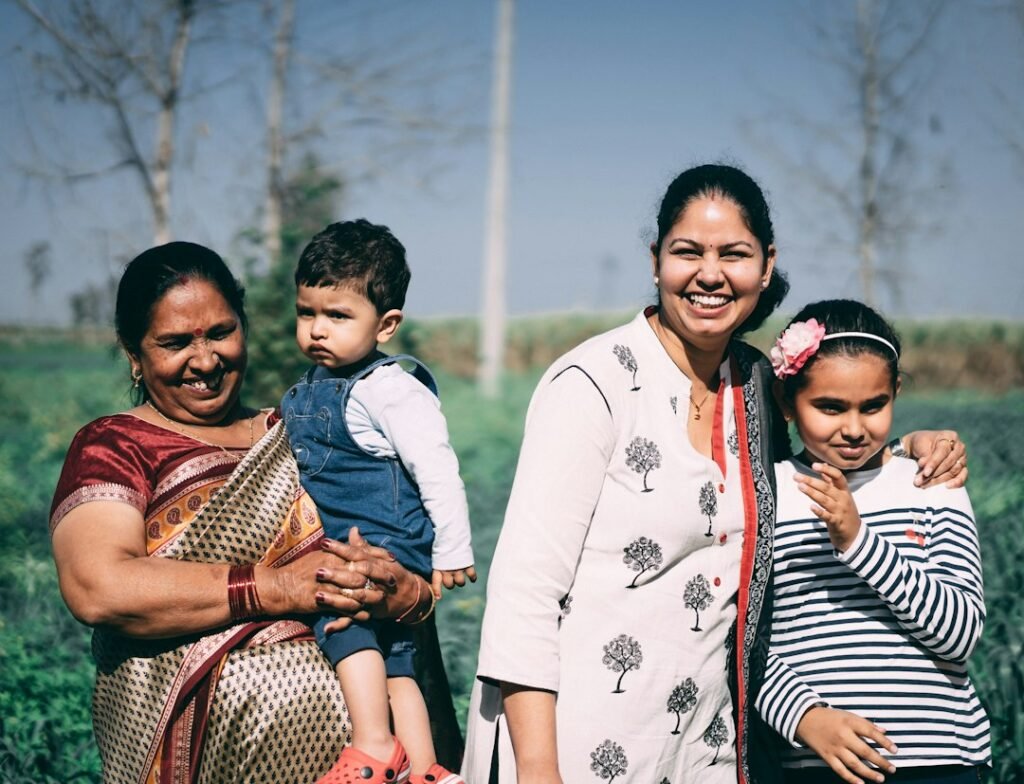
In this investigation
Pregnancy turns ordinary food into a field of risk management. Across cultures, women are told to avoid eggs, meat, fish, papaya, pineapple, twin fruits, “hot” foods, “cold” foods, sticky foods, large foods, dark foods or foods believed to shape the baby’s appearance or temperament.
The specific rules vary dramatically, but the underlying situation is universal: pregnancy is biologically demanding, outcomes are uncertain, and communities want explanations for miscarriage, difficult labour and infant illness. Food becomes an obvious place to impose control.
Pregnancy is a uniquely vulnerable life stage
Energy, protein, iron, folate, iodine and other nutrient needs change during pregnancy. Foodborne infections and certain toxins can also cause unusually serious consequences for the fetus.
This means some pregnancy-specific dietary caution is scientifically justified. The challenge is separating demonstrated risks from culturally transmitted associations.
THE RECORD
Systematic reviews find pregnancy food taboos across many societies. Common rationales include fear of miscarriage, fetal abnormality, difficult delivery, excessive birth weight and illness—showing that the rules often function as cultural risk management.
Modern evidence confirms some foods do deserve special caution
Pregnant people are advised to avoid or carefully manage foods with high risk of Listeria, undercooked animal products, certain high-mercury fish, unpasteurized dairy and excessive vitamin A from particular sources. Alcohol is also contraindicated because no safe level for fetal exposure has been established.
These recommendations come from identifiable pathogens, toxicants or developmental risks—not from the mere existence of a taboo.
THE EVIDENCE
Pregnancy genuinely changes nutritional needs and vulnerability to some food hazards. Cross-cultural taboo systems contain a mixture of potentially protective rules, neutral symbolism and restrictions that can worsen maternal nutrition.
Why “big baby” fears appear repeatedly
A 2022 cross-cultural meta-analysis found that agricultural societies often tabooed foods through concern that they would produce a large fetus and difficult delivery. The fear is understandable in settings where obstructed labour is dangerous and access to emergency obstetric care is limited.
The problem is that restricting nutritious foods does not provide a reliable or safe method of controlling fetal size.
Symbolic resemblance can generate rules
Foods may be avoided because their shape, colour, stickiness or growth pattern is believed to transfer a property to the fetus. Such reasoning appears in many traditional medical and magical systems.
These rules are culturally intelligible but do not gain biological validity from symbolism alone.
“Hot” and “cold” food classifications recur widely
South Asian, Latin American and other traditions often classify pregnancy foods by hot/cold qualities unrelated to serving temperature. Pregnancy may be interpreted as a state requiring balance.
Modern physiology should not equate these categories automatically with inflammation, metabolic rate or body temperature. They belong to traditional explanatory systems.
Taboos can remove exactly the foods pregnancy needs
Reviews report avoidance of eggs, meat, dairy, leafy vegetables and fruits—foods that can provide protein, iron, calcium, folate and vitamins. In food-insecure households, losing even one major nutrient source can matter.
This is why clinicians need to ask what a pregnant person is avoiding rather than assuming cultural rules are harmless.
Family authority transmits the rules
Systematic reviews repeatedly identify mothers, mothers-in-law, elders, religious figures and community networks as major sources of pregnancy food advice. The rules therefore persist through trusted relationships rather than written manuals.
Effective nutrition counselling often needs to involve those relationships rather than simply contradict the pregnant woman.
Some taboos may accidentally protect
A rule against raw animal foods, spoiled foods, certain toxic plants or contaminated water could reduce risk even if its cultural explanation differs from the modern mechanism.
Such cases should be credited when evidence supports them, but not generalized to the full taboo system.
Cravings and aversions create another layer
Nausea, altered smell sensitivity and food aversions are common in pregnancy. A culture may build explanations around patterns that began as individual physiology.
This can blur the line between personal tolerance and communal prohibition.
Modern supplement advice is also culture-bound
Folic acid, iron and iodine recommendations are grounded in modern evidence, but access and adherence vary. Clinicians should avoid assuming that biomedical advice operates outside culture; pills, fortified foods and prenatal care also require trust and social acceptance.
Pregnancy magnifies ordinary food-risk decisions
Foods that are usually low-risk can matter more during pregnancy because infection, toxin exposure or nutritional deficiency can affect both mother and fetus. This makes pregnancy an especially fertile setting for rules, warnings and inherited advice.
The challenge is that genuine vulnerability makes unsupported restrictions feel more credible. A cautious rule can sound medically sensible even when its mechanism is symbolic.
Listeria is a real example of why pregnancy advice became stricter in modern medicine
Listeria monocytogenes can cause relatively mild illness in the pregnant person while producing miscarriage, stillbirth or severe neonatal infection. Modern guidance therefore targets foods and handling practices known to carry higher contamination risk.
This is a model of evidence-based avoidance: the organism, exposure route and adverse outcomes are identifiable and measurable.
Mercury advice shows that “avoid fish” can be too crude
Some large predatory fish accumulate methylmercury, which can harm neurodevelopment at high exposure. At the same time, fish can provide protein, iodine and omega-3 fatty acids.
Modern pregnancy guidance therefore usually distinguishes high-mercury species from lower-mercury fish rather than banning fish altogether. That targeted approach is more nutritionally balanced than a blanket taboo.
Raw animal foods create risks that cooking can reduce
Undercooked eggs, meat, seafood and unpasteurized dairy can expose pregnant people to pathogens such as Salmonella, Toxoplasma or Listeria. Thorough cooking and pasteurization provide direct risk-reduction mechanisms.
A traditional rule that happens to avoid raw animal food may therefore be protective, even if its explanation is framed in hot/cold or purity language rather than microbiology.
Food aversions can be physiological before they become cultural
Nausea, altered smell sensitivity and strong aversions are common in early pregnancy. Families may then interpret those experiences through local categories about foods that are dangerous or inappropriate.
A personal aversion can therefore become socially generalized even though another pregnant person tolerates the same food perfectly well.
The “hot” and “cold” system organizes uncertainty
Across South Asia, Latin America and other regions, pregnancy diets may be classified by hot and cold qualities that are unrelated to serving temperature. These categories offer a coherent explanation for symptoms and a practical rule system for balancing foods.
Modern physiology should not equate these categories automatically with inflammation, metabolism or core temperature. They are traditional conceptual systems with their own logic.
Fears of a “large baby” are historically understandable
In settings without safe caesarean delivery, obstructed labour could be catastrophic. Cross-cultural pregnancy-taboo research has documented concerns that particular foods might make the fetus too large and childbirth difficult.
The fear maps onto a real obstetric danger, but restricting nutritious foods is not a reliable way to prevent macrosomia and can create maternal undernutrition.
Iron restriction is especially risky
Pregnancy substantially increases iron requirements. Avoiding meat, eggs, pulses or leafy vegetables without replacement can worsen the risk of iron deficiency and anaemia.
Where a taboo conflicts with nutrient needs, clinicians can often preserve the cultural rule while identifying acceptable alternative sources or supplements.
Protein restriction can be hidden inside “light eating” advice
Some pregnancy traditions encourage smaller portions or avoidance of eggs, fish, meat and pulses to prevent a large fetus or digestive discomfort. If several high-protein foods are removed simultaneously, total intake can become inadequate.
The relevant clinical question is therefore not whether one forbidden food is essential, but whether the remaining diet still meets energy and protein needs.
Papaya and pineapple illustrate how weak evidence becomes culturally durable
Raw or unripe papaya contains latex compounds that have shown uterine effects in some animal and laboratory studies, while ripe papaya differs substantially. Pineapple contains bromelain, but ordinary dietary exposure does not establish a miscarriage mechanism.
These examples show why dose, ripeness, preparation and human evidence matter. A plausible compound is not enough to justify a sweeping pregnancy prohibition.
Alcohol is a modern evidence-based taboo with unusually strong justification
Prenatal alcohol exposure can cause fetal alcohol spectrum disorders and other harms. Because a safe threshold has not been established, public-health guidance recommends avoiding alcohol during pregnancy.
This is useful for comparison: when evidence supports broad avoidance, the mechanism and developmental risk are documented rather than inferred from symbolism.
Family authority can override the pregnant person’s own appetite
Mothers-in-law, older women and other relatives often transmit pregnancy food rules because they are trusted sources of lived experience. That support can be valuable, especially where formal prenatal care is limited.
It can also become coercive when the pregnant person is forced to avoid foods, eat unwanted preparations or delay medical advice.
Culturally competent care works by substitution, not ridicule
If a woman avoids eggs for cultural reasons, a clinician can ask what protein sources she accepts. If she avoids a fruit, another vitamin-rich food can replace it. The objective is nutritional adequacy rather than winning an argument over belief.
This approach respects autonomy while keeping maternal and fetal health central.
Pregnancy myths spread rapidly because the cost of being wrong feels asymmetric
If someone avoids a harmless food and nothing happens, the rule seems safe. If someone eats a forbidden food and later miscarries for an unrelated reason, the food can be blamed permanently.
This asymmetry makes pregnancy restrictions unusually resistant to disconfirmation and helps explain why weakly supported rules can persist for generations.
Modern prenatal nutrition also requires humility
Biomedical guidance changes as evidence improves. Advice about fish, caffeine, allergy prevention and supplements has evolved over time.
The scientific advantage is not infallibility but the ability to revise recommendations when better data become available.
Pregnancy rules are cultural attempts to manage uncertainty
Pregnancy creates a problem that every society must somehow interpret: a major biological process is taking place inside the body, but many of its outcomes remain invisible until late in gestation or birth. Before ultrasound, laboratory testing and modern obstetrics, families had few ways to know why a pregnancy ended well or badly. Food therefore became an obvious field for intervention. It is eaten every day, can be controlled by relatives, and seems capable of influencing the developing child.
A 2026 systematic review and meta-synthesis of pregnancy food beliefs describes these rules not simply as nutrition advice but as social systems of risk management shaped by family authority, religion, gender expectations and material constraints. That framing helps explain why apparently strange prohibitions can persist. They offer a sense of agency in a period when outcomes can feel frighteningly uncertain, even when the proposed mechanism is wrong.
The fear of a difficult birth is historically understandable
Cross-cultural research has found a recurring concern that eating certain foods will make the fetus too large and therefore make labour dangerous. A 2022 meta-analysis reported that such beliefs were especially prominent in agricultural populations. The logic is not irrational in the abstract: obstructed labour has historically been a major threat to mothers and babies, and fetal size is one factor that can influence delivery.
What does not follow is that a particular food taboo actually controls fetal size in the way claimed. Restricting eggs, meat, dairy, grains or other nutritious foods may reduce maternal intake without meaningfully preventing obstructed labour. The existence of a real obstetric danger can therefore generate a cultural response whose physiological effectiveness is uncertain or harmful. Tradivior should preserve that distinction rather than treating fear of difficult birth as proof that the diet rule was medically sound.
Modern pregnancy advice proves that food-specific caution can be evidence-based
Contemporary antenatal care does not tell pregnant people to “eat everything.” Pregnancy changes susceptibility to some infections and alters the consequences of certain contaminants. Health authorities therefore advise special care with food hygiene, undercooked animal products, unpasteurized dairy and other higher-risk foods. Fish choices may also be modified to reduce exposure to excessive mercury while retaining the nutritional benefits of lower-mercury seafood.
This is useful evidence because it shows that pregnancy-specific food rules are not inherently unscientific. The question is whether the prohibited food and the proposed risk are supported. A modern recommendation can be traced to microbiology, toxicology, dose and outcome data. A traditional rule may turn out to have a similar protective effect, but that must be demonstrated rather than assumed.
Nutrient needs rise at the same time that taboos can narrow the diet
Pregnancy increases demand for energy, protein and several micronutrients. WHO guidance emphasizes dietary diversity and adequate intake of protein, iron, folate, iodine, calcium and other nutrients, with counselling and supplementation where needed. This creates a direct tension with cultural systems that prohibit nutrient-dense foods during pregnancy.
Systematic reviews report restrictions involving meat, eggs, dairy products, leafy vegetables, fruits and other foods that can be valuable sources of protein and micronutrients. In a household with abundant alternatives, one prohibition may be nutritionally unimportant. In a food-insecure household, removing several accessible foods can matter much more. The health effect of a taboo therefore depends not just on the rule but on what remains available.
“Hot” and “cold” foods form a coherent cultural system even when the physiology differs
Humoral classifications of food as hot or cold appear in South Asia, Latin America and other regions, although the categories and pregnancy rules vary. These labels usually do not describe temperature. They refer to qualities believed to alter the body’s internal balance. Pregnancy may be classified as a hot, cold or unstable state, and food choices are then adjusted to restore equilibrium.
From within the system, the rules can be internally consistent. That is different from showing that the categories map onto measurable modern physiology. The mistake would be to translate “hot” directly into inflammation, metabolism or body temperature and declare the traditional theory scientifically proven. A cultural model can organize experience effectively without corresponding one-to-one with biomedical categories.
Food aversion provides a biological pattern that cultures can interpret differently
Nausea, vomiting, altered smell sensitivity and food aversions are common in pregnancy. These physiological changes can make formerly normal foods suddenly unpleasant. Once many women in a community report similar experiences, cultural explanations can form around them: a food may be called dangerous, too strong, impure or unsuitable for the fetus.
Some evolutionary hypotheses propose that first-trimester aversions may reduce exposure to pathogens or plant toxins at a vulnerable developmental stage. The idea is plausible in parts, but it should not be used to justify every culturally transmitted avoidance. Individual aversion, population-level taboo and demonstrated protection are three different things.
Family advice can outweigh clinical advice because pregnancy is socially shared
Pregnancy food decisions are rarely made by the pregnant person alone. Reviews repeatedly identify mothers, mothers-in-law, older relatives, partners, religious advisers and community members as important sources of dietary instruction. In some households, the person preparing food may have more practical control over the diet than the person who is pregnant.
This helps explain why simply giving a clinic leaflet may fail. A restriction embedded in family duty or respect for elders cannot always be changed by presenting nutrient data to one individual. Contemporary nutrition programmes increasingly recognize that culturally sensitive counselling may need to involve the wider household while preserving harmless traditions and directly addressing restrictions that create nutritional risk.
Migration shows which rules are about identity as well as environment
A 2024 systematic review of pregnant and postpartum migrant women from low- and middle-income countries found that many cultural food practices continued after migration to high-income settings. Women described restrictions on protein-, iron- and micronutrient-rich foods as well as hot/cold classifications, with advice often continuing to flow from family members in the country of origin.
This persistence is revealing. If a rule survives after climate, food supply, sanitation and medical systems change, it may now function partly as identity, kinship and continuity rather than as a direct response to the original environment. Traditions can therefore travel even when their material context does not.
The safest modern approach is substitution, not ridicule
When a food restriction is harmless, there may be no reason to challenge it. When it removes an important nutrient source, the practical question is how to replace what has been lost. A person avoiding meat for religious reasons may need other sources of iron, protein and vitamin B12. Someone avoiding dairy may need alternative calcium sources. A family prohibiting eggs may need another affordable protein source.
This approach respects the social meaning of the rule while protecting nutrition. It is more effective than framing culture and medicine as enemies. The evidence-led goal is not to erase tradition; it is to identify which parts are safe, which parts are beneficial, and which parts require modification because measurable risk outweighs inherited reasoning.
What survives scrutiny?
- Pregnancy food taboos are widespread across cultures.
- They often aim to prevent miscarriage, difficult birth, fetal abnormality or infant illness.
- Pregnancy genuinely changes nutritional needs and vulnerability to some foodborne hazards.
- Some modern pregnancy avoidances have strong evidence behind them.
- Traditional taboos can sometimes reduce risk but can also remove nutrient-rich foods.
- Cross-cultural variation argues against one universal adaptive explanation.
- Family and community authority are major routes of transmission.
- Pregnancy dietary rules should be evaluated food by food, not accepted or rejected as a package.
The Tradivior Evidence Profile
Historical Authenticity — Strong. Pregnancy-specific food rules are widely documented.
Original-Purpose Evidence — Strong. Protecting mother and fetus and avoiding difficult delivery are repeatedly stated purposes.
Scientific Mechanism — Limited. Some rules map onto real hazards, while many do not.
Experimental Evidence — Limited. Evidence is predominantly qualitative, observational and nutritional rather than experimental tests of specific traditional taboos.
Cross-Cultural Evidence — Strong. Pregnancy taboos are common, but targeted foods and explanations vary.
Modern Relevance — Strong. Cultural food rules remain important for prenatal nutrition and clinical communication.
The Tradivior Conclusion
Evidence Unclear. Pregnancy attracted food rules because it is a high-stakes period in which communities sought control over uncertain outcomes. Some restrictions may incidentally protect against real hazards, while others can deprive women of protein, iron, calcium or vitamins. The scientifically responsible approach is neither to romanticize nor dismiss pregnancy taboos: identify the specific food, the stated reason, the actual exposure and the modern evidence.
Continue investigating
Sources & further reading
- World Health Organization. “Nutrition counselling during pregnancy.” Updated 2023.
- World Health Organization. “Healthy diet.” Updated 2026.
- Olajide O, et al. “Cultural food practices and sources of nutrition information among pregnant and postpartum migrant women from low- and middle-income countries residing in high income countries: A systematic review.” 2024. PMID 38723007.
- de Diego-Cordero R, et al. “The role of cultural beliefs on eating patterns and food practices among pregnant women: a systematic review.” Nutrition Reviews. 2021;79(9):945–963.
- Placek CD, et al. “Food taboos during pregnancy: meta-analysis on cross cultural differences.” 2022. PMID 35846875.
- Recent meta-synthesis: “Thematic Analysis of Pregnancy Food Beliefs.” 2026. PMID 42270156.
- WHO and national prenatal food-safety guidance.
Continue exploring

Evidence Supported
Why Do Cultures Set Aside Days to Remember the Dead?
From Pitru Paksha and Qingming to Día de Muertos and All Souls’ Day, cultures repeatedly create calendar time for the dead. Tradivior will compare how recurring remembrance renews kinship, grief…
Partially Supported
Why Do People Keep Ashes, Relics and Memorial Objects?
Hair, ashes, bones, clothing, photographs and relics allow the dead to remain materially present. Tradivior will examine why objects carry memory so powerfully and how continuing bonds differ from pathological…

Historically Practical
Why Do Cultures Preserve the Dead?
Mummification, embalming, freezing, smoking and desiccation reflect very different beliefs about bodies and afterlives. Tradivior will compare preservation traditions with the chemistry of decomposition and the practical limits of each…

Primarily Symbolic/Cultural
Why Do People Change Names, Clothes or Homes After Marriage?
Marriage often transforms identity through surname changes, new dress, residence, kinship terms or household membership. Tradivior will investigate why marriage needs visible social consequences beyond the ceremony itself.
Picked for your curiosity
Enable JavaScript to build a reading profile and see recommendations.