 tradivior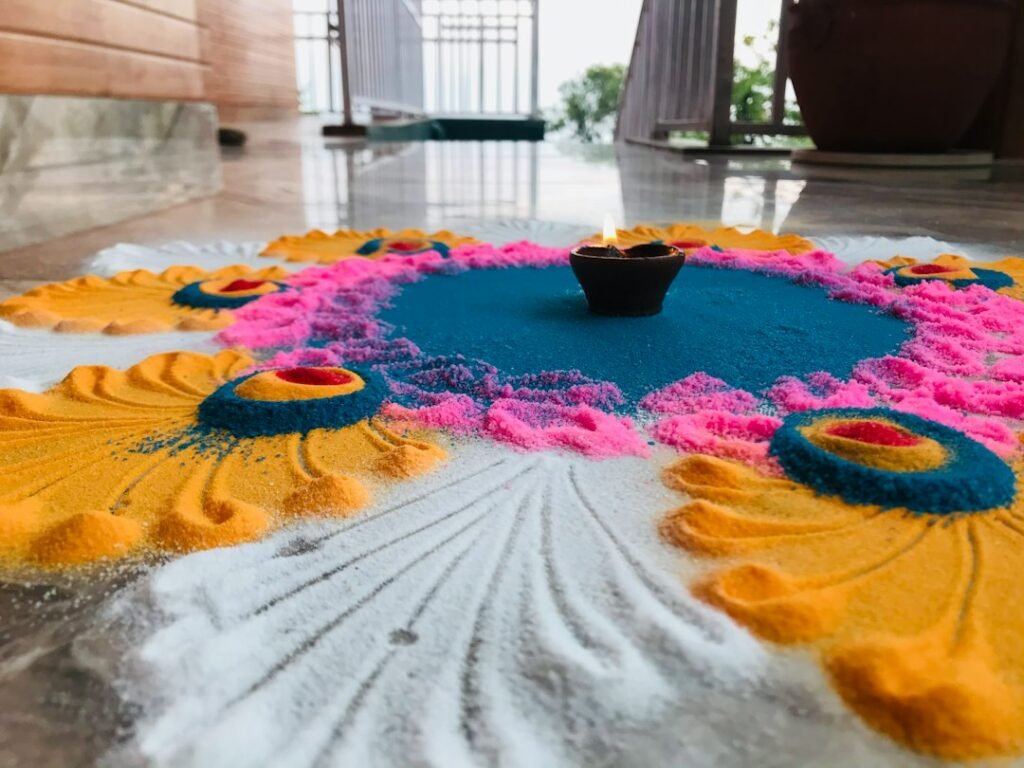
In this investigation
Protective symbols mark doors and bodies because boundaries are where uncertainty becomes visible. A doorway separates outside from inside; skin separates self from environment. Humans repeatedly place symbols on those boundaries to announce identity and protection.
Crosses, mezuzot, nazar motifs, yantras, tilaks, protective inscriptions and painted signs have very different theologies, but they share a material function: making an invisible rule or blessing visible.
Doors are socially important thresholds
Strangers, guests, goods and danger enter through doors. Marking an entrance communicates who owns the space and what norms govern it.
Symbols compress complex beliefs
A small sign can stand for a deity, scripture, lineage or protective narrative. People do not need to retell the entire story each time they enter.
Repeated exposure builds association
Seeing the same symbol at home or on the body reinforces identity through habit.
The symbol becomes a cue for prayer, caution or belonging.
Protective marks can deter human threats
A visible religious sign may signal community surveillance, sacred ownership or social consequences for violation.
This is a real social mechanism, though it may also attract hostility in other contexts.
Body markings make affiliation portable
Forehead marks, tattoos, threads and pendants move with the person, extending protection and identity beyond the home.
Why geometric symbols feel powerful
Symmetry, repetition and high contrast attract visual attention and are easy to reproduce.
That perceptual salience helps symbols persist without proving that geometry emits protective energy.
Written scripture can become an object
Verses placed on doors or worn on the body transform text into material presence.
The authority comes from religious meaning, not from ink having a special physical field.
Symbols can change behaviour
A protective sign may remind residents to follow rules, make visitors behave respectfully or reduce anxiety in occupants.
Those behavioural effects are plausible and measurable.
They can also create exclusion
Boundary symbols may communicate that some people belong and others do not.
Protection and social division can coexist.
What survives scrutiny?
- Protective symbols are common on thresholds and bodies across cultures.
- They signal identity, ownership, blessing and social boundaries.
- Repeated visual cues strengthen memory and ritual habit.
- Visible signs can alter human behaviour and perceived security.
- There is no established evidence that ordinary symbols generate a physical protective field.
- Protection symbols can both unite insiders and exclude outsiders.
The Tradivior Evidence Profile
Historical Authenticity — Strong. Protective marks are widely documented archaeologically and ethnographically.
Original-Purpose Evidence — Strong. Blessing, protection, identity and boundary marking are explicit.
Scientific Mechanism — Moderate for signaling, memory and social boundary effects; Weak for physical supernatural protection.
Experimental Evidence — Moderate. Cueing and signaling effects are supported; supernatural efficacy is not.
Cross-Cultural Evidence — Strong. Threshold and body symbols recur globally.
Modern Relevance — Strong. Protective markings remain widespread.
The Tradivior Conclusion
Protective symbols work socially because they make boundaries, identity and authority visible.
Their cultural power is real even when claims of a literal protective field are unsupported. A mark can change attention and behaviour without changing physics.
Sources & further reading
- Anthropological literature on thresholds, apotropaic symbols and material religion.
- Research on visual cueing, identity signaling and environmental psychology.
- Historical studies of door inscriptions and protective body markings.
Continue exploring

Partially Supported
Why Is the Ganga Sacred?
The Ganga is river, goddess, pilgrimage route, purifier and national symbol. Tradivior will trace how these layers developed and evaluate modern claims about unusual self-purifying properties without confusing microbial findings…
Partially Supported
Why Do People Keep Ashes, Relics and Memorial Objects?
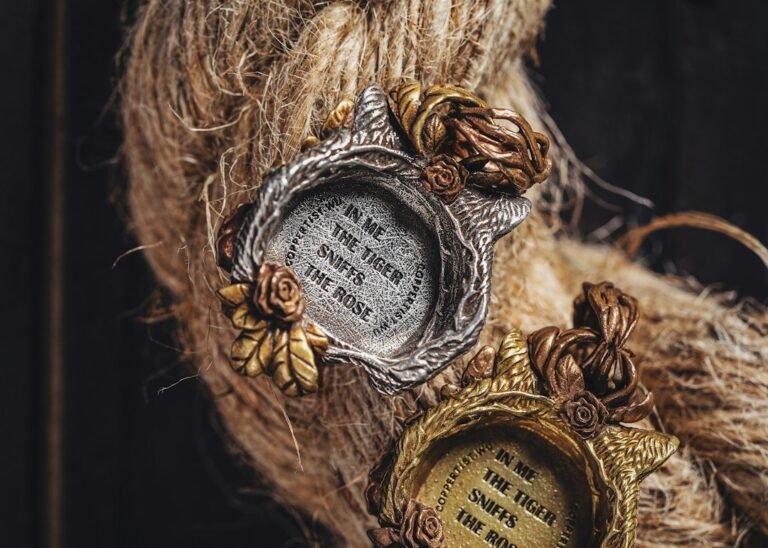
Hair, ashes, bones, clothing, photographs and relics allow the dead to remain materially present. Tradivior will examine why objects carry memory so powerfully and how continuing bonds differ from pathological…
Evidence Supported
Why Do Cultures Set Aside Days to Remember the Dead?
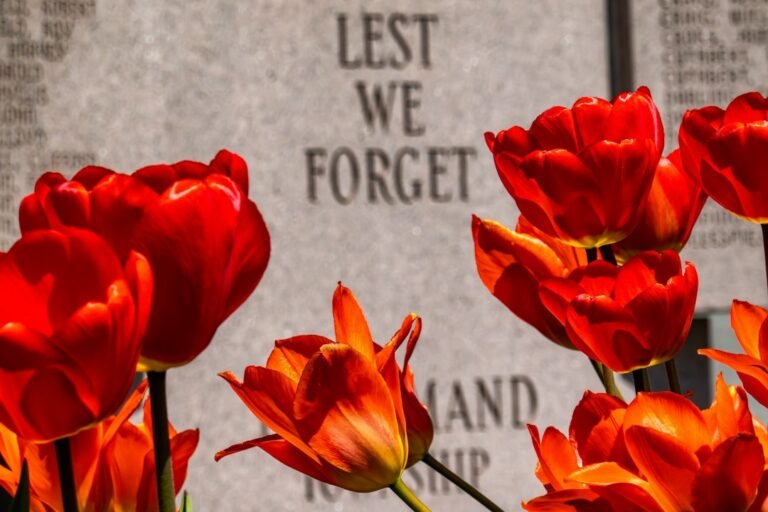
From Pitru Paksha and Qingming to Día de Muertos and All Souls’ Day, cultures repeatedly create calendar time for the dead. Tradivior will compare how recurring remembrance renews kinship, grief…
Historically Practical
Why Do Cultures Preserve the Dead?
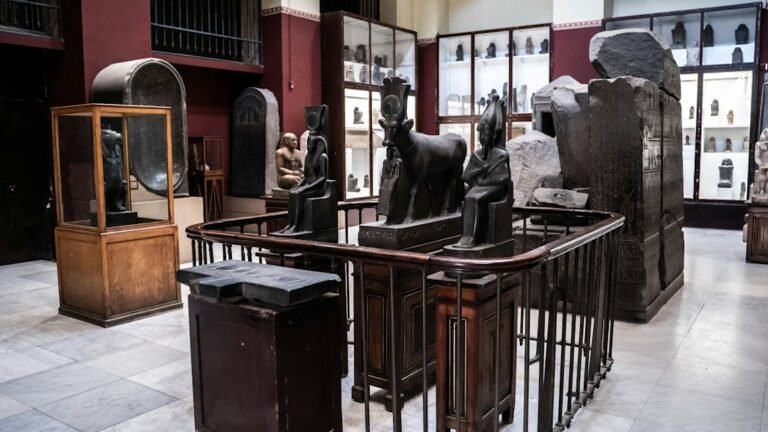
Mummification, embalming, freezing, smoking and desiccation reflect very different beliefs about bodies and afterlives. Tradivior will compare preservation traditions with the chemistry of decomposition and the practical limits of each…
Picked for your curiosity
Enable JavaScript to build a reading profile and see recommendations.