 tradivior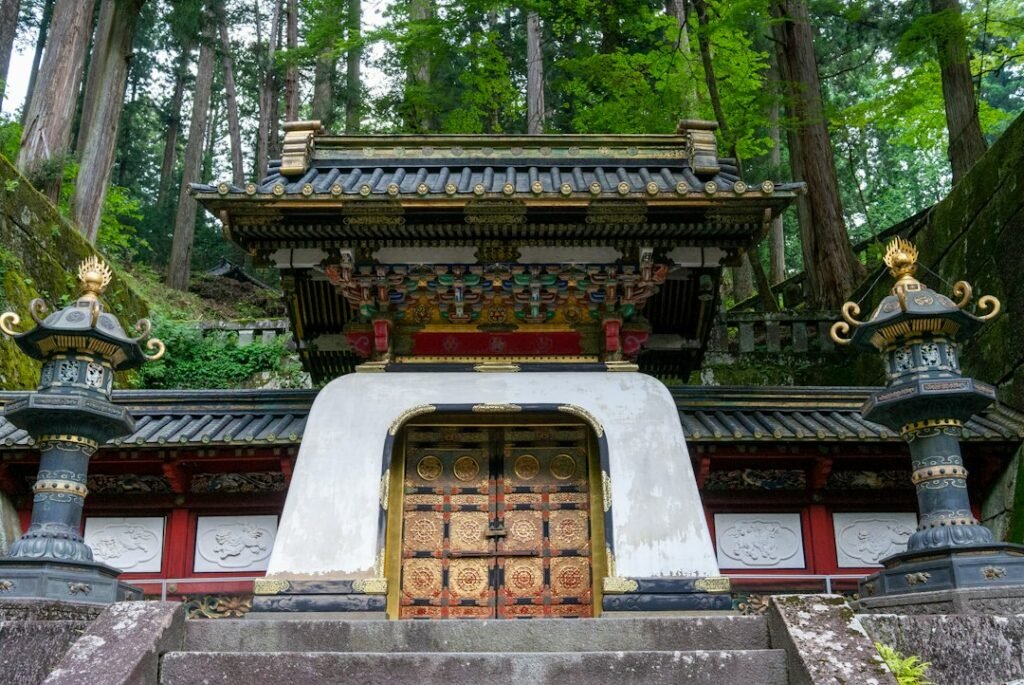
In this investigation
Societies create prohibitions around sacred days, places and objects because rules define what sacredness means in practice. A place becomes different from ordinary space partly because certain actions are forbidden there. A day becomes sacred partly because ordinary work may stop.
Taboo is therefore not merely fear. It is a regulatory system that marks boundaries.
Prohibitions create contrast
If every day were treated identically, a holy day would lose much of its social distinctiveness.
Restrictions on work, food, speech or movement make sacred time visibly different.
Sacred places need behavioral rules
Temples, shrines, burial grounds and pilgrimage sites often prohibit shoes, weapons, photography, certain foods or forms of dress.
The rules protect atmosphere, hierarchy or ritual integrity.
Objects gain status through restricted handling
Scriptures, relics, icons and ceremonial tools may be touched only by designated people or under defined conditions.
Restriction communicates value and prevents casual use.
Taboos simplify decisions
A clear prohibition removes ambiguity. Participants do not need to renegotiate acceptable behaviour at every ritual.
This reduces conflict and coordination cost.
Some sacred-day restrictions create rest
Sabbath-like practices can guarantee recurring interruption of work. A culturally enforced rest day can have social and physiological benefits.
But the religious origin should not be rewritten as a modern occupational-health intervention unless evidence supports that claim.
Food taboos can organize identity
Avoiding certain foods distinguishes insiders from outsiders and creates daily reminders of belonging.
Health effects vary by the food and broader diet.
Place taboos can protect environments
Restrictions on hunting, cutting trees or entering sacred groves can conserve habitat.
Again, conservation may be an effect rather than the original theological purpose.
Taboos can also protect power
Rules about who may enter, touch or speak can preserve elite authority and exclude marginalized groups.
Sacredness is therefore not automatically egalitarian.
Violation creates memorable consequences
Stories of punishment for breaking taboo increase compliance even when enforcement is rare.
Fear of supernatural or social consequences can make rules durable.
Modern law often replaces or overlaps taboo
Heritage sites now use formal regulations where religious taboo once governed behavior. Both systems seek predictable compliance, though their authority differs.
What survives scrutiny?
- Sacred prohibitions make time, places and objects socially distinct.
- Rules reduce ambiguity and coordinate group behavior.
- Some taboos create rest or environmental protection.
- Benefits can be incidental rather than original purpose.
- Taboos can also reinforce hierarchy and exclusion.
- Supernatural punishment claims remain theological rather than experimentally established.
The Tradivior Evidence Profile
Historical Authenticity — Strong. Sacred prohibitions occur across religions and customary systems.
Original-Purpose Evidence — Strong. Sanctity, obedience, identity and boundary maintenance are explicit.
Scientific Mechanism — Moderate for coordination, identity and risk-management mechanisms.
Experimental Evidence — Moderate. Rule-following and identity effects are studied; specific sacred causation is not.
Cross-Cultural Evidence — Strong. Sacred taboos are globally recurrent.
Modern Relevance — Strong. Prohibitions continue to shape worship, heritage and social conflict.
The Tradivior Conclusion
Societies create sacred prohibitions because sacredness requires boundaries that people can actually follow.
Rules can coordinate behavior, create rest or protect environments, but they can also enforce hierarchy. Their real social effects should be distinguished from unsupported claims that every taboo encodes hidden scientific wisdom.
Sources & further reading
- Douglas M. Purity and Danger.
- Durkheim E. Comparative theory of sacred and profane classification.
- Anthropological research on taboo, sacred space and religious regulation.
Continue exploring

Partially Supported
Why Is the Ganga Sacred?
The Ganga is river, goddess, pilgrimage route, purifier and national symbol. Tradivior will trace how these layers developed and evaluate modern claims about unusual self-purifying properties without confusing microbial findings…
Partially Supported
Why Do People Keep Ashes, Relics and Memorial Objects?
Hair, ashes, bones, clothing, photographs and relics allow the dead to remain materially present. Tradivior will examine why objects carry memory so powerfully and how continuing bonds differ from pathological…

Evidence Supported
Why Do Cultures Set Aside Days to Remember the Dead?
From Pitru Paksha and Qingming to Día de Muertos and All Souls’ Day, cultures repeatedly create calendar time for the dead. Tradivior will compare how recurring remembrance renews kinship, grief…
Historically Practical
Why Do Cultures Preserve the Dead?
Mummification, embalming, freezing, smoking and desiccation reflect very different beliefs about bodies and afterlives. Tradivior will compare preservation traditions with the chemistry of decomposition and the practical limits of each…
Picked for your curiosity
Enable JavaScript to build a reading profile and see recommendations.