 tradivior
Indigenous / Animist
Explore by topic, region and evidence
Investigations involving Indigenous or animist cosmologies and practices, using community-specific terms where possible rather than treating them as one religion.
-
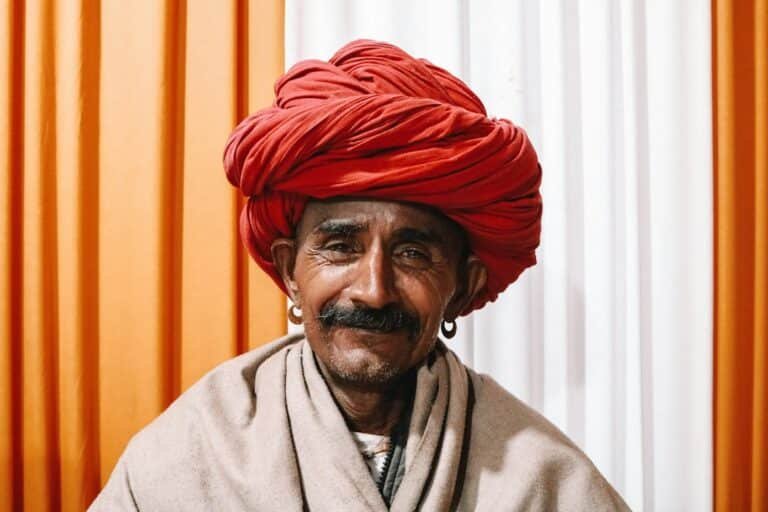
Why Did Humans Wear Jewellery?
Jewellery is one of humanity’s oldest symbolic technologies. Early shell beads predate agriculture by tens of thousands of years, and later ornaments communicate identity, status, alliance, devotion, wealth and memory.
-

Why Do Communities Create Councils of Elders and Informal Courts?
Councils of elders and customary courts offer local knowledge, speed and reconciliation, but their legitimacy depends on fair procedure. The same community power that enforces settlements can also reproduce caste,…
-

Why Do Humans Organize Themselves Into Castes, Clans and Lineages?
Lineages and clans organize descent, inheritance and alliance; caste became a more restrictive inherited social boundary shaped by endogamy, occupation, status and power. Genetics reveals the effects of endogamy but…
-
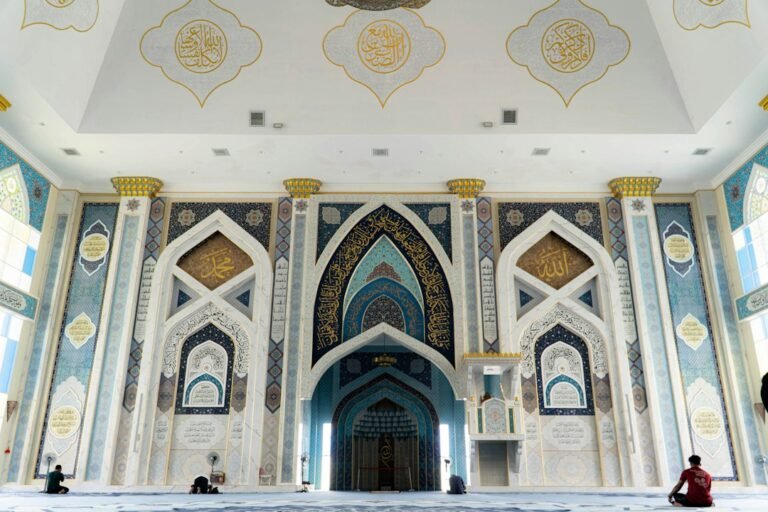
Why Did Some Societies Separate Men and Women in Public and Ritual Life?
Gender-segregated spaces have served ritual order, modesty, status, labour, privacy and control of sexuality. Their modern consequences depend heavily on choice, equal access and whether separation is voluntary or coercive.
-
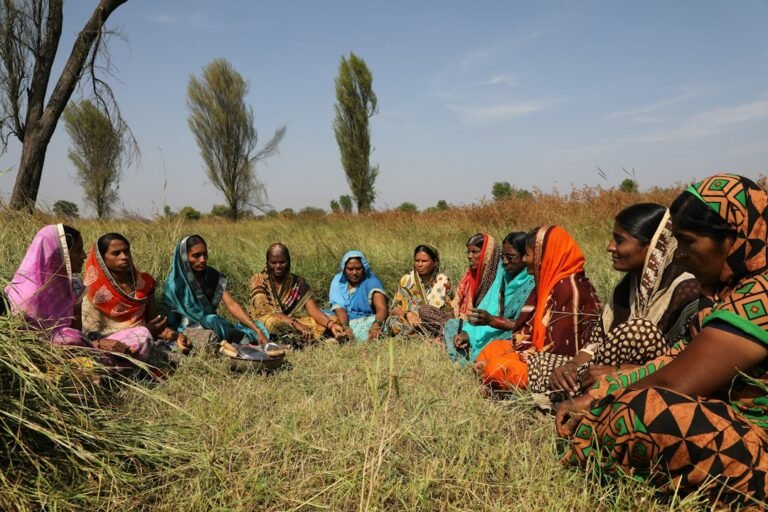
Why Do Elders Receive Special Deference?
Elders often gained deference because age accumulated knowledge, property, lineage authority and experience. Modern evidence supports the harms of ageism, but chronological age is not automatic proof of wisdom or…
-
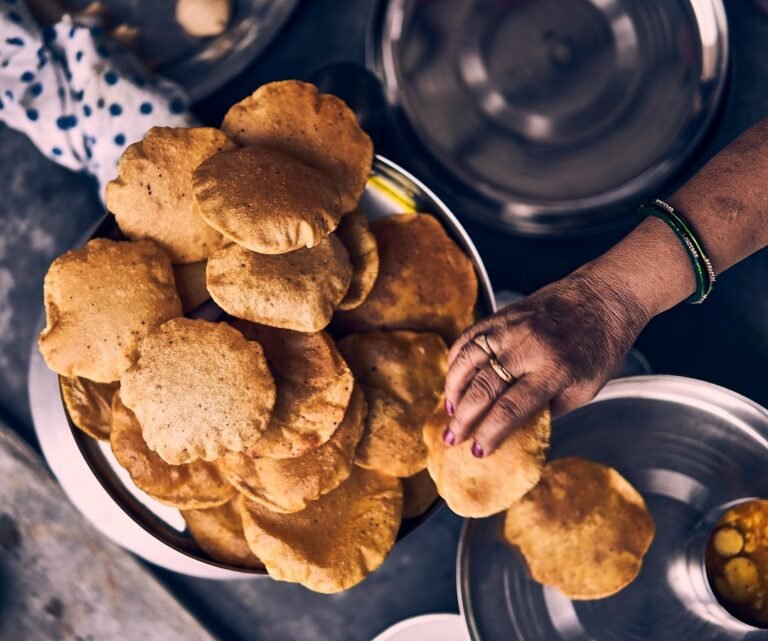
Why Do Communities Treat Hospitality as a Moral Obligation?
Hospitality became a moral obligation because strangers create both risk and opportunity. Guest-host codes reduce uncertainty, protect travellers, build reputation and create reciprocal relationships beyond kin.
-
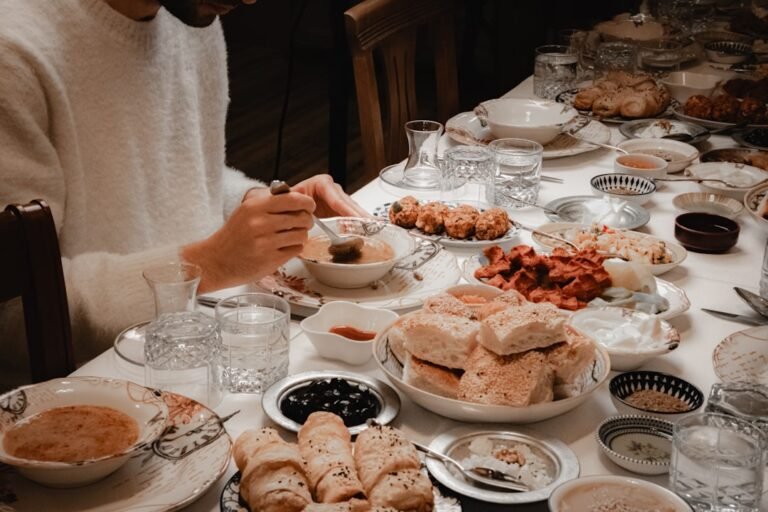
Why Is Feeding the Guest a Sacred Duty in So Many Cultures?
Feeding guests became a sacred duty across many cultures because hospitality reduces uncertainty, creates trust and extends protection beyond kin. The same norm can also produce status pressure and unequal…
-
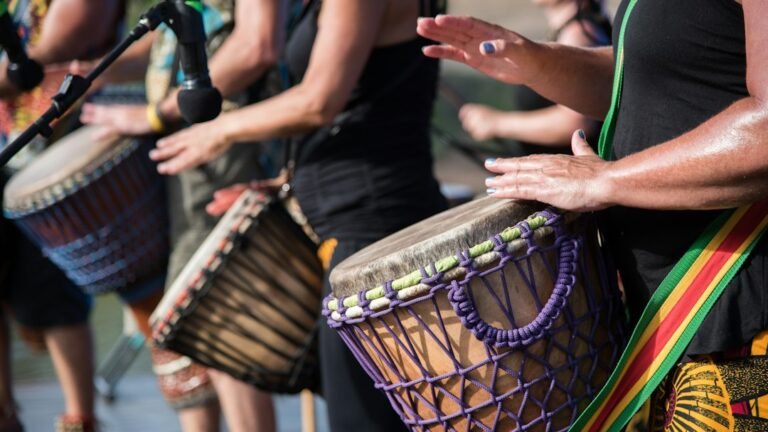
Why Do Humans Seek Trance and Altered States?
Humans across cultures deliberately alter consciousness through rhythm, movement, breath, deprivation, meditation and psychoactive substances. Science explains many induction mechanisms while leaving cultural and metaphysical interpretations distinct.
-

Why Do Traditions Treat Dreams as Messages?
Dreams have served as omens, healing signs, philosophical evidence and sources of authority across civilizations. Modern science supports links to memory and emotion, but not a universal symbolic code or…