 tradivior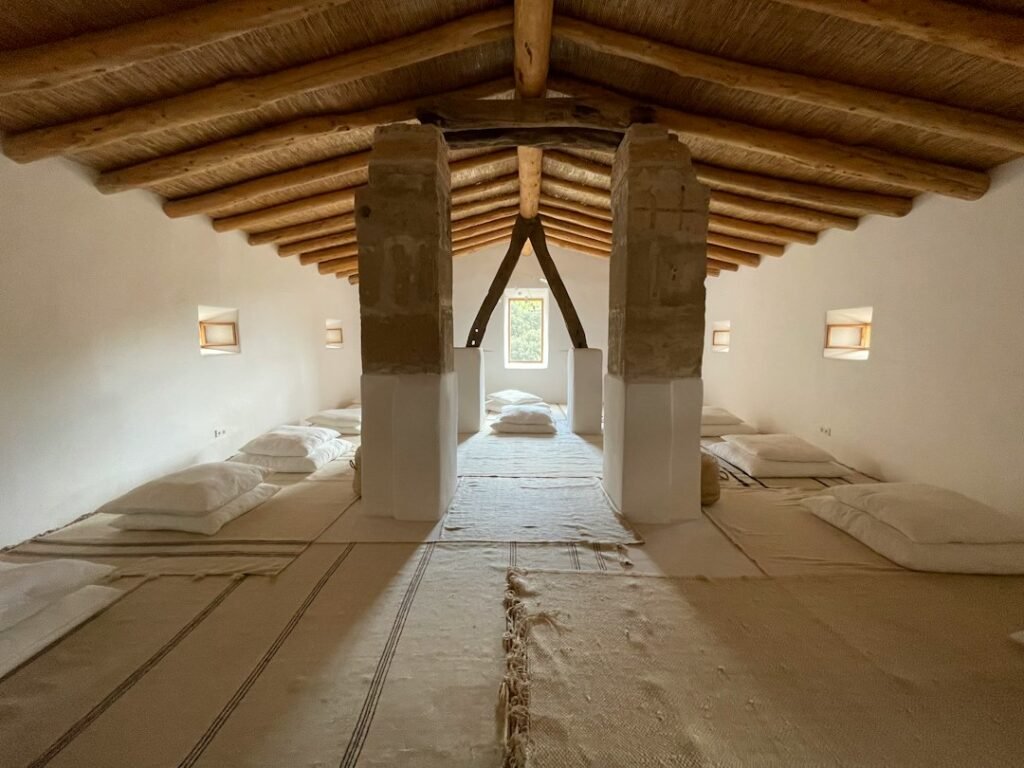
In this investigation
Traditional builders used lime, timber and earth effectively because those materials can perform extremely well when design is matched to climate, structure and maintenance. Their success does not mean every old building was superior to modern construction, nor that traditional materials work without engineering.
What looks low-tech can involve sophisticated knowledge of moisture, flexibility, thermal mass and repair.
Earth provides thermal mass
Adobe, cob and rammed earth can store heat and slow indoor temperature swings.
In climates with large day-night variation, this can improve comfort.
Earth must be protected from water
Persistent moisture can erode or weaken many earthen walls.
Good foundations, roof overhangs, drainage and surface maintenance are therefore essential.
Whole-building detailing matters
Traditional earthen construction often survives when the roof keeps rain off and the base stays dry.
Material durability depends on the entire building rather than wall material alone.
Lime mortar behaves differently from Portland cement
Lime-based mortars are generally softer, more vapor-permeable and more accommodating of movement than many modern cement mortars.
This can suit historic masonry that needs to release moisture and flex slightly.
Harder is not always better
Applying rigid cement mortar to softer historic brick or stone can trap moisture or shift stress into the masonry.
Conservation therefore often recommends compatible lime mortars.
Lime can self-seal small cracks
Calcium compounds can dissolve and reprecipitate under some conditions, helping close fine cracks.
This modest autogenous healing effect should not be exaggerated into unlimited self-repair.
Timber is light and flexible
Wood has high strength relative to weight and can form flexible frames.
In earthquake-prone regions, well-detailed timber-laced masonry can dissipate energy better than brittle unreinforced walls.
Traditional seismic systems deserve careful attention
Himalayan and other regional traditions use timber bands or frames integrated with masonry.
Some have performed well in earthquakes, but performance depends on connections, workmanship and building condition.
Wood is vulnerable too
Fire, termites, fungi and moisture can destroy timber.
Traditional builders used species selection, ventilation, raised foundations and replaceable parts to manage those risks.
Local materials reduce transport
Earth, lime and timber can sometimes be sourced regionally, reducing embodied transport energy.
But sustainability depends on forestry, processing, durability and replacement, not simply on being traditional.
Repairability is a major advantage
Many traditional buildings use materials that can be patched incrementally by local craftspeople.
Maintenance is part of the system rather than evidence of failure.
Modern codes create legitimate challenges
Fire safety, seismic resistance, moisture control and structural loads must meet present standards.
Revival should combine traditional knowledge with engineering testing.
What survives scrutiny?
- Earth can provide useful thermal mass and humidity buffering.
- Lime mortar is often compatible with historic masonry because it is softer and vapor-permeable.
- Timber offers high strength-to-weight ratio and flexibility.
- Traditional detailing can improve seismic and moisture performance.
- All three materials have failure modes requiring maintenance and good design.
- Traditional material does not automatically mean sustainable or code-compliant.
The Tradivior Evidence Profile
Historical Authenticity — Strong. Earthen, lime and timber traditions are extensively documented.
Original-Purpose Evidence — Strong. Local availability, structure, climate response and repair are clear.
Scientific Mechanism — Strong. Thermal mass, vapor transport, mechanics and material chemistry explain performance.
Experimental Evidence — Strong for material properties; Variable for historic performance by technique.
Cross-Cultural Evidence — Strong. These materials appear in diverse building traditions.
Modern Relevance — Strong. Low-carbon construction and heritage conservation are renewing interest.
The Tradivior Conclusion
Traditional builders used lime, timber and earth effectively because they understood materials through repeated construction and repair.
Modern science explains why many details worked while also revealing their limits. The best future is neither blind revival nor blanket replacement, but engineering that preserves proven material wisdom while meeting modern safety requirements.
Sources & further reading
- ICOMOS and conservation literature on lime mortars and historic masonry.
- Earth-building research on rammed earth, adobe and thermal performance.
- Structural-engineering studies of timber-laced masonry and seismic behavior.
Continue exploring

Evidence Supported
Why Do Cultures Set Aside Days to Remember the Dead?
From Pitru Paksha and Qingming to Día de Muertos and All Souls’ Day, cultures repeatedly create calendar time for the dead. Tradivior will compare how recurring remembrance renews kinship, grief…
Partially Supported
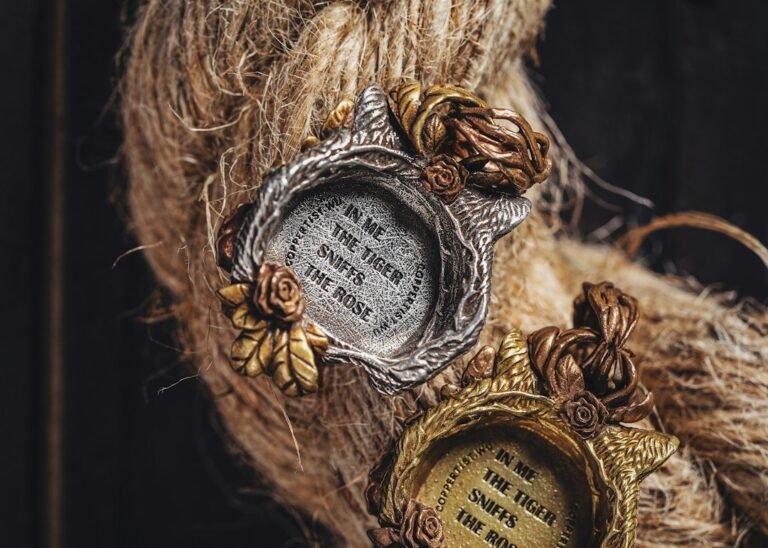
Why Do People Keep Ashes, Relics and Memorial Objects?
Hair, ashes, bones, clothing, photographs and relics allow the dead to remain materially present. Tradivior will examine why objects carry memory so powerfully and how continuing bonds differ from pathological…
Historically Practical
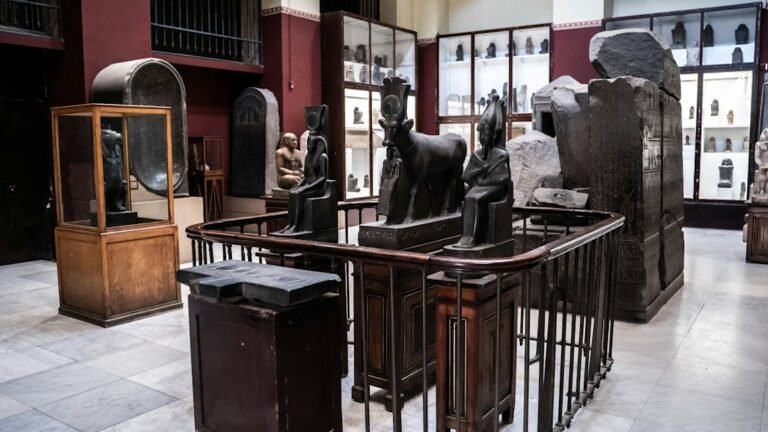
Why Do Cultures Preserve the Dead?
Mummification, embalming, freezing, smoking and desiccation reflect very different beliefs about bodies and afterlives. Tradivior will compare preservation traditions with the chemistry of decomposition and the practical limits of each…

Primarily Symbolic/Cultural
Why Do People Change Names, Clothes or Homes After Marriage?
Marriage often transforms identity through surname changes, new dress, residence, kinship terms or household membership. Tradivior will investigate why marriage needs visible social consequences beyond the ceremony itself.
Picked for your curiosity
Enable JavaScript to build a reading profile and see recommendations.