 tradivior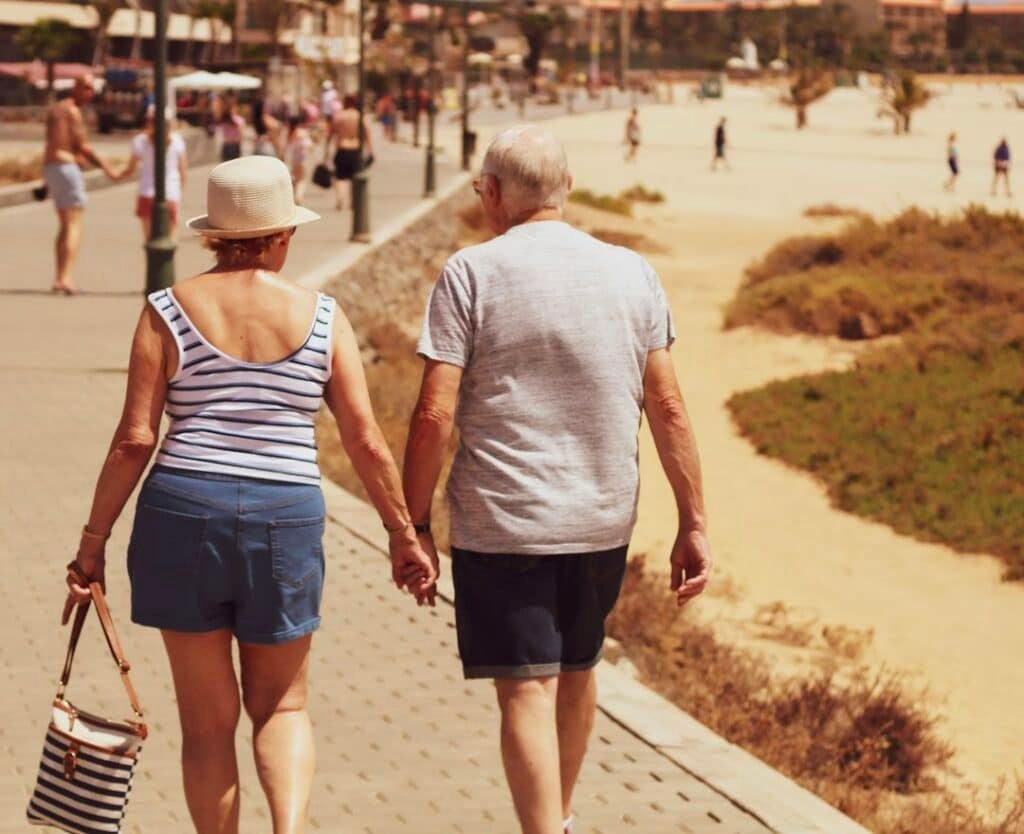
In this investigation
Long before “longevity” became an industry of supplements, biomarkers and optimization, human societies built ordinary routines around a much older ambition: remain capable, avoid illness, preserve the mind and live long enough to see another generation grow. Ayurveda organized daily and seasonal regimens. Chinese traditions cultivated movement, breath and moderation. Mediterranean moral and medical traditions praised temperance. Religious communities structured food, sleep, work, rest and social obligation. Were they all discovering the same anti-ageing formula?
The oldest longevity technology was the day itself
For most of history, people did not possess a laboratory measure of biological age. What they could control was repetition: when to wake, eat, move, work, rest, wash, pray and sleep. Medical and philosophical systems therefore often located health in regimen rather than in a single cure.
That does not mean every inherited routine extended life. Some were symbolic, some reflected local environments, some were medical theories now abandoned and some may have been harmful. The historically important idea is broader: health could be cultivated through repeated behaviour.
Ayurveda made routine explicit
Ayurvedic literature gives daily regimen—dinacharya—and seasonal regimen—ritucharya—a prominent place in health maintenance. Practices involving hygiene, movement, food, sleep, oiling and other forms of self-care were arranged within a larger preventive framework. Longevity was not reduced to one substance; it was connected to how life was ordered.
Modern physiology can test individual behaviours inside that framework, but it cannot simply translate doshas into hormones or circadian genes and declare the ancient mechanism proven. Historical authenticity and modern biological plausibility are separate findings.
Other civilizations reached for the same goal differently
Chinese health traditions developed practices concerned with nourishment of life, moderation, movement and cultivation. Greek and Roman writers discussed regimen, exercise, diet and balance. Religious traditions across regions imposed rhythms of meals, fasting, sleep, communal gathering and restraint. Many societies respected elders whose longevity appeared to embody successful living.
The recurrence is intriguing, but it should not be overinterpreted. Similar human bodies face similar constraints: inactivity weakens function, inadequate food harms health, disrupted sleep impairs wellbeing, intoxicants can cause disease and isolation can become damaging. Cultures did not need a shared secret manuscript to notice that repeated habits shape how people feel and function.
ACROSS CULTURES
The strongest cross-cultural connection is not a single longevity ritual. It is the recurring belief that health is produced partly by repeated behaviour: food, movement, rest, restraint, social obligation and mental or spiritual practice.
Modern science agrees with the principle more than the recipes
Contemporary healthy-ageing research strongly supports the idea that behaviour across the life course matters. The World Health Organization emphasizes balanced diet, regular physical activity and avoidance of tobacco, while also defining healthy ageing in terms of maintaining functional ability rather than merely accumulating years.
Systematic reviews likewise associate combinations of physical activity, healthy dietary patterns, adequate sleep and weight management with survival and healthier ageing. Randomized lifestyle interventions can improve physical, cardiovascular and other functional outcomes even later in life.
This is a powerful convergence at the level of principle. It is not proof that every ancient daily routine was scientifically optimized.
Movement may be the least exotic longevity practice
Traditional daily life often embedded movement into work, transport, floor transitions, farming, household labour and ritual. Modern environments can remove much of that movement, forcing exercise to become a separate scheduled activity.
Modern evidence strongly supports regular physical activity for preserving cardiovascular health, muscle, mobility and independence. Strength and balance become particularly important with age. The useful historical lesson is therefore not that one ancestral posture guarantees longevity, but that a body used regularly tends to retain capacities a sedentary body loses.
Food: moderation survives better than miracle ingredients
Longevity traditions frequently elevate particular herbs, foods or preparations. Some deserve scientific investigation. But the strongest modern evidence generally concerns dietary patterns and nutritional adequacy rather than a single “life-extending” ingredient.
This creates a recurring Tradivior distinction. A traditional cuisine rich in minimally processed plant foods may align with modern evidence even if the historical explanation for a particular ingredient does not. Conversely, the existence of one beneficial compound does not validate every medicinal claim attached to the food.
Sleep turned out not to be wasted time
Traditional regimens often prescribe when to sleep and wake. Modern sleep science confirms that sleep is essential to physical and cognitive health, but ideal timing and duration vary with age and individual circumstances. Chronic sleep disruption is associated with poor health outcomes.
Again, the convergence is broad rather than exact. Ancient recommendations should not be treated as if they arose from polysomnography or circadian molecular biology.
Longevity is social
Perhaps the most underestimated traditional routine is not dietary at all. Many older societies embedded people in multigenerational households, neighbourhoods, worship, markets and recurring communal obligations. Those systems could also be restrictive or unequal, but they made social participation routine.
Modern evidence treats social isolation and loneliness as genuine health concerns. WHO identifies social connection as important to physical and mental health, while international ageing data link lower social engagement with inactivity, unhealthy sleep, depressive symptoms and poorer quality of life. Connection is not a magical longevity drug, but it belongs inside the health picture.
THE EVIDENCE
Modern research strongly supports several behaviours that traditional longevity systems often valued in broad form: movement, nutritious diet, adequate rest, avoidance of harmful exposures and social connection. Evidence is much weaker for the claim that any one inherited routine, herb or ritual uniquely extends human lifespan.
The problem with studying people who already lived a long time
Longevity research is vulnerable to seductive stories. If a 105-year-old drinks tea every morning, that does not show tea caused the longevity. Exceptional survivors carry genetic advantages, environmental histories, healthcare access and countless exposures that cannot be reconstructed from one habit.
Observational “longevity region” research faces similar problems: migration, record quality, socioeconomic selection and many correlated lifestyle factors. The more extraordinary the longevity claim, the more careful the evidence needs to be.
Routine has one advantage no supplement can copy
A modest behaviour repeated for decades can matter more than an intense intervention performed briefly. That is one reason routines are powerful: they convert intention into environment. Walking to work, eating familiar staple foods, meeting people regularly or maintaining a stable sleep schedule can occur without a daily health decision.
This may be the most scientifically durable idea hidden inside traditional regimens. Their power was often architectural rather than pharmaceutical: they made behaviour repeatable.
What ancient traditions could not control
Romantic accounts of ancestral longevity can forget infectious disease, maternal mortality, injury, famine and the absence of modern treatment. Vaccination, sanitation, antibiotics, cardiovascular treatment, safer childbirth and other medical advances transformed survival. A healthy routine is not a substitute for medicine.
Modern longevity therefore works best as an alliance between behaviour, social environment and evidence-based healthcare—not a contest between “natural” living and medicine.
Lifespan and healthspan are not the same target
A person can live longer while spending more years with disability, frailty or chronic disease. Modern gerontology therefore distinguishes lifespan—the number of years lived—from healthspan, the years spent with relatively preserved function and independence. The distinction is crucial because many ancient longevity traditions were concerned with vitality, clarity, mobility and usefulness as much as with reaching an extreme age.
WHO’s healthy-ageing framework similarly focuses on functional ability rather than treating survival alone as success. This creates one of the strongest points of contact between traditional routine-based thinking and modern ageing science: the important question is not merely how long a person remains alive, but what capacities remain available during those years.
Genetics matters—but it does not write the whole script
Exceptional longevity clusters in families, and modern genetic studies identify variants and pathways associated with survival into very old age. Genes involved in lipid metabolism, insulin signalling, cellular stress responses and DNA maintenance have all attracted attention. Yet even well-established longevity-associated variants explain only part of the variation between individuals.
A 2024 review of human-longevity genetics emphasizes both the genuine genetic component and the difficulty of translating it into deterministic prediction. Most people do not carry a single “longevity gene” that overrides smoking, infection, blood pressure, diet, accidents, poverty or healthcare. Genetics changes probability; environment and behaviour repeatedly act on that probability across decades.
The strongest longevity intervention is still avoiding tobacco
Traditional longevity systems did not have to confront mass-manufactured cigarettes for most of their histories. Modern evidence therefore adds a factor ancient routines could not fully anticipate. Smoking substantially shortens life through cancer, cardiovascular disease, respiratory disease and many other pathways.
Contemporary cohort evidence shows that stopping smoking reduces excess mortality even after years of exposure, with benefits accumulating after cessation. This is a useful corrective to the wellness industry’s fascination with exotic longevity practices: a person cannot compensate for smoking through turmeric, cold baths, supplements or meditation.
Walking may be the most democratic longevity practice
Walking requires no proprietary philosophy, supplement or equipment beyond a safe place to move. That simplicity makes it resemble many traditional routines in which physical activity was embedded in transport, household work, farming, pilgrimage and social life rather than scheduled as “exercise.”
A 2025 systematic review and dose-response meta-analysis found lower risks of all-cause mortality and several chronic outcomes as daily step counts increased, with much of the association becoming apparent well below the popular 10,000-step target. The exact number should not become a new ritual law; the robust message is that moving from very low activity toward several thousand daily steps is associated with substantial benefit.
The 10,000-step rule is marketing history, not a biological threshold
The familiar 10,000-step goal became popular through Japanese pedometer marketing and later health campaigns. Modern dose-response studies do not show a cliff at 9,999 steps. Risk generally falls as activity rises and then shows diminishing returns depending on age and outcome.
This is a broader lesson for longevity culture: memorable numbers are useful for behaviour but can be mistaken for biological laws. Traditional routines and modern apps both benefit from simple rules, while physiology usually operates along gradients.
Strength deserves equal status with endurance
Ageing is accompanied by loss of muscle mass, strength and power, which affects mobility, falls, insulin sensitivity and the ability to recover from illness. Traditional daily labour often supplied resistance through lifting, carrying, grinding, farming, climbing and getting up from the floor.
Modern meta-analysis associates resistance training with lower all-cause mortality and better physical function, with benefits appearing at modest weekly volumes. Observational data cannot prove that every minute of strength training directly extends life, but the functional case is especially strong: maintaining muscle makes independent living more possible even if lifespan were unchanged.
Cardiorespiratory fitness predicts survival better than many fashionable biomarkers
The capacity of the heart, lungs and muscles to sustain work reflects multiple systems at once. Higher cardiorespiratory fitness is consistently associated with lower mortality across large cohorts. It can improve through brisk walking, cycling, running, swimming or other repeated aerobic activity.
Ancient traditions did not measure VO2 max, yet routines involving regular movement could influence the same physiological capacity. The mechanism is modern; the behaviour need not be.
Sedentary time is a modern environmental exposure
Many traditional lives involved long periods of sitting, but the sitting often occurred on floors, during craft work or between bouts of substantial physical labour. Modern office life can combine eight or more hours of chair sitting with motorized transport and entertainment that requires almost no movement.
Longevity advice should therefore consider the whole movement pattern rather than one exercise session. Regular activity cannot always erase the consequences of extreme inactivity, and small movement breaks may make an otherwise sedentary day physiologically different.
Dietary patterns survive scrutiny better than longevity ingredients
Human nutrition research repeatedly finds stronger evidence for overall dietary patterns than for single “anti-ageing” foods. Diets rich in vegetables, fruits, legumes, nuts, whole grains and unsaturated fats, with limited highly processed foods and excessive processed meat, are associated with lower cardiovascular and all-cause mortality.
A 2024 meta-analysis in older adults found higher adherence to a Mediterranean-style diet associated with lower all-cause and cardiovascular mortality. The important word is pattern. Olive oil, garlic or red wine cannot carry the result independently of the rest of the diet.
Traditional frugality can look like calorie restriction from a wealthy modern perspective
Historical populations often ate less because food was expensive, seasonal or scarce. Modern longevity narratives can romanticize that constraint as deliberate calorie restriction. The distinction matters because involuntary undernutrition causes frailty, infection risk and poor growth, while carefully designed calorie-restriction research maintains adequate nutrients.
The CALERIE randomized trial in healthy adults without obesity tested sustained energy restriction under monitored conditions. A 2023 analysis found a small slowing in one DNA-methylation measure of the pace of ageing, while several other epigenetic-age measures did not show significant changes. The trial did not prove that calorie restriction extends human lifespan.
Calorie-restriction biomarkers are not decades of extra life
Animal experiments can follow whole lifespans; human trials usually cannot. Researchers therefore use surrogate outcomes such as insulin sensitivity, blood pressure, inflammatory markers or epigenetic clocks. These can be scientifically useful while remaining imperfect predictors of future mortality.
A supplement or fasting routine that shifts an ageing biomarker does not automatically add years to life. Flagship longevity writing must keep that distinction explicit because marketing often collapses it.
Intermittent fasting is a schedule, not a guaranteed longevity mechanism
Religious and traditional fasting inspired modern interest in time-restricted eating and intermittent fasting. Human trials show that these schedules can help some people reduce energy intake, weight or metabolic risk factors, particularly when they are easier to follow than continuous restriction.
What has not been demonstrated is that a specific fasting window independently extends human lifespan. In many studies, benefits become difficult to separate from weight loss, dietary quality and reduced total intake. Fasting may be a useful behavioural structure; it should not be marketed as proven life extension.
Protein needs can rise in importance with age
A longevity diet designed only around eating less can become dangerous in later life. Older adults are vulnerable to sarcopenia and may need adequate high-quality protein distributed through the day, especially when combined with resistance exercise.
This creates a tension between some calorie-restriction narratives and healthy-ageing priorities. A thin body at age thirty and a resilient body at age eighty are not achieved by exactly the same nutritional objective.
Sleep is maintenance, not time stolen from life
Traditional routines often regulate sleep and waking times, while modern productivity culture sometimes treats sleep as negotiable. Large prospective studies associate chronically short sleep with higher risk of several cardiometabolic outcomes, while very long sleep is also associated with mortality—often because illness itself increases time in bed.
The evidence does not support one exact duration for every adult. It does support treating persistent sleep deprivation, untreated sleep apnoea and severe circadian disruption as health issues rather than badges of discipline.
Regularity may matter alongside duration
Sleep timing, light exposure and daily schedules influence circadian rhythms that coordinate metabolism, hormone secretion and alertness. Traditional routines that keep waking, meals and activity relatively regular may incidentally reinforce circadian stability.
That does not validate every prescribed ancient clock time. Modern shift work, artificial light and international travel create exposures older systems rarely faced at current intensity.
Blood pressure is a longevity variable ancient people could not measure
Hypertension often causes no symptoms for years while increasing the risk of stroke, heart disease, kidney disease and dementia. A person can feel balanced, energetic and spiritually disciplined while having dangerously high blood pressure.
This is one of the clearest places where modern measurement improves on observation. Routine screening and effective treatment can reduce risk in a way no ancient lifestyle system could target precisely because the hidden variable was unavailable.
Cholesterol, glucose and kidney function tell similar stories
LDL cholesterol, diabetes, chronic kidney disease and atrial fibrillation can remain partly silent until complications occur. Preventive medicine uses laboratory tests and risk prediction to identify problems before a person feels ill.
A longevity philosophy based only on subjective wellbeing will therefore miss some of the most treatable causes of premature death. Daily routine and periodic measurement solve different problems.
Social connection belongs beside diet and exercise
Many longevity traditions embed people in families, monasteries, neighbourhoods, temples, guilds or shared meals. Modern epidemiology now gives social connection a stronger health status than wellness culture often acknowledges.
A 2023 meta-analysis of ninety prospective cohorts involving more than two million people found social isolation and loneliness associated with higher all-cause mortality. WHO now treats social connection as a public-health issue. This does not mean friendship works like a pill; it means isolation is a meaningful exposure that interacts with behaviour, stress, care access and resilience.
Loneliness and isolation are related but not identical
A person can live alone without feeling lonely, or feel lonely inside a large household. Social isolation describes limited contact; loneliness describes dissatisfaction with the quality or quantity of connection. Their mechanisms and interventions overlap but are not the same.
This nuance matters when importing the idea of “community” from traditional societies. Forced proximity, family conflict or exclusion is not health-promoting simply because many people live together.
Purpose is difficult to measure, but not meaningless
Traditional longevity systems often attach daily routine to duties, spiritual goals, family responsibilities or a philosophy of what a good life is for. Modern observational studies similarly associate a stronger sense of purpose with better health behaviours and lower mortality, although causality is difficult to establish.
Purpose can motivate medication adherence, activity and social engagement; healthier people may also find it easier to maintain purpose. The relationship probably runs in both directions. It is therefore better treated as part of a behavioural ecosystem than as a mystical anti-ageing force.
Cognitive activity helps preserve function without making the brain immortal
Education, reading, learning, complex work and social engagement are associated with cognitive reserve—the ability to tolerate some brain pathology while maintaining function. Traditional scholars, craftspeople and religious communities often continued learning into later life, but they did not thereby become immune to dementia.
Modern prevention increasingly combines cognitive activity with vascular-risk control, exercise, hearing care and social engagement. The brain ages inside the same cardiovascular and sensory system as the rest of the body.
Hearing and vision are longevity-adjacent because function shapes behaviour
Untreated hearing or vision loss can reduce communication, mobility and social participation. Correcting sensory impairment does not stop biological ageing, but it can help older adults remain connected, active and independent.
This is another modern addition to routine-based longevity: healthspan depends partly on technologies—glasses, cataract surgery, hearing aids—that older traditions could not provide reliably.
Vaccination extends life through a mechanism no daily ritual can reproduce
Older adults face higher risks from influenza, pneumococcal disease, COVID-19, shingles and other infections. Vaccination lowers the risk of severe disease for specific pathogens by training adaptive immunity before exposure.
Diet, sleep and exercise support general health but cannot substitute for pathogen-specific immunity. This is why a modern longevity strategy must include preventive medicine rather than defining “natural routine” in opposition to medical technology.
Cancer screening shows why early detection can matter more than feeling well
Some cancers progress silently for years. Evidence-based screening can detect precancerous changes or early disease in selected age groups before symptoms arise. The appropriate tests vary by sex, age, family history and national guideline.
Screening is not always beneficial and can produce false positives or overdiagnosis, which is why programmes are targeted rather than universal. The principle remains important: longevity requires managing invisible risk as well as cultivating visible wellbeing.
Dental care is part of ageing well
Teeth affect chewing, diet quality, speech and social confidence. Periodontal disease and caries can accumulate across decades, while tooth loss can push older adults toward softer and less varied foods.
Traditional oral routines such as tongue cleaning may contribute to daily care, but modern fluoride, restorative dentistry and periodontal treatment address mechanisms those routines cannot fully manage.
Falls can erase years of healthy independence in seconds
A hip fracture or head injury can initiate a cascade of immobility, hospitalization and loss of independence. Longevity advice that focuses only on diet and biomarkers misses the practical importance of balance, leg strength, vision, footwear, medication review and safe housing.
Traditional lives may have trained balance through uneven terrain and floor transitions, but they also contained many injury hazards. The modern goal is not to recreate danger; it is to preserve physical capacity while designing safer environments.
Air pollution and occupational exposure sit outside the individual routine
A disciplined person can still breathe polluted air, work around silica or chemicals, live beside unsafe traffic or lack access to clean water. These environmental exposures can materially shorten life regardless of personal virtue.
This limits individualistic longevity narratives. Some of the most powerful life-extending interventions are collective: sanitation, cleaner air, safer roads, vaccination programmes, workplace protections and accessible healthcare.
Socioeconomic status changes the menu of possible routines
Advice to sleep eight hours, buy fresh food, exercise daily and reduce stress assumes time, safety and resources. Poverty can force shift work, crowded housing, food insecurity, hazardous employment and delayed medical care.
Traditional routines were also shaped by class and labour. Elite prescriptions for bathing, rest or diet should not be assumed to describe what agricultural workers, servants or poor urban residents could practice. Longevity culture becomes misleading when it turns structural privilege into personal discipline.
Women and men historically faced different longevity constraints
Pregnancy, childbirth, gendered labour, violence, tobacco exposure and access to food or medical care differ by sex and social role. A single household routine cannot erase these risks.
Modern healthy-ageing strategies therefore need a life-course perspective that recognizes reproductive history, caregiving burden and unequal exposure rather than treating all adults as interchangeable subjects.
Centenarians are fascinating—and statistically treacherous
People who reach one hundred are extreme survivors. Studying what they eat or believe can generate hypotheses, but survivors are selected by genetics, luck, environment and historical circumstance. A habit common among centenarians may be unrelated to why they survived.
This is the classic problem of survivorship bias. We cannot see the many people who followed the same custom and died earlier unless the research compares entire populations prospectively.
Age records must be validated before “longevity hotspots” become science
Extreme-age research depends on accurate birth and death records. In places where civil registration was historically incomplete, ages can be exaggerated by memory, document errors or identity mismatches.
This does not mean every celebrated longevity region is fraudulent. It means exceptional-age claims require demographic validation before local food or lifestyle is credited with producing supercentenarians.
“Blue Zone” stories are useful hypotheses, not randomized experiments
Popular longevity regions highlight plant-rich diets, routine movement, family connection, low smoking and social purpose. Many of those features align with independent evidence. The problem begins when a branded lifestyle package is treated as proof that one village’s ritual, wine, bean or nap caused exceptional survival.
Longevity regions differ from one another in genetics, healthcare, record quality, migration and socioeconomic history. Their most useful contribution is to generate questions that can then be tested in broader data.
Anecdotes become especially seductive when the subject is 105 years old
Journalists naturally ask very old people for the “secret” to their longevity. Answers may include whisky, porridge, prayer, avoiding men, eating bacon or walking every day. These stories are memorable because they are personal, not because they establish causality.
The scientific question is what exposure predicts outcomes across many people after accounting for confounding. One remarkable survivor cannot reveal which of their habits were protective, neutral or harmful.
Traditional Chinese yangsheng also made longevity a daily practice
Chinese “nourishing life” traditions emphasized moderation, breathing, movement, diet, sexual conduct, seasonal adaptation and mental cultivation. Like Ayurvedic dinacharya, yangsheng treated health as something repeatedly produced through ordinary behaviour.
The similarity is historically interesting because the systems developed different theories yet converged on routine. Modern science validates some behaviours—movement, moderation, sleep—without validating traditional qi or dosha mechanisms as biomedical equivalents.
Greco-Roman regimen medicine reached a similar structural idea
Classical Mediterranean medicine organized health around air, food and drink, exercise and rest, sleep and waking, excretion and emotional states—the so-called non-naturals in later medical tradition. Again, daily conduct mattered more than a single cure.
Cross-cultural convergence does not prove all ancient theories were scientifically correct. It suggests that premodern physicians repeatedly noticed an obvious truth: chronic health is influenced by repeated exposure.
Monastic routines demonstrate the power of environmental structure
Monasteries in several religious traditions regulate waking, meals, work, prayer, social contact and sleep. Such institutions reduce daily decision-making and create strong behavioural cues.
Some monastic populations have historically shown distinctive health patterns, but vows and routine coexist with selection, social support, abstinence, healthcare access and sometimes occupational risks. The value of the example is architectural: behaviour becomes easier when the environment schedules it.
Routine is an adherence technology
A health behaviour does little if performed three times and forgotten. Fixed times, places and sequences reduce the cognitive cost of repetition. Brushing teeth after waking, walking after dinner or taking medication with breakfast can become automatic because the cue is stable.
This may be the most scientifically durable insight hidden in many traditional daily regimens. Their power does not require each prescribed act to be uniquely therapeutic. The system can increase adherence to several modestly beneficial behaviours at once.
Habit stacking is modern language for an old design pattern
Contemporary behavioural advice often recommends attaching a new action to an existing cue: stretch after brushing, take medication with breakfast, walk after lunch. Traditional regimens frequently use the same architecture by placing washing, prayer, food and movement in fixed sequences.
The mechanism is cognitive and behavioural rather than mystical. Stable cues reduce forgetting and the need for repeated motivation.
Supplements occupy far more cultural space than their evidence justifies
The modern longevity market sells antioxidants, NAD precursors, herbal extracts, peptides and many other compounds. Some influence biomarkers; few have demonstrated that healthy humans live longer because of supplementation.
Deficiency treatment is different. Vitamin B12, vitamin D, iron or other nutrients can be medically important when a person lacks them. Correcting a deficiency is not evidence that taking ever-higher doses extends lifespan in people who are already sufficient.
Antioxidant logic became too simple
Oxidative damage contributes to ageing biology, which encouraged the idea that large antioxidant doses should slow ageing. Human supplementation trials have not produced a general longevity breakthrough, and reactive oxygen species also serve signalling functions.
Whole foods rich in plant compounds can be part of healthy dietary patterns without implying that isolated megadose antioxidants reproduce the effect.
Hormesis is plausible, but the dose defines whether stress is helpful
Exercise, heat, cold and fasting can all impose temporary stress that triggers adaptive responses. This idea is often grouped under hormesis. It is biologically plausible and well demonstrated in many contexts.
But stressors do not become beneficial merely because they are difficult. Too much heat causes heat illness, too much cold causes hypothermia, excessive exercise causes injury and undernutrition causes frailty. Longevity culture needs dose, recovery and individual context more than dramatic hardship.
Sauna and hot-bath evidence is mostly observational
Frequent sauna bathing and Japanese hot-bath use have been associated with favourable cardiovascular outcomes in prospective cohorts. Heat can improve vascular function acutely and may have training-like cardiovascular effects.
Still, frequent bathers differ from infrequent bathers, and long-term randomized mortality trials are lacking. Heat can be a pleasurable adjunct for suitable individuals; it is not a substitute for exercise, blood-pressure control or smoking cessation.
Cold exposure has even weaker longevity evidence
Cold immersion activates sympathetic responses and may alter mood, metabolism or inflammation acutely. Those findings are interesting but do not demonstrate extended human lifespan.
Traditional cold bathing can be religiously meaningful or invigorating without needing to become an anti-ageing prescription. Extreme cold also carries arrhythmia, drowning and hypothermia risks.
Biological-age clocks are research tools, not personal expiry dates
Epigenetic clocks estimate aspects of biological ageing from patterns of DNA methylation. Other commercial tests use proteins, metabolites, telomeres or composite algorithms. These measures can predict some outcomes at a population level.
They are not equivalent to measuring how many years an individual has left. Different clocks can disagree, and a change after an intervention may not translate into reduced disease or mortality. Their most appropriate role remains research and cautious risk assessment rather than consumer destiny.
Telomeres became a longevity metaphor faster than a clinical tool
Telomeres shorten with cell division and age in many tissues, and unusually short telomere syndromes can cause serious disease. Population studies also link average telomere length with aspects of ageing.
Yet telomere length varies between tissues and individuals and is influenced by genetics. A supplement claiming to “lengthen telomeres” has not thereby demonstrated healthier ageing or longer life.
Modern medicine has already extended life through very unglamorous mechanisms
Clean water, sewage systems, vaccination, antibiotics, safer childbirth, trauma care, antihypertensive treatment and control of infectious disease have contributed enormously to survival. Many gains in life expectancy came not from slowing cellular ageing but from preventing people from dying earlier.
This distinction matters because “longevity” marketing often looks only at molecular ageing while ignoring public-health achievements that changed mortality more dramatically.
Treating disease early can extend healthspan even if ageing itself continues
A hip replacement, cataract operation, hearing aid, statin or blood-pressure medicine does not make a person biologically young. It may nevertheless preserve years of mobility, independence or cardiovascular health.
Healthy ageing should therefore avoid the false choice between “natural longevity” and medical treatment. Function can be protected by both behaviour and technology.
The oldest longevity advice becomes strongest when stripped of miracle language
Move regularly. Eat mostly nutrient-dense food in appropriate amounts. Sleep enough. Avoid tobacco. Maintain relationships. Use alcohol cautiously or not at all. Keep strength and balance. Treat disease. Reduce avoidable hazards. These recommendations sound less exotic than anti-ageing compounds precisely because they are supported by a wider evidence base.
Traditional routines often contain pieces of this pattern, but no ancient system possessed every modern advantage. The honest task is to preserve behaviours that survive scrutiny and add what modern public health learned later.
The daily routine remains powerful because chronic disease is cumulative
Blood pressure, fitness, dental plaque, smoking exposure, sleep debt, muscle strength and social isolation accumulate effects over years. A dramatic intervention performed once has less opportunity to influence those trajectories than a modest behaviour repeated thousands of times.
This is why ancient regimen medicine still feels intuitively relevant: it targets the scale at which chronic exposure actually operates—the ordinary day.
But routine can preserve harmful behaviour too
Repetition is neutral. A ritual can automate tobacco, excessive alcohol, overwork, social exclusion or nutritionally restrictive practices just as easily as it automates walking or brushing teeth.
The value of a routine therefore comes from the behaviours it contains, not from regularity itself. Tradition increases adherence; evidence still has to decide what is worth adhering to.
There is no scientifically validated “perfect day” for everyone
Shift workers, parents of infants, people with disabilities, farmers, retirees and people managing chronic illness cannot follow one identical schedule. Climate, occupation, medication and family responsibilities change what a sustainable routine looks like.
A modern longevity regimen should therefore be principle-based rather than clock-based: sufficient sleep, regular movement, nutritious food, social connection and preventive care adapted to a person’s circumstances.
The best longevity routine is one a person can sustain for years
Perfect programmes often fail because they demand too much attention, money or restriction. A less glamorous routine that fits daily life can outperform an elaborate protocol followed for three weeks.
That is where old regimen traditions and modern behaviour science meet most convincingly. Repetition transforms intention into exposure. The scientific task is to make sure the repeated exposure is actually beneficial.
What survives scrutiny?
- Many medical, philosophical and religious traditions treated repeated daily behaviour as relevant to health and long life.
- Modern evidence strongly supports physical activity, nutritious dietary patterns, adequate sleep, avoidance of tobacco and other preventive behaviours for healthier ageing.
- Social connection and supportive environments also influence wellbeing and functional ability in later life.
- Cross-cultural similarity does not prove that ancient societies understood modern molecular mechanisms.
- Evidence for broad lifestyle patterns is much stronger than evidence for most single “longevity” foods, herbs or rituals.
- Exceptional long-lived individuals cannot prove that their favourite habit caused their longevity.
- Healthy ageing depends on medicine and environment as well as personal routine.
The Tradivior Evidence Profile
Historical Authenticity — Strong. Daily and seasonal health regimens, moderation and life-cultivation traditions are extensively documented across civilizations.
Original-Purpose Evidence — Strong. Preservation of health, function and long life were explicit aims in several traditional systems.
Scientific Mechanism — Strong at the behavioural level. Physical activity, diet, sleep, tobacco avoidance and social/environmental factors have well-supported pathways affecting chronic disease and functional ageing.
Experimental Evidence — Strong for several components, not for complete ancient regimens. Modern trials support individual and multidimensional lifestyle interventions, while historical packages themselves have rarely been tested intact.
Cross-Cultural Evidence — Strong. Health-maintaining daily routines recur widely, although their contents and explanations differ.
Modern Relevance — Strong. Sustainable routines remain central to healthy ageing when combined with supportive environments and evidence-based healthcare.
The Tradivior Conclusion
Evidence Supported at the level of principle—not as proof of ancient anti-ageing science. Humans were right to suspect that the way a day is repeatedly lived can shape the way a lifetime unfolds. Modern evidence strongly supports several recurring components: movement, nutritious food, sleep, avoidance of harmful exposures, social connection and preventive care. What does not survive scrutiny is the leap from that convergence to the claim that one ancient civilization possessed a complete hidden longevity code. The durable wisdom is simpler and, in some ways, more powerful: health is partly built through habits that can be sustained for years.
Continue investigating
Sources & further reading
- World Health Organization. Ageing and health.
- World Health Organization. Promoting physical activity and healthy diets for healthy ageing.
- Fernández-Ballesteros R et al. Behavioral Lifestyles and Survival: A Meta-Analysis. Frontiers in Psychology, 2022.
- WHO Study on Global Ageing and Adult Health: international research on social engagement, health behaviours and wellbeing in older adults.
- Evidence-Based Pathways to Healthy Aging: systematic review and meta-analysis of lifestyle interventions.
Continue exploring

Partially Supported
Why Do People Keep Ashes, Relics and Memorial Objects?
Hair, ashes, bones, clothing, photographs and relics allow the dead to remain materially present. Tradivior will examine why objects carry memory so powerfully and how continuing bonds differ from pathological…

Evidence Supported
Why Do Cultures Set Aside Days to Remember the Dead?
From Pitru Paksha and Qingming to Día de Muertos and All Souls’ Day, cultures repeatedly create calendar time for the dead. Tradivior will compare how recurring remembrance renews kinship, grief…
Historically Practical
Why Do Cultures Preserve the Dead?
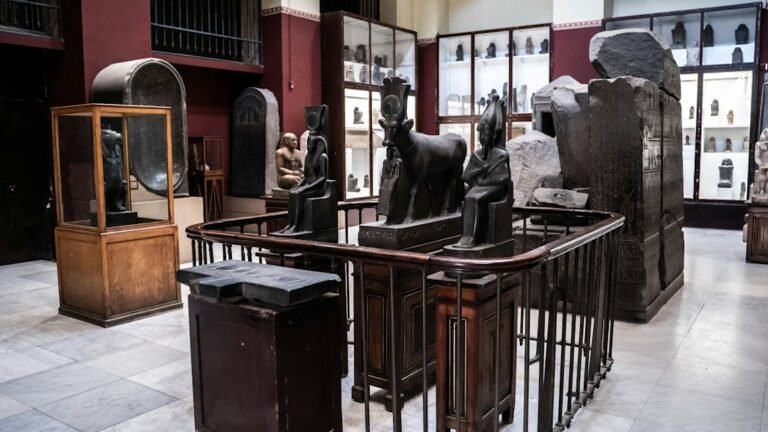
Mummification, embalming, freezing, smoking and desiccation reflect very different beliefs about bodies and afterlives. Tradivior will compare preservation traditions with the chemistry of decomposition and the practical limits of each…

Primarily Symbolic/Cultural
Why Do People Change Names, Clothes or Homes After Marriage?
Marriage often transforms identity through surname changes, new dress, residence, kinship terms or household membership. Tradivior will investigate why marriage needs visible social consequences beyond the ceremony itself.
Picked for your curiosity
Enable JavaScript to build a reading profile and see recommendations.