 tradivior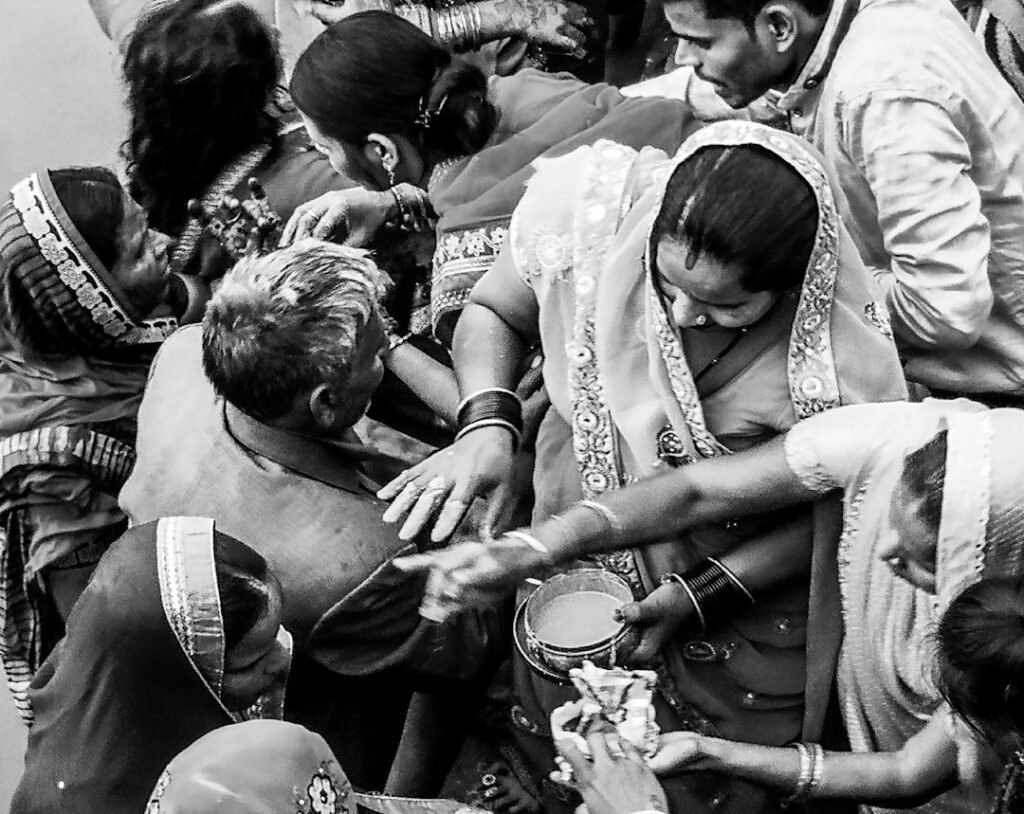
In this investigation
A birth creates more than a baby. It creates parents, grandparents, siblings, heirs, kinship obligations and a new social person whose arrival must be recognized. That is why childbirth so often attracts ritual: purification, blessing, seclusion, naming, feeding, protection, gifts, prayers, songs and communal meals.
Some birth rituals contain practical caregiving. Others are primarily symbolic. Some can support recovery and social bonding; some can create medical risk if they delay care, restrict nutrition or expose newborns to unsafe substances. The category is therefore too broad for one verdict.
Birth is a classic rite of passage
Anthropologist Arnold van Gennep described rites of passage as ceremonies that move people between social statuses. Birth fits the pattern unusually well because several identities change at once.
A ritual can therefore do social work even when it has no biomedical effect: it tells a community that a new relationship now exists.
THE RECORD
Cross-cultural research finds birth rituals in many forms because childbirth combines biological risk, social transformation and uncertainty. The ritual need not have one universal origin to perform recurring social functions.
Why protection rituals are so common
Historically, childbirth and the neonatal period carried high mortality. When outcomes are uncertain and causes poorly understood, communities develop ways to protect mother and infant symbolically and practically.
Protective amulets, prayers, smoke, markings, seclusion and restricted visitors can all arise from this need, though their medical consequences differ dramatically.
Seclusion can support recovery—or isolate care
Postpartum seclusion may reduce demands on the mother and create space for rest, breastfeeding and family assistance. A qualitative systematic review of postpartum traditions across more than twenty countries identified organized support, rest, prescribed foods and infant-care practices as recurring themes.
But rigid seclusion can also delay medical attention, reduce movement unnecessarily or intensify social control. The effect depends on what the seclusion actually involves.
THE EVIDENCE
Birth rituals can provide structured social support and role recognition. There is no evidence that ritual as a category is medically beneficial; each practice must be assessed separately.
Communal recognition reduces ambiguity
A household may know a baby has arrived immediately, but a community needs a public signal. Ritual visits, announcements, gifts and ceremonies make the new status visible.
This can mobilize practical support: food, childcare, money, advice and help with household work.
Purification reflects boundary crossing
Blood, bodily fluids and the transition between pregnancy and non-pregnancy make birth symbolically potent. Many traditions therefore include bathing, cleansing, fire, incense, prayer or temporary purity restrictions.
These practices should be interpreted in their own religious categories rather than automatically translated into germ theory.
Placenta and cord rituals make biological remnants meaningful
Placentae and umbilical cords can be buried, burned, stored or ritually disposed of. Such practices may connect the child to land, ancestry or spiritual protection.
Safe cord care is medically important, but symbolic disposal of the detached cord or placenta is a separate cultural question.
Feeding rituals can mark entry into social life
Breastfeeding initiation, first milk beliefs and later first-solid-food ceremonies often carry ritual significance because feeding is one of the first social exchanges between child and community.
Modern evidence strongly supports early and appropriate infant feeding, but traditional ceremonial meanings should not be judged solely by nutritional outcomes.
Some customs can conflict with neonatal safety
Applying contaminated substances to the umbilical stump, delaying needed care, feeding unsafe prelacteal substances or exposing newborns to smoke can create genuine risk.
Respect for ritual cannot require silence about preventable harm.
Ritual can also help adults process transition
Parents may experience joy, fear, exhaustion and identity change simultaneously. A structured ceremony gives language and sequence to that transition.
Psychological benefit may come not from a sacred mechanism measurable in the infant, but from giving adults a shared script for a major life event.
Birth rituals evolve with hospitals and migration
Hospital delivery, nuclear families and migration can weaken some older ceremonies and create new ones: baby showers, naming parties, photography, digital announcements and religious rites adapted around clinical care.
This shows that humans continue to ritualize birth even when the symbols change.
Birth combines biological danger with social uncertainty
For most of human history, childbirth carried substantial risk for both mother and infant. A family could move from pregnancy to bereavement within hours, often without understanding the cause. Ritual provided a way to organize fear, hope and responsibility around an event that medicine could not reliably control.
This helps explain why birth rituals often cluster around protection, purification and delayed public recognition. The ritual responds to uncertainty even when it does not change the biological outcome.
A birth changes several statuses at once
The infant becomes a family member; adults become parents; grandparents acquire new roles; siblings may change position; inheritance lines can shift. A ceremony publicly acknowledges those changes.
That social reorganization is one reason birth rituals persist even when hospital care has made childbirth safer.
Postpartum support is one of the most defensible practical functions
A qualitative systematic review of postpartum practices across more than twenty countries found recurring themes of organized support, rest, prescribed foods, hygiene rules and infant-care practices. These traditions often “mother the mother” for a period after birth. citeturn102141search0turn102141search5
The useful component is not the ritual label itself but the redistribution of work: cooking, cleaning, childcare and social care shift away from the recovering mother.
Seclusion can be protective when it creates rest
Temporary seclusion can reduce household demands, visitors and exposure to social obligations. In the days after birth, that can make breastfeeding, sleep and wound recovery easier.
The same rule can become harmful if it prevents the mother from seeking medical care, moving safely or choosing who supports her.
Purification rituals do not map neatly onto germ theory
Birth involves blood, bodily fluids and a person moving from pregnancy into a new social state. Many religions therefore use bathing, fire, prayer or temporary purity restrictions.
Some of these acts also clean the body or environment, but ritual purity is a different conceptual category from microbial contamination. One should not be used to rewrite the other.
The placenta becomes meaningful because it was part of the baby
Placentae may be buried, burned, guarded, placed near the home or disposed of according to strict rules. These customs can connect the newborn to land, ancestry or protection.
The symbolic meaning belongs to the relationship between family, body and place. Safe handling is a separate hygiene issue.
Cord care shows how ritual and medical risk can intersect directly
The umbilical stump is a potential route for infection until it dries and separates. Applying contaminated powders, ash, oils or other substances can increase risk in some settings.
A family can preserve ceremony around the cord while using clean, evidence-based cord care. Symbolic handling after separation does not require unsafe application before healing.
First feeding rituals can either support or delay breastfeeding
Some cultures celebrate colostrum as the infant’s first protection; others historically discarded it or gave honey, sugar water or other prelacteal feeds first.
Modern neonatal evidence strongly supports early breastfeeding where possible. A traditional feeding ritual should therefore be evaluated by what is actually given and whether it delays effective feeding.
Naming often follows birth because social personhood can be staged
In some traditions, a newborn receives a formal name only after several days or after another ritual threshold. This can reflect religious calendars, neonatal uncertainty or ideas about when the infant fully enters social life.
Delayed naming should not be assumed to have one universal cause, but it shows that societies can distinguish biological birth from full social incorporation.
Protective amulets and marks externalize anxiety
Talismans, threads, black marks, prayers and protective objects give families something concrete to do when a newborn feels vulnerable. Their psychological function can be powerful even when the claimed supernatural mechanism is outside scientific testing.
Problems arise when the protective material itself creates risk, as with contaminated eye cosmetics or choking hazards.
Public birth celebrations also redistribute resources
Visitors bring food, clothing, money or household help. Gifts flow toward a family facing new costs.
This economic function can be especially important in communities where formal parental leave or welfare support is limited.
Ritual gives adults a script when emotion is overwhelming
New parents can feel joy, fear, exhaustion and responsibility simultaneously. A fixed sequence of blessing, naming, visiting or prayer tells people what to do next.
That predictability can reduce decision load at a moment when sleep and attention are already disrupted.
Birth rituals can also police gender and family expectations
Some ceremonies celebrate sons and daughters differently, assign unequal inheritance expectations or reinforce restrictive maternal roles. Longevity of a custom does not make those inequalities harmless.
The social-support function can be preserved while discriminatory elements change.
Hospital birth does not eliminate ritual; it relocates it
Many families now perform prayers, naming or welcoming ceremonies after discharge rather than at the moment of birth. Others adapt rituals around hospital rules.
This shows that the ritual’s social function is flexible enough to survive major technological change.
Digital announcements are modern rites of incorporation
Photographs, family group messages and social-media announcements now perform part of the old public-recognition function. They tell a dispersed network that a new person has arrived and invite responses.
The medium is new; the social need is not.
The healthiest interpretation separates support from superstition
Rest, practical help, breastfeeding support, hygiene and timely clinical care have direct benefits. Naming, blessing and protective symbolism can provide identity and meaning. Unsafe substances, delayed treatment or coercive restrictions should be modified.
Birth ritual survives scrutiny best when its social functions are preserved and each health practice is evaluated independently.
Across cultures, birth rituals often organize the same practical problems
A cross-cultural view reveals striking repetition beneath very different religious languages. Postpartum traditions often organize who stays with the mother, who cooks, what she eats, when she resumes ordinary work, how the baby is handled and when the mother and child re-enter wider social life. A qualitative systematic review drawing on 51 studies from more than 20 countries identified recurring themes including organized support, periods of rest, prescribed or prohibited foods, hygiene practices, infant care and breastfeeding.
That pattern suggests that birth ritual is partly a social technology for managing a biologically demanding transition. It does not mean every rule is beneficial. It means communities repeatedly faced the same practical problems—maternal recovery, feeding, infection risk, household labour, uncertainty about the infant and the social reclassification of parents—and wrapped responses to those problems in locally meaningful ritual systems.
Postpartum seclusion can function as protected recovery time
Many traditions temporarily restrict a new mother’s movement or ordinary responsibilities. From a modern perspective, the word “seclusion” can sound inherently negative, but the effect depends on how the practice is organized. If relatives take over cooking, childcare for older siblings and household labour, a protected period can create time for sleep, wound recovery and breastfeeding. The same rule can become harmful if it prevents medical review, isolates the mother from support or places rigid demands on her.
The systematic-review literature captures this ambiguity well: postpartum rituals can allow a mother to be cared for by others, yet modernization or migration can make them difficult to follow, and some women may feel pressured to perform practices they no longer value. Tradivior therefore cannot rate “seclusion” as one intervention. The useful unit of analysis is the component—rest, assistance, delayed care, restricted mobility, diet or social support.
Some newborn-care traditions converge with modern priorities
Modern newborn-care guidance emphasizes warmth, skin-to-skin contact, early breastfeeding, hygienic cord care, infection prevention and recognition of danger signs. Traditional systems that keep the mother and baby together, protect the infant from cold, reduce unnecessary handling or mobilize experienced relatives may support some of the same goals even when the cultural explanation is completely different.
That convergence should not be exaggerated into historical foreknowledge. A grandmother who insists that a newborn be kept warm does not need to know the modern physiology of neonatal heat loss. Practical knowledge can emerge from observation and be transmitted through custom. The historical question—what people believed they were doing—remains separate from the modern question of whether a behaviour happens to align with current evidence.
Other traditional practices can create preventable risk
The same ritual authority that preserves helpful practices can also preserve unsafe ones. Modern guidance recommends clean, dry umbilical-cord care in most settings and specifically treats application of harmful traditional substances to the cord as a preventable infection risk. Feeding a newborn substances other than breast milk without a medical indication can also interfere with early exclusive breastfeeding and expose the infant to contaminated liquids.
This is an important test of Tradivior’s editorial method. Respect for tradition cannot mean treating every inherited practice as protective. A custom must be separated into its actual actions and those actions evaluated independently. Symbolic meaning can remain important even when a physical practice should change.
Birth ritual makes new social identities visible
Childbirth creates a baby biologically in an instant, but parenthood, kinship and community membership are social statuses that often need recognition. Visits, blessings, naming, gifts, first outings, purification ceremonies and announcements make those new identities public. They tell relatives who has become a parent, who has become a grandparent, which lineage the child belongs to and who now carries obligations toward the new household.
This is why birth rituals often continue even when their supernatural explanation weakens. A naming party, birth registration, social announcement, religious blessing and family gathering can all serve overlapping recognition functions. Modern forms may look secular, digital or informal, but they still mark a transition from private event to acknowledged social fact.
Purity language often reflects boundary management rather than hygiene alone
Many traditions describe childbirth using ideas of purity, pollution, sacred danger or ritual vulnerability. It is tempting to reinterpret all of these ideas as primitive infection control, but that is too simple. Blood and bodily fluids certainly have practical hygiene implications, yet ritual purity systems also classify people, spaces and transitions. A mother may be restricted from temples, kitchens or public rituals for reasons that are theological and social rather than microbiological.
The strongest historical interpretation therefore allows several functions to coexist. A cleansing bath may remove sweat and fluids, signal the end of a restricted period, restore ritual status and create a memorable transition point. Modern hygiene can explain one effect without explaining the whole institution.
Placenta and cord rituals transform biological tissue into relationship
The placenta and umbilical cord are unusually powerful ritual objects because they are physically part of pregnancy yet are separated from the child at birth. Across cultures they may be buried, preserved, burned, hidden or placed in significant locations. These acts can connect the child to land, ancestry, household or spiritual protection.
The persistence of such practices is easier to understand when the placenta is treated not as medical waste but as a material trace of a relationship that has just changed. Modern obstetrics may classify it clinically, while a family may classify it socially or spiritually. The two perspectives answer different questions and need not be forced into a false scientific equivalence.
The first feeding is biologically important and culturally charged
Few actions after birth carry as much symbolic and medical weight as feeding. Colostrum has sometimes been prized and sometimes rejected; some traditions give honey, sugar water, herbal preparations or other prelacteal substances; others emphasize immediate breastfeeding. Modern evidence strongly supports early initiation of breastfeeding and exclusive breastfeeding in the first months when medically appropriate.
This creates a clear place where cultural practice can be respectfully adapted. The ritual need to welcome, bless or symbolically feed a child can be preserved without giving a newborn a potentially unsafe substance. Cultural continuity does not require every historical technique to remain physically unchanged.
Birth rituals also regulate the adults around the newborn
A newborn cannot organize visitors, food, noise, household labour or expectations. Ritual rules can do that on the infant’s behalf. They may limit who enters the room, assign caregiving roles, delay public presentation or define when celebration begins. These rules reduce ambiguity for adults at a moment when everyone is emotionally activated and practical responsibilities are changing quickly.
That regulatory function helps explain why ritual can feel stabilizing even when no measurable medical benefit is present. It gives people a script: who comes, what they bring, what they say, what the mother is expected to do and when normal routines resume. Scripts can reduce conflict and uncertainty, although they can also become coercive if treated as more important than the needs of the mother or baby.
What survives scrutiny?
- Birth rituals occur widely across cultures because childbirth changes social status as well as biology.
- Common functions include protection, recognition, purification, kinship signalling and mobilizing support.
- Structured postpartum support and rest can be beneficial.
- Symbolic practices do not need biomedical mechanisms to be meaningful.
- Some specific customs can create nutritional, infectious or care-delay risks.
- Birth rituals should be evaluated component by component rather than praised or rejected as a package.
- Modern societies continue to create new birth rituals, showing the enduring need to mark transition.
The Tradivior Evidence Profile
Historical Authenticity — Strong. Birth rituals are widely documented across religions and societies.
Original-Purpose Evidence — Strong. Protection, social recognition, purity, kinship and transition are explicit recurring purposes.
Scientific Mechanism — Moderate. Social support and structured recovery can affect wellbeing, while individual health practices vary.
Experimental Evidence — Limited. Most evidence is anthropological and qualitative rather than trials of complete birth rituals.
Cross-Cultural Evidence — Strong. Ritualized birth and postpartum transitions recur globally.
Modern Relevance — Strong. Birth rituals continue to organize identity and support, though unsafe components should be modified.
The Tradivior Conclusion
Primarily Symbolic/Cultural. Humans create birth rituals because childbirth is both risky and socially transformative. Ritual gives the transition structure, publicly creates new identities and can mobilize practical support. Some components—rest, caregiving, hygiene—can have direct health effects; others are symbolic; a few can be harmful. The evidence supports preserving the social functions while evaluating medical practices independently.
Continue investigating
Sources & further reading
- van Gennep A. The Rites of Passage.
- Dennis CL, Fung K, Grigoriadis S, et al. “Traditional postpartum practices and rituals: a qualitative systematic review.” Women’s Health. 2007;3(4):487–502. doi:10.2217/17455057.3.4.487. PMID 19804024.
- World Health Organization. “Essential newborn care.” Includes immediate care at birth, thermal care, early breastfeeding, hygienic cord care, infection prevention and recognition of danger signs.
- World Health Organization. “Infant and young child feeding.” Updated 4 August 2026.
- Cheyney M. “Reinscribing the Birthing Body: Homebirth as Ritual Performance.” Medical Anthropology Quarterly. 2011.
- “Rituals and Embodied Cultural Practices at the Beginning of Life: African Perspectives.” Religions. 2021.
Continue exploring
Partially Supported
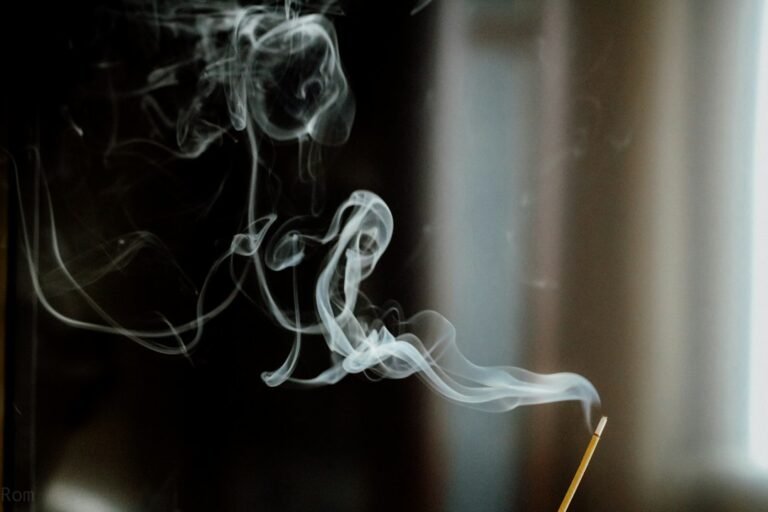
Why Do People Burn Incense?
Incense makes ritual visible through smoke and scent, but combustion also creates indoor pollutants. Tradivior will investigate why aromatic smoke became sacred and weigh sensory, antimicrobial and air-quality evidence carefully.

Partially Supported
Can Sound Heal the Body?
Mantras, singing bowls, tuning systems and 'healing frequencies' are increasingly marketed with biomedical claims. Tradivior will separate relaxation and music effects from unsupported assertions that particular frequencies cure disease or…
Evidence Supported
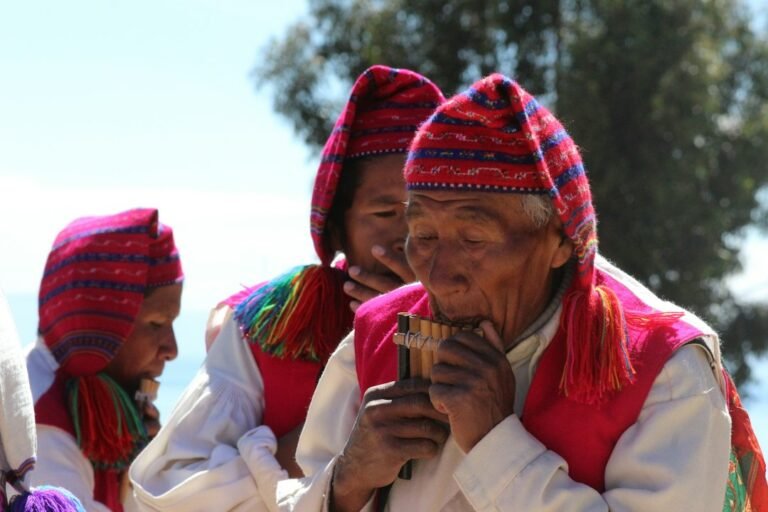
Why Do Oral Traditions Use Rhythm and Melody to Remember?
Epic poems, genealogies, prayers and work knowledge often survive through metre, rhyme, melody and formula. Tradivior will examine how oral cultures engineered memory before writing was widespread.
Evidence Supported
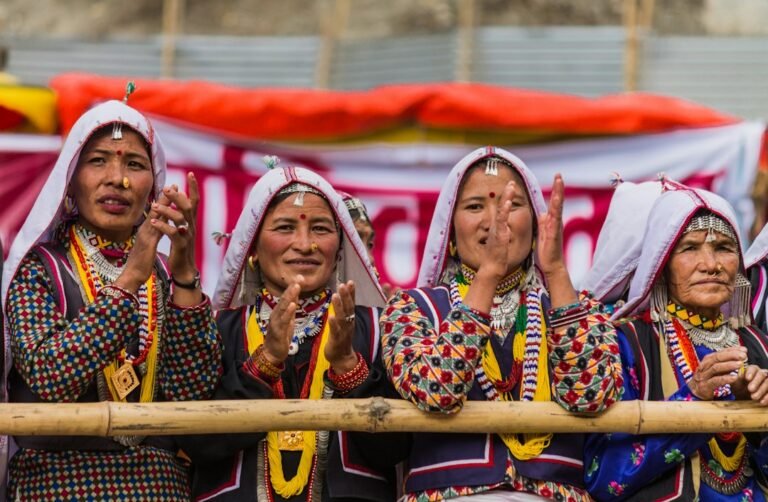
Why Do Work Songs and Collective Chants Synchronize Groups?
Rowers, labourers, soldiers and protesters have used rhythm to coordinate effort and create solidarity. Tradivior will examine when synchronized sound improves timing or endurance and when its main power is…
Picked for your curiosity
Enable JavaScript to build a reading profile and see recommendations.