 tradivior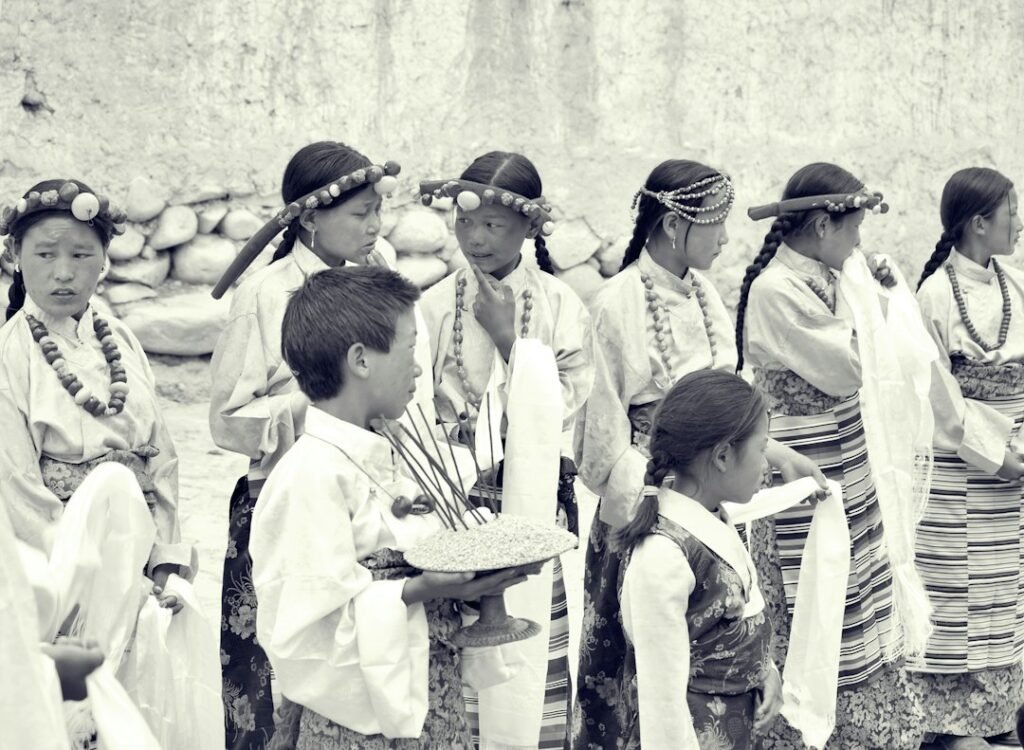
In this investigation
Puberty changes the body automatically; adulthood does not. A society must decide when a young person can marry, inherit, work independently, join councils, bear arms, perform rituals or take responsibility for others. Coming-of-age ceremonies make that boundary visible.
Some are quiet blessings; others involve instruction, seclusion, fasting, circumcision, scarification, ordeal, pilgrimage, first communion, bar or bat mitzvah, quinceañera, graduation or other public markers. Their diversity argues against one biological mechanism. Their shared function is social transition.
Van Gennep’s three-part structure
Classic rites-of-passage theory describes separation from an old status, a transitional or liminal phase, and reincorporation into society with a new status. Coming-of-age rituals often fit this structure especially clearly.
The ceremony does not cause puberty; it organizes what puberty means socially.
THE RECORD
Coming-of-age rites exist because societies need public rules for changing rights and responsibilities. The biological transition supplies the occasion; culture defines the adult status.
Initiation can transmit concentrated knowledge
Ritual periods may teach history, sexuality, hunting, religious knowledge, gender roles, ethics or practical responsibilities. Because the occasion is emotionally salient, teachings can become memorable.
The content can be valuable, restrictive or both depending on the society.
Costly rituals can intensify identity
Psychological research on effort justification and costly ritual suggests that difficult initiation can increase commitment to a group under some conditions. Recent work on emotional synchrony also links intense shared ritual with stronger social identification.
This provides a plausible mechanism for why some initiations use ordeal. It does not justify harming participants.
THE EVIDENCE
Ritual transition can strengthen identity, shared memory and role clarity. Cost and synchrony may intensify bonding, but harmful initiations are not biologically necessary for healthy development.
Public recognition reduces status ambiguity
Adolescence is gradual. A ceremony gives a discrete social answer to a continuous biological process: before this event, one set of expectations applied; after it, another may apply.
This can simplify inheritance, marriage eligibility, ritual participation and responsibility.
Gender is often strongly encoded
Many traditional initiations teach gender-specific roles. Modern societies may find some of those roles restrictive, while others reinterpret ceremonies around broader adulthood and identity.
A ritual can therefore preserve social order and also become a site of contest over changing values.
Pain is not the essence of initiation
Because dramatic rites receive attention, coming-of-age can be mistakenly equated with pain. Many ceremonies centre on gifts, prayer, dress, speeches, feasting or service.
The cross-cultural constant is status marking, not physical ordeal.
Modern societies still ritualize adulthood
Graduation, driver’s licences, voting age, first jobs, religious confirmation and milestone birthdays perform fragments of the old function. Modernity has not eliminated rites of passage; it has distributed them across institutions.
When initiation becomes hazing
Coercive initiation can produce injury, trauma or death. The fact that costly rites can intensify group bonding is not a moral defence of hazing.
A healthy rite can create belonging without violence.
Uncertainty makes ritual attractive
Adolescence brings changing body, status and expectations. Structured ceremonies provide a script for uncertainty and a narrative explaining what comes next.
That psychological function may help explain why transition rituals recur even in otherwise secular societies.
Puberty is gradual while social status often needs a clear boundary
Physical maturation unfolds over years. Communities, however, may need a definite answer to questions about work, marriage, inheritance, ritual responsibility or political participation.
A coming-of-age ceremony converts a continuous biological process into a discrete social transition.
Separation makes the old identity temporarily unavailable
Many initiation rites remove adolescents from ordinary family routines through seclusion, special clothing, fasting, pilgrimage or residence with elders. Van Gennep described this as separation from the previous status.
The physical removal helps make the transition psychologically and socially visible.
Liminality creates a protected period for teaching
During the transitional phase, initiates may receive instruction about sexuality, religion, work, history, ethics or responsibilities unavailable to younger children.
The emotionally distinctive setting can make the teachings unusually memorable, although the content may preserve both valuable knowledge and restrictive norms.
Reincorporation is the public proof that status changed
The initiate returns with new clothing, a new name, scars, certificates, gifts or privileges. The community can now treat the person differently because the transition has been publicly witnessed.
This third stage explains why private maturity alone may not be enough in strongly ritualized societies.
Costly initiation can make commitment credible
Social psychology and signalling theories suggest that difficult-to-fake costs can demonstrate seriousness. A person who invests effort, discomfort or time in joining a group may appear more committed than someone who merely declares membership.
Recent work on costly ritual also finds emotional synchrony can predict stronger social cohesion after initiation-like experiences. citeturn102141search8
Effort justification is a plausible mechanism, not a defence of suffering
Classic experiments found that people can value a group more after undergoing a severe initiation. This helps explain why difficult rites may feel especially meaningful afterward.
The mechanism does not make pain ethically necessary. A harmful practice can create commitment and still be wrong.
Synchrony may matter more than hardship itself
Chanting, marching, dancing or performing tasks together can align emotion and attention. Group cohesion can therefore emerge from coordinated action without injury or humiliation.
This is important for modern adaptations: the bonding function can survive when coercive ordeals are removed.
Painful rites are culturally specific, not universal
Some coming-of-age ceremonies involve scarification, circumcision, endurance tests or other physical ordeals. Others focus on prayer, dress, feasting, gifts or public speech.
The cross-cultural constant is not pain. It is recognized transition.
Gender is often built into the rite
Initiations may teach young men and women different skills, sexual rules, work roles or moral expectations. The ceremony can therefore reproduce a society’s gender system.
Modern communities can preserve public recognition of adulthood while revising roles that are discriminatory or no longer fit contemporary values.
Religious maturity can be separated from legal adulthood
Bar or bat mitzvah, confirmation and other religious rites may mark new responsibilities years before the state grants voting, marriage or contractual rights.
This shows that “adulthood” is not one universal threshold. Different institutions recognize different capacities at different times.
Modern schooling created new rites of passage
Graduation ceremonies use robes, processions, speeches and public certification to mark transition from student to graduate. They are secular institutions using classic ritual tools.
The persistence of such ceremonies shows that bureaucratic societies still need symbolic transitions.
Drivers’ licences, first jobs and voting ages distribute adulthood across events
Modern societies rarely give all adult privileges in one ceremony. Instead, legal and social responsibilities arrive through several age thresholds and milestones.
The rite of passage has not disappeared; it has fragmented.
Hazing is initiation stripped of legitimate limits
University, military and organizational hazing often borrows secrecy, ordeal and group bonding from older initiation forms. When participation becomes coercive or dangerous, the social mechanism can intensify harm.
Modern prevention should target violence and coercion without assuming that groups no longer need meaningful ways to welcome new members.
A healthy rite can provide mentorship
One useful feature of traditional initiation is contact with older members who explain responsibilities and answer questions. Adolescents benefit when expectations are explicit and adults are available to guide them.
Mentorship can preserve the educational function of initiation without reproducing secrecy or abuse.
Public recognition can strengthen self-concept
Being told publicly that one is trusted with new responsibilities can change how a young person sees themselves. The effect comes through expectations, identity and social feedback.
That is a plausible psychological mechanism even when no sacred transformation can be measured biologically.
The strongest surviving function is structured transition
Adolescence can feel prolonged and ambiguous in modern life. A thoughtful coming-of-age rite can give young people recognition, responsibility, mentorship and belonging.
The evidence supports the value of clear social transition more strongly than any need for ordeal, pain or rigid inherited roles.
Initiation can transfer responsibilities gradually even when the ceremony is sudden
A single ritual may announce adulthood, but communities often increase duties before and after it. Young people may begin work, caregiving or religious training years earlier.
The ceremony therefore marks recognition of a transition that has often been developing for some time.
Public responsibility can be more important than private confidence
A teenager may not feel completely adult after a ceremony. What changes is that the community begins to expect new behaviour.
Ritual can therefore alter social expectations first, with personal identity catching up later.
Secret knowledge can create both cohesion and power
Some initiations reveal teachings available only to recognized adults or group members. Sharing restricted knowledge can intensify belonging.
It can also create authority for elders and make abuse harder to challenge when secrecy becomes absolute. The same mechanism can support education or control.
Modern youth often lack a single recognized threshold
Education lasts longer, marriage occurs later and financial independence may arrive years after legal adulthood. This can make the transition into adult status feel prolonged and ambiguous.
Thoughtful modern rites can address that gap by pairing celebration with real responsibilities, mentorship and community recognition.
A rite is strongest when new status is followed by real opportunity
Calling someone an adult while denying them meaningful responsibility makes the ceremony hollow. Traditional rites often worked because the new status changed what the person could actually do.
Modern adaptations should likewise connect recognition with genuine participation rather than symbolism alone.
Adolescence is biologically gradual while adulthood is institutionally discrete
Puberty unfolds over years, but societies often need clear answers about when a person can marry, inherit, vote, join councils, carry weapons, perform religious duties or take legal responsibility.
Coming-of-age ritual converts a slow biological transition into a recognizable social threshold.
Initiation creates a temporary learning environment
Seclusion, camps, retreats or special instruction can remove adolescents from ordinary routines and focus attention on new roles. This concentrated period may teach history, sexuality, religion, practical skills, ethics or obligations.
The effect can be educational without implying that every teaching transmitted by tradition is equally valid or humane.
Effort can increase commitment through ordinary psychology
Classic social-psychology research on effort justification suggests people may value a group more after undergoing a demanding initiation. Costly-signalling models similarly propose that difficult rites can make commitment visible to others.
These mechanisms help explain why some societies use ordeal. They do not show that pain is necessary, beneficial or ethically justified.
Synchrony may produce belonging without suffering
Singing, marching, dancing, reciting and moving together can increase affiliation and shared identity. A coming-of-age ceremony can therefore create emotional intensity through coordinated participation rather than physical harm.
This matters because it shows that a rite can remain powerful while abandoning coercive or dangerous elements.
Gendered initiation can transmit both identity and inequality
Many rites teach young people what men or women are expected to do. That can create belonging and practical role clarity while also reproducing restrictive expectations.
Tradition should therefore be evaluated not only by whether it creates cohesion, but by what social order it teaches participants to accept.
Modern societies have not abolished initiation
Graduation ceremonies, driving licences, first jobs, voting ages, military induction, religious confirmation and milestone birthdays distribute adult status across multiple institutions.
Modernity fragments the rite of passage rather than eliminating it. People still seek visible markers that an old stage has ended and a new one has begun.
Hazing shows what happens when initiation loses legitimate boundaries
Humiliation, forced drinking, violence and dangerous endurance tests can cause injury, trauma or death. The fact that ordeal can intensify group identity does not make such harm acceptable.
A healthy initiation should produce mentorship, responsibility and belonging without coercion.
Public recognition may be the most durable function
Adolescents often receive mixed messages about whether they are still children or already adults. A ceremony gives the community a moment to say that expectations have changed.
That clarity can support self-concept and responsibility even when the specific ritual form evolves.
The healthiest modern rite keeps mentorship, recognition and responsibility while removing coercion, violence and humiliation. The transition remains meaningful because the community still acknowledges that expectations have changed.
That recognition can be psychologically important because adolescence is full of mixed signals. A well-designed rite gives young people responsibility, mentorship and a sense that the community has noticed their transition rather than leaving adulthood to arrive ambiguously.
Recognition, mentorship and responsibility are the durable core.
Its value comes from recognition, not ordeal.
That social clarity can matter for both the young person and the community.
Recognition matters.
What survives scrutiny?
- Coming-of-age rituals occur widely across cultures but take very different forms.
- Their strongest common function is to mark a change in social status and responsibility.
- Rituals can transmit knowledge and clarify adult roles.
- Shared effort, emotional intensity and synchrony can strengthen group identity.
- Painful ordeals are culturally specific, not a universal biological requirement.
- Coercive initiation and hazing can cause serious harm.
- Modern societies retain dispersed rites of passage through graduations, legal ages and religious ceremonies.
The Tradivior Evidence Profile
Historical Authenticity — Strong. Initiation and coming-of-age rituals are extensively documented.
Original-Purpose Evidence — Strong. Status transition, role instruction and communal recognition are direct functions.
Scientific Mechanism — Moderate. Identity formation, costly signalling, emotional synchrony and memory provide plausible psychosocial mechanisms.
Experimental Evidence — Moderate. Experimental and field research supports some effects of effort, synchrony and ritual participation on identification.
Cross-Cultural Evidence — Strong. Societies worldwide ritualize transitions into adult roles.
Modern Relevance — Strong. Young people still benefit from clear recognition and supportive transition without harmful ordeals.
The Tradivior Conclusion
Primarily Symbolic/Cultural. Humans create coming-of-age rituals because puberty is biological but adulthood is social. Ceremony turns a gradual transition into public status, transmits expectations and can strengthen belonging. Modern psychology helps explain why shared effort and emotional intensity can make such events powerful. It does not show that pain, coercion or rigid gender roles are necessary. The durable function is recognition: a community marks that someone is expected to live differently now.
Continue investigating
Sources & further reading
- van Gennep A. The Rites of Passage.
- Turner V. The Ritual Process.
- Aronson E, Mills J. “The effect of severity of initiation on liking for a group.” 1959.
- Bouchat P, et al. “Emotional synchrony predicts social cohesion effects following costly rituals.” British Journal of Social Psychology. 2026.
Continue exploring
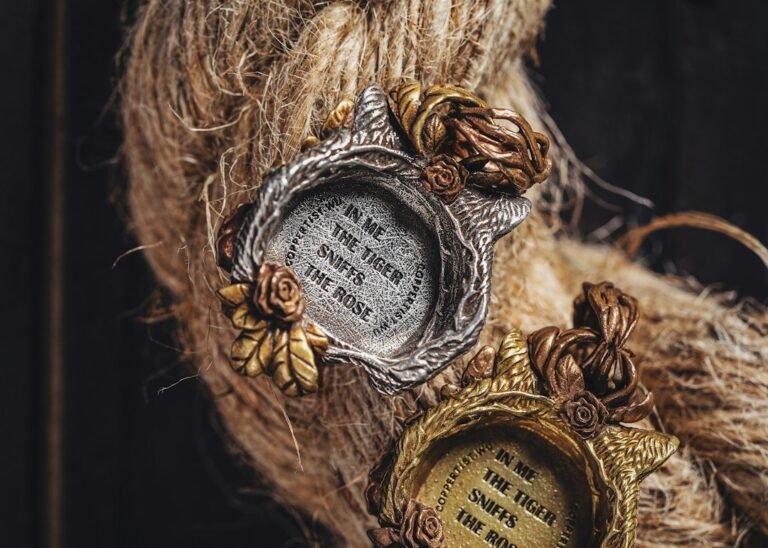
Partially Supported
Why Do People Keep Ashes, Relics and Memorial Objects?
Hair, ashes, bones, clothing, photographs and relics allow the dead to remain materially present. Tradivior will examine why objects carry memory so powerfully and how continuing bonds differ from pathological…
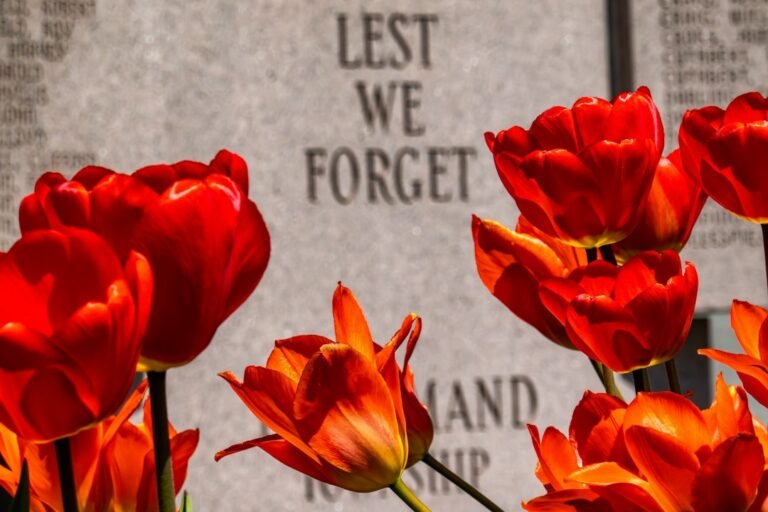
Evidence Supported
Why Do Cultures Set Aside Days to Remember the Dead?
From Pitru Paksha and Qingming to Día de Muertos and All Souls’ Day, cultures repeatedly create calendar time for the dead. Tradivior will compare how recurring remembrance renews kinship, grief…
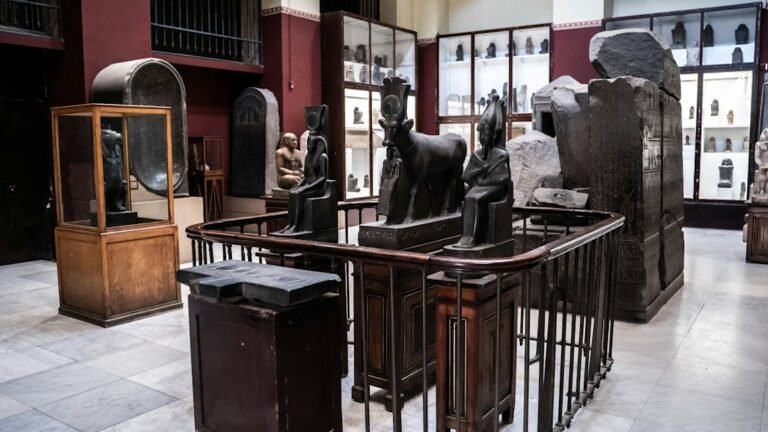
Historically Practical
Why Do Cultures Preserve the Dead?
Mummification, embalming, freezing, smoking and desiccation reflect very different beliefs about bodies and afterlives. Tradivior will compare preservation traditions with the chemistry of decomposition and the practical limits of each…

Primarily Symbolic/Cultural
Why Do People Change Names, Clothes or Homes After Marriage?
Marriage often transforms identity through surname changes, new dress, residence, kinship terms or household membership. Tradivior will investigate why marriage needs visible social consequences beyond the ceremony itself.
Picked for your curiosity
Enable JavaScript to build a reading profile and see recommendations.