 tradivior
In this investigation
An offering makes belief costly in a literal sense. Food is burned, poured, placed or distributed; money leaves the giver’s possession; flowers, animals, incense, labour or valuables are dedicated to a being who may never return them in ordinary material form.
That apparent economic puzzle has attracted anthropologists, historians and evolutionary theorists. But participants rarely describe offerings as mere signalling devices. They speak of devotion, gratitude, obligation, reciprocity, sacrifice, remembrance and sacred relationship.
A gift creates relationship
Human societies use gifts to create obligations and express bonds. Religious offerings extend this logic toward gods, ancestors, saints or sacred institutions.
The offering can say: I recognize you, I owe you, I thank you, I ask from you, or I place this beyond ordinary use.
THE RECORD
Offerings appear across civilizations because sacred relationships are often expressed materially. Their meaning is not reducible to one economic exchange model even when exchange metaphors are present.
Sacrifice is not simply destruction
What looks like waste from outside can be transformation within ritual. Food may be burned, shared with priests, redistributed to worshippers or offered symbolically before being consumed.
The value comes partly from removing the object from ordinary ownership and assigning it sacred purpose.
Cost can make commitment credible
Costly-signalling theories propose that burdensome religious practices can demonstrate commitment in ways that cheap statements cannot. A person who repeatedly gives time, food or money makes belief and group loyalty harder to fake.
Research on costly religious behaviour supports the plausibility of this mechanism for some public offerings and sacrifices, while later work on credibility-enhancing displays shows that signalling and social-learning explanations are related but not interchangeable.
THE EVIDENCE
Costly signalling and credibility-enhancing-display theories can explain how offerings affect observers and group trust. They are explanatory models, not proof that worshippers secretly offer only to signal commitment.
Offerings can redistribute resources
Temple food, alms, communal feasts and donations can move resources from wealthier households toward religious institutions, clergy or poorer community members.
Thus a gift directed toward the sacred can have measurable social consequences among humans.
Ancestral offerings maintain memory
Food and drink offered to ancestors create recurring moments when the dead are named and remembered. The material gift organizes continuing bonds between generations.
Its social effect can be real even when supernatural claims remain matters of faith.
Votive offerings record requests and gratitude
Objects left after healing, childbirth, pilgrimage or fulfilled vows can preserve a story in material form. A shrine accumulates visible evidence that many others have also hoped, feared and given.
This can reinforce the perceived vitality of the sacred place.
Animal sacrifice demands separate ethical analysis
Some traditions include animal sacrifice; others reject it explicitly. Modern animal-welfare concerns are legitimate and cannot be dismissed merely because sacrifice is old.
Historical meaning, legal rights and welfare standards must be considered together rather than pretending all offerings are ethically equivalent.
Public giving can become status competition
Large donations may display wealth as well as devotion. Religious economies can therefore mix generosity, prestige and genuine belief.
Multiple motives can coexist in the same act.
Private offerings complicate pure signalling theories
Many people make offerings without an audience. This does not invalidate signalling models for public ritual, but it shows they cannot explain all offering behaviour.
Internal devotion and perceived relationship with the sacred remain central participant explanations.
Offerings turn gratitude into action
Thankfulness can remain a feeling; an offering converts it into a measurable cost. That action may increase the giver’s sense that gratitude has been completed rather than merely thought.
Psychology can study such behavioural commitment without judging the sacred recipient.
Offerings are among the oldest material traces of religion
Archaeologists repeatedly encounter objects that appear to have been removed from ordinary circulation and deposited in graves, temples, caves, water, hearths or other special places. Food remains, animal bones, vessels, figurines, weapons, jewellery and deliberately broken objects can all become part of ritual deposits. Sacrifice and offering are therefore not marginal behaviours; they are among the most persistent material expressions of religious life.
But archaeology also teaches caution. An unusual deposit is not automatically an offering, and an offering does not reveal its meaning by itself. A buried vessel may be grave furniture, a feast remnant, a foundation deposit or ordinary refuse. The strongest interpretations come from repeated pattern, special placement, textual context and comparison with other evidence. This prevents a familiar mistake: calling every unexplained ancient object “ritual.”
The gift analogy explains part of the logic, not the whole of religion
Human gifts create relationships because they are rarely neutral transfers. They can express gratitude, alliance, dependence, respect, hospitality or obligation. Offerings extend this familiar social technology toward sacred beings or institutions. A worshipper may give because a deity is believed to have helped, because a vow was made, because ancestors must be honoured, or because the act itself is understood as duty.
Calling this reciprocity does not mean religion is a disguised marketplace. Many traditions explicitly reject the idea that the divine can be bought. The offering may be valuable precisely because the giver relinquishes control over it. Something once available for eating, spending or keeping is reassigned to a sacred relationship.
Destruction can be a form of transfer
From an economic perspective, burning food, pouring liquid onto the ground or placing valuable objects where they cannot be retrieved may look wasteful. Within ritual logic, however, removing an item from ordinary use can be the point. Burning transforms it, burial places it beyond human ownership, and breaking an object can mark that it is no longer part of everyday exchange.
Archaeological studies of sacrifice emphasize this transformation. The relevant question is not simply how much material disappeared but how it was processed, where it was deposited, who participated and what happened to the remains. In some cases most of the animal or food is actually consumed by people after a symbolic portion is offered. Sacrifice can therefore combine sacred transfer with communal redistribution rather than being pure destruction.
Food offerings often return to human society
Many offering systems redirect food through priests, temples, pilgrims, guests or the poor. Consecrated food may be shared back with worshippers; festival offerings may feed large crowds; alms may support religious specialists or vulnerable households. The same object can therefore move through sacred and social economies in sequence.
This redistribution is measurable, but it should not be assumed to be the hidden origin of the ritual. A temple meal may genuinely feed people and simultaneously be understood as divine grace. Material consequence and religious meaning are not mutually exclusive. Tradivior’s task is to distinguish what can be observed socially from what remains a theological claim.
Votive objects make invisible relationships visible
A healed person may leave a model of a body part, a traveller may leave thanks after a safe journey, a family may dedicate an object after childbirth, or a pilgrim may tie a thread, ring a bell or leave a written request. Such votives turn memory, fear and gratitude into durable objects. The shrine itself can accumulate these traces until the volume of offerings becomes evidence—at least socially—that many other people have also trusted the sacred place.
This material accumulation has psychological and social power even when the supernatural mechanism cannot be tested. A newcomer sees that previous visitors have acted, hoped and returned. The offering links a private story to a larger community of stories.
Cost can strengthen the meaning of an offering, but expensive is not automatically sincere
Costly-signalling theories propose that behaviour requiring real sacrifice can communicate commitment more credibly than words alone. Donating valuable goods, fasting, travelling on pilgrimage or sponsoring a feast may demonstrate that the participant is willing to bear a cost for the group or belief system. Research on ritual and cooperation treats such signals as one possible mechanism by which communities build trust.
Yet the theory has limits. Wealthy people can give large amounts at little personal cost, while a small private offering may represent enormous sacrifice to someone poor. Public donations can also seek prestige, and anonymous gifts can carry no obvious audience at all. Recent work on costly ritual similarly warns that participants themselves may perceive supernatural benefits that outsiders do not count. Cost therefore matters, but it is not a complete explanation of devotion.
Public offerings can create status as well as solidarity
Religious giving is socially visible in many societies. Donors may have their names inscribed, sponsor architecture, feed thousands of people or fund recurring ceremonies. Such acts can strengthen institutions and benefit communities while also increasing the donor’s reputation. These motives do not have to exclude one another.
The possibility of prestige helps explain why religious economies sometimes produce competition in generosity. Families, rulers or merchants can display power through sacrifice or patronage. Archaeologists therefore study offerings not only as evidence of belief but also as evidence of social hierarchy, political authority and economic organization.
Ancestor offerings keep relationships active after death
Food, drink, flowers, incense or other gifts offered to ancestors are found in many traditions. Their theological interpretations differ, but the social effect is clear: the dead continue to occupy scheduled moments in family life. Names are spoken, graves or memorial spaces are visited, recipes are repeated and younger generations learn who came before them.
The offering therefore functions as memory technology. It creates a recurring action around which genealogy and family history can be transmitted. Whether ancestors literally receive the food is a matter of belief; the continuation of memory among the living is observable.
Animal sacrifice requires a different ethical layer
Animal sacrifice cannot be treated as simply another kind of flower or food offering because a sentient animal is killed. Archaeological evidence shows that sacrificial killing has been widespread, while many religious traditions have also rejected or replaced it. Modern analysis therefore has to separate historical explanation from ethical endorsement.
Understanding why a community sacrifices an animal does not settle questions of welfare, legality or moral acceptability. Where the practice continues, handling, restraint, pain and slaughter conditions are legitimate subjects for evidence-based scrutiny. Tradition explains context; it does not exempt a practice from ethical evaluation.
Offerings survive because they are adaptable
Modern offerings may be digital donations, volunteer labour, food-bank contributions, online prayer dedications, flowers, candles, service or money. The sacred recipient and ritual form can change while the underlying action remains recognizable: something valuable is deliberately transferred away from ordinary personal use.
This flexibility helps explain persistence. The offering does not depend on one technology. It can move from grain to coins, from livestock to prepared meals, from temple goods to charitable service. What survives is the idea that devotion, gratitude, memory or obligation should become action rather than remain only an internal feeling.
The strongest explanation is relational rather than scientific
There is little reason to search for a hidden biomedical mechanism behind offerings. Their most defensible functions are social, psychological and religious: they create relationships, make commitments visible, organize redistribution, preserve memory and embody gratitude. Archaeology and anthropology can study these outcomes without claiming to prove or disprove the sacred beings to whom offerings are directed.
This is a case where “Primarily Symbolic/Cultural” is not a weak conclusion. Symbolic systems can move real food, wealth and labour, structure institutions for centuries and shape how people understand obligation. The symbolism matters because humans act on it.
Offerings often circulate rather than disappear
Food may be presented to a deity and then returned as prasad, consumed by worshippers or redistributed to others. Donations may support clergy, festivals or charity.
This means “sacrifice” does not always mean destruction. The object changes status and social meaning even when it later re-enters human circulation.
Private offerings show the limits of public-signalling theories
Costly-signalling models work best when others can observe the cost. Yet many offerings are made privately with no audience beyond the worshipper and the sacred recipient.
That does not invalidate signalling as one mechanism; it shows that devotion and perceived sacred relationship are necessary parts of the explanation.
Offerings make invisible relationships materially observable
Belief is internal; a gift is visible. Flowers, food, money or labour turn devotion, gratitude and obligation into an action that can be witnessed and remembered.
This gives offerings both private religious meaning and public social consequences.
Redistribution can outlive the ritual moment
Food offerings may become communal meals, temple kitchens can feed visitors, and donations can support institutions or charity. Material resources move through the sacred economy into human networks.
The redistribution is measurable even when the supernatural recipient remains a matter of faith.
Cost matters because sacrifice means giving something up
An offering that costs time, food or money can make commitment credible to the giver and observers. Costly-signalling theories help explain that social effect.
They do not prove that devotion is secretly only signalling; private offerings show that sacred motivation can exist without an audience.
What survives scrutiny?
- Offerings to gods, ancestors and sacred institutions are historically widespread.
- They express devotion, reciprocity, gratitude, obligation and sacrifice.
- Costly offerings can credibly signal commitment to observers.
- Religious giving can redistribute food and wealth through institutions and charity.
- Offerings can preserve memory and strengthen continuing bonds with ancestors.
- Signalling theories do not replace participant theology or explain all private offerings.
- Animal sacrifice raises distinct ethical and welfare questions.
- Religious giving can mix devotion, altruism, prestige and social competition.
The Tradivior Evidence Profile
Historical Authenticity — Strong. Offerings and sacrifice are deeply documented across religions and civilizations.
Original-Purpose Evidence — Strong. Gift, devotion, reciprocity, sacrifice and obligation are explicit traditional meanings.
Scientific Mechanism — Moderate. Costly signalling, commitment and redistribution models illuminate social effects.
Experimental Evidence — Limited. Social theories have empirical support, but origins and sacred motivations are not directly testable as one universal mechanism.
Cross-Cultural Evidence — Strong. Material offerings recur globally with many forms and recipients.
Modern Relevance — Strong. Offerings continue through donations, food, service and ritual gifts, alongside ongoing ethical debates.
The Tradivior Conclusion
Primarily Symbolic/Cultural. Humans make offerings because sacred relationships are often expressed through material cost. Gifts can enact gratitude, reciprocity, vow and devotion, while social-science models help explain why costly acts can strengthen credibility and group trust. Those models describe part of what offerings do; they do not prove what gods mean to worshippers or reduce religion to economics. The most complete explanation keeps both levels visible.
Continue investigating
Sources & further reading
- Schwartz GM. “The Archaeological Study of Sacrifice.” Annual Review of Anthropology. 2017;46:223–240. doi:10.1146/annurev-anthro-102116-041434.
- Swenson E. “The Archaeology of Ritual.” Annual Review of Anthropology. 2015;44:329–345. doi:10.1146/annurev-anthro-102214-013838.
- Twiss KC. “Food, Ritual, and Religion.” In: The Archaeology of Food. Cambridge University Press; 2019.
- Kundtová Klocová E, Kundt R, Puryag PV, Lang M. “Estimated costs and benefits of participation in an extreme ritual in Mauritius.” Evolutionary Human Sciences. 2025;7:e29. doi:10.1017/ehs.2025.10017.
- Sosis R. “Why Aren’t We All Hutterites? Costly Signaling Theory and Religious Behavior.” Human Nature. 2003;14(2):91–127.
- Brusse C, Handfield T, Zollman KJS. “Explaining costly religious practices: credibility enhancing displays and signaling theories.” 2022. PMID 35673405.
- Henrich J. “The evolution of costly displays, cooperation and religion: credibility enhancing displays and their implications for cultural evolution.” Evolution and Human Behavior. 2009;30(4):244–260.
- Mauss M. The Gift.
- Hubert H, Mauss M. Sacrifice: Its Nature and Function.
Continue exploring
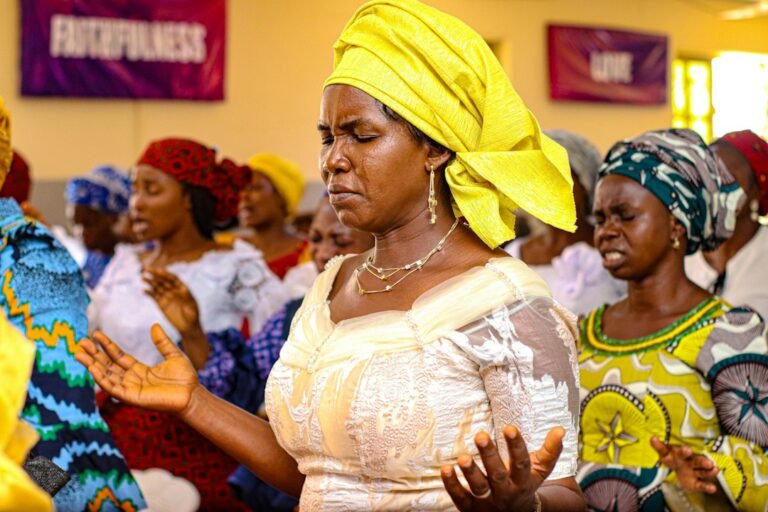
Partially Supported
Why Do Humans Repeat Rituals?
Rituals repeat because fixed sequences create predictability, memory, identity and coordination. Experiments suggest ritualized repetition can regulate anxiety and social connection, while mantra repetition shows small benefits for psychological distress;…
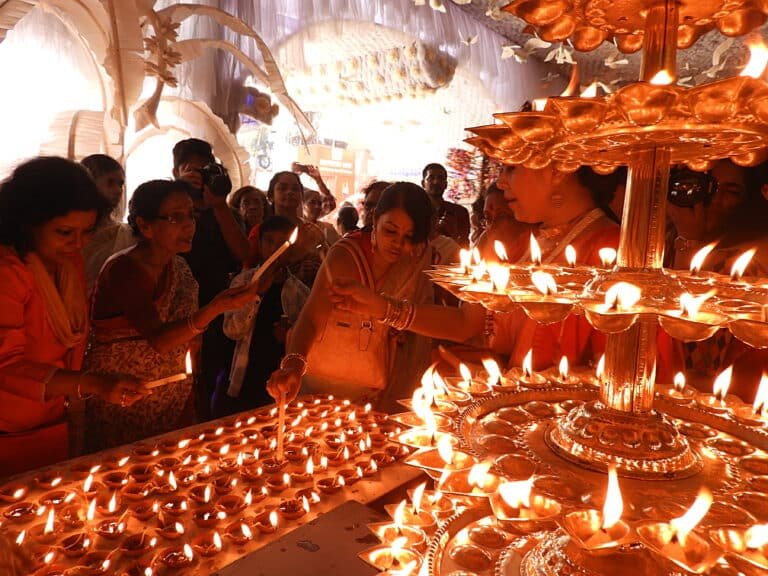
Partially Supported
Why Do Festivals Bring Entire Communities Together?
Festivals concentrate shared time, symbols, music, food and synchronized action, making community membership unusually visible. Research links co-participation and synchrony with stronger social ties, but cohesion can be inward-facing and…
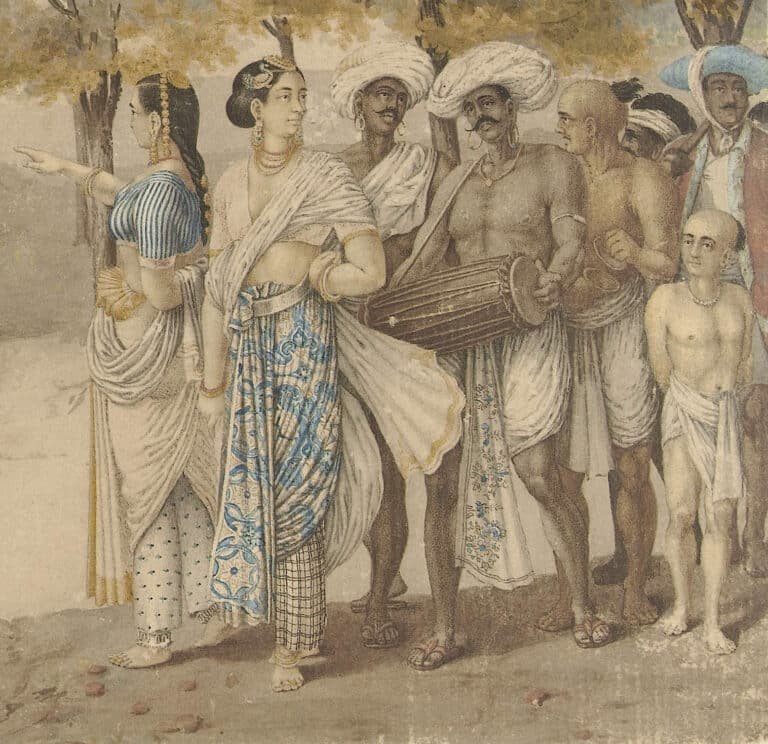
Primarily Symbolic/Cultural
Why Do Humans Hold Funerals?
Funerals transform death from a private loss into a publicly recognized social transition. Archaeology shows deep roots for mortuary ritual, while anthropology and grief research support roles in social support,…
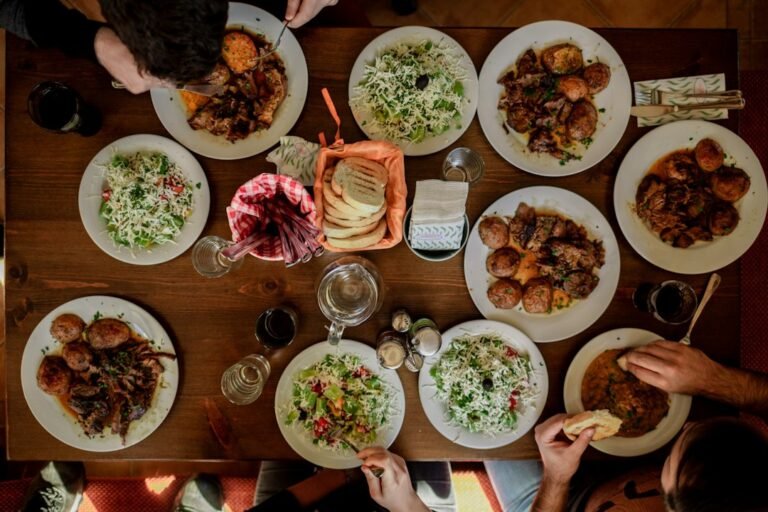
Primarily Symbolic/Cultural
Why Do Mourners Gather to Eat?
Funeral meals recur because grief disrupts ordinary life while food restores routine, gathers supporters and redistributes the work of care. They can create a structured setting for remembrance and social…
Picked for your curiosity
Enable JavaScript to build a reading profile and see recommendations.