 tradivior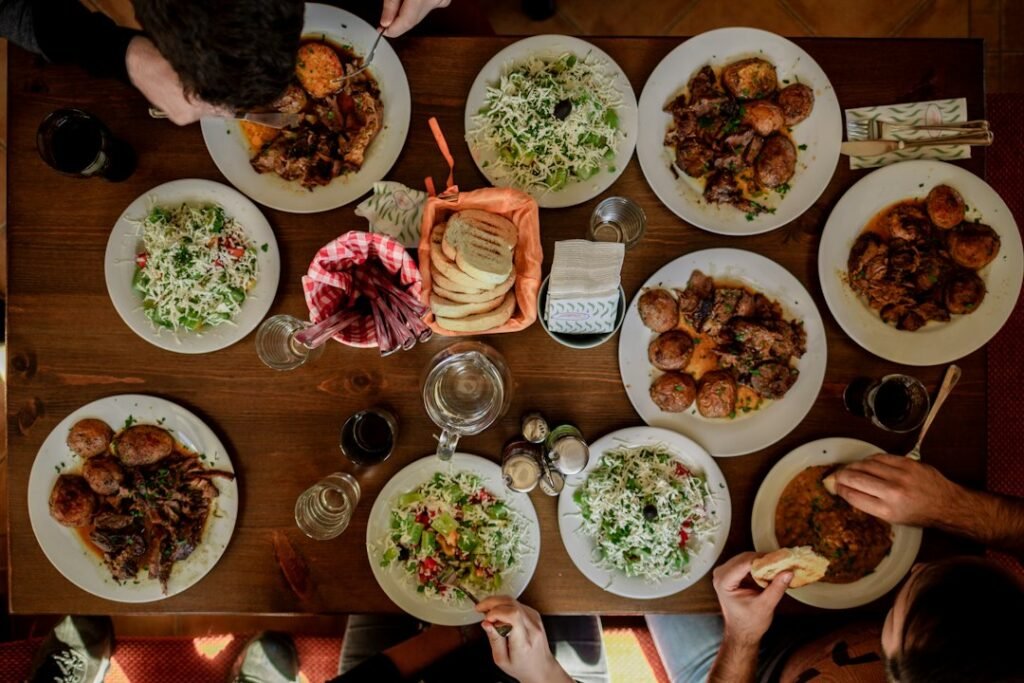
In this investigation
After a funeral, people often eat. The menu may be prescribed, festive, austere or ordinary, but the pattern appears across religious and cultural settings: mourners move from ceremony into shared food.
The explanation is partly practical. Bereaved families still need to eat, but may have little energy to cook. Visitors are already gathered. Food gives people a reason to stay, talk and help. A meal turns abstract support into something material.
Food restores ordinary bodily rhythm
Death can suspend routine. Appetite changes, sleep is disrupted and time feels disorganized. Sitting down to eat reintroduces one of life’s most basic rhythms.
This does not cure grief, but it can anchor people in ordinary action during an extraordinary day.
THE RECORD
Funeral meals are historically widespread. Their recurring functions include feeding visitors, supporting the bereaved, creating structured conversation and marking a transition from formal ritual back toward everyday life.
A meal keeps the support network present
Without food, guests may leave immediately after burial or prayer. A meal extends the gathering and creates time for stories, condolences and practical coordination.
The bereaved can experience support not as a brief sentence but as hours of presence.
THE EVIDENCE
A classic study of funeral meals argued that the shared meal can function as a structured group experience focused on the needs of the living. This is plausible and culturally widespread, but not proof of a universal therapeutic effect.
Food is a form of care when words fail
People often do not know what to say to someone who has lost a close relative. Cooking, carrying food or serving guests provides a concrete task.
This turns compassion into labour the bereaved family can actually use.
The meal can redistribute household burden
Neighbours or relatives may provide dishes so the immediate family does not cook. In large kinship systems, contribution itself reinforces mutual obligations.
Today’s giver may be tomorrow’s recipient.
Eating together can make remembrance easier
Meals permit informal storytelling after formal ritual. Guests remember the deceased through anecdotes that might feel out of place in a solemn service.
Laughter and grief can coexist around the same table, broadening the emotional range of mourning.
Specific foods can carry theological meaning
Some traditions prescribe or avoid particular foods after death. These may symbolize purity, simplicity, memory, charity or the relationship between living and dead.
Such meanings are tradition-specific and should not be reduced to nutritional claims.
Feeding others can become merit or memorial
In several religious traditions, feeding relatives, clergy, poor people or the wider community can be dedicated to the dead or understood as an act of merit.
The meal therefore moves beyond private consolation into moral economy.
Funeral meals can become financially burdensome
Where families are expected to feed large crowds, hospitality can create debt at a time of vulnerability. Social expectation can transform support into pressure.
Tradition is beneficial only when costs remain proportionate and consent is meaningful.
Modern catering changes the labour, not the function
Restaurants, funeral homes and caterers may now provide food that neighbours once cooked. The practical burden shifts, but the social function—keeping people together after ritual—can remain.
Funeral feasting reaches deep into human prehistory
The connection between death and communal eating is not a recent invention. At Hilazon Tachtit cave in present-day Israel, archaeologists found unusually dense remains of butchered tortoises and wild cattle associated with a burial dating to roughly 12,000 years ago. The researchers interpreted the deposit as clear evidence of a funeral feast among Late Epipalaeolithic hunter-gatherers, before agriculture had become established in the region.
The discovery matters because it removes one easy explanation: funeral meals were not simply a by-product of later urban religion or organized priesthood. People were already gathering around death, consuming unusual quantities of food and turning a burial into a larger social event. The archaeological authors argue that such feasts could help integrate communities and reinforce social relationships. That does not tell us what every participant believed, but it shows that commensality—the act of eating together—was attached to mortuary ritual very early in the record.
The meal can connect the living to the dead as well as to one another
In many traditions, funeral food is not only for mourners. It may also be offered to the deceased, ancestors, deities or spirits. Roman evidence makes this especially visible. Written sources describe funerary banquets and food offerings, while archaeological work on Roman cemeteries confirms that graves could become places of repeated commensal activity. Meals were eaten in honour of the dead on the day of burial and at later commemorations.
Comparable patterns appear in very different cultural settings. Food may be placed at graves, dedicated in memorial rites, distributed as charity, or consumed by relatives while the dead are ritually remembered. These practices should not be flattened into one universal theology. The deceased may be imagined as recipient, ancestor, memory, moral presence or none of these. What recurs is the use of food to materialize a relationship that death has disrupted.
Commensality turns private loss into a public social event
Grief is experienced by individuals, but death reorganizes relationships across an entire social network. A funeral meal gives that network a physical form. People sit in one place, accept hospitality, exchange stories, perform obligations and acknowledge who belongs to the circle of mourning. Anthropological work on mortuary feasting shows that food can help construct kin groups and collective identities rather than merely feeding people who happen to be present.
This helps explain why funeral meals often persist even when their religious interpretation changes. A family may no longer believe exactly what its ancestors believed about the dead, yet sharing food can still signal solidarity. The meal says, in effect, that the bereaved household is not facing the transition alone.
Feeding mourners redistributes work at a moment of reduced capacity
Death produces practical disruption as well as emotion. Relatives may be arranging transport, receiving visitors, completing religious duties, dealing with paperwork and spending long hours away from ordinary routines. Appetite and sleep can also be disturbed. When neighbours or extended family provide food, the gesture transfers labour away from the people carrying the heaviest burden.
This is one reason the food itself can matter less than the act of provisioning. A casserole brought to a house, a pot of rice prepared by relatives, a community kitchen, a condolence meal at a religious institution or catered food after a funeral can all perform the same basic function: someone else has anticipated a need and converted sympathy into useful labour.
Shared meals create time for a different kind of remembering
Formal funeral rites often have a tightly prescribed emotional tone. The meal afterwards can be less rigid. People may tell stories, laugh, compare memories, meet relatives they have not seen for years and gradually move between sorrow and ordinary conversation. That shift is not disrespectful. It can be one of the ways a social group begins integrating the reality of a death into continuing life.
Older scholarship on the funeral meal argued that the structured group experience could support grief work. Modern bereavement science is more cautious about assuming one universal pathway through grief, and no meal should be described as a clinical treatment. The defensible point is narrower: social support is important during bereavement, and a meal creates a predictable setting in which that support can actually occur.
Food can also display status, obligation and political power
Not every funeral feast is simply nurturing. Anthropologists and archaeologists have documented societies in which mortuary feasts are costly public displays. Large quantities of meat, drink or prestige foods may demonstrate the resources of a lineage, repay obligations, attract allies or establish the standing of surviving relatives. Brian Hayden’s analysis of lavish funeral feasts emphasizes precisely this political-economic dimension.
This complicates romantic accounts of tradition. A practice that builds solidarity can simultaneously create competitive pressure. Families may feel obliged to host more people than they can comfortably afford because reputation is at stake. The same ritual can support one household emotionally while burdening another financially. Tradivior therefore has to evaluate the social mechanism and the social cost together.
Funeral food often marks a boundary between ordinary time and ritual time
Many mourning traditions regulate what may be eaten, who prepares it, when normal cooking resumes or which foods are appropriate. Such restrictions can symbolize purity, simplicity, sacrifice, continuity or separation from everyday pleasure. Their meaning is local; there is no universal “mourning diet.”
What the pattern shows is that food is an unusually effective medium for marking transitions because everyone must eat. Changing the menu, the cook, the place or the timing makes the disruption of death tangible. When ordinary foods eventually return, that too can signal movement back toward everyday life.
The oldest evidence supports social function more strongly than therapeutic claims
The archaeological, historical and ethnographic record strongly supports the idea that humans repeatedly attached food to death because meals gather people, express obligation, display relationships and create opportunities for remembrance. The evidence is much weaker for claims that a particular funeral food has a universal physiological effect on grief or that ancient communities designed the meal using a modern psychological theory.
That distinction does not make the practice less meaningful. Its strength lies in social technology. A meal converts an abstract community into people who arrive, cook, serve, sit, eat and remain present. In a period when the bereaved can feel that normal life has fractured, those actions create structure without pretending that grief has been solved.
Funeral meals transform support into practical labour
Grieving households may have little energy for shopping, cooking and serving visitors. When relatives or neighbours provide food, care becomes material rather than rhetorical.
This redistribution of labour may be one of the most practical reasons funeral meals persist across cultures.
Commensality extends the time people remain available
A funeral service can end quickly. A shared meal keeps guests nearby long enough for conversation, practical coordination and informal remembering.
The meal therefore creates a second social phase after formal ritual: less scripted, more conversational and often more useful for everyday support.
Food can regulate the transition back toward ordinary life
Eating is one of the most ordinary human activities. After hours focused on death, sitting down to a meal reintroduces bodily routine without pretending that grief has ended.
This symbolic return to ordinary life is plausible even if no clinical trial can show that a funeral meal treats bereavement.
Prescribed foods can carry theological meaning
Some traditions use simple foods, fasting, vegetarian meals, memorial dishes or foods associated with the deceased. These choices can express purity, humility, charity, continuity or communal identity.
The same meal can therefore nourish bodies and communicate beliefs simultaneously.
Funeral hospitality can become coercive when scale becomes competitive
Where families are expected to feed large numbers of guests, the custom can create debt precisely when households are emotionally and financially vulnerable.
The supportive function of funeral food is strongest when contribution is shared and expenditure remains proportionate.
Modern catering changes who works, not why people eat together
Caterers and funeral homes can now provide food that neighbours once cooked. This may reduce household burden while preserving the social gathering.
The persistence of the meal despite changing labour arrangements suggests that its core function is communal presence rather than one historical cooking method.
Funeral food restores ordinary rhythm after an extraordinary event
Death suspends routine: people travel, sleep poorly, complete paperwork and sit through long ceremonies. A meal reintroduces one of life’s basic cycles at a moment when the household’s ordinary schedule has broken down.
This does not make eating a grief treatment. It gives mourners a familiar bodily action and a reason to remain together.
The meal keeps supporters present after formal ritual ends
Without food, guests may disperse quickly after burial or cremation. A meal extends contact and creates informal time for stories, practical planning and companionship.
A classic study of funeral meals described this shared setting as focused on the needs of the living rather than simply on the dead. citeturn757587search0
Food contributions redistribute labour
Neighbours or relatives may cook, serve and clean so the bereaved family does not have to host in the ordinary sense. The network absorbs work during a period of reduced capacity.
This reciprocal economy can be one of the most practical forms of community support.
Commensality can normalize mixed emotions
People may cry during a service and laugh over a remembered story at the meal. Eating creates a less formal setting in which grief, humour and ordinary conversation can coexist.
That emotional range may help families remember a whole life rather than only the moment of death.
Prescribed foods can encode religious meaning
Some mourning meals emphasize simplicity, vegetarianism, particular grains or foods associated with charity and remembrance. These choices belong to ritual systems rather than universal nutrition rules.
The same dish can therefore function as food, memory and theology simultaneously.
Financial burden is the main counterweight
Where families are expected to feed very large numbers of guests, funeral hospitality can produce debt. Social support then reverses into social pressure.
A humane tradition should reduce the bereaved household’s burden rather than turn grief into a competitive display of generosity.
The meal’s strongest function is therefore ordinary and durable: it keeps people together long enough for support to become practical.
The meal’s strength is social continuity: people remain present, eat together and carry the bereaved household through the first return toward ordinary life.
What survives scrutiny?
- Funeral meals appear across many cultures and religions.
- They feed bereaved people and visitors during a disrupted period.
- They prolong social presence and create time for remembrance.
- Food contributions redistribute labour away from the immediate family.
- Shared meals can reinforce reciprocal support networks.
- There is no evidence that a funeral meal is a universal psychological treatment.
- Large mandatory feasts can impose financial pressure.
- The social function can survive even when catering replaces household cooking.
The Tradivior Evidence Profile
Historical Authenticity — Strong. Funeral meals are documented widely across time and religion.
Original-Purpose Evidence — Strong. Hospitality, support, remembrance and ritual transition are direct recurring purposes.
Scientific Mechanism — Moderate. Social support, routine and group presence plausibly buffer distress.
Experimental Evidence — Limited. Direct controlled research is sparse.
Cross-Cultural Evidence — Strong. Mourning meals recur in many societies with different foods and meanings.
Modern Relevance — Strong. Shared food remains a practical and emotionally meaningful form of bereavement support.
The Tradivior Conclusion
Primarily Symbolic/Cultural. Mourners gather to eat because food restores routine, keeps supporters present and turns care into practical action. The meal can create space for stories and shared grief without being a clinical therapy. Its strongest function is social: people who have just faced death perform an ordinary act of life together.
Continue investigating
Sources & further reading
- Yoder L. “The funeral meal: A significant funerary ritual.” Journal of Religion and Health. 1986;25(2):149–160.
- Silverman GS, Baroiller A, Hemer SR. “Culture and grief.” Death Studies. 2021.
- Munro ND, Grosman L. “Early evidence (ca. 12,000 B.P.) for feasting at a burial cave in Israel.” Proceedings of the National Academy of Sciences. 2010;107(35):15362–15366.
- Yoder L. “The funeral meal: A significant funerary ritual.” Journal of Religion and Health. 1986;25(2):149–160.
- Hayden B. “Funerals As Feasts: Why Are They So Important?” Cambridge Archaeological Journal. 2009;19(1):29–52. doi:10.1017/S095977430900002X.
- Foster RJ. “Nurture and force-feeding: mortuary feasting and the construction of collective individuals in a New Ireland society.” American Ethnologist. 1990;17(3):431–448.
- “Food for the soul and food for the body: Studying dietary patterns and funerary meals in the Western Roman Empire.” 2022.
- Cann CK, ed. Dying to Eat: Cross-Cultural Perspectives on Food, Death, and the Afterlife. University Press of Kentucky; 2018.
Continue exploring
Partially Supported
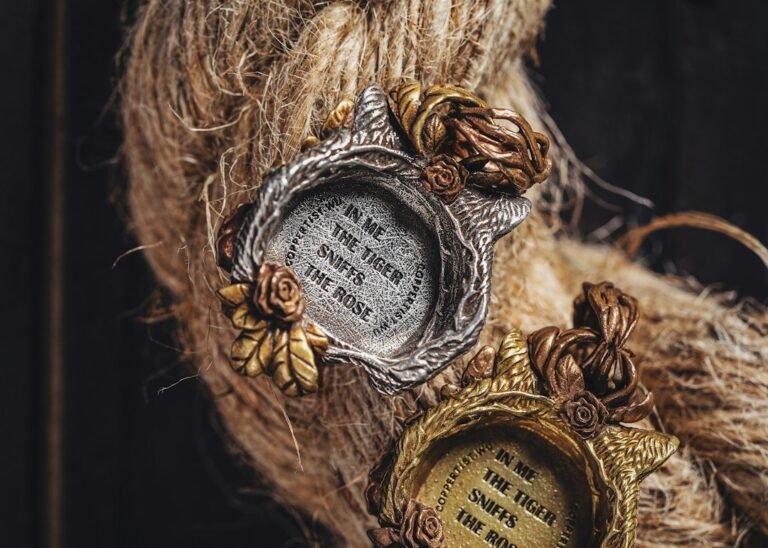
Why Do People Keep Ashes, Relics and Memorial Objects?
Hair, ashes, bones, clothing, photographs and relics allow the dead to remain materially present. Tradivior will examine why objects carry memory so powerfully and how continuing bonds differ from pathological…
Evidence Supported
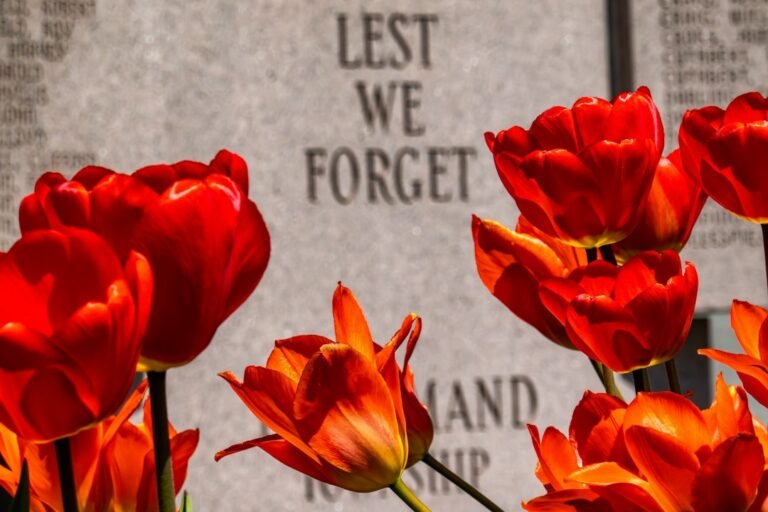
Why Do Cultures Set Aside Days to Remember the Dead?
From Pitru Paksha and Qingming to Día de Muertos and All Souls’ Day, cultures repeatedly create calendar time for the dead. Tradivior will compare how recurring remembrance renews kinship, grief…
Historically Practical
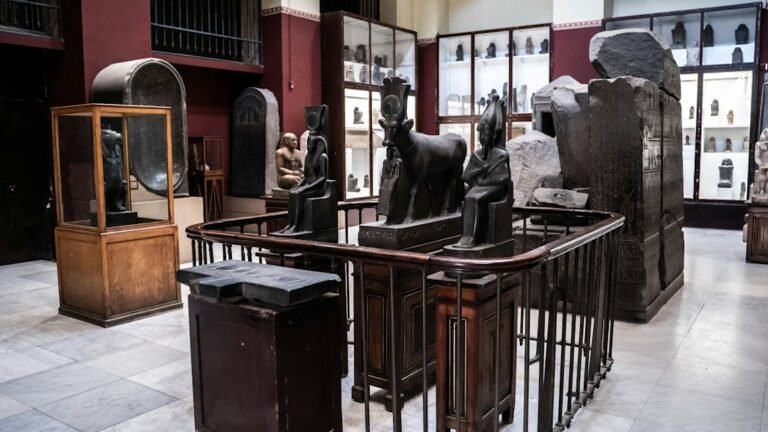
Why Do Cultures Preserve the Dead?
Mummification, embalming, freezing, smoking and desiccation reflect very different beliefs about bodies and afterlives. Tradivior will compare preservation traditions with the chemistry of decomposition and the practical limits of each…

Primarily Symbolic/Cultural
Why Do People Change Names, Clothes or Homes After Marriage?
Marriage often transforms identity through surname changes, new dress, residence, kinship terms or household membership. Tradivior will investigate why marriage needs visible social consequences beyond the ceremony itself.
Picked for your curiosity
Enable JavaScript to build a reading profile and see recommendations.