Tradiviorans ClubQuestions, polls, reading DNA and your curiosity circle.Join the Club →Log in →Reading remains free without an account.
EXPLORE
PARTICIPATE
YOUR SPACE
Follow a question. Examine the evidence.
Explore investigations
Search customs, ideas and practices, or combine filters to follow a connection across cultures. Evidence assessments describe editorial conclusions, not scores or rankings.
Kailash, Sinai, Fuji, Olympus and countless local peaks turn elevation and remoteness into sacred geography. Tradivior will investigate why mountains invite gods, ancestors and pilgrimage, and what awe and landscape…
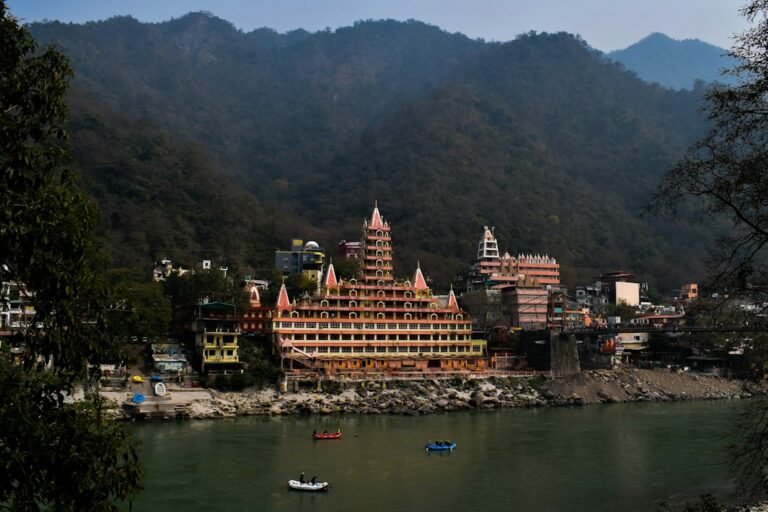
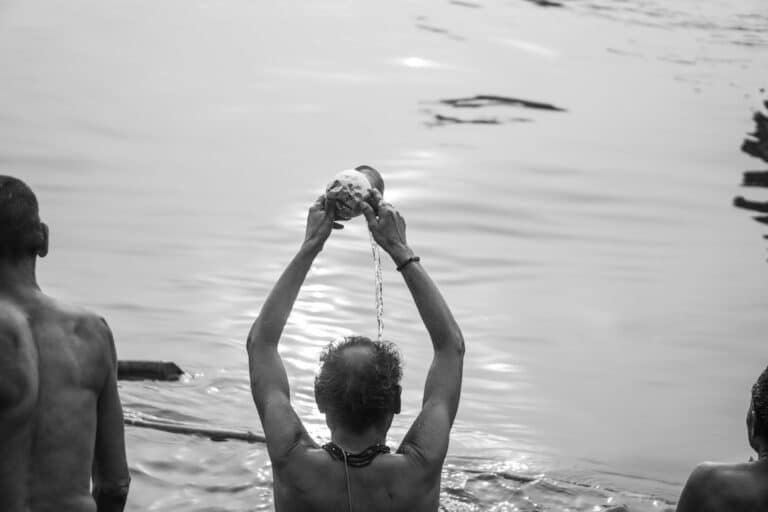
Rivers feed settlements, mark boundaries, carry the dead and renew landscapes, making them powerful religious symbols worldwide. Tradivior will compare sacred rivers while confronting the tension between reverence and pollution.
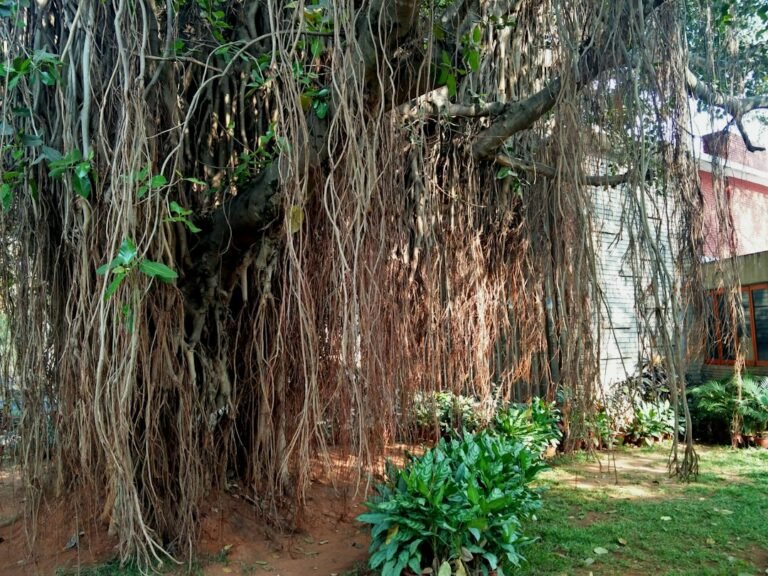
Sacred trees appear in myth, ritual, law and local landscape across many cultures. Tradivior will ask why long-lived plants became moral and religious beings, and when reverence incidentally protected biodiversity.
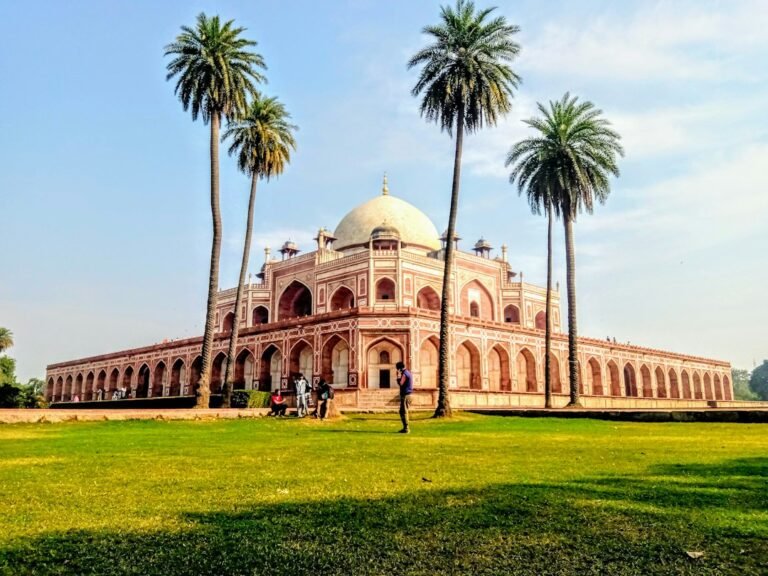
Pyramids, tumuli, stupas, mausoleums and royal tombs turn death into durable landscape. Tradivior will compare why societies invested enormous resources in the dead and what monuments do to memory, legitimacy…
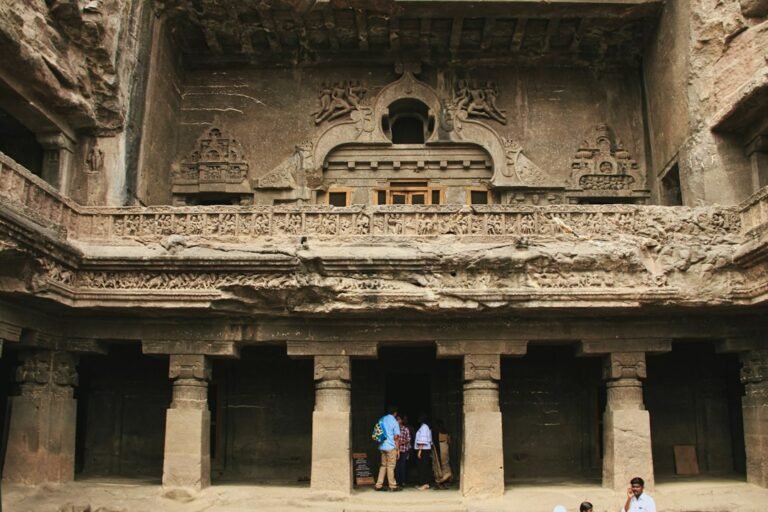
From Ajanta and Ellora to Petra and cave monasteries elsewhere, humans repeatedly transformed rock into sacred space. Tradivior will investigate security, geology, patronage, acoustics and symbolism behind rock-cut architecture.
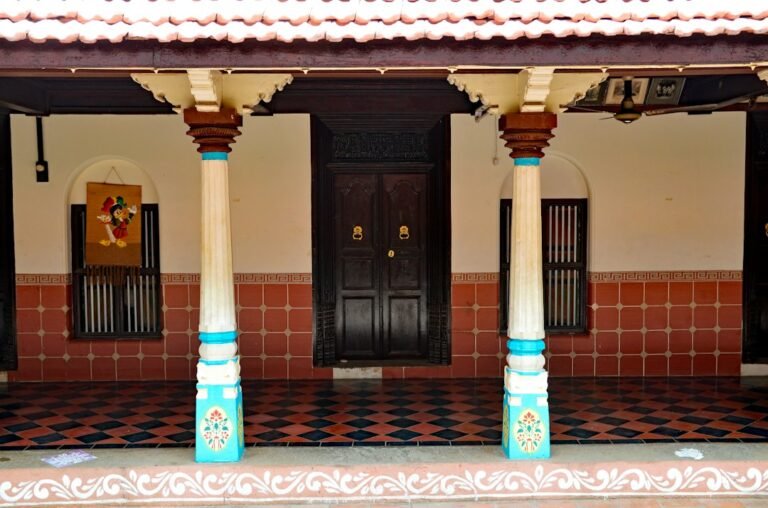
Vastu and feng shui combine cosmology with practical concerns about site, direction, water and spatial order. Modern building science validates some environmental principles, but not universal auspicious directions or invisible…
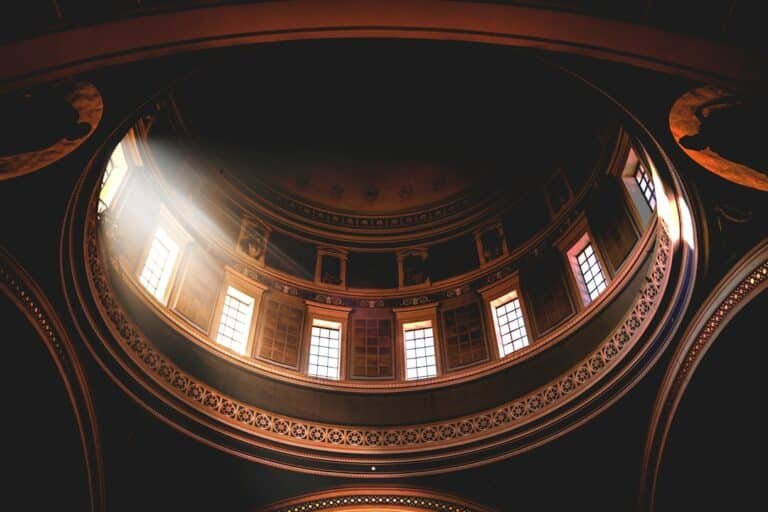
Domes, vaults and chambers measurably alter reverberation, focusing and speech clarity. Sacred sound emerges from architecture, materials and ritual together—not from universally tuned mystical frequencies.
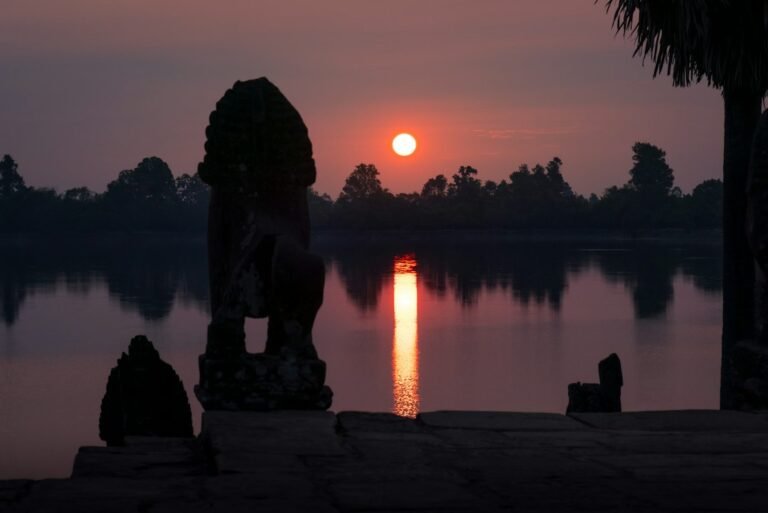
Ancient sacred places were often aligned to cardinal, solar, stellar or landscape references—but not every dramatic sunrise proves intention. Strong archaeoastronomy combines measurement, chronology, repeated patterns and cultural context.
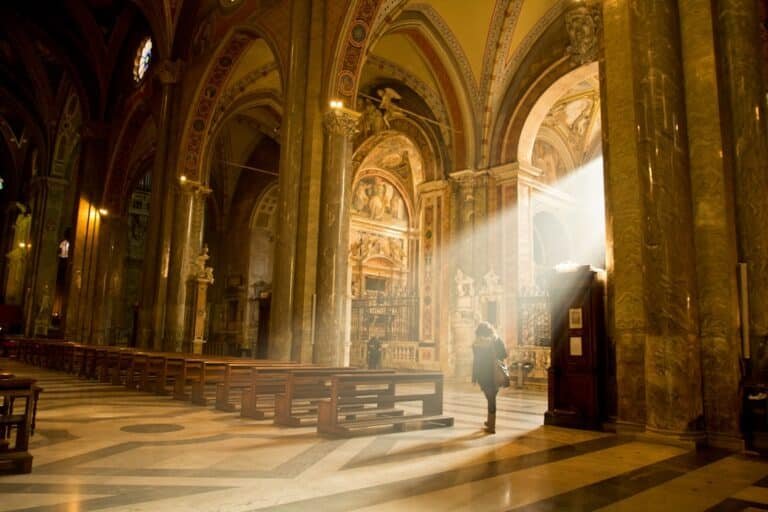
Sacred spaces use darkness, filtered daylight, lamps and luminous surfaces to direct attention and shape ritual experience. Modern perception science explains why these strategies work without implying hidden ancient neuroscience.
Sacred buildings reach upward because height makes religious institutions visible, marks sacred centres and creates awe. Psychology supports associations between verticality and power, but the pattern does not require a…
Mourning colours differ because their main function is social rather than biological. Black, white and other mourning palettes make grief and changed status publicly visible, while the specific colour depends…
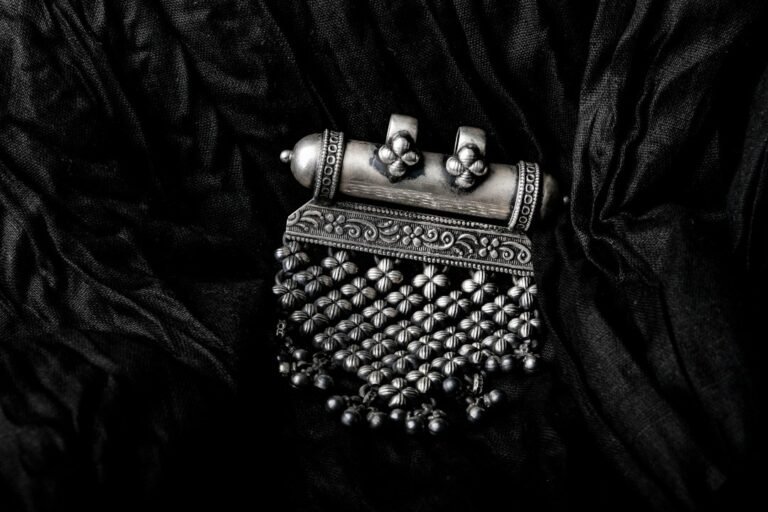
Metals and gemstones became protective and auspicious because rarity, durability and ritual meaning made them powerful symbols. Copper and silver have real material properties, but therapeutic jewellery, crystal energy and…
 tradivior