Tradiviorans ClubQuestions, polls, reading DNA and your curiosity circle.Join the Club →Log in →Reading remains free without an account.
EXPLORE
PARTICIPATE
YOUR SPACE
Follow a question. Examine the evidence.
Explore investigations
Search customs, ideas and practices, or combine filters to follow a connection across cultures. Evidence assessments describe editorial conclusions, not scores or rankings.
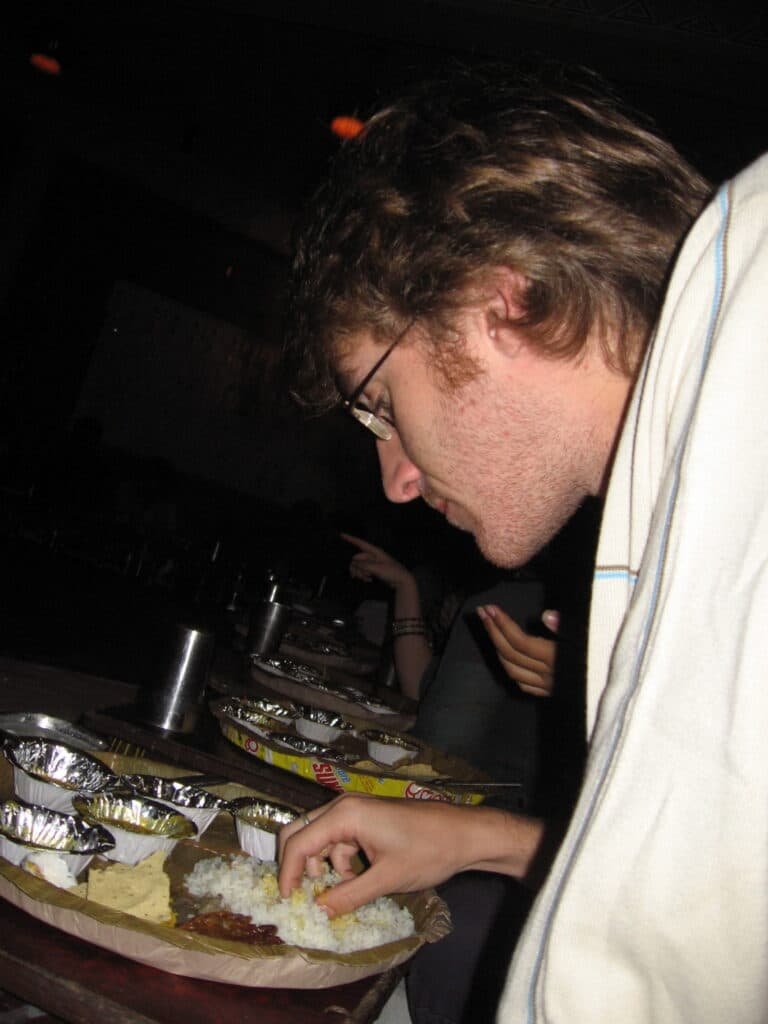
Indian hand-eating is a highly developed culinary and etiquette system suited to foods such as rice, dal, vegetables and flatbreads. Touch can enrich sensory perception, but modern claims about five…
Eating with the hands persisted across sophisticated cuisines because it is practical, culturally encoded and sensorially rich—not because utensils were unknown. Touch can influence food perception, but claims that fingers…
Ayurvedic ritucharya is a genuine classical seasonal regimen linking food, behaviour and climate. Modern physiology supports adaptation to heat, cold, daylight and seasonal food supply, but evidence does not validate…
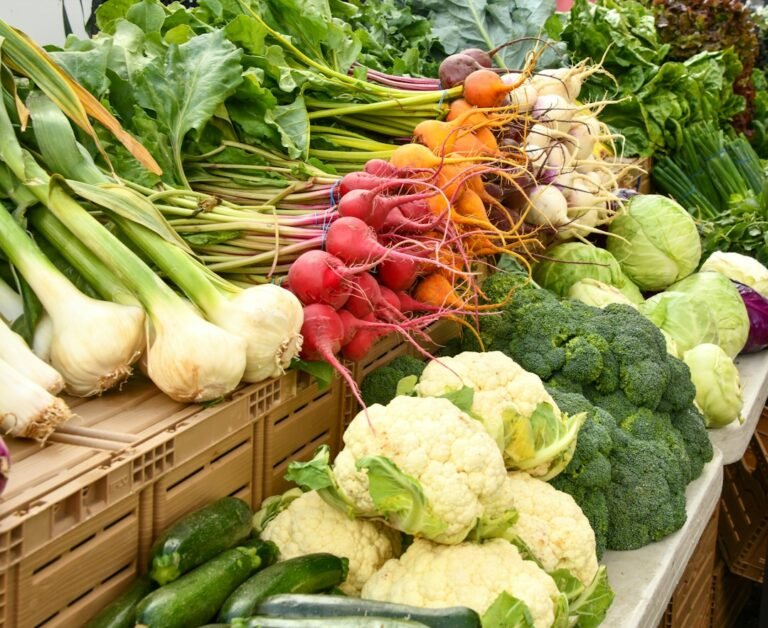
Traditional seasonal eating was mostly an ecological fact before it was a health doctrine: harvests, weather, storage and trade determined what was available. Modern biology confirms that appetite and food…
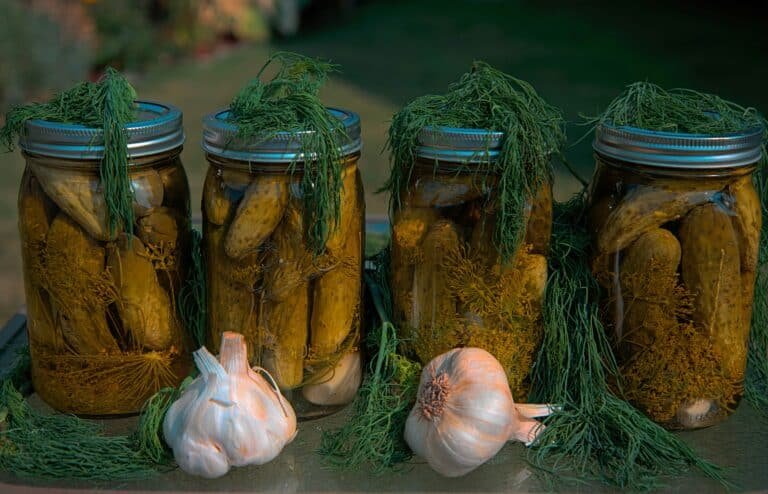
Pickling became global because acidity is a powerful preservation tool. Fermented pickles create acid through lactic-acid bacteria; vinegar pickles add it directly. Both can be safe when properly controlled, but…
Smoking preserved food by combining drying, heat and antimicrobial smoke compounds—and then survived because people came to value the flavour. Modern evidence also shows a trade-off: smoke can deposit carcinogenic…
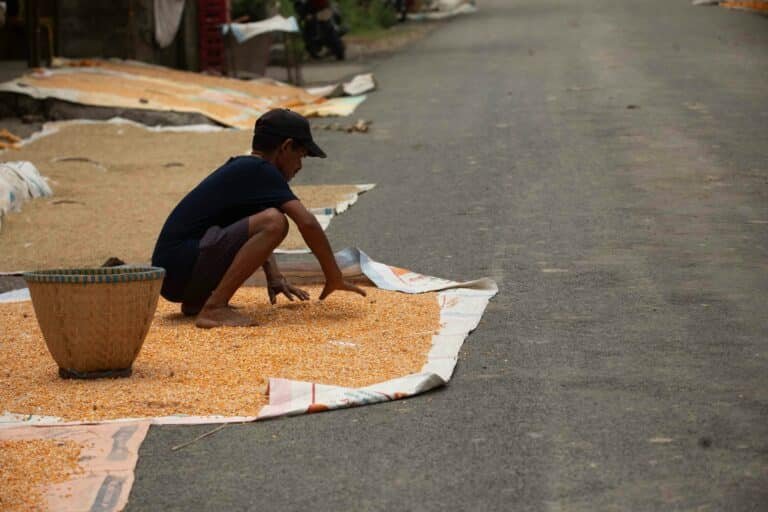
Sun drying preserved food by removing the water microbes need to grow. The mechanism is robust and ancient, but drying is not sterilization: contamination, mould, nutrient loss and poor storage…
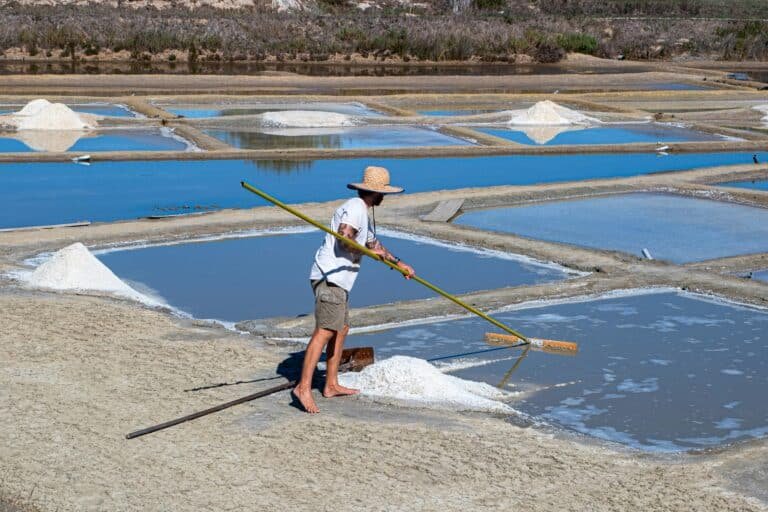
Salt preserved food by reducing water activity and imposing osmotic stress on microbes, making it one of history’s most powerful pre-refrigeration tools. Its preservation value is real, but modern high-sodium…
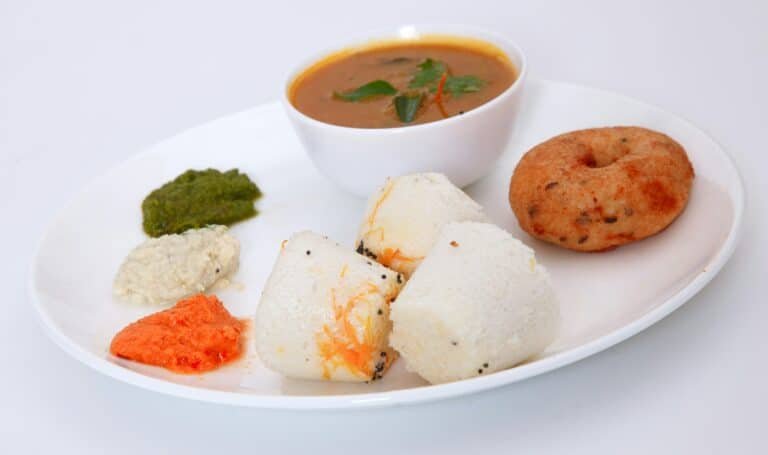
Idli and dosa batter is a real microbial technology: lactic-acid bacteria acidify and leaven it, while fermentation changes texture, flavour and some nutrients. The evidence supports culinary biotechnology—not claims that…
Fermentation let humans steer invisible microbial ecosystems thousands of years before germ theory. Archaeology and microbiology strongly support preservation, sensory transformation and food-safety benefits—but fermented food is not automatically probiotic…
Why did fasting emerge across Judaism, Christianity, Islam, Hinduism, Jainism and Buddhism? The evidence points to multiple religious purposes—not one hidden metabolic origin—while modern science confirms that different fasting protocols…
Why do Indian fasts fall on particular lunar dates, weekdays and festivals? The historical record points to vows and sacred calendars; modern fasting science reveals real metabolic effects—but not the…
 tradivior