 tradivior
Living Tradition
Explore by topic, region and evidence
Investigations into traditions that remain actively practiced, transmitted or reinterpreted by communities today.
-
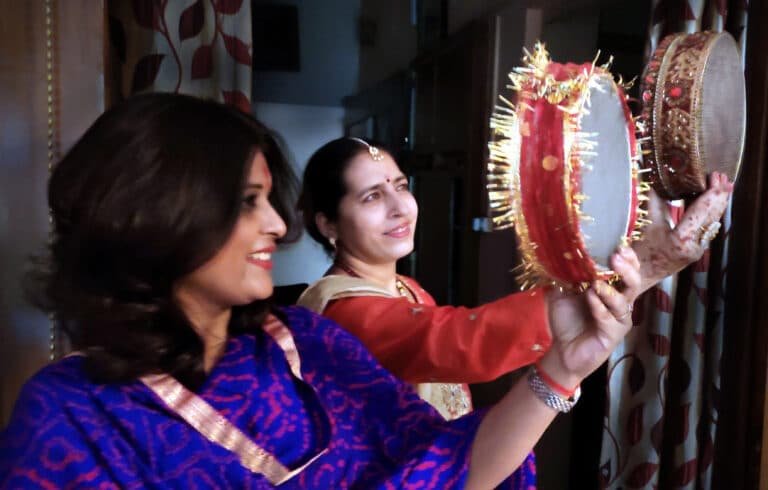
Why Did Indians Fast on Particular Days?
Why do Indian fasts fall on particular lunar dates, weekdays and festivals? The historical record points to vows and sacred calendars; modern fasting science reveals real metabolic effects—but not the…
-
Why Did Religions Across the World Practice Fasting?
Why did fasting emerge across Judaism, Christianity, Islam, Hinduism, Jainism and Buddhism? The evidence points to multiple religious purposes—not one hidden metabolic origin—while modern science confirms that different fasting protocols…
-

Why Have Humans Searched for Longevity Through Daily Routines?
Across civilizations, people tried to build long life into ordinary routines. Modern evidence strongly supports the principle—but not the idea that any ancient culture possessed a complete hidden anti-ageing formula.
-
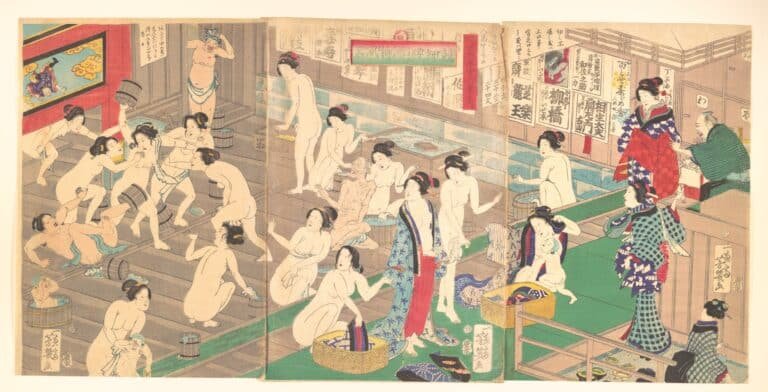
Why Did Japanese Bathing Become More Than Hygiene?
Japanese bathing became more than hygiene through centuries of purification, temple baths, public sento, hot springs and domestic soaking. Modern science supports some benefits of warm-water immersion—but also important risks.
-
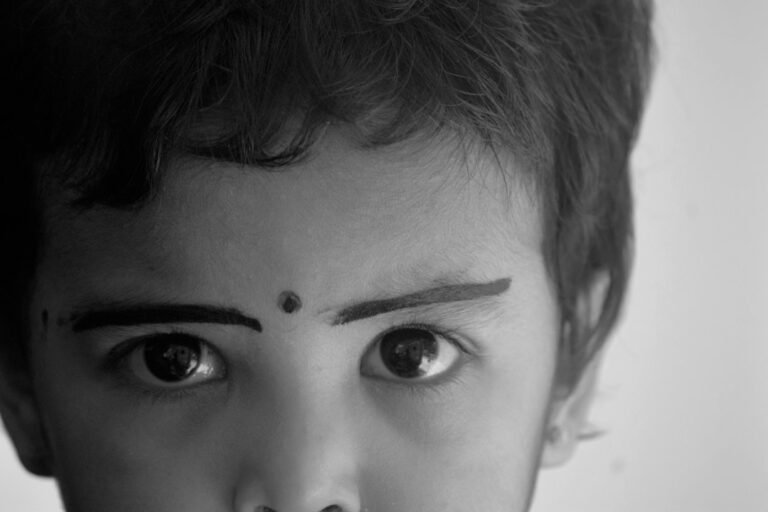
Why Were Babies Marked With Kajal or Kohl?
Why do families mark babies with kajal or kohl? The tradition carries real cultural meaning, but modern toxicology reveals a serious problem: some traditional eye cosmetics expose children to lead.
-

Why Has Infant Massage Survived Across Cultures?
Infant massage survives across cultures because touch, soothing and skin care are fundamental forms of caregiving. Modern evidence supports parts of the practice—but oils, techniques and claims are not interchangeable.
-

Why Did So Many Cultures Practice Postpartum Confinement?
Why did cultures across the world create protected periods after childbirth? The strongest insight may be social rather than mystical: recovery, food and redistributed labour—alongside restrictions whose benefits are far…
-
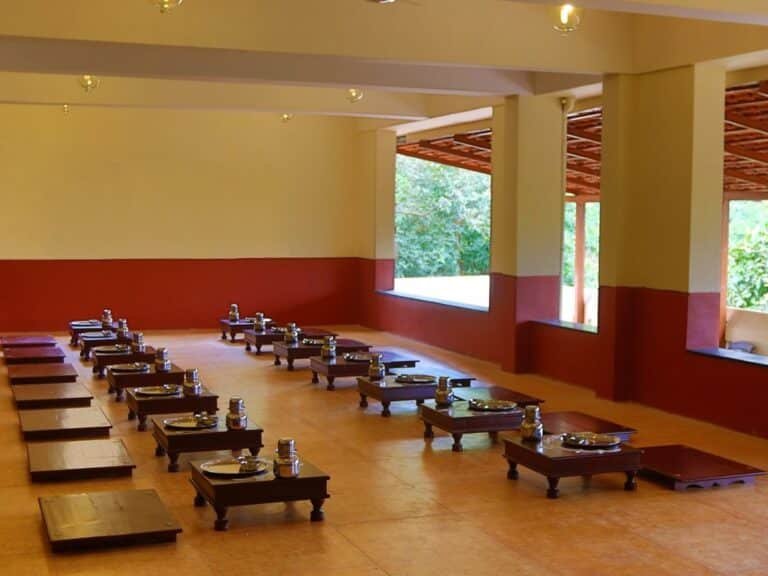
Why Did Indians Traditionally Sit on the Floor to Eat?
Indians traditionally ate close to the ground, but was the practice really designed to improve digestion? The evidence points more strongly to material culture, social custom and functional movement than…
-
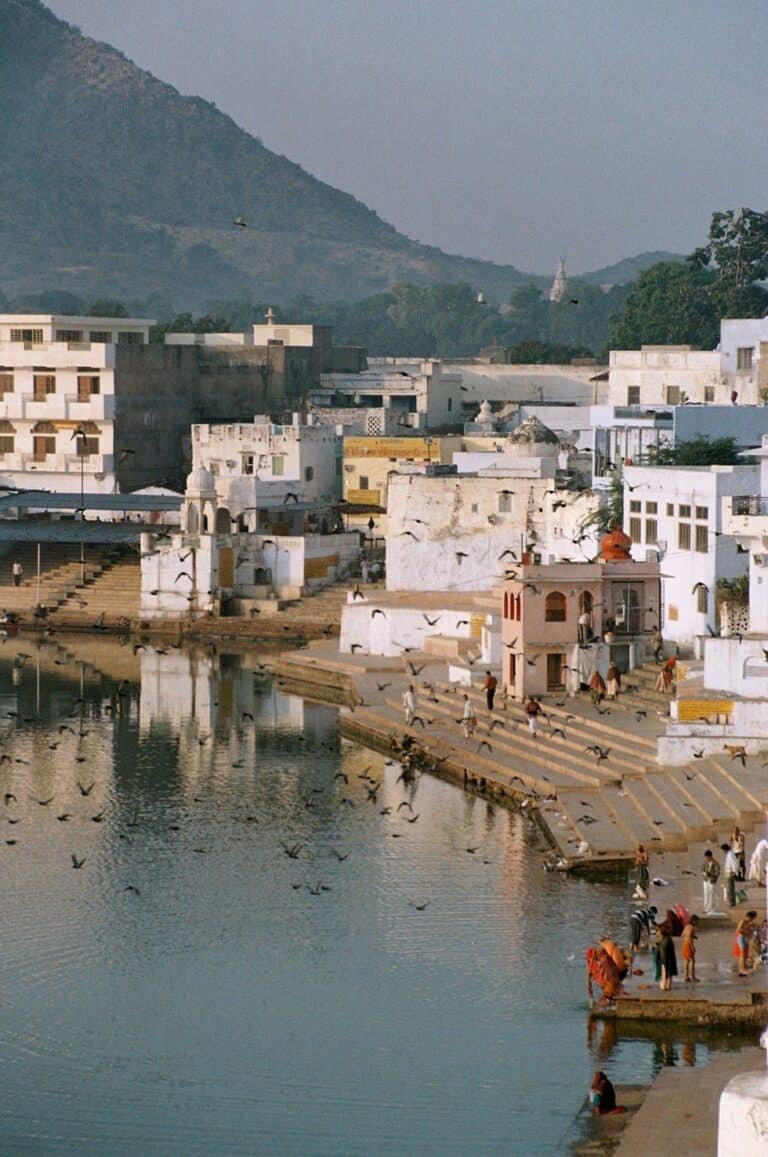
Why Did Bathing Become a Daily Ritual in India?
Why did bathing become woven into Indian daily life? The answer runs through hygiene, climate, ritual purity and sacred water—and cannot be reduced to ancient germ theory.
-

Why Did People Squat to Rest, Work and Use the Toilet?
Squatting was once an ordinary way to work, rest and use the toilet. Modern biomechanics helps explain its advantages—and why claims that it is universally healthier go too far.
-

Why Did Farmers Read the Pleiades and Other Stars?
Farmers watched the Pleiades and other stars because seasonal stellar appearances are predictable. Heliacal risings act as annual calendar markers for planting, harvest and travel without implying that stars cause…
-

Why Do Festivals Move Through the Lunar Calendar?
Religious festivals move on the Gregorian calendar because many remain anchored to lunar or lunisolar systems. Pure lunar calendars drift through the seasons, while lunisolar calendars insert leap months to…