Flagship
Explore by topic, region and evidence
Major, high-depth investigations that anchor important Tradivior themes and connect multiple lines of historical, scientific and cross-cultural evidence.
-
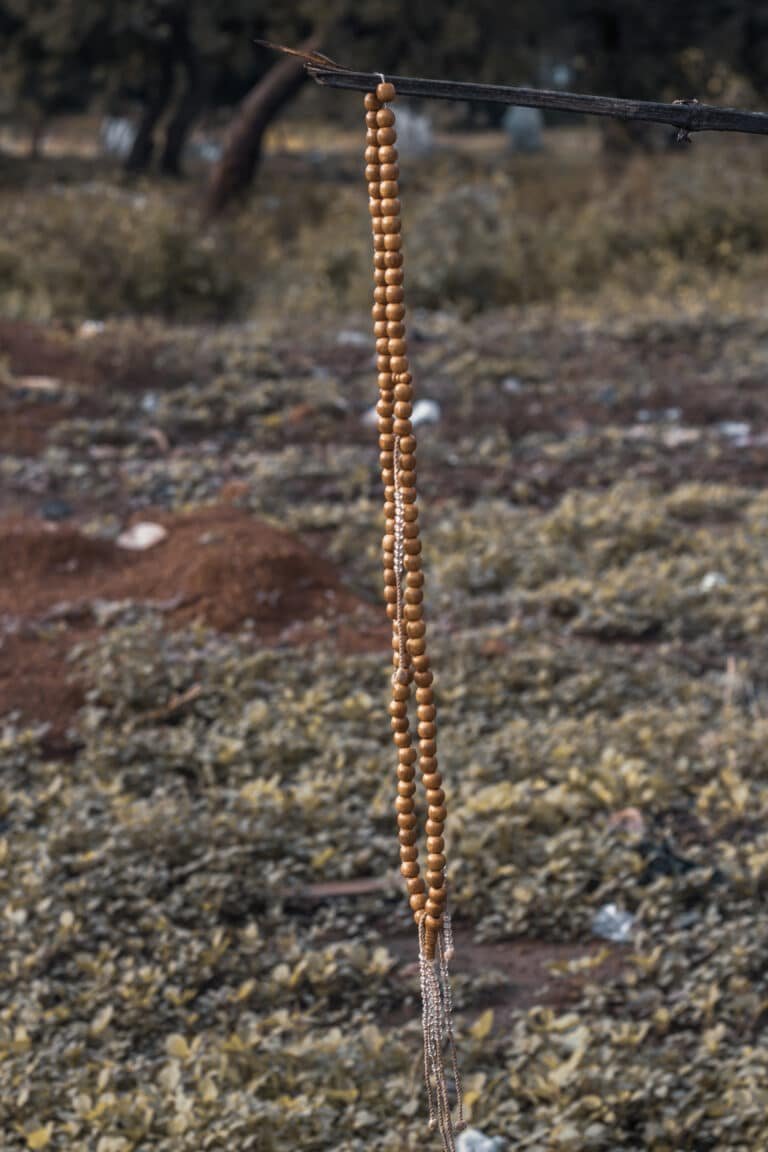
Why Do Humans Repeat Rituals?
Rituals repeat because fixed sequences create predictability, memory, identity and coordination. Experiments suggest ritualized repetition can regulate anxiety and social connection, while mantra repetition shows small benefits for psychological distress;…
-
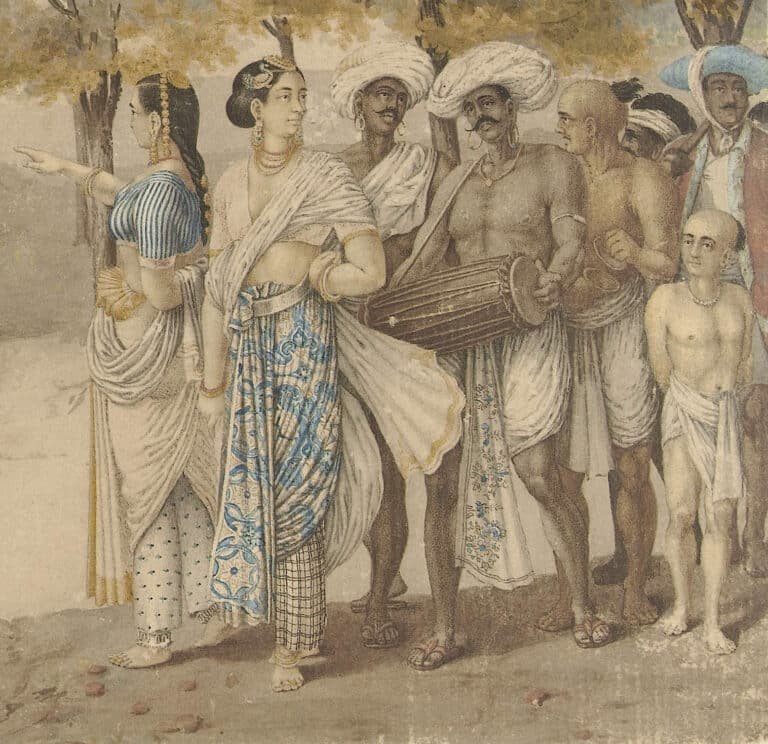
Why Do Humans Hold Funerals?
Funerals transform death from a private loss into a publicly recognized social transition. Archaeology shows deep roots for mortuary ritual, while anthropology and grief research support roles in social support,…
-
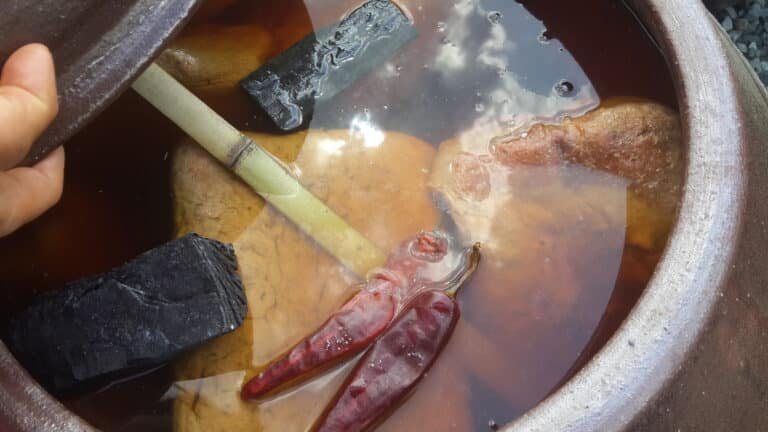
Why Did Humans Learn to Ferment Food?
Fermentation let humans steer invisible microbial ecosystems thousands of years before germ theory. Archaeology and microbiology strongly support preservation, sensory transformation and food-safety benefits—but fermented food is not automatically probiotic…
-

Why Have Humans Searched for Longevity Through Daily Routines?
Across civilizations, people tried to build long life into ordinary routines. Modern evidence strongly supports the principle—but not the idea that any ancient culture possessed a complete hidden anti-ageing formula.
-
Why Did Humans Watch the Moon So Closely?
Humans watched the Moon because it was genuinely useful: a visible calendar, source of night illumination, tidal marker and ecological cue. Modern science strongly supports those functions while rejecting many…
-
Why Were Indian Temples Designed the Way They Were?
Indian temples evolved through ritual, theology, craft, patronage, regional materials and urban life. Modern acoustics and thermal science confirm real architectural effects, but popular claims about universal energy fields and…
-
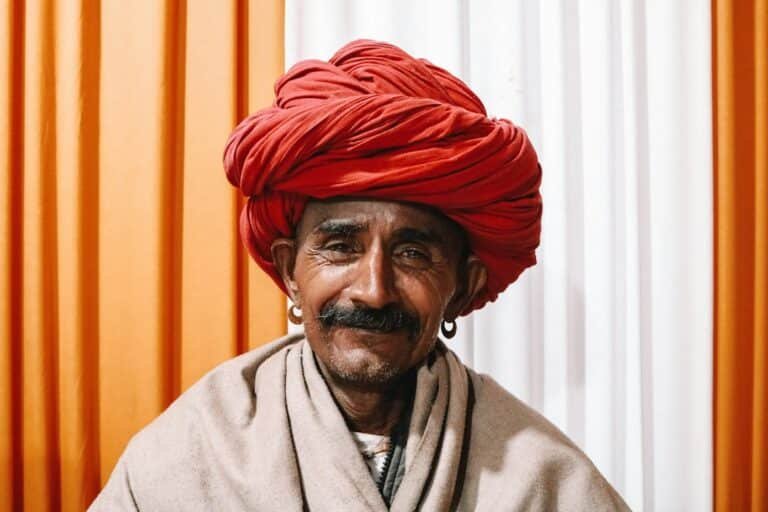
Why Did Humans Wear Jewellery?
Jewellery is one of humanity’s oldest symbolic technologies. Early shell beads predate agriculture by tens of thousands of years, and later ornaments communicate identity, status, alliance, devotion, wealth and memory.
-

Why Did Arranged Marriage Become Common Across Many Societies?
Arranged marriage became common because marriage historically joined families, property and kinship systems as well as individuals. Modern outcomes depend far more on consent, autonomy, gender equality and family support…
-

Why Did Courtyard Houses Appear Across Hot Climates?
Courtyard houses appeared across hot climates because one central open space could provide shade, daylight, airflow, privacy and family space. Modern building science validates the mechanisms while showing that performance…
-
Why Do Humans Seek Trance and Altered States?
Humans across cultures deliberately alter consciousness through rhythm, movement, breath, deprivation, meditation and psychoactive substances. Science explains many induction mechanisms while leaving cultural and metaphysical interpretations distinct.
-
Why Did Indian Traditions Develop Pranayama?
Pranayama evolved through classical and medieval Indian yoga as a discipline of breath, attention and vital-force regulation. Modern evidence supports real autonomic and cardiovascular effects for some techniques, while broad…