 tradivior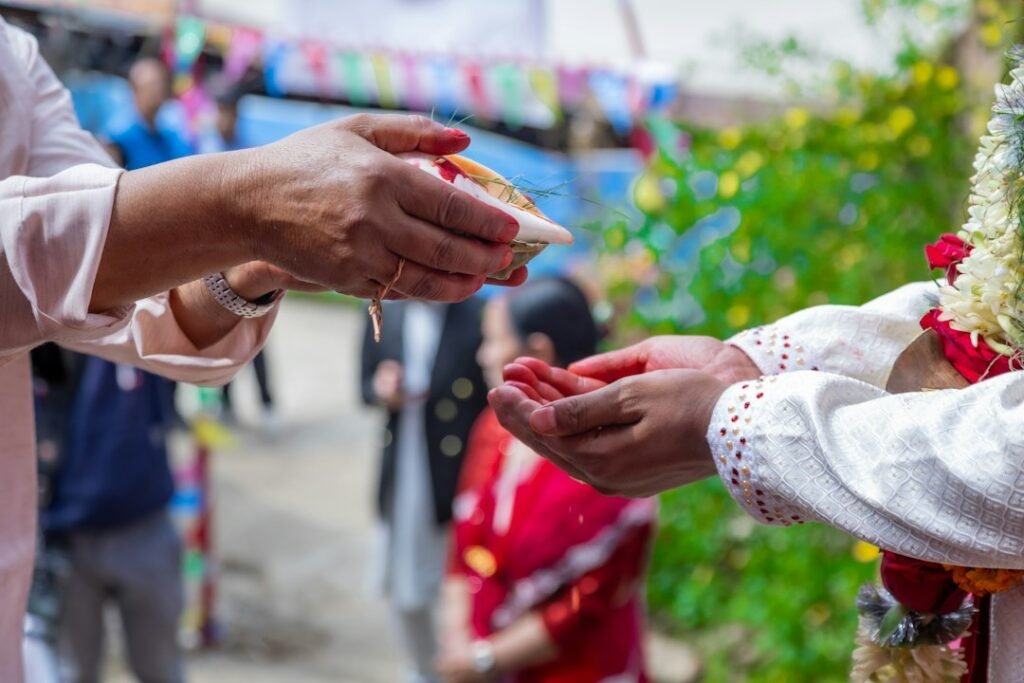
In this investigation
A gift looks like a transfer of property, but socially it is rarely only that. A birthday present, wedding envelope, ritual offering, diplomatic gift or food brought to a neighbour can create gratitude, obligation, memory, alliance, prestige or discomfort. The object matters, but so does the relationship created by giving it.
This is why gift exchange appears across societies that otherwise differ enormously. Humans use gifts to mark transitions, repair relationships, honour hierarchy, display generosity and create future expectations. Sometimes a gift is meant to be reciprocated. Sometimes refusing repayment is precisely the point.
Anthropologists learned that gifts are rarely “free”
Marcel Mauss’s famous essay The Gift argued that gift exchange creates obligations to give, receive and reciprocate. His claim was not that every present has a hidden price tag. It was that objects circulate inside social relationships and therefore carry moral force.
A gift can say: I recognize you. I trust you. I owe you. You owe me. We are allies. We belong to the same group. I am generous. I outrank you. You matter to me.
THE SOCIAL FACT
What moves between people is not only an object. Gifts carry relationship, expectation and memory.
Reciprocity does not require immediate repayment
Market exchange usually specifies value and timing: money is paid, the transaction ends. Gift exchange often keeps the relationship open.
A wedding gift may be remembered years later when the donor’s family holds its own ceremony. A neighbour who brings food during illness may later receive help with childcare or transport. The exchange remains socially unfinished.
Delayed repayment can strengthen relationships
If every gift were immediately repaid with exactly equal value, the relationship could close like a bill being settled. Delay keeps a small imbalance alive.
That imbalance can be socially useful. It gives people a reason to remain connected and creates opportunities for future interaction.
Some gifts create alliance between groups rather than individuals
Anthropologists studying exchange systems have shown that gifts can circulate between clans, villages, political leaders or ritual groups. The object becomes a vehicle for a larger relationship.
Marriage exchanges, ceremonial valuables and diplomatic gifts can therefore stabilize alliances that extend beyond the donor and recipient.
Prestige grows when generosity is visible
Giving can signal wealth, confidence and social capacity. A person who can afford to give publicly demonstrates that they possess surplus.
In some societies, competitive generosity becomes a route to prestige. The host who feeds more people, the chief who redistributes more wealth or the family that gives lavishly at a wedding may increase its standing.
A gift can also create hierarchy
Giving is not always egalitarian. A powerful patron can give without needing equivalent repayment, placing the recipient in a subordinate position.
Gifts from rulers, landlords, employers or political leaders can therefore create loyalty while reminding recipients who controls resources.
Religious gifts complicate simple reciprocity
South Asian traditions of dāna show why Mauss’s model needs nuance. Religious gifts may be valued precisely because the recipient should not repay the donor directly.
The expected return may be karmic merit, spiritual benefit or social honour rather than material reciprocity. In some Dharmaśāstra traditions, the purity of a gift depends partly on refusing ordinary transactional logic.
Giving at life transitions makes social change visible
Births, initiations, marriages, housewarmings, festivals and funerals frequently attract gifts because transitions reorganize relationships.
The gift acknowledges that change: a child has entered the family, two households are linked, someone has established a new home or a death has altered obligations among survivors.
Wedding gifts often function as economic redistribution
Starting a household requires goods and money. Gifts at marriage can transfer resources at precisely the moment a couple faces new expenses.
The same practice can also become burdensome when social expectations escalate. Families may feel compelled to give beyond their means because a gift publicly communicates respect and status.
Gifts make memory material
Objects can preserve relationships after an event ends. A ring, book, vessel or garment can repeatedly reactivate the memory of the giver.
This distinguishes gifts from many ordinary purchases. The object’s value partly comes from provenance: who gave it, when and why.
The “wrong” gift reveals how relational the practice is
A gift can fail even when it is expensive. It may feel impersonal, excessive, cheap, inappropriate or manipulative.
This happens because recipients evaluate not only the object but the inferred message. Does the giver understand me? Are they showing off? Are they trying to create obligation?
Price is not the same thing as value
Recipients may value gifts that demonstrate attention more than gifts that cost more. A handmade object, remembered preference or carefully chosen book can communicate knowledge of the person.
This makes gift exchange partly a test of relational understanding.
Behavioural science supports a modest emotional benefit from giving
Research on prosocial spending has often found that spending resources on others can increase momentary happiness compared with spending on oneself. Cross-cultural studies report similar associations across diverse countries.
But the effect should not be exaggerated. Large replications find smaller and more context-dependent benefits than early headlines implied. Some studies replicate the effect under certain measures while finding null results under others.
THE EVIDENCE
Giving can improve well-being, especially when the giver feels connected to the recipient and can see the impact. It is not a guaranteed happiness technique.
Giving to close relationships often feels better
Experimental work suggests that prosocial spending can produce stronger positive affect when directed toward close social ties rather than weak ties.
This fits the relational account: the emotional benefit comes partly from strengthening connection, not merely from losing money.
Perceived impact matters
Giving tends to feel more rewarding when the donor can see how the gift helps. Anonymous, abstract giving may produce less emotional return than helping a visible person or cause.
This does not make generosity selfish. Human motivations can include empathy, moral duty, reputation and personal satisfaction simultaneously.
Obligatory gifts can produce stress rather than joy
Not all giving is voluntary. Workplace exchanges, family ceremonies and holiday traditions can create pressure to spend money or choose correctly.
When the gift is experienced as coercive, its emotional effects can reverse. A system that creates belonging can also generate anxiety, debt and resentment.
Gift refusal can threaten the relationship
Accepting a gift often means accepting the relationship it represents. Refusal can therefore signal distance, rejection or unwillingness to enter obligation.
This helps explain why many cultures develop elaborate etiquette around modest refusal followed by eventual acceptance.
Anonymous gifts intentionally remove reciprocity
Charitable and religious traditions sometimes value anonymous giving precisely because the donor cannot receive direct social repayment.
The practice protects recipients from humiliation and donors from turning generosity into public prestige.
Gifts can be politically dangerous
The same mechanisms that build relationships can create corruption. Officials who receive valuable gifts may feel obligation even when no explicit bargain is stated.
Modern institutions therefore draw legal boundaries between acceptable gifts and bribery. The problem exists precisely because gifts can influence relationships so effectively.
A bribe differs from a gift partly in hidden expectation
Both involve transfer, but a bribe seeks a specific improper return. A genuine gift may still create obligation, but the exchange is socially framed as relationship rather than explicit purchase.
The boundary is culturally and legally contested, which is why gift rules matter in diplomacy, medicine, politics and business.
Commercial culture turns gifts into an industry
Modern retail marketing attaches gift exchange to birthdays, anniversaries, Valentine’s Day, Mother’s Day and year-end holidays. Commercialization can amplify existing customs or create new expectations.
This does not make modern gifts meaningless, but it changes who benefits economically from the ritual.
Digital gifts preserve the relationship even when the object disappears
Money transfers, game items, subscriptions and virtual gifts show that physical objects are not essential. What matters is the recognized act of giving.
The technology changes while the relational structure remains.
Why gift exchange persists
Gifts solve a problem that pure markets do not solve well: how do you express value without pricing the relationship itself?
Paying a friend market wages for emotional support can damage the meaning of friendship. Giving a thoughtful gift can acknowledge the same care without turning it into a commercial transaction.
What survives scrutiny?
- Gift exchange is a cross-cultural social institution rather than a simple transfer of goods.
- Gifts can create reciprocity, alliance, prestige, obligation and memory.
- Delayed reciprocity can keep relationships open rather than closing them like market transactions.
- Some gift traditions intentionally reject direct reciprocation, especially religious forms of giving.
- Life-transition gifts redistribute resources at moments of new economic need.
- Visible generosity can create prestige and hierarchy as well as solidarity.
- Behavioural research suggests prosocial spending can increase happiness, but effects are modest and context-dependent.
- Giving to close social ties and seeing the impact of a gift can strengthen emotional benefits.
- Obligatory giving can create financial pressure, anxiety and resentment.
- Modern law regulates gifts because relational obligation can blur into bribery and corruption.
The Tradivior Evidence Profile
Historical Authenticity — Strong. Gift exchange is extensively documented across ancient and modern societies.
Original-Purpose Evidence — Strong. Reciprocity, alliance, religious merit, status, redistribution and relationship maintenance are well documented purposes.
Scientific Mechanism — Strong. Reciprocity, signalling, social bonding and reward processes provide credible mechanisms.
Experimental Evidence — Moderate. Prosocial-spending experiments support some emotional benefits, though effect sizes and replication results vary.
Cross-Cultural Evidence — Strong. Gift exchange appears widely but takes culturally specific forms.
Modern Relevance — Strong. Gifts continue to structure family, friendship, charity, business, diplomacy and ritual life.
The Tradivior Conclusion
Evidence Supported. People exchange gifts because gifts do something money alone cannot: they create and maintain relationships without reducing those relationships to explicit prices. Anthropology strongly supports the roles of reciprocity, alliance, prestige and obligation, while behavioural research shows that giving can produce emotional benefits under some conditions. Gifts are therefore neither purely altruistic nor merely disguised transactions. They are social technologies for expressing value, creating memory and keeping relationships alive.
Continue investigating
- Why Is Feeding the Guest a Sacred Duty in So Many Cultures?
- Why Do Communities Treat Hospitality as a Moral Obligation?
- Why Does Eating Together Build Trust?
Sources and further reading
- Mauss M. The Gift. Classic anthropological analysis of obligation, reciprocity and exchange.
- Yan Y. “Gifts.” Open Encyclopedia of Anthropology. 2020/2023.
- Anthropological scholarship on South Asian dāna, religious gifts and non-reciprocal giving.
- Aknin LB, et al. “Prosocial spending and well-being: cross-cultural evidence for a psychological universal.” Journal of Personality and Social Psychology. 2013. PMID: 23421360.
- Dunn EW, Aknin LB, Norton MI. “Spending money on others promotes happiness.” Science. 2008;319:1687–1688. PMID: 18356530.
- “Does spending money on others promote happiness?: A registered replication report.” 2020. PMID: 32250135.
- “Prosocial spending encourages happiness: A replication of the only experiment reported in Dunn, Aknin, and Norton (2008).” PLOS ONE. 2022. PMID: 36070255.
- “It’s the Recipient That Counts: Spending Money on Strong Social Ties Leads to Greater Happiness than Spending on Weak Social Ties.” 2011. PMCID: PMC3037397.
Continue exploring
Why Do People Keep Ashes, Relics and Memorial Objects?
Hair, ashes, bones, clothing, photographs and relics allow the dead to remain materially present. Tradivior will examine why objects carry memory so powerfully and how continuing bonds differ from pathological…

Why Do Cultures Set Aside Days to Remember the Dead?
From Pitru Paksha and Qingming to Día de Muertos and All Souls’ Day, cultures repeatedly create calendar time for the dead. Tradivior will compare how recurring remembrance renews kinship, grief…

Why Do Cultures Preserve the Dead?
Mummification, embalming, freezing, smoking and desiccation reflect very different beliefs about bodies and afterlives. Tradivior will compare preservation traditions with the chemistry of decomposition and the practical limits of each…

Why Do People Change Names, Clothes or Homes After Marriage?
Marriage often transforms identity through surname changes, new dress, residence, kinship terms or household membership. Tradivior will investigate why marriage needs visible social consequences beyond the ceremony itself.
Picked for your curiosity
Enable JavaScript to build a reading profile and see recommendations.