 tradivior
Europe
Explore by topic, region and evidence
Investigations into European traditions, institutions and cultural practices across different periods and regions.
-
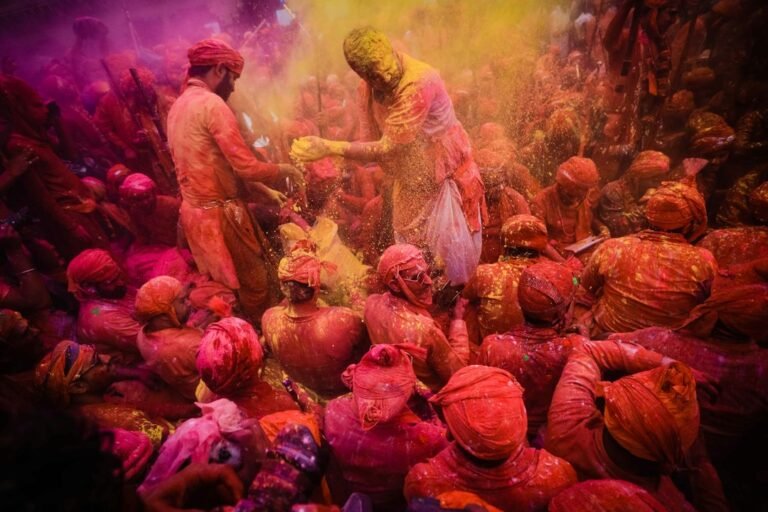
Why Do Cultures Give Ritual Meaning to Colour?
Ritual colour meanings arise from both shared human perception and learned cultural history. Cross-cultural research finds broad emotional regularities, but religion, material scarcity, language and ritual can give the same…
-
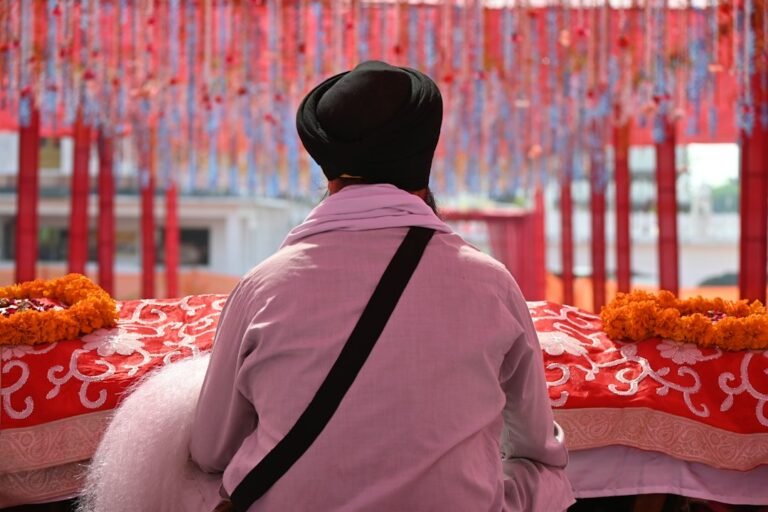
Why Do Religions Cover the Head in Worship?
Religious head coverings across Judaism, Christianity, Islam and Sikhism express different combinations of reverence, modesty, discipline and identity. Their strongest effects are social and psychological, not a universal hidden physiological…
-
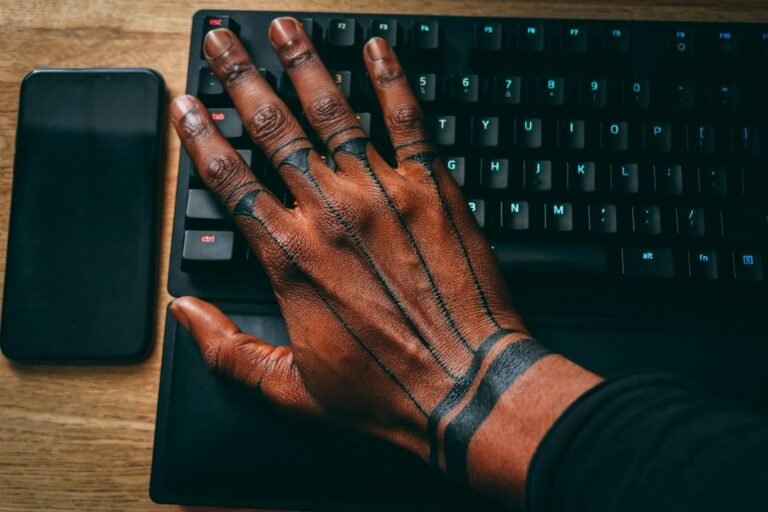
Why Did Humans Tattoo the Body?
Tattooing turns skin into a permanent social surface. Across cultures it has marked identity, initiation, rank, protection, punishment, memory and belonging; its permanence makes those signals powerful while also creating…
-
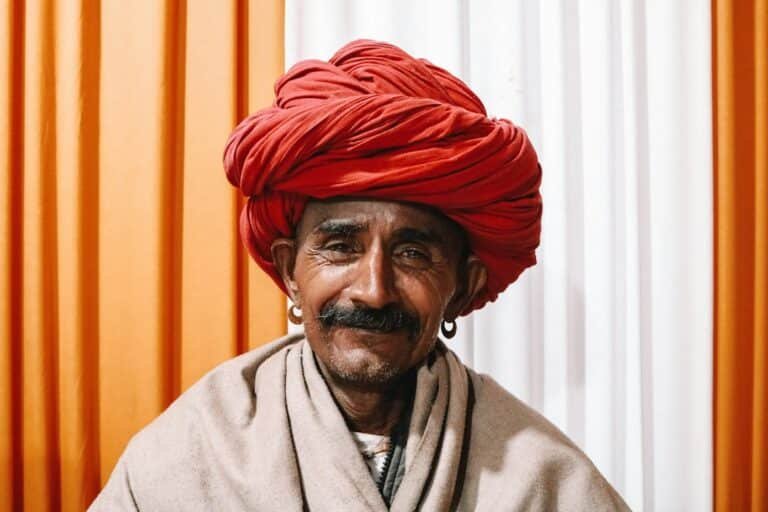
Why Did Humans Wear Jewellery?
Jewellery is one of humanity’s oldest symbolic technologies. Early shell beads predate agriculture by tens of thousands of years, and later ornaments communicate identity, status, alliance, devotion, wealth and memory.
-
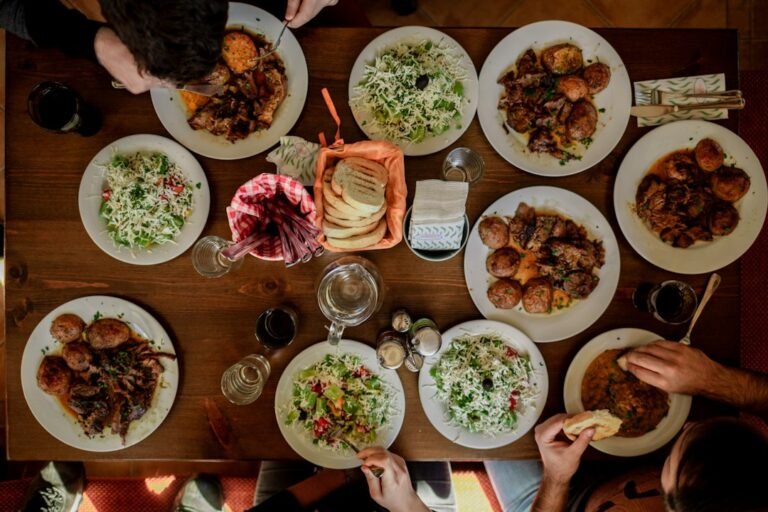
Why Does Eating Together Build Trust?
Shared meals can build trust by combining food sharing, similarity, conversation, synchrony and repeated interaction. Experiments support some direct effects, while broader family-meal benefits remain largely correlational.
-

Why Do Humans Organize Themselves Into Castes, Clans and Lineages?
Lineages and clans organize descent, inheritance and alliance; caste became a more restrictive inherited social boundary shaped by endogamy, occupation, status and power. Genetics reveals the effects of endogamy but…
-
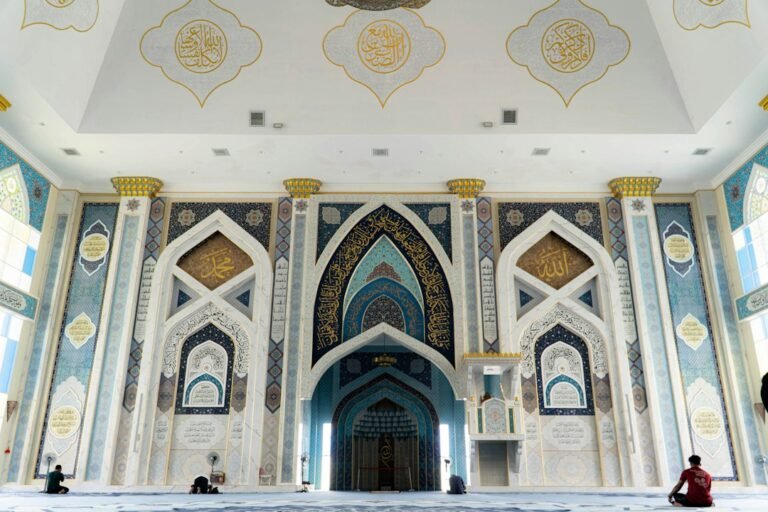
Why Did Some Societies Separate Men and Women in Public and Ritual Life?
Gender-segregated spaces have served ritual order, modesty, status, labour, privacy and control of sexuality. Their modern consequences depend heavily on choice, equal access and whether separation is voluntary or coercive.
-
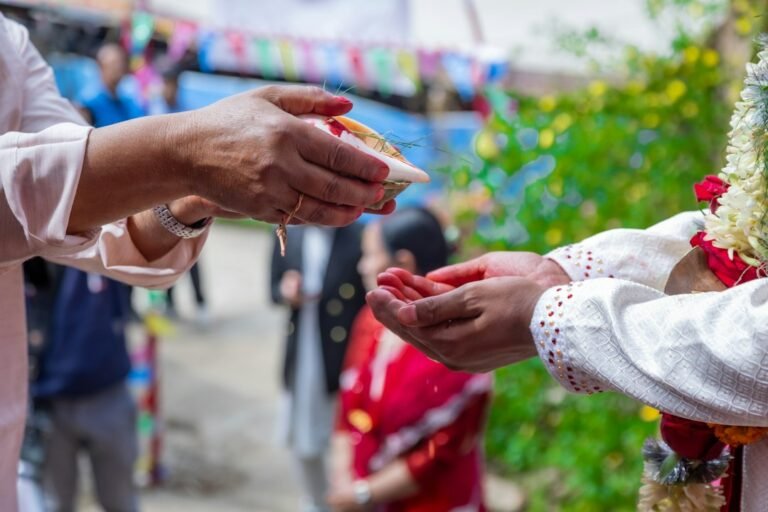
Why Do People Exchange Gifts?
Gift exchange binds people through reciprocity, alliance, prestige, obligation and memory. Modern research also suggests giving can improve well-being under some conditions, but gifts are not simply altruism or disguised…
-
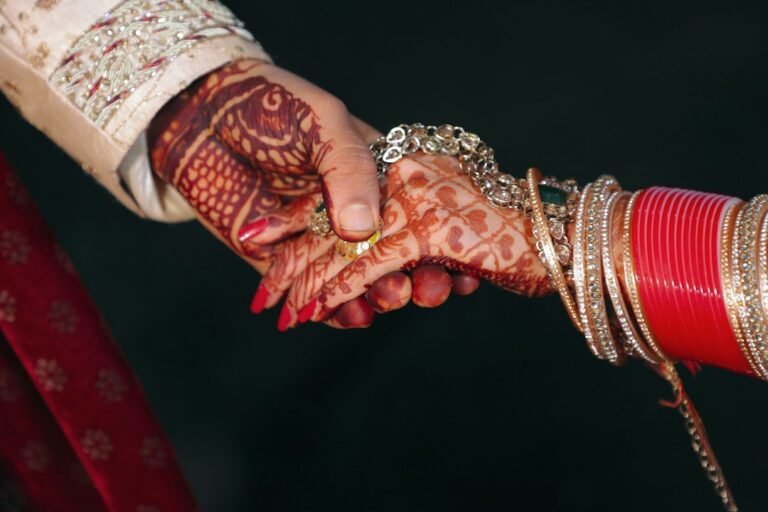
Why Did Arranged Marriage Become Common Across Many Societies?
Arranged marriage became common because marriage historically joined families, property and kinship systems as well as individuals. Modern outcomes depend far more on consent, autonomy, gender equality and family support…
-
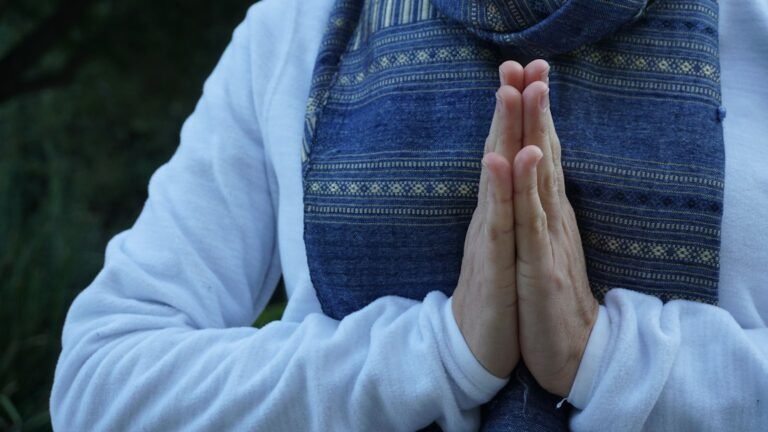
Why Do Humans Bow, Fold Hands, Kiss or Shake Hands in Greeting?
Bows, joined hands, kisses and handshakes look different, but all make social intent legible quickly. Greeting rituals signal respect, familiarity, rank and peaceful intent while reducing uncertainty at the start…
-
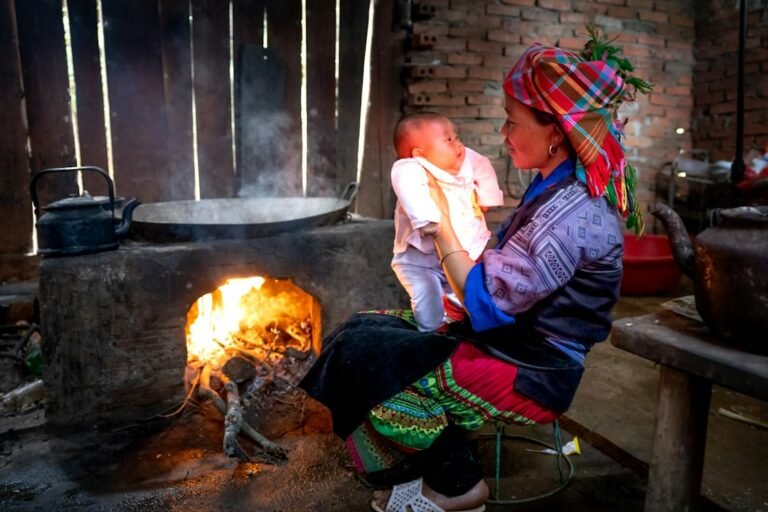
Why Did Homes Centre Daily Life Around the Hearth?
The household hearth combined cooking, heat, light and social gathering in one place, making it a practical and symbolic centre of domestic life—while also creating major smoke exposure.
-
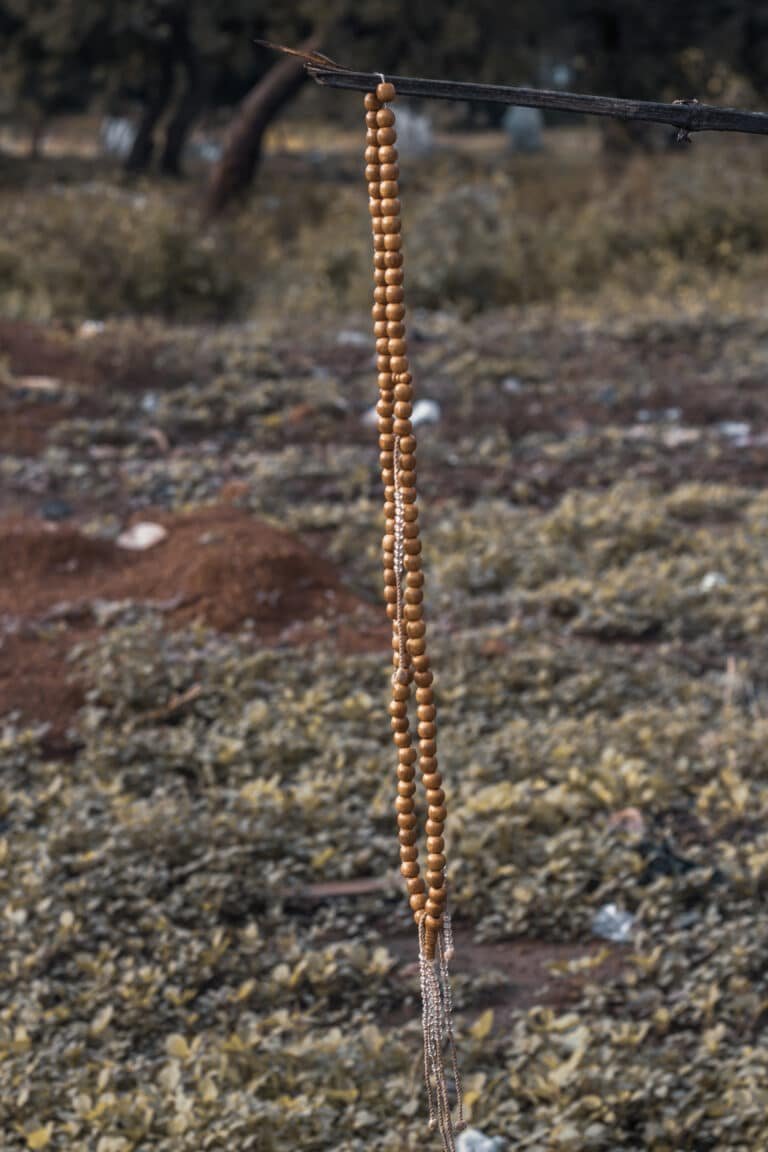
Why Do Religions Use Prayer Beads?
Mala, rosary, misbaha and other prayer beads turn repetition into something the hands can count. Tradivior will trace their histories across religions and test whether tactile counting changes attention, memory…